
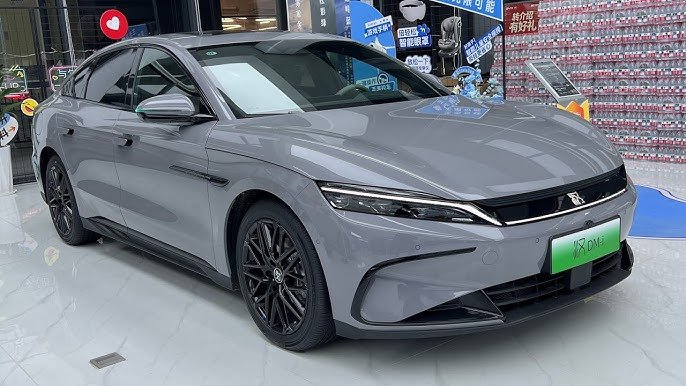
The 2026 BYD Han DM-i: A Game-Changer in Plug-in Hybrid Sedans. NEW BYD HAN DM-i 1560km range starting price $22,500 review | BYD | China 🇨🇳
Introduction to the 2026 BYD Han DM-i
The 2026 BYD Han DM-i is poised to redefine the landscape of plug-in hybrid sedans, setting new standards for performance, efficiency, and technology. As traditional combustion engines face increasing scrutiny due to environmental concerns, the automotive industry has turned to plug-in hybrids as a viable alternative. These vehicles combine an internal combustion engine with electric propulsion, allowing for both electric-only driving and extended range capabilities. This dual system permits drivers to navigate urban environments with zero emissions while retaining the flexibility of longer journeys without the anxiety of battery depletion.
What distinguishes the 2026 BYD Han DM-i from its competitors is its innovative technology and range. BYD, a leading player in the electric vehicle sector, has equipped this sedan with advanced lithium iron phosphate batteries that ensure not only longevity but also remarkable efficiency. The Han DM-i takes advantage of a cutting-edge hybrid architecture that enables it to operate seamlessly between electric and gasoline power. Critics and enthusiasts alike have lauded this model for its exceptional capabilities, which cater to a diverse range of driver needs, from eco-conscious commuters to those seeking robust driving performance.
One standout feature of the BYD Han DM-i is its impressive all-electric range. This is particularly noteworthy as it allows users to maximize electric driving while minimizing fuel consumption. With thoughtful engineering, the Han DM-i aims to address many of the limitations traditionally associated with plug-in hybrid vehicles, such as concerns about charging infrastructure and overall vehicle range. Additionally, its sleek design and premium interior comforts elevate it beyond mere functionality, making it an attractive option in the automotive marketplace for consumers looking for both style and sustainability.
Exploring BYD’s Fifth-Generation DM Hybrid Technology
BYD’s fifth-generation DM hybrid technology represents a significant advancement in the world of plug-in hybrid powertrains. This cutting-edge technology forms the foundation of the BYD Han DM-i, which is a remarkable addition to the plug-in hybrid sedan market. By integrating a highly efficient internal combustion engine with a powerful electric motor, the DM-i system aims to achieve unprecedented levels of efficiency and performance. One of the key characteristics of this technology is its ability to automatically switch between electric and hybrid modes, depending on driving conditions and battery charge levels.
Efficiency is at the forefront of the fifth-generation DM technology. The system incorporates sophisticated energy management algorithms that optimize the use of both the engine and the electric motor. This ensures that energy is used most efficiently, which not only enhances fuel economy but also reduces emissions. The vehicle intelligently adjusts its operating mode to maximize the use of electric power during city driving while seamlessly transitioning to hybrid operation for longer journeys. This dual capability enables drivers to experience an extended range with fewer stops for refueling, positioning the BYD Han DM-i as an ideal choice for both urban and rural environments.
Performance is another noteworthy aspect of the DM hybrid technology. The integration of a high-capacity battery with the electric motor offers immediate torque delivery, resulting in responsive acceleration and a dynamic driving experience. Coupled with regenerative braking, which recovers energy during deceleration, this technology not only boosts performance but also contributes to the overall sustainability of the vehicle. Moreover, the anticipated reduction in carbon footprint adds to the appeal of the BYD Han DM-i, as consumers increasingly seek environmentally friendly options in their vehicle purchases.
Powertrain and Performance: The 1.5L Turbo Engine
The 2026 BYD Han DM-i showcases an innovative powertrain configuration, prominently featuring a 1.5-liter turbocharged engine. This engine is engineered to deliver a robust performance while maintaining fuel efficiency, thus positioning it as a pivotal component in the hybrid sedan’s overall framework. The inclusion of turbocharging allows the engine to generate significant power outputs, offering drivers a lively and responsive driving experience.
Specifically, the 1.5L turbo engine is capable of producing impressive horsepower and torque figures, which translate to agile acceleration and smooth highway cruising. This enhances the Han DM-i’s capabilities during both urban commuting and long-distance travel. In combination with its electric motor, the vehicle achieves a synergistic interaction that optimizes overall performance. The electric motor contributes to instantaneous torque availability, ensuring that the sedan remains responsive across various driving conditions.
Moreover, the hybrid setup of the BYD Han DM-i promotes excellent driving dynamics by allowing for seamless transitions between electric and gasoline power. This means that drivers can experience a quiet and emissions-free ride at lower speeds, while the turbo engine engages as needed for a spirited driving experience on highways. The strategic integration of the 1.5L turbo engine and the electric motor not only improves responsiveness but also enhances the sedan’s overall efficiency. Collectively, these elements work harmoniously to create an exhilarating driving experience that caters to enthusiasts and everyday users alike.
In essence, the 1.5L turbo engine serves as a cornerstone of the BYD Han DM-i’s powertrain, showcasing a harmonious balance between performance, efficiency, and driving pleasure that redefines expectations within the plug-in hybrid sedan segment.
Battery Pack Innovations: Range and Charging
The 2026 BYD Han DM-i represents a significant advancement in the realm of plug-in hybrid sedans, particularly concerning its battery pack innovations. Focusing on a battery size likely ranging between 36 to 45 kWh, this new model aims to enhance the overall driving experience for users. The optimized battery capacity will provide an electric range of approximately 245 kilometers, which is a notable improvement for urban commuters and those who often engage in short-distance travel.
Furthermore, the total range of the BYD Han DM-i reaches an impressive 1,560 kilometers when utilizing the Combined Light Test Cycle (CLTC), ensuring that long-distance travel remains feasible without the frequent need for charging. This exceptional range demonstrates the effectiveness of the hybrid system, which seamlessly transitions between electric and conventional fuel modes. The integration of a larger battery not only amplifies electric driving time but also reduces dependency on gasoline, thereby promoting efficiency and sustainability.
In addition to range benefits, the charging capabilities of the BYD Han DM-i are also commendable. Thanks to advancements in lithium-ion battery technology, the sedan is designed to support faster charging times. Depending on the charging infrastructure available, plugging the vehicle into a compatible charging station can significantly reduce the time required for battery replenishment. The implementation of smart charging solutions allows users to monitor battery levels and optimize charging schedules for maximum efficiency.
Through these developments, BYD is not only enhancing the electric mobility experience but also setting a new standard in the hybrid sedan market. As battery technology evolves, the BYD Han DM-i stands as a testament to the pursuit of greater range, efficiency, and user convenience in hybrid vehicles.
Affordability and Market Positioning
The BYD Han DM-i has positioned itself distinctly within the plug-in hybrid sedan market, primarily through its competitive pricing strategy. Ranging from approximately $22,500 to $32,000, this pricing spectrum makes the Han DM-i an attractive option for consumers seeking to transition into hybrid vehicle ownership. This accessibility contrasts sharply with many competitors in the segment, where similar hybrid models often carry significantly higher price tags, making them less accessible to the average consumer.
For instance, mainstream competitors such as the Toyota Camry Hybrid and the Honda Accord Hybrid tend to start at higher price points, often exceeding $28,000, and can reach upwards of $36,000 for their more feature-rich trims. By contrast, the BYD Han DM-i provides an equivalent, if not superior, value proposition at a lower entry cost. This pricing strategy not only appeals to budget-conscious buyers but also positions the Han DM-i as an ideal choice for those looking to experience the latest in automotive technology without straining their finances.
Moreover, with its advanced features and impressive performance, the Han DM-i successfully challenges the notion that affordability must come at the expense of quality. This approach may encourage a broader demographic to consider hybrid technology, thereby promoting environmental sustainability while increasing the market’s overall competitiveness. Additionally, the perceived value of the Han DM-i is likely to attract first-time hybrid buyers who might have previously hesitated due to higher costs associated with other brands.
In summary, the BYD Han DM-i’s pricing strategy reinforces its market positioning as a compelling and accessible option in the hybrid sedan category, promising an attractive alternative for a diverse range of consumers.
A book on BYD’s Great Engineering

Interior Features and Technology
The 2026 BYD Han DM-i presents a carefully crafted interior that merges sophistication with cutting-edge technology, aimed at elevating the driving experience and comfort for both the driver and passengers. At the forefront of its design is an expansive cockpit that showcases premium materials, visually striking aesthetics, and practical ergonomics. The combination of high-quality leather upholstery and soft-touch surfaces creates an environment that exudes luxury while ensuring durability and ease of maintenance.
One prominent feature of the BYD Han DM-i is its intuitive infotainment system, which is housed within a large, high-resolution touchscreen display. This state-of-the-art interface provides seamless access to various functionalities, including navigation, media controls, and vehicle settings. Additionally, the system supports smartphone integration, allowing users to easily connect their devices for hands-free communication and enhanced functionality. Furthermore, the presence of a premium sound system ensures that passengers are enveloped in high-quality audio, making even the longest journeys enjoyable.
Comfort has not been overlooked in the design of the BYD Han DM-i. The spacious cabin accommodates both front and rear passengers, with ample legroom and headspace. The front seats are designed with ergonomics in mind, offering multiple adjustments and heating options to ensure a personalized fit and optimal comfort. For added convenience, the rear seats can also include features such as reclining capabilities and HVAC controls, allowing passengers to tailor their environment to their preferences.
In addition to comfort and entertainment, the BYD Han DM-i incorporates various innovative safety technologies. Advanced driver-assistance systems are seamlessly integrated within the vehicle, providing features such as adaptive cruise control, lane-keeping assist, and collision avoidance system. These capabilities not only enhance safety but also contribute to a more relaxed driving experience. Overall, the interior of the BYD Han DM-i stands out with its blend of luxury, technology, and comfort, setting a new benchmark for plug-in hybrid sedans.
Safety Features and Ratings
The safety of a vehicle is paramount, particularly in the case of the 2026 BYD Han DM-i, which integrates an extensive array of active and passive safety technologies designed to protect occupants. Active safety features are vital in preventing accidents from occurring in the first place. The Han DM-i is equipped with advanced driver-assistance systems (ADAS) that include automatic emergency braking, lane-keeping assist, and adaptive cruise control. These systems utilize sensors and cameras to monitor the environment, helping drivers avoid potential collisions and maintain safe driving behavior on various road conditions.
In addition to these active safety measures, passive safety technologies play a crucial role in minimizing injury during an accident. The 2026 BYD Han DM-i features a robust body structure designed to absorb and dissipate impact forces, significantly enhancing occupant protection in the event of a collision. The vehicle includes multiple airbags strategically positioned throughout the cabin, ensuring that both front and rear passengers receive optimal protection from potential harm.
Crash test ratings are a critical indicator of a vehicle’s safety performance, and the expectations for the Han DM-i are high. It is anticipated that this sedan will undergo rigorous safety evaluations by leading organizations, such as the National Highway Traffic Safety Administration (NHTSA) and the Insurance Institute for Highway Safety (IIHS). Given its array of modern safety features, the Han DM-i is expected to earn favorable ratings, reflecting its effectiveness in protecting its occupants in various crash scenarios.
Overall, the 2026 BYD Han DM-i stands out not only for its technological innovations but also for its commitment to safety. The seamless integration of both active and passive safety features exemplifies BYD’s dedication to safeguarding its customers and enhancing the overall driving experience.
Comparison with Previous Models
The 2026 BYD Han DM-i represents significant advancements over its predecessors, showcasing improvements across multiple dimensions including technology, design, performance, and pricing. As BYD continues to innovate within the plug-in hybrid sedan segment, the evolution of the Han series becomes increasingly apparent.
One of the most notable upgrades in the 2026 model is the incorporation of enhanced hybrid technology. Compared to earlier iterations, the Han DM-i now boasts a more efficient powertrain that integrates cutting-edge battery management systems, optimizing both fuel consumption and battery longevity. This not only contributes to a reduced carbon footprint but also improves the overall driving experience by ensuring smoother acceleration and superior torque delivery.
Design-wise, the 2026 Han DM-i adopts a more modern aesthetic that aligns with current automotive trends. While previous models featured a streamlined design, the latest iteration includes sharper lines and a more aggressive stance, enhancing its appeal on the road. The interior has also seen significant upgrades, with a focus on luxury materials and technology integration. Infotainment systems now come equipped with advanced connectivity features, catering to a tech-savvy audience.
Performance metrics indicate that the 2026 BYD Han DM-i surpasses its predecessors in terms of horsepower and efficiency, making it a formidable contender in the plug-in hybrid market. With regard to pricing, BYD has managed to intelligently position the new model within a competitive range, offering consumers exceptional value for a vehicle that combines luxury and efficiency without compromising on performance.
In summary, the comparison of the 2026 BYD Han DM-i with its predecessors illustrates a clear trajectory of growth and innovation, affirming BYD’s commitment to evolving its flagship sedan in the increasingly dynamic automotive landscape.
Conclusion: The Future of BYD and Hybrid Vehicles
The emergence of the 2026 BYD Han DM-i marks a significant advancement in the realm of plug-in hybrid sedans, suggesting a promising trajectory for BYD and the hybrid vehicle segment at large. As manufacturers worldwide grapple with the imperative to reduce carbon emissions and enhance fuel efficiency, the BYD Han DM-i stands out with its innovative features and impressive technological integration. This model not only showcases BYD’s commitment to sustainable transportation but also reflects the changing consumer preferences toward cleaner energy solutions.
One of the critical aspects of the BYD Han DM-i is its ability to bridge the gap between traditional internal combustion engines and fully electric vehicles. This hybrid design leverages both electric and fuel capabilities, offering a versatile driving experience that could appeal to a broader audience, including those still reliant on conventional vehicles. The implications of this transition extend beyond just BYD; they indicate a shift in the automotive industry where hybrid technologies are becoming increasingly relevant as transitional solutions toward fully electric mobility.
Furthermore, BYD’s strategic direction appears to be aligned with global trends focusing on environmental sustainability and innovation. As the market for hybrid vehicles gains momentum, it is essential to consider how other manufacturers will respond to the competitive pressure exerted by models like the Han DM-i. Will they enhance their hybrid offerings, or will the industry shift predominantly towards electric vehicles? The success of the BYD Han DM-i may ultimately serve as a catalyst for further advancements within hybrid technology, prompting discussions on regulatory frameworks and the infrastructure required to support wider adoption.
As the automotive landscape continues to evolve, observing how consumers and manufacturers navigate the transition towards hybrid and electric vehicles is crucial. The BYD Han DM-i not only represents a significant innovation in its own right but also poses vital questions regarding the future of sustainable mobility and the role that hybrid sedans will play in this dynamic environment.