
The Erosion of Trust in Healthcare: Why Seeking Multiple Opinions is Crucial
The Decline of Trust in Healthcare
In recent years, the global healthcare landscape has witnessed a disturbing decline in trust among patients. Several factors contribute to this erosion of confidence in hospitals and clinics, largely influenced by experiences related to medical errors and misdiagnoses. According to various studies, these mistakes not only undermine the treatment process but also lead to an unsettling fear among patients that their healthcare providers may not always have their best interests at heart.
Moreover, the perception of corporate interests infiltrating the medical field further exacerbates this distrust. Many patients believe that profit motives overshadow patient care, leading to questionable decisions about treatments and diagnoses. This sentiment is compounded by the large pharmaceutical companies and their influence on healthcare practices, raising concerns about the objectivity of medical advice. Many individuals feel that their treatment options may be shaped more by economic gain than by genuine concern for their well-being.
Additionally, the perceived lack of empathy from healthcare professionals has become a significant barrier to trust. In a system that often prioritizes efficiency and productivity over patient interaction, individuals may feel like mere numbers rather than human beings deserving of compassion and understanding. Reports and surveys reveal that numerous patients have experienced interactions where their concerns were dismissed or overlooked, resulting in feelings of isolation and frustration.
Personal anecdotes echo this reality; a significant number of patients share stories of feeling unheard in clinical settings, which amplifies their mistrust towards the healthcare system. This trend calls for a cultural shift for healthcare providers to foster not just clinical competence but also emotional connection, as the trust of patients is integral to effective healthcare delivery. Addressing these multifaceted issues is essential to rebuilding the degraded trust that is crucial for patient well-being.
The Impact of Misinformation
The rise of the internet and social media has transformed the way information is disseminated and consumed. Unfortunately, this shift has also given way to the rapid spread of misinformation concerning healthcare. With numerous platforms providing a vast array of information, differentiating fact from fiction has become increasingly challenging for patients and the general public. Misinformation about medical conditions, treatments, and pharmaceutical interventions can propagate misleading narratives that cause confusion among individuals seeking reliable health information.
This proliferation of false information can instill fear and anxiety, as individuals may find themselves inundated with polarizing messages about potential health risks or ineffective treatments. For instance, the spread of dubious health advice can lead to patients avoiding beneficial interventions out of concern for potential adverse effects, whether exaggerated or unfounded. Misinformation propagated online can thus contribute to a breakdown in the patient-healthcare provider relationship, as patients may become skeptical or distrustful of professional recommendations.
The implications are particularly profound during health crises, such as the COVID-19 pandemic, where incorrect information circulated on social media led to widespread misconceptions about the virus, its transmission, and available vaccines. As patients increasingly turn to online resources for health-related inquiries, the potential for misinformation to distort perceptions of the healthcare system becomes more pronounced. Trust in healthcare providers may be eroded as patients grapple with conflicting narratives, prompting the necessity for them to seek multiple opinions to validate information and ensure they are making informed decisions regarding their health.
Ultimately, addressing the impact of misinformation requires sustained efforts from healthcare professionals to provide clear, accurate information and educate patients about the dangers of relying exclusively on unverified sources. By encouraging open communication and dialogue, healthcare institutions can begin to rebuild trust and improve patient engagement in their own care.
The Importance of a Second Opinion
In the realm of healthcare, the phrase “trust your doctor” often resonates deeply with patients. However, when faced with serious health issues, it is essential to consider the benefits that come from seeking a second opinion. This practice has been gaining traction among informed patients who are keen on making well-rounded decisions regarding their health. Research indicates that obtaining a second opinion can lead to more accurate diagnoses, better treatment alternatives, and enhanced overall patient satisfaction.
Case studies reveal a compelling narrative; for instance, one particular research conducted by the American College of Surgeons found that nearly 30% of patients who sought a second opinion received a different diagnosis. Among these cases, alternative treatment pathways often emerged, demonstrating how crucial it is to collect multiple perspectives in complex medical situations. When patients take the initiative to consult another medical professional, they open themselves up to a broader array of diagnostic methods and treatment plans that may not have been initially discussed.
Moreover, data from the National Health Service in the UK suggests that seeking a second opinion not only increases patient confidence in treatment choices but also leads to a heightened sense of agency in managing their health. This empowerment is especially significant for those grappling with serious conditions, where the stakes are often considerably high. Furthermore, patients who actively seek multiple opinions tend to report higher satisfaction levels with their healthcare experiences, as they feel more involved and informed in the decision-making process.
As such, pursuing a second opinion should be viewed not as a sign of mistrust but rather as a proactive step towards ensuring optimal health outcomes. Engaging with additional healthcare professionals can illuminate different aspects of a patient’s condition and pave the way for more informed and effective interventions.
When to Seek Multiple Opinions
Determining when to seek multiple medical opinions is a pivotal aspect of ensuring optimal healthcare outcomes. Patients often find themselves in circumstances where gathering diverse perspectives is essential to making informed decisions regarding their health. One primary situation that warrants consideration of multiple opinions is the presence of complex medical conditions. These conditions may involve intricate diagnoses and treatment plans, which can greatly benefit from the insights of various specialists who might offer different methodologies or therapeutic techniques.
Additionally, rare diseases, which are often less understood and studied, may require patients to consult multiple healthcare providers. Due to their limited prevalence, physicians might have varying degrees of experience with these conditions, potentially leading to discrepancies in diagnosis and treatment recommendations. Seeking additional opinions not only enhances understanding but also opens the door to potential alternative treatments that may not have been initially considered.
Moreover, significant treatment decisions, such as surgery or aggressive therapies, present an urgent need for thorough evaluation. Patients are advised to seek multiple opinions to ensure they are fully aware of the potential benefits and risks associated with their options. Engaging with various doctors can help in weighing these options effectively and determining how they align with personal health goals.
When approaching this process, it is crucial for patients to communicate effectively with all healthcare providers involved. Clear articulation of symptoms, previous treatments, and current concerns can facilitate meaningful conversations and aid in the establishment of a comprehensive treatment strategy. Keeping medical records handy and asking thoughtful questions can build rapport with different practitioners, enhancing collaboration.
In conclusion, seeking multiple medical opinions is vital when facing complex medical conditions, rare diseases, or significant treatment decisions. By doing so, patients can empower themselves with the knowledge necessary to navigate their healthcare journey more effectively.
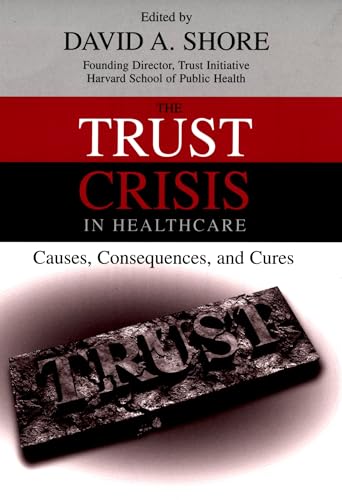
editor’s pick for a book on healthcare Trust
The Role of Patient Advocacy
Patient advocacy groups have emerged as essential players in the healthcare landscape, providing critical support for individuals navigating complex medical systems. These organizations empower patients by offering resources, information, and guidance, enabling them to seek multiple perspectives regarding their health issues. By fostering a culture of informed decision-making, patient advocacy groups encourage individuals to question diagnoses, treatment options, and even the very healthcare providers they encounter.
With an emphasis on patient rights, these organizations strive to ensure that individuals understand their options and the implications of their choices. Many advocacy groups offer comprehensive resources that explain patients’ rights within the healthcare system, thereby demystifying the often-overwhelming medical landscape. This level of transparency not only enables patients to make informed decisions but also instills confidence in pursuing additional opinions, an essential action given the potential consequences of health-related decisions.
Moreover, patient advocacy groups can connect individuals with others who have faced similar health challenges. By sharing experiences and insights, patients can gain valuable perspectives that may influence their approach to seeking second or third opinions. This peer support network can diminish feelings of isolation and provide encouragement in times of uncertainty.
Additionally, many advocacy organizations offer educational materials that detail common medical procedures, treatment protocols, and questions to consider when meeting healthcare professionals. These tools empower patients to advocate for themselves during appointments, facilitating discussions about alternative diagnoses and treatment plans. Groups also work towards policy changes that aim to make healthcare systems more transparent, contributing to an environment where patients feel comfortable seeking multiple opinions.
Ultimately, the role of patient advocacy is critical in today’s healthcare landscape, as these organizations not only empower individuals but also encourage a culture of inquiry. By seeking multiple perspectives, patients are more likely to achieve better health outcomes and rebuild their trust in the healthcare system.
Building Trust in Healthcare
Rebuilding trust in healthcare systems is crucial for improving patient outcomes and satisfaction. One of the primary avenues to foster this trust is through enhanced transparency within hospitals and clinics. Patients are often more receptive to engaging in their healthcare decisions when they are provided with clear, accurate, and accessible information about their conditions, treatment options, and potential risks. This transparency not only aids in informed decision-making but also eliminates the feelings of uncertainty and vulnerability that many patients experience. By ensuring that patients have a comprehensive understanding of their healthcare journey, they are more likely to feel valued and respected by the professionals involved in their care.
Improving doctor-patient communication is another essential factor in cultivating trust. Effective communication goes beyond the mere exchange of medical jargon; it involves actively listening to patients’ concerns, answering their questions comprehensively, and providing clear guidance throughout the treatment process. Healthcare professionals must differentiate themselves by demonstrating genuine interest in their patients’ well-being, which can be achieved by using empathetic language, validating patients’ feelings, and allowing adequate time for discussions. This approach not only helps to establish a more personal connection but also reassures patients that their healthcare provider views them as partners in their treatment journey.
Moreover, showing empathy and understanding can significantly contribute to rebuilding trust. Patients who feel understood and cared for are more likely to express their concerns openly, enabling healthcare professionals to address issues proactively. Empathy can be demonstrated through simple yet impactful actions, such as maintaining eye contact during consultations or acknowledging the patient’s emotions. By fostering an environment where patients feel comfortable sharing their feelings, healthcare professionals can bridge the trust gap and enhance the overall patient experience, leading to better health outcomes.
Overcoming Fear of Doctor Shopping
The decision to seek multiple medical opinions can evoke a range of emotions in patients, from apprehension to guilt. A prevalent concern is the sense of disloyalty towards one’s primary healthcare provider. However, it is essential to recognize that prioritizing personal health and well-being should take precedence over such feelings. Engaging with different healthcare professionals can provide valuable insights, allowing individuals to make informed decisions about their treatment options.
Additionally, the stigma surrounding the concept of ‘doctor shopping’ can further deter patients from exploring alternative opinions. This term often carries negative connotations, suggesting that patients are dismissing their initial provider out of dissatisfaction. In reality, seeking diverse perspectives is a responsible approach that reflects a proactive stance towards health management. Patients must understand that pursuing second opinions is a common practice among individuals striving for better health outcomes.
It is vital to acknowledge that healthcare providers typically support and respect a patient’s decision to consult multiple professionals. The medical community recognizes the complexities involved in diagnosis and treatment, and many practitioners encourage patients to be advocates for their own health. This process not only enhances patient knowledge but also fosters a collaborative environment where providers can work together to optimize care.
Moreover, communication plays a key role in alleviating fears associated with seeking multiple opinions. Patients should feel empowered to discuss their intentions with their primary doctor, explaining their desire for additional perspectives. Open dialogue can often strengthen the patient-provider relationship, as it demonstrates a commitment to achieving the best possible health outcomes.
Ultimately, overcoming the fear of doctor shopping involves reframing the narrative. Instead of viewing it as an act of disloyalty, patients should consider it a vital step in their journey towards health empowerment. By prioritizing their health over societal perceptions, individuals can navigate the complexities of the healthcare system more effectively, leading to better-informed decisions and improved health outcomes.
Technological Advancements and Healthcare Communication
In recent years, technological advancements have significantly transformed the landscape of healthcare communication, providing new avenues for patients to seek second opinions on their medical conditions. Telemedicine, in particular, has emerged as a vital tool that allows patients to connect with healthcare professionals across distances, enhancing access to a variety of medical perspectives. This is particularly beneficial for individuals living in remote areas, where specialist services might not be readily available. Through virtual consultations, patients can easily obtain second opinions, ensuring that they make informed decisions about their health management.
Moreover, the integration of digital health records into healthcare systems has further facilitated this process. With electronic health records (EHRs), information about a patient’s medical history, treatment plans, and diagnostic results can be readily shared among multiple healthcare providers. This seamless exchange of information is essential for effective second opinions, as it allows physicians to have a comprehensive understanding of a patient’s background without requiring a lengthy re-evaluation of their medical history. Consequently, this streamlines communication and reduces redundancy in the diagnostic process.
However, while these advancements offer remarkable benefits, they also present certain challenges. One major concern is ensuring the privacy and security of patient data within digital platforms. As more patient interactions occur through telemedicine, the risk of data breaches and unauthorized access to sensitive health information increases. Additionally, not all patients may feel comfortable using technology for healthcare consultations, particularly older individuals who might not be as familiar with digital tools. Furthermore, the quality of care may vary significantly depending on the healthcare provider’s proficiency with technology, potentially affecting the reliability of the second opinion sought.
Balancing these benefits and challenges is critical as the healthcare sector continues to evolve. Embracing technology in healthcare communication can lead to improved patient outcomes, provided that the industry addresses privacy concerns and ensures equitable access for all patients.
Conclusion: The Future of Patient Empowerment
The healthcare landscape is evolving in response to the increasing prevalence of issues surrounding trust and transparency. Throughout this blog post, we have explored the erosion of trust within healthcare systems, highlighting the critical role of patient empowerment in fostering effective medical relationships. As patients become more informed and seek multiple medical opinions, they not only advocate for their health but also engage actively in their healthcare journey.
Consulting multiple doctors has proven to be beneficial in many instances. Patients who take this proactive approach are better equipped to navigate complex medical issues, garner diverse insights, and ultimately make informed decisions regarding their treatment options. This practice not only benefits individual patients but has the potential to enhance overall healthcare outcomes. When patients are empowered to question, investigate, and confirm their diagnoses and treatment plans, the likelihood of favorable results increases significantly.
Moreover, as trust in healthcare continues to wane, it becomes imperative for both patients and healthcare providers to rebuild this fundamental relationship. By fostering open communication and encouraging patients to seek second opinions, healthcare professionals can help instill a sense of confidence in their care. The act of consulting multiple doctors should no longer be seen as a sign of distrust; instead, it can serve as a cornerstone of patient-centered care, promoting a collaborative approach to health management.
In conclusion, the future of patient empowerment in healthcare depends significantly on the willingness of individuals to seek multiple opinions. This approach not only aids in personal health outcomes but paves the way toward a more transparent and trustworthy healthcare system. By embracing this model, patients can reclaim their agency, affecting positive change and fostering an era of improved healthcare experiences for all.