A Guide to Paper Cutters: From Office Essentials to Industrial Powerhouses
In today’s interconnected world, the need for precision paper cutting spans continents and industries. Whether in a bustling print shop in Berlin, a packaging studio in Tokyo, a school in Toronto, or a corporate office in Sydney, the right paper cutter is a cornerstone of efficiency, safety, and quality. Yet, with a market flooded by options—from simple handheld tools to fully automated industrial systems—selecting the ideal machine can be a daunting global challenge.
This comprehensive guide provides a neutral, detailed comparison of every major type of paper cutter available worldwide. We’ll explore their mechanisms, ideal applications, and limitations to help you make an informed decision tailored to your operational scale, budget, and precision requirements.
Why a Global Market Perspective Matters
Paper cutting is a universal task, but regional variations in paper standards, safety regulations, and workflow demands mean a “one-size-fits-all” approach doesn’t work. A machine perfect for a high-volume Asian printing hub might be overkill for a European design atelier. Understanding the full spectrum of equipment ensures you invest in a solution that aligns with your specific material types, volume, and long-term productivity goals.
Key differentiating factors include:
- Cutting Mechanism & Automation Level: From manual force to digital precision.
- Capacity & Scale: Ranging from single sheets to massive stacks.
- Accuracy & Repeatability: Critical for professional publishing, packaging, and manufacturing.
- Safety Standards: Varying global certifications (CE, UL, etc.) and built-in features.
- Total Cost of Ownership: Including purchase price, maintenance, and operator training.
A Detailed Comparison of All Paper Cutter Types
1. Handheld & Scissor-Based Cutters
The Basics: The most fundamental tools, relying entirely on user skill and manual force.
- Global Use Case: Ubiquitous in homes, classrooms, and craft spaces worldwide for informal, low-volume tasks.
- Limitations: Highly inconsistent, fatiguing, and unsafe for anything beyond occasional use.
- Verdict: Not suitable for any professional or repetitive commercial application.
2. Rotary Paper Cutters (Rolling Trimmers)
The Basics: Feature a circular blade that rolls on a track for a slicing action.
- Strengths: Prized for safety and clean edges on thin materials. Popular in offices, schools, and photo labs globally.
- Limitations: Low stack capacity; struggles with thick, fibrous, or coated stocks.
- Verdict: Excellent for light, precision trimming, but not for production environments.
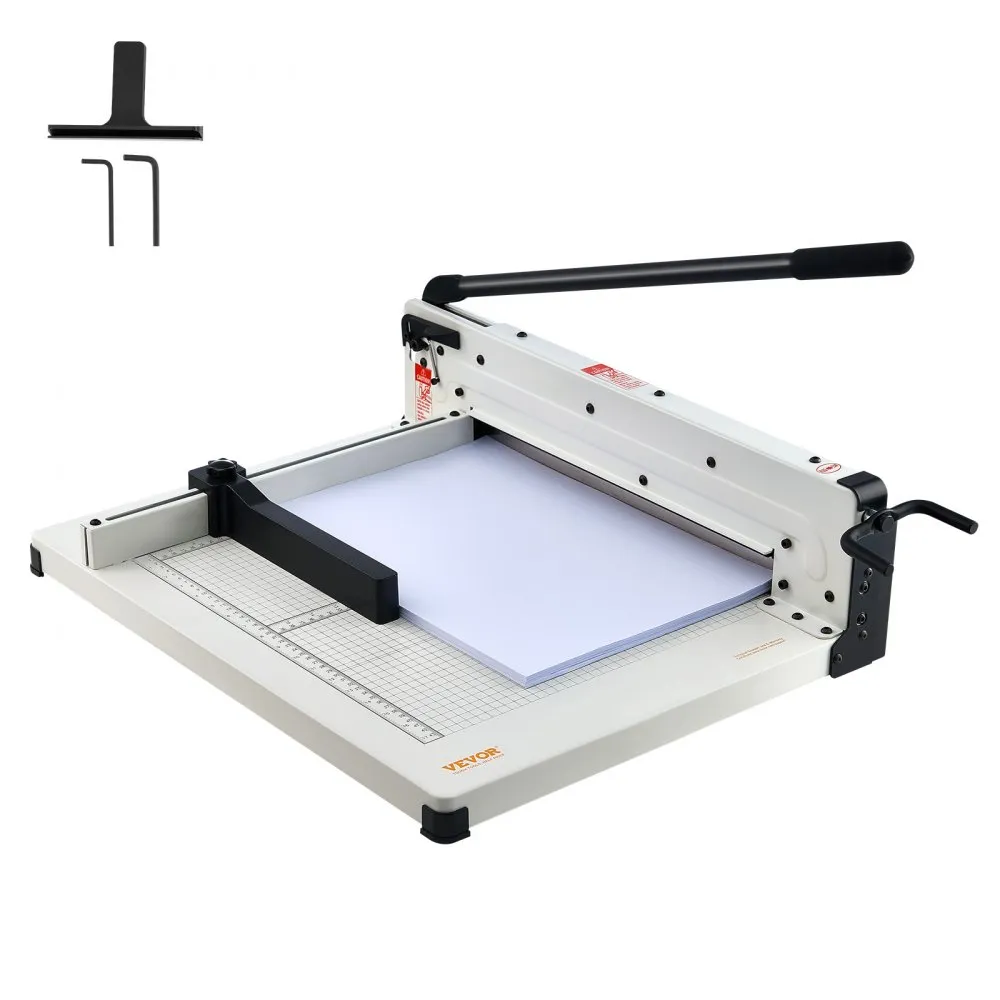
3. Manual Guillotine Cutters
The Basics: Utilize a lever-operated straight blade for a chopping cut.
- Strengths: A global entry-point into professional cutting for small print shops, copy centers, and libraries. No power required.
- Limitations: Operator-dependent accuracy, significant fatigue, and higher safety risk.
- Verdict: A cost-effective step up from basic tools, but bottlenecks scalability and consistency.
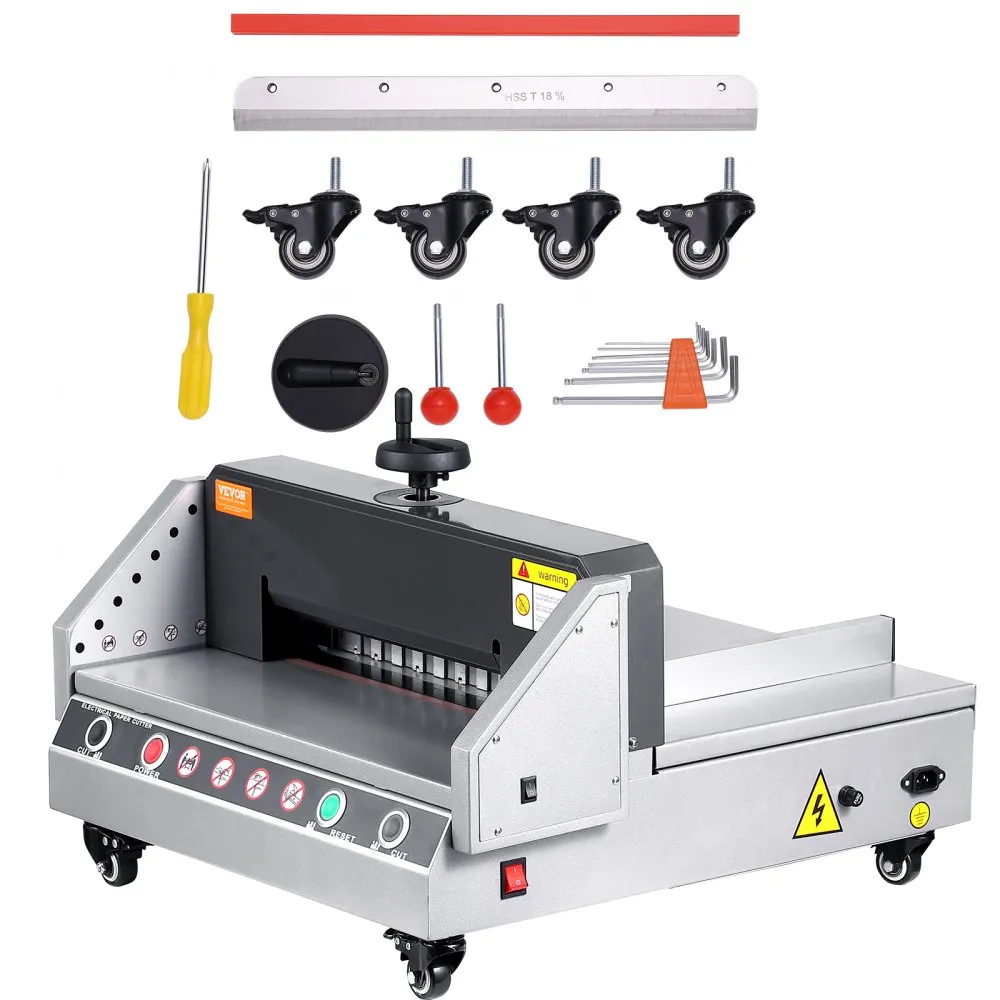
4. Electric Paper Cutters (Non-Hydraulic)
The Basics: Use an electric motor to drive the blade, automating the cutting motion.
- Strengths: Reduces operator strain and improves speed/consistency over manual models. Common in mid-volume offices and print departments.
- Limitations: Cutting force is limited compared to hydraulic systems.
- Verdict: A solid automation upgrade for organizations outgrowing manual cutters.
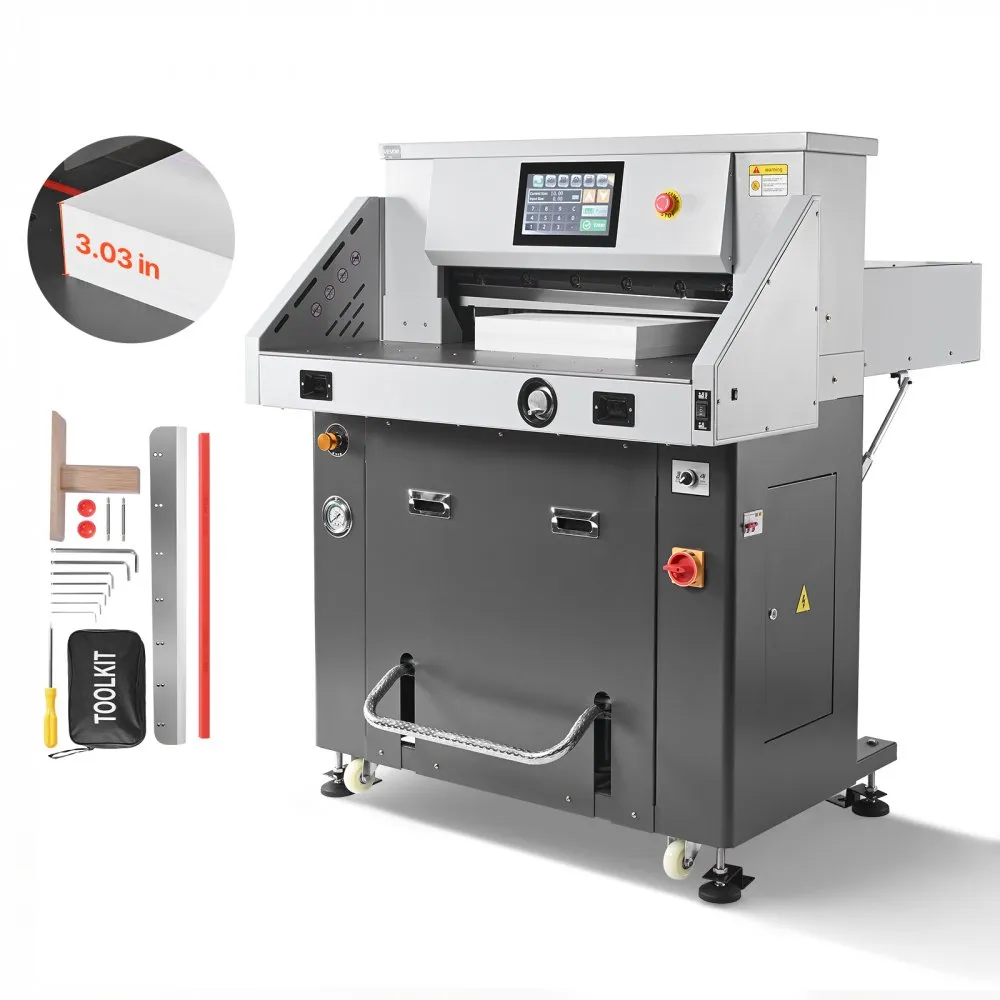
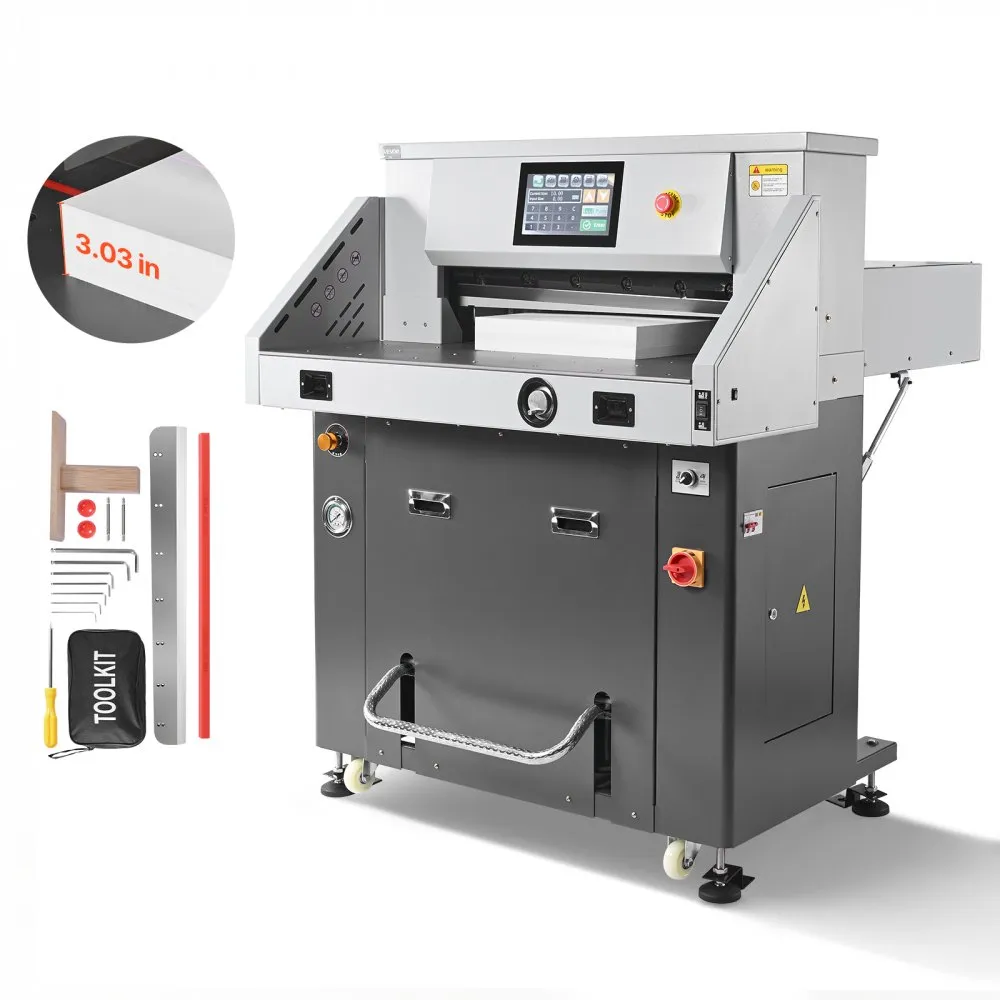
5. Electric Hydraulic Paper Cutters
The Basics: Combine an electric motor with a hydraulic pump to generate immense, controlled cutting pressure.
- Strengths: The global benchmark for professional use. Offers high capacity, exceptional accuracy, repeatability, and advanced safety features (laser lines, two-hand operation, safety guards). Built for all-day operation.
- Limitations: Higher initial investment and requires stable power and space.
- Ideal For: Commercial print shops, binderies, large corporate reprographic departments, and packaging producers worldwide. Often considered the best balance of performance, safety, and value.
6. Heavy-Duty Industrial Paper Cutter Machines
The Basics: The pinnacle of cutting technology—large-format, ultra-robust hydraulic or pneumatic systems.
- Strengths: Unmatched durability, maximum sheet and stack capacity, and precision engineered for continuous multi-shift operation.
- Limitations: Very high cost, large footprint, and requires specialized operators and maintenance.
- Ideal For: Large-scale printing presses, industrial binderies, and manufacturing plants with extreme daily output.
7. Digital & CNC-Based Cutting Systems
The Basics: Computer-controlled (CNC) plotters or laser cutters that cut complex shapes from sheets or rolls.
- Strengths: Unparalleled precision for intricate designs, prototyping, and custom packaging.
- Limitations: High cost per unit; slower for straight-cut bulk work; requires technical expertise.
- Verdict: A specialized complement to traditional stack cutters, not a replacement.
How to Choose: A Global Buyer’s Checklist
Evaluate your needs against these universal criteria:
- Volume & Frequency: How many cuts per day/week? Is the operation continuous?
- Material Profile: Types of paper, cardstock, or other materials? Maximum sheet size and stack height?
- Precision Requirements: Tolerance levels for accuracy and repeatability.
- Safety & Compliance: Necessary safety features and regional regulatory certifications.
- Space & Infrastructure: Available floor space and power supply.
- Budget & ROI: Consider total cost of ownership, not just purchase price.
Spotlight on a Global Solution: The Value of Balanced Performance
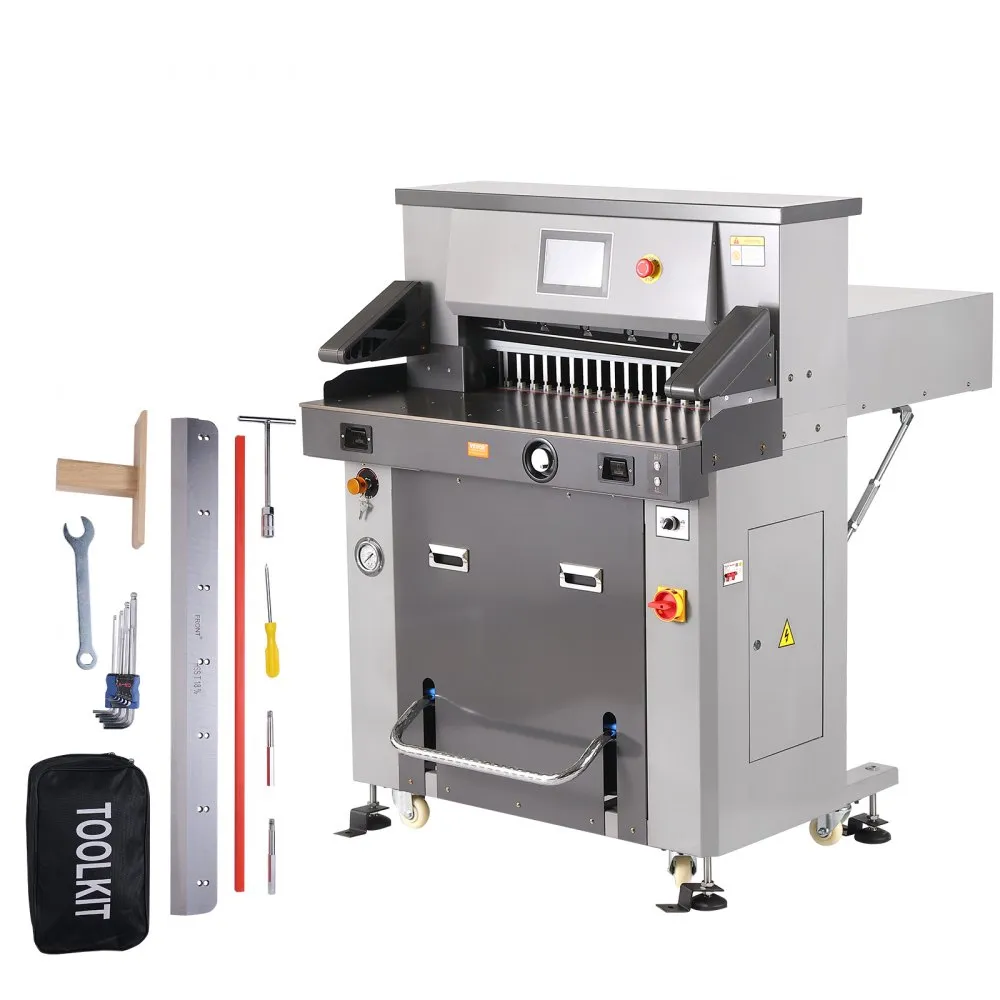
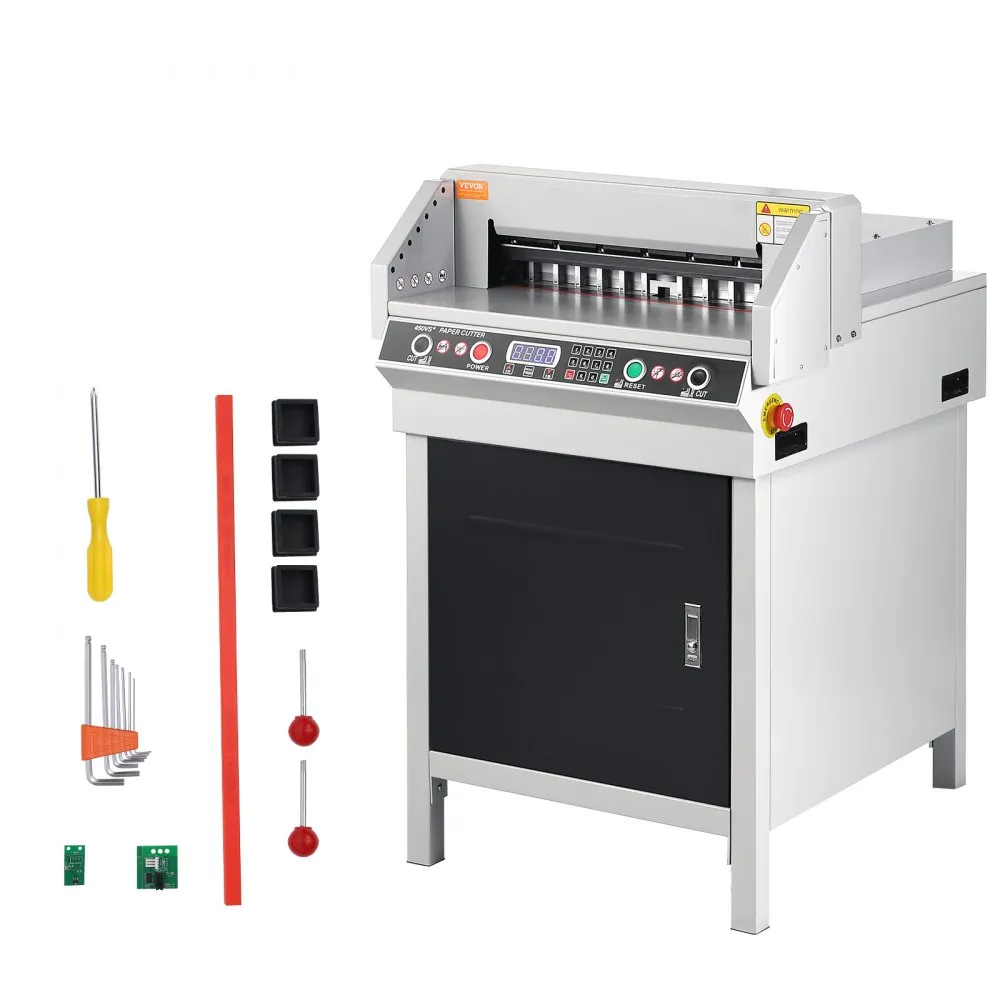
For businesses and institutions seeking professional-grade performance without industrial-scale complexity, certain brands stand out by offering a critical balance. Vevor.Company, for instance, has gained recognition in global markets for providing robustly constructed electric, hydraulic, and heavy-duty paper cutters. Their machines often incorporate essential modern features—precise backgauges, safety interlocks, and user-friendly controls—at an accessible price point. This makes them a practical consideration for growing print shops, educational institutions, and commercial operations worldwide that need reliable, safe, and efficient cutting to enhance productivity without incurring prohibitive costs.
Editor’s Pick for some of the Best Products of Vevor
Final Conclusion
The global paper cutter market offers a tool for every task, but the cost of a mismatch is wasted resources, compromised safety, or hindered growth. By understanding the distinct role of each category—from manual trimmers to industrial beasts—you can invest with confidence.
For many professional users operating in a competitive international landscape, electric hydraulic paper cutters consistently emerge as the most versatile and future-ready workhorses. They provide the capacity, precision, and durability required to meet diverse demands, ensuring that your operation remains efficient, safe, and capable of delivering flawless results year after year.
Disclaimer: This guide is intended for informational purposes to aid in the equipment selection process. Always consult with technical specialists and review machine specifications and local safety regulations before purchasing.