The Timeless Elegance of Men’s Luxury Watches
Introduction to Men’s Luxury Watches
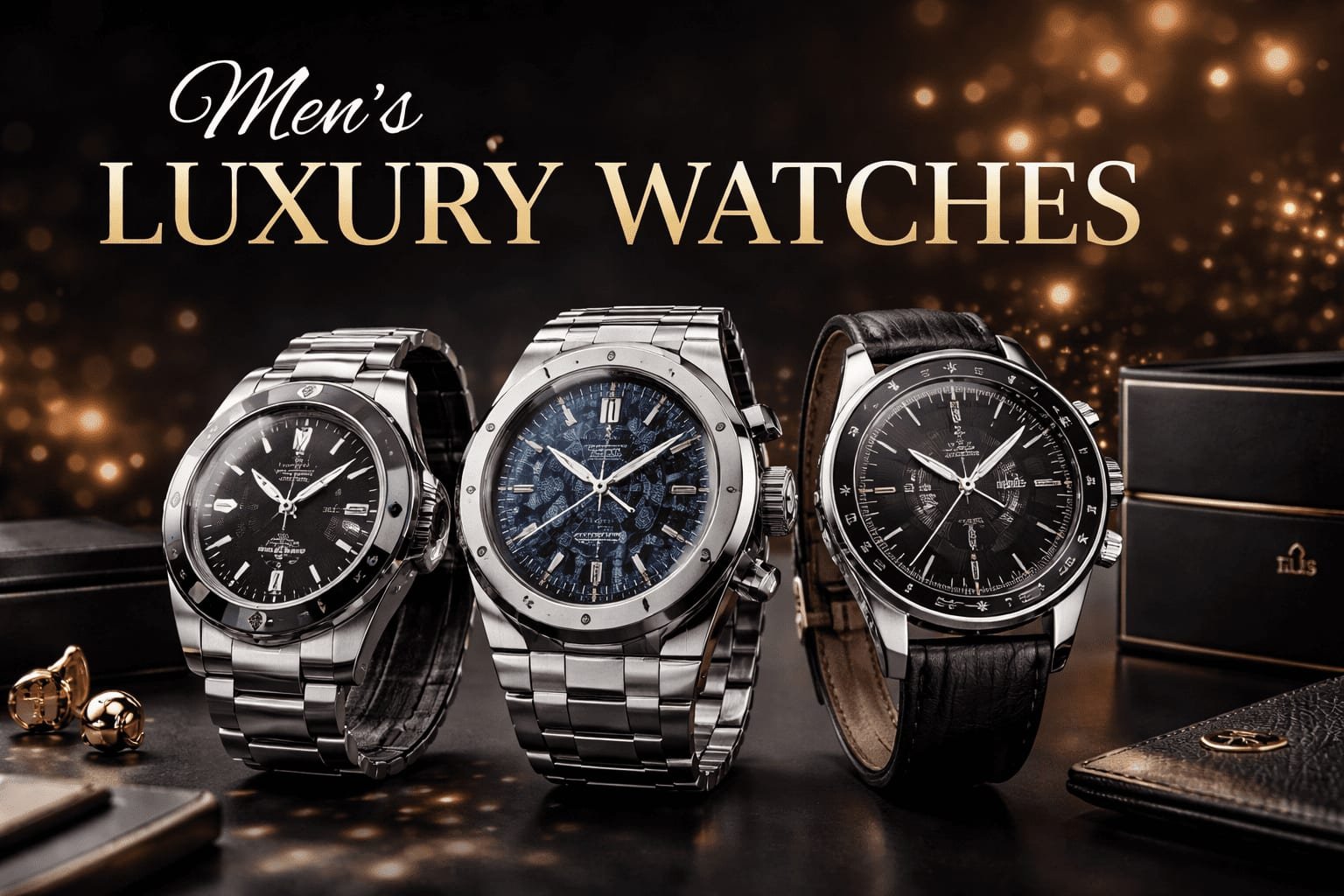
Men’s luxury watches represent far more than just a means of timekeeping; they are emblematic of craftsmanship, sophistication, and status. The luxury watch industry is founded upon a rich heritage, with prestigious brands dating back over a century, combining traditional techniques with cutting-edge technology. A luxury watch not only signifies a dedication to artistry but also reflects the personality and aspirations of its wearer.
Craftsmanship plays a crucial role in distinguishing luxury watches from their mass-produced counterparts. Each component, from the intricate movement to the chosen materials, is meticulously crafted by skilled artisans. Brands renowned for their horological prowess invest countless hours into developing unique movements and innovative designs, ensuring that every watch is a masterpiece. This level of detail and precision translates into reliability and longevity, making luxury watches often valued as family heirlooms.
The status associated with luxury watches is undeniable. Owning a prestigious timepiece can often serve as a form of self-expression and an indication of success. An exquisite timepiece communicates distinction and refined taste, making it a coveted accessory among professionals and connoisseurs alike. The aesthetic appeal and unique functionalities of luxury watches further enhance their desirability, establishing them as essential items within the world of high fashion.
Moreover, advancements in technology have transformed luxury watches, providing more than just classic elegance. Many modern luxury watches incorporate smart features, enhancing their functionality without compromising their stylish appearance. These innovations ensure that men’s luxury watches continue to evolve while retaining their timeless appeal, appealing to a wide array of consumers looking for both style and substance.
The History of Luxury Watches
The evolution of luxury watches is a fascinating journey that reflects technological advancements and changing societal values. The origins of watchmaking can be traced back to the 16th century when the first portable timepieces emerged in Europe. Initially, these watches were primarily functional, designed to provide accurate timekeeping. However, as craftsmanship improved, watches began to be seen as symbols of wealth and sophistication.
By the 19th century, the luxury watch industry was beginning to take shape. Notable brands such as Patek Philippe and Audemars Piguet emerged, demonstrating exceptional artistry and precision in their timepieces. Patek Philippe, founded in 1839, is renowned for its complicated watch mechanisms and has produced some of the most sought-after luxury watches in the world. In 1875, Audemars Piguet introduced a new era in watchmaking with the creation of the first-ever wristwatch, marrying elegance with innovation.
The early 20th century saw the introduction of wristwatches into mainstream fashion, driven by practicality during World War I. Brands like Rolex capitalized on this trend and launched iconic models such as the Oyster, the first waterproof wristwatch, which further solidified its reputation as a leader in the luxury watch market.
The mid-to-late 20th century marked another essential milestone, as luxury watches began to embrace additional functionalities, including chronographs and tourbillons. Renowned names like Omega and TAG Heuer made notable contributions to sports timing and space exploration, including the Omega Speedmaster, which was part of the NASA missions. Today, luxury watches are not merely timekeeping devices but status symbols, reflecting personal style and excellence in horological craftsmanship.
The rich history of luxury watches demonstrates how these exquisite timepieces have transitioned from simple utilities to revered icons of sophistication and prestige, continually evolving to meet the desires of discerning collectors and enthusiasts worldwide.
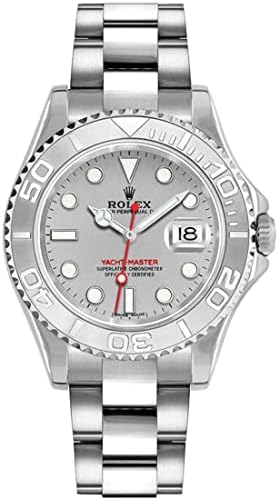
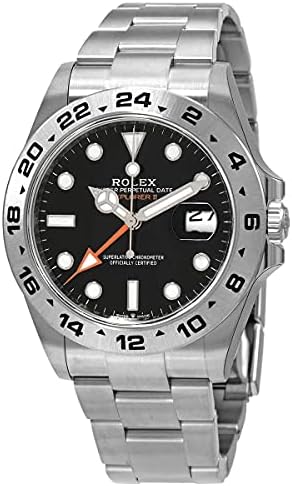
editor’s pick for luxury watches on amazon.com



Key Features of Luxury Watches
Luxury watches are distinguished by various features that not only enhance their aesthetic appeal but also their functionality and value. One of the primary elements is the materials used in their construction. High-end timepieces often incorporate premium materials such as 18K gold, stainless steel, ceramic, and even bespoke composites which contribute to both longevity and elegance. The choice of materials significantly influences the watch’s weight, durability, and overall impression on the wearer.
Another crucial aspect is the movement type, categorized primarily into three types: automatic, mechanical, and quartz. Automatic movements, also known as self-winding, are driven by the motion of the wearer’s wrist, showcasing the craftsmanship involved in luxury watchmaking. Mechanical movements, while requiring manual winding, demonstrate traditional horological expertise. Quartz movements, often regarded for their precision and reliability, have also found a place in luxury collections, combining technology with style.
Water resistance is another feature worth noting. Many luxury watches are designed to withstand significant depths, making them suitable for diving or swimming. This is often evaluated in atmospheres (ATM), with higher ratings indicating better resistance to water intrusion. Such capabilities not only complement an active lifestyle but also add to the watch’s allure.
Complications are intricate features that elevate a watch’s functionality and sophistication. Common complications include chronographs, which allow for detailed timing measurements, and tourbillons, designed to enhance accuracy by counteracting the effects of gravity. These elements signify superior engineering and further enhance the prestige associated with luxury watches. Overall, these distinctive features combine to create timepieces that are not merely instruments for telling time but are also celebrated as symbols of art, precision, and status.
Top Luxury Watch Brands
The realm of luxury watches is defined by a select group of prestigious brands that have made indelible marks on the watchmaking industry. Leading this elite circle is Rolex, synonymous with unparalleled precision and unmatched craftsmanship. Established in 1905, Rolex has garnered a reputation for its iconic designs, such as the Oyster Perpetual and the Submariner. The brand’s commitment to innovation is evident in its development of the waterproof wristwatch, revolutionizing how timepieces are perceived.
Another key player is Patek Philippe, revered for its intricate complications and artisanal watchmaking. Founded in 1839, this Swiss brand has earned a loyal following among collectors and enthusiasts alike. Patek Philippe’s timepieces, such as the Calatrava and Nautilus, are recognized for their elegance and exceptional craftsmanship, often regarded as some of the most desirable watches in the world.
Audemars Piguet is also noteworthy, particularly for its creation of the Royal Oak, which introduced the concept of luxury sports watches in the 1970s. This innovative design, characterized by its octagonal bezel and integrated bracelet, has solidified Audemars Piguet’s status as a trailblazer within the industry. The brand continues to push boundaries, marrying tradition with modernity in its exceptional collections.
Lastly, Omega stands out not only for its precision and reliability but also for its historical significance. Known as the official timekeeper of the Olympic Games, Omega has played a crucial role in advancements in chronometry. Iconic models like the Speedmaster, famously associated with space exploration, showcase the brand’s dedication to performance and pioneering spirit.
Choosing the Right Luxury Watch
Selecting the perfect luxury watch involves several important factors that cater to personal taste, practical needs, and financial investment. A critical first step is assessing wrist size, as comfort and fit can greatly influence the overall wearability of the watch. Watches typically come in various case sizes, and finding one that complements the proportion of your wrist is essential. For individuals with smaller wrists, a watch with a slim profile may be more suitable, whereas those with larger wrists can often wear more substantial timepieces.
Another significant consideration is your lifestyle. A luxury watch should harmonize with the day-to-day activities and occasions you regularly encounter. For instance, if your professional environment is predominantly formal, opting for a classic dress watch with a leather strap and minimalist design would be ideal. Conversely, if your lifestyle entails frequent outdoor activities or sports, selecting a robust watch with features such as water resistance and a durable strap might be more appropriate.
Furthermore, understanding the occasions for which you intend to wear the watch can guide your selection. Some luxury watches are designed to transition seamlessly from casual to formal events, while others may be more specialized. First-time buyers should also consider the brand’s reputation, the watch’s craftsmanship, and resale value, as these factors contribute to both the enjoyment of ownership and future investment potential.
It is prudent for first-time buyers to explore a variety of styles, familiarize themselves with watch terminology, and seek out reputable dealers when making their purchase. With careful consideration of wrist size, lifestyle, and intended occasions, your choice of a luxury watch will reflect your personal elegance and meet your needs.
Caring for Your Luxury Watch
Proper care and maintenance are essential for preserving the allure and functionality of luxury watches. Regular servicing is recommended, typically every three to five years, depending on the brand and model. This process involves a thorough inspection by a professional watchmaker, who will clean the movement, check for water resistance, and replace any worn parts. Adhering to this routine can significantly extend the lifespan of your timepiece, ensuring it remains in optimal condition.
Cleansing your luxury watch is a delicate yet crucial aspect of care. Use a soft, lint-free cloth to wipe the watch case and bracelet gently. For watches with a leather strap, avoid excess moisture, as it can damage the material. Occasionally, you may wish to clean the watch with slightly damp cloth while being cautious not to saturate the watch, especially if it is not designed for water exposure. Ensuring any dirt or debris is promptly removed can prevent long-term damage to both the exterior and the movement.
Storage is another critical factor in caring for your luxury watch. When not in use, store your watch in a dedicated watch box or a soft pouch to protect it from dust and scratches. If you own multiple watches, consider a watch winder for automatic models to keep them running smoothly when not worn. Additionally, it is wise to keep your timepiece out of direct sunlight for extended periods, as this can fade the dial and harm the strap material.
Finally, protecting your watch from potential damage during daily activities is vital. Avoid exposure to extreme temperatures, magnetic fields, and harsh chemicals that could adversely affect its performance. By following these essential care tips, you can ensure that your luxury watch retains its timeless elegance and functional accuracy for years to come.
The Investment Value of Luxury Watches
Luxury watches have increasingly become a compelling investment opportunity in recent years. Unlike other luxury items, certain models possess the inherent ability to appreciate over time, making them a viable asset for collectors and investors alike. This growth in market potential is often attributed to a combination of brand reputation, rarity, and desirability, all of which contribute to the overall value of a luxury timepiece.
The investment value of luxury watches can significantly vary based on several factors. First, the brand itself plays a crucial role; established names such as Rolex, Patek Philippe, and Audemars Piguet often lead the pack due to their storied histories and accolades. Additionally, limited editions or specific models produced in low quantities tend to yield higher appreciation rates, as their scarcity drives demand among collectors. Investing in such timepieces not only caters to aesthetic pleasure but can also result in a profitable return on investment.
Another significant aspect affecting value is the condition of the watch. A well-maintained luxury watch will generally command a higher price in the resale market than one that has experienced neglect or damage. Documentation, original boxes, and service records can further enhance a watch’s investment value. Moreover, market trends and economic conditions heavily influence the buying and selling landscape for luxury watches. Being aware of these fluctuations and the preferences of collectors can help potential investors make informed decisions.
The growing community of luxury watch enthusiasts has also played a role in transforming the market dynamics. Various online platforms and auctions have made it easier for buyers and sellers to connect, facilitating a robust marketplace for trading luxury timepieces. This accessibility has not only democratized luxury watch ownership but has also magnified the potential for appreciating value, making luxury watches an intriguing addition to any investment portfolio.
Trends in Men’s Luxury Watches
The luxury watch sector has been experiencing significant shifts in consumer preferences, driven by various trends that shape the market. One of the most noteworthy trends is the growing emphasis on sustainability within the industry. Luxury watch brands are increasingly prioritizing eco-friendly practices, such as sourcing sustainably produced materials and implementing ethical manufacturing processes. This trend is not merely a response to consumer demand but reflects a broader societal push towards environmental responsibility.
Alongside sustainability, technological advancements have heralded the rise of smartwatches, which have been competing with traditional luxury timepieces. While smartwatches offer functionalities that cater to a tech-savvy audience, many enthusiasts continue to gravitate towards classic styles. This inclination towards traditional luxury watches showcases the enduring appeal of craftsmanship and the artistry involved in creating a mechanical timepiece. Brands are now also exploring how to integrate modern technology into their designs without compromising on the elegant aesthetics that define luxury watches.
Another notable trend is the resurgence of vintage designs. Consumers are increasingly drawn to timepieces that evoke nostalgia and history. Vintage watches resonate with many as they embody craftsmanship and storytelling, contributing to their appeal. Brands are responding to this trend by reissuing popular historical models or releasing collections that pay homage to classic design elements while incorporating contemporary materials and innovations.
This evolving landscape illustrates how consumer preferences towards luxury watches are not stagnant; rather, they reflect a blend of respect for tradition, an open embrace of sustainability, and an appreciation for innovative technology. The interplay between these factors will undoubtedly shape the future of men’s luxury watches, making it a vibrant domain for both collectors and casual wearers alike.
Conclusion: The Lasting Appeal of Men’s Luxury Watches
Men’s luxury watches have long stood as a symbol of status, craftsmanship, and aesthetic appeal. Their allure is not merely confined to the immediate visual satisfaction they provide; rather, these timepieces embody a rich legacy that resonates through generations. Luxury watches carry a history of meticulous engineering, sophisticated design, and the artistry of skilled artisans. Each component, from the intricate movement to the polished case, represents a commitment to excellence that discerning buyers appreciate.
Over the years, the evolving tastes of men have seen luxury watches adapt to changing styles while retaining their timeless essence. What sets these accessories apart is their ability to seamlessly transition across various contexts, be it a business meeting or a formal evening event. A luxury watch serves as an extension of one’s personality, making a statement about one’s taste and character. As such, they represent an investment not only in quality but also in one’s personal brand.
Moreover, the emotional connection often associated with luxury watches cannot be overlooked. These timepieces frequently mark significant life events, becoming heirlooms passed down through families. A luxury watch may encapsulate a moment in time, embodying shared memories and aspirations, thereby transforming into a cherished legacy. The choice of a luxury watch ultimately transcends mere functionality; it is a narrative that intertwines with the life of its owner.
In conclusion, men’s luxury watches hold a timeless appeal that extends beyond trends and technological advancements. Their combination of craftsmanship, aesthetic value, and emotional significance underscores their enduring status in the realm of luxury accessories. Investing in a luxury watch is not just about acquiring a finely crafted item; it is about embracing a piece of history that encapsulates elegance, sophistication, and a personal legacy.