
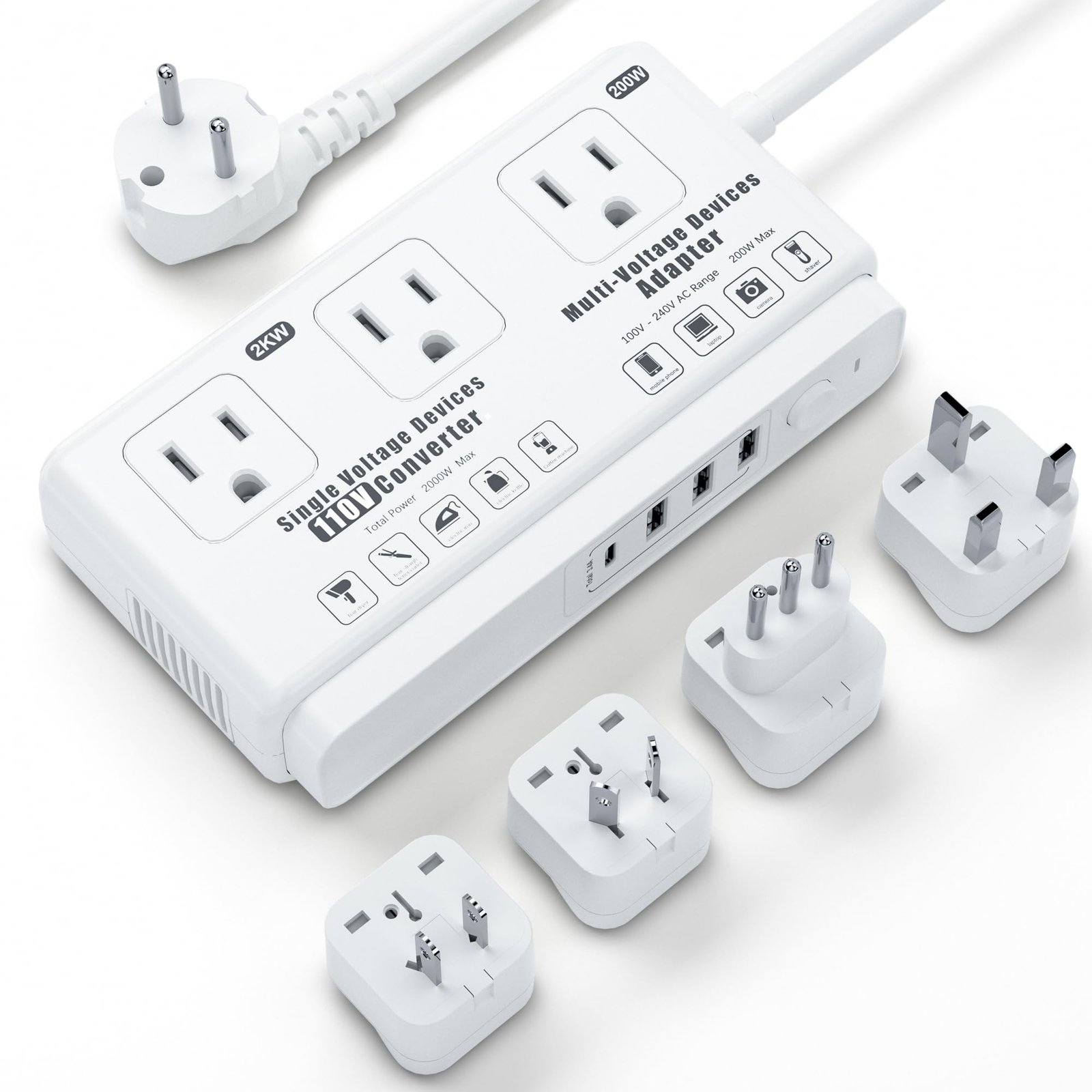
Travel Adapter vs Voltage Converter: What You Should Know Before You Travel
Traveling with electronics seems simple—until you reach a hotel room abroad and realize your plug does not fit or your device is drawing the wrong voltage. This is where many travelers get confused between a travel adapter and a voltage converter.
Although they are often mentioned together, these tools solve two completely different problems. Understanding the difference protects your electronics from overheating, permanent damage, or complete failure during travel.


What Is a Travel Adapter?
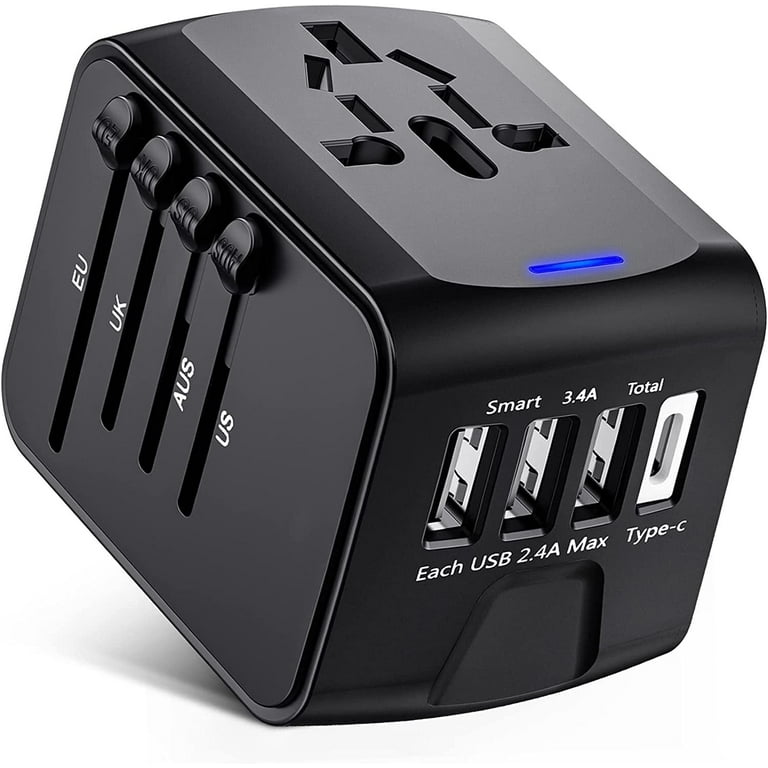
A travel adapter allows your device’s plug to physically fit into foreign wall outlets. Different countries use different outlet shapes, and an adapter simply bridges that shape difference.
What a travel adapter does:
- Changes plug shape
- Allows physical connection to outlets
- Supports international socket standards
What a travel adapter does NOT do:
- It does not change voltage
- It does not regulate power
- It does not protect single-voltage devices
If your device supports dual voltage (110–240V), a travel adapter is usually all you need.
What Is a Voltage Converter?
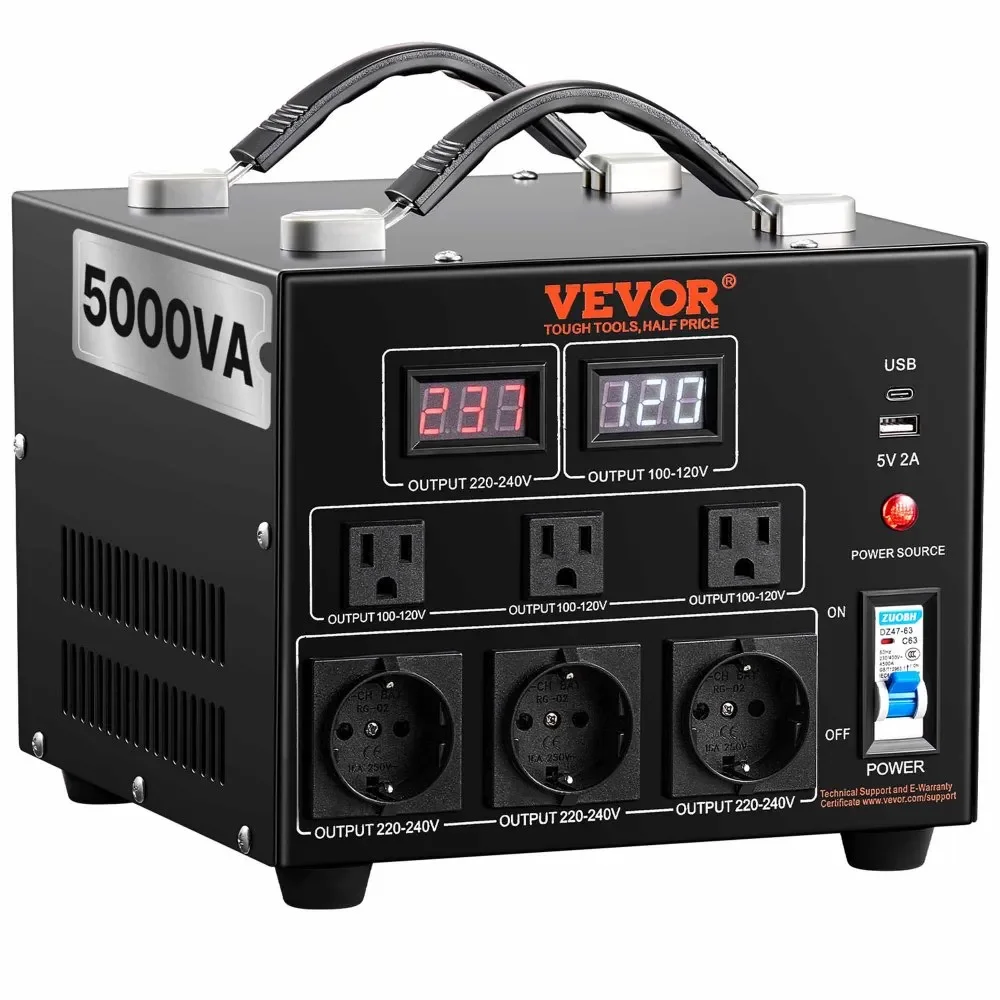
A voltage converter changes the electrical voltage itself—either stepping it up or down—so your device receives the correct power.
This is essential when:
- Your device supports only one voltage level
- You are traveling between 110–120V and 220–240V regions
Voltage converters protect appliances from overheating, internal damage, and electrical burnout.


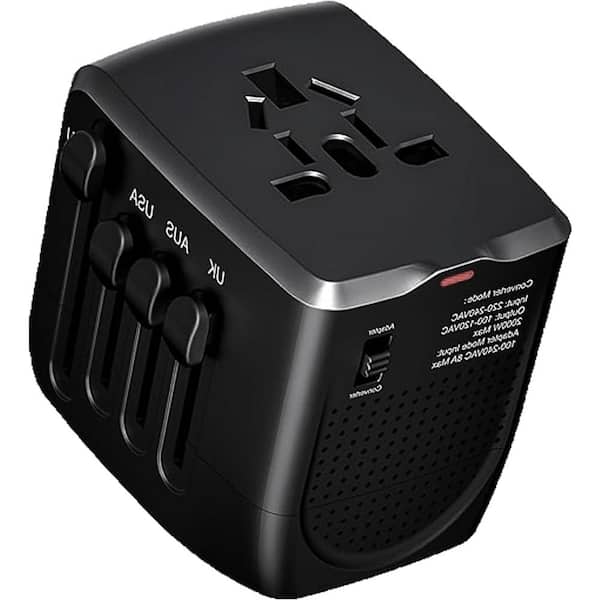
Common devices that often require voltage converters include:
- Hair dryers and straighteners
- Electric kettles
- Gaming consoles
- Kitchen appliances
- Single-voltage grooming tools
Why Voltage Matters When Traveling


Electrical standards vary worldwide:
- North America: 110–120V
- Most of Europe, Asia, Africa: 220–240V
Plugging a 110V device into a 220V outlet can destroy it in seconds.
Plugging a 220V device into a 110V outlet may prevent it from working at all.
Frequency also differs:
- Some regions use 50 Hz
- Others use 60 Hz
Most modern electronics handle both, but motors and heating elements can react differently—another reason proper equipment matters.
How to Choose Between a Travel Adapter and a Voltage Converter
Choosing correctly comes down to two checks: voltage and wattage.
Check Your Device’s Voltage Rating
Look at the label on your device or charger:
- 110–240V → Adapter only
- 110V or 120V only → Converter required
Never guess—always verify before plugging in.
Assess Device Wattage
High-watt devices demand more power:
- Hair dryers
- Irons
- Kettles
- Gaming consoles
Professional tip:
Choose a voltage converter rated 25–30% higher than your device’s wattage to handle startup surges safely.
Travel Adapter vs Voltage Converter (Quick Comparison)
🔹 Gutenberg Block: Table
| Feature | Travel Adapter | Voltage Converter |
|---|---|---|
| Changes Plug Shape | Yes | No |
| Changes Voltage | No | Yes |
| Device Protection | Limited | High |
| Size | Small & lightweight | Larger & heavier |
| Best For | Phones, laptops, cameras | Hair tools, appliances |
| Required for Single-Voltage Devices | No | Yes |
Pros and Cons of a Travel Adapter
Pros
- Compact and portable
- Easy to use
- Works worldwide with correct plug type
- Ideal for phones, tablets, laptops
Cons
- Does not change voltage
- Unsafe for single-voltage devices
- Offers no electrical protection
Adapters are perfect for lightweight travel when all your devices are dual voltage.
Pros and Cons of a Voltage Converter
Pros
- Safely changes voltage
- Protects single-voltage devices
- Essential for high-power appliances
- Prevents overheating and damage
Cons
- Larger and heavier
- Must match wattage requirements
- Not necessary for dual-voltage electronics
A high-quality converter is a must-have when traveling with powerful or single-voltage devices.
Safety Tips When Using Adapters and Converters


Avoid Outlet Overload
Using multiple devices at once can exceed limits. Always calculate total wattage and unplug when not in use.
Watch Frequency Differences
If a device becomes unusually hot or noisy, unplug it immediately. Motors and heaters are most sensitive.
Proper Handling and Storage
- Keep converters dry and well-ventilated
- Allow cooling before packing
- Avoid bending or stressing cables
Always Match the Numbers
Correct voltage + wattage + plug type prevents almost all travel-related electrical damage.
Frequently Asked Questions
Are universal travel adapters truly universal?
They work in many countries but do not change voltage. Device compatibility still matters.
Do dual-voltage devices need a converter?
No. They only need a plug adapter. Always confirm the label before use.
Are converters safe for high-watt devices?
Yes—if properly rated. Always choose a converter with higher watt capacity than your device.
Can I plug a power strip into a converter?
Yes, but only if total wattage stays below the converter’s limit. Overloading is dangerous.
Final Thoughts
Understanding the difference between a travel adapter and a voltage converter eliminates guesswork and protects your electronics while traveling. Adapters solve plug shape issues, while converters handle voltage safety.
With a small amount of preparation—and the right power equipment—you can travel confidently without risking your devices. Reliable, well-rated converters make all the difference when moving between countries with different electrical standards.
Travel smarter. Plug in safely. Stay powered wherever you go.