

AI Chips May Be Set to Explode by 2027:: Top 10 Manufacturers Shaping the Future


Introduction: Why AI Chips Are Becoming the New Oil
Artificial Intelligence (AI) chips are no longer a niche category within semiconductors—they are rapidly becoming the backbone of modern computing. From powering large language models (LLMs) and autonomous vehicles to enabling real-time medical diagnostics and financial risk modeling, AI chips determine how fast, efficient, and scalable AI systems can become.
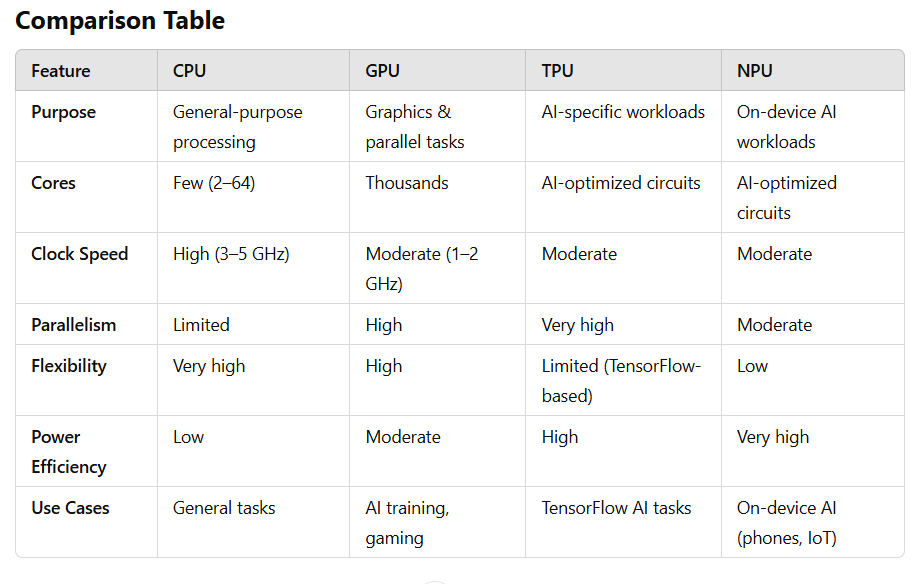
Unlike general-purpose CPUs, AI chips are purpose-built accelerators designed to handle parallel computation, matrix operations, and inference workloads at scale. As AI models grow exponentially in size and complexity, traditional hardware architectures simply cannot keep up.
According to McKinsey & Company, AI-driven workloads could account for over 70% of global data-center compute demand by 2027. This makes AI chips one of the most strategically important technologies of the decade.
Authoritative reference:
Understanding the Global AI Chip Market (2024–2027 Outlook)
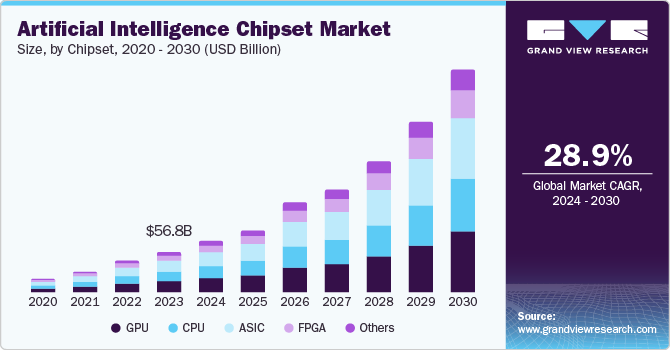


The AI chip market is transitioning from experimental adoption to mission-critical infrastructure. Enterprises now deploy AI at production scale, requiring massive computational throughput, ultra-low latency, and energy efficiency.
Market Size & Growth
- Estimated market value by 2027: $90–100 billion
- CAGR (2023–2027): ~38–42%
- Fastest-growing segments:
- Data-center accelerators
- Edge AI processors
- Automotive AI SoCs
Source:
Key Chip Categories
- GPUs – High parallel compute (training & inference)
- TPUs / NPUs – AI-specific accelerators
- FPGAs – Reconfigurable AI workloads
- ASICs – Custom AI silicon for hyperscalers
What Is Driving the Explosion of AI Chips?


1. Explosion of AI Models
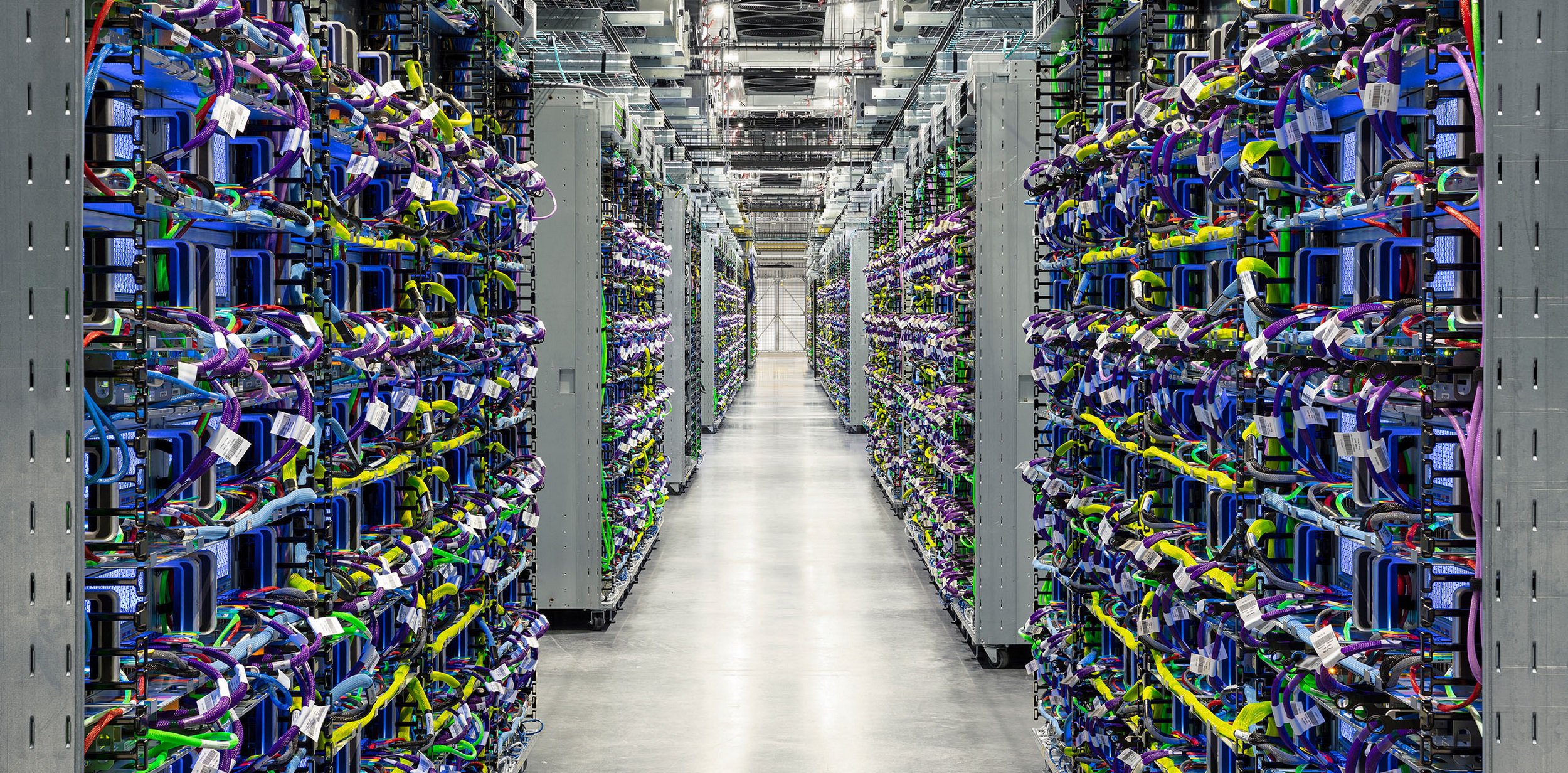
Large models like GPT-class architectures require thousands of GPUs running for weeks, pushing demand for faster, denser silicon.
2. Data Deluge
Global data creation exceeds 180 zettabytes annually, and AI chips are essential for processing this data in real time.
3. Edge & On-Device AI
Smartphones, cameras, routers, and IoT devices now perform AI inference locally, increasing demand for low-power AI chips.
4. Industry-Wide AI Adoption
- Healthcare: AI imaging & diagnostics
- Automotive: ADAS & autonomous driving
- Finance: Fraud detection & algorithmic trading
Reference:
How We Evaluated the Top AI Chip Manufacturers

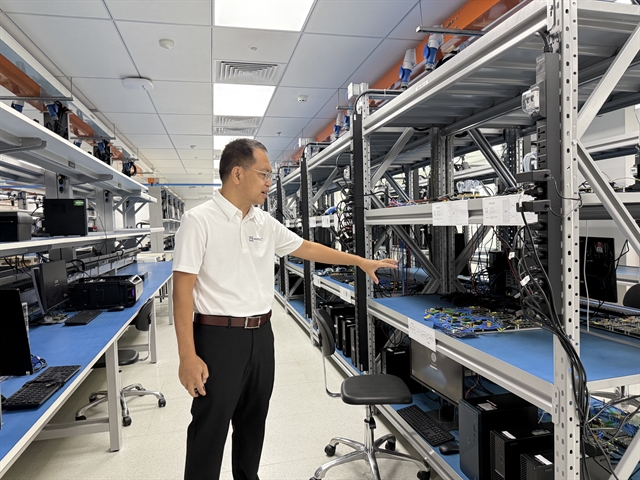

To identify the most influential AI chip manufacturers heading into 2027, we assessed companies across five strategic dimensions:
- Architectural Innovation & R&D Investment
- Market Share in AI Compute
- Financial Strength & Scalability
- Ecosystem Partnerships
- Real-World Deployment at Scale
Top 10 AI Chip Manufacturers to Watch Closely

1. NVIDIA
The undisputed leader in AI acceleration. NVIDIA’s GPUs power the majority of global AI training workloads.
- Flagship: H100 / B100 Tensor Core GPUs
- Strength: CUDA ecosystem dominance
- Customers: OpenAI, Microsoft, Amazon
🔗 https://www.nvidia.com/en-us/data-center/
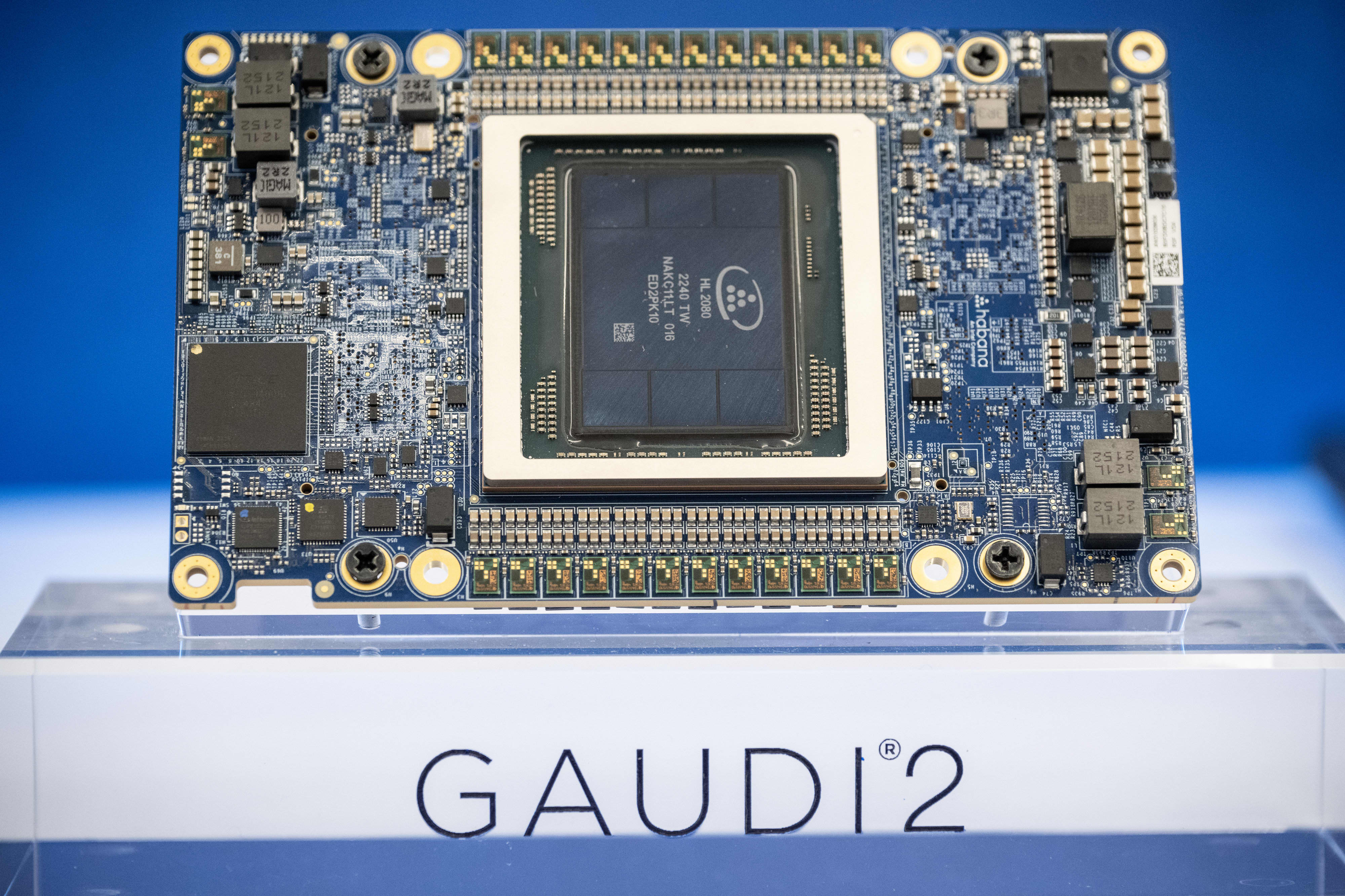
2. Intel
Intel is aggressively restructuring its AI strategy through Xeon, Gaudi accelerators, and foundry services.
- Focus: Enterprise AI & edge computing
- Advantage: Manufacturing scale
- Risk: Slower software ecosystem
🔗 https://www.intel.com/content/www/us/en/artificial-intelligence/overview.html
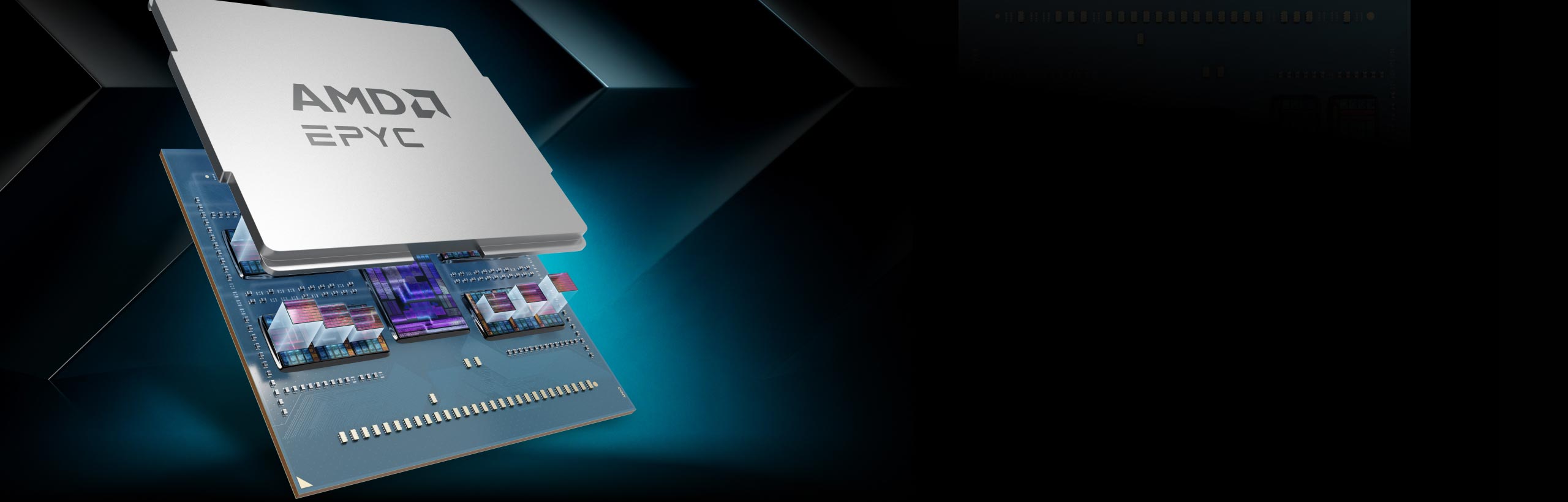
3. AMD
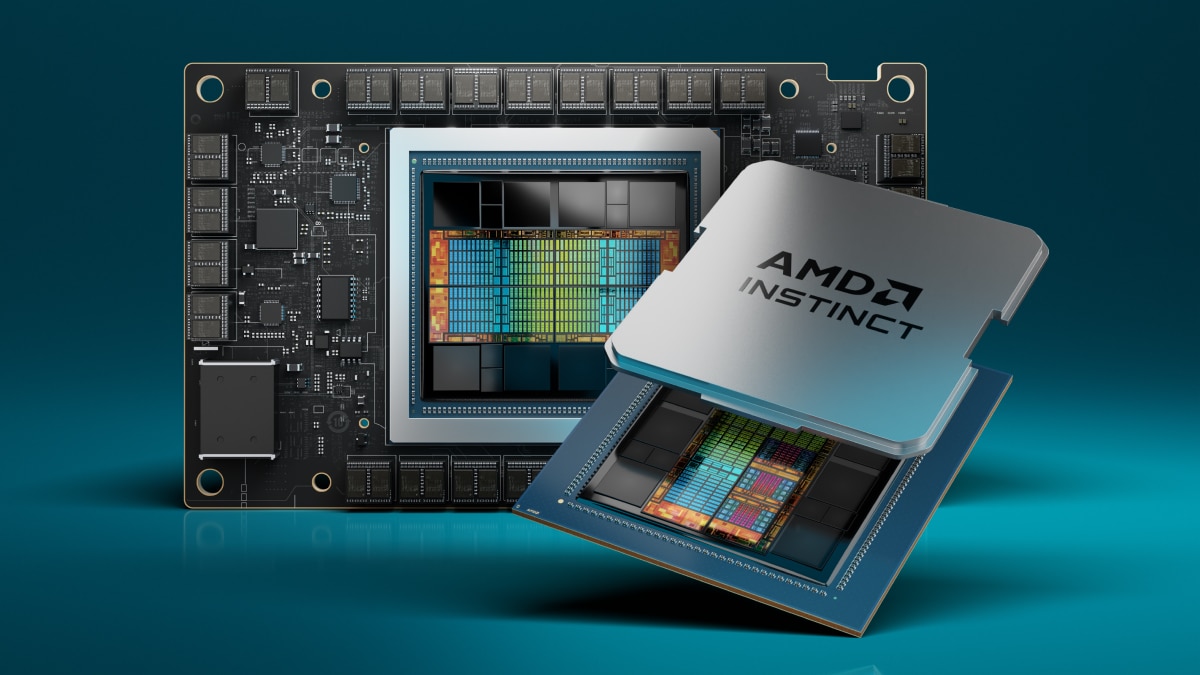
AMD is NVIDIA’s strongest challenger in data-center AI with its Instinct accelerator line.
- Flagship: MI300X
- Strength: Performance-per-dollar
- Growth driver: Cloud partnerships
🔗 https://www.amd.com/en/solutions/ai
4. Google
Google’s Tensor Processing Units (TPUs) are purpose-built for deep learning at hyperscale.
- Optimized for: Google Cloud AI
- Advantage: Vertical integration
- Limitation: Limited external availability
🔗 https://cloud.google.com/tpu
5. Apple
Apple’s Neural Engines redefine on-device AI efficiency.
- Flagship: M-series SoCs
- Strength: Power efficiency
- Strategy: Privacy-first AI
🔗 https://www.apple.com/silicon/
6. Qualcomm
Leader in mobile and edge AI chips.
- Flagship: Snapdragon AI Engine
- Markets: Smartphones, IoT, automotive
🔗 https://www.qualcomm.com/products/features/ai
7. IBM
IBM blends AI acceleration with hybrid cloud and quantum research.
- Focus: Enterprise AI & research
- Strength: Long-term innovation
🔗 https://www.ibm.com/artificial-intelligence
8. Micron Technology
AI workloads depend heavily on memory bandwidth—Micron is critical here.
- Products: HBM & DRAM for AI GPUs
- Role: Infrastructure backbone
🔗 https://www.micron.com/solutions/artificial-intelligence
9. Baidu
Baidu’s Kunlun AI chips power Chinese AI ecosystems.
- Focus: Autonomous driving & cloud AI
- Advantage: Domestic market scale
🔗 https://cloud.baidu.com/product/kunlun.html
10. Huawei
Despite sanctions, Huawei continues to innovate with Ascend AI chips.
- Focus: Enterprise & government AI
- Challenge: Supply chain restrictions
🔗 https://www.huawei.com/en/industry-insights/technology/ai
Key Risks Facing AI Chip Manufacturers


- Geopolitical restrictions (US–China chip controls)
- Manufacturing bottlenecks (advanced lithography access)
- Energy consumption concerns
- Talent shortages in chip design
Future AI Chip Trends Beyond 2027


- Neuromorphic chips (brain-inspired computing)
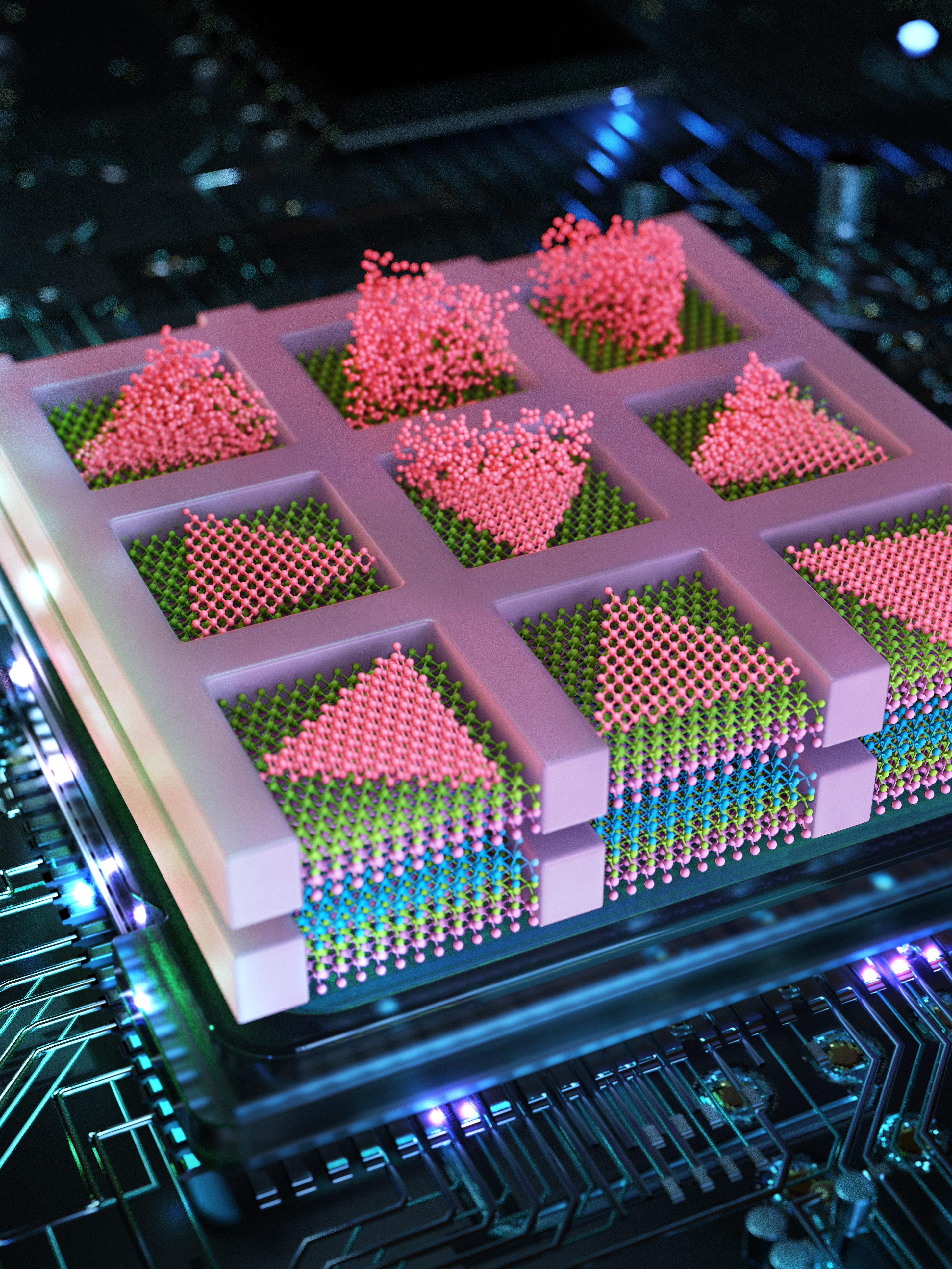
- 3D chip stacking & chiplets
- AI-specific sovereign silicon
- Ultra-low-power edge AI
Reference:
Final Thoughts: Why 2027 Is a Defining Year
AI chips are not just another semiconductor category—they are the engine of the AI economy. The companies listed above will define how intelligence is computed, deployed, and scaled worldwide.
For investors, enterprises, and technology leaders, tracking AI chip innovation is no longer optional—it is strategic.
The future of AI will not be decided by software alone, but by the silicon beneath it.