
The Real Reason Behind the Global Demand for Instant Coffee: Pros and Cons


Introduction to Instant Coffee
Instant coffee, a convenient preparation method that allows consumers to enjoy a cup of coffee quickly and effortlessly, has gained significant traction in recent years. Its origins can be traced back to the early 20th century, with the first patented instant coffee produced in the United States in 1901 by Satori Kato. The concept was further refined during World War II when the military issued instant coffee to soldiers, thereby introducing it to a larger audience. Since then, instant coffee has become a staple in many households across the globe.
The manufacturing process of instant coffee involves brewing regular coffee beans and then dehydrating the liquid to create a soluble powder or granules. This process can be executed through two primary methods: freeze-drying and spray-drying. Freeze-drying preserves the coffee’s flavor and aroma, making it a popular choice among premium brands, while spray-drying is more cost-effective and ensures a longer shelf life. As a result of these methods, instant coffee maintains its quality, allowing consumers to enjoy their favorite beverage at any time.
The global market for instant coffee has experienced remarkable growth, projected to reach over $40 billion by 2027. Factors contributing to this increase include a busy lifestyle that necessitates convenience and the rising trend of coffee consumption among younger generations. Additionally, advancements in technology have led to better quality instant coffee products, appealing to consumers who once viewed these beverages as inferior to brewed coffee. The demand for instant coffee continues to rise, underscoring its central place in the coffee consumption landscape today, where speed and convenience are paramount.
Convenience as a Key Factor
The modern world is characterized by fast-paced lifestyles, where individuals are consistently on the move and are often pressed for time. Instant coffee has emerged as a preferred option for those seeking a quick and easily accessible caffeine boost. One of the primary reasons users gravitate towards instant coffee is its unmatched convenience. Unlike traditional brewing methods, which may require numerous steps and equipment, instant coffee is designed for simplicity. Users can prepare it by merely adding hot water to the coffee granules, making it an enticing choice for people who value efficiency.
For busy professionals, time is of the essence. Instant coffee allows them to enjoy their favored beverage without sacrificing their valuable minutes. Whether in the office, on public transportation, or during breaks, the ability to prepare instant coffee swiftly makes it an ideal companion for working individuals. Similarly, students juggling lectures, assignments, and social activities find instant coffee to be a reliable solution. Just as they seek convenience in their academic lives, so do they want a hassle-free beverage that complements their dynamic schedules.
Additionally, travelers often appreciate the portability of instant coffee. It can easily fit into a backpack or luggage, allowing individuals to enjoy a familiar cup of coffee even in unfamiliar settings. This adaptability is especially beneficial during trips where coffeehouse visits may not be readily available. Convenience, therefore, is not simply about speed; it also encapsulates the flexibility and accessibility that instant coffee provides across various lifestyles and situations.
As instant coffee continues to gain popularity, it’s evident that its convenience resonates with a broad audience, integrating seamlessly into a lifestyle that values speed and efficiency while still offering the comfort of a warm beverage.
Affordability of Instant Coffee
The affordability of instant coffee is a significant factor that contributes to its global demand, particularly when compared to freshly brewed alternatives. With the price range of instant coffee generally lower than that of high-quality ground coffee, it serves as an economical choice for many consumers. Instant coffee typically comes in various packaging options, including single-serve packets and larger jars, allowing individuals to choose quantities that fit their budget. This flexibility makes instant coffee appealing, especially in regions where consumers are mindful of their spending.
For coffee lovers on a budget, the cost-effectiveness of instant coffee is particularly noteworthy. While a cup of specialty coffee from a café can cost several dollars, instant coffee provides a satisfying alternative for a fraction of that price. Many brands offer instant coffee solutions that deliver a satisfying taste experience without the premium pricing typically associated with brewed coffees. Therefore, those who might otherwise forego coffee due to cost can indulge more frequently when opting for instant varieties.
Moreover, economic factors play a crucial role in determining consumer preferences in diverse regions. In developing nations, where luxury items may not be as accessible, instant coffee offers a quick and affordable caffeine fix. Its shelf-stable nature further enhances its appeal, as it can be stored for extended periods, reducing the risk of spoilage compared to fresh coffee grounds. This aspect not only benefits the consumer but also supports retailers in reaching a broader audience without significant investment in infrastructure or specialty equipment.
As global awareness around affordability continues to grow, instant coffee is poised to remain a popular choice. Ensuring access across socioeconomic lines while appealing to both casual drinkers and dedicated aficionados solidifies its status in the coffee market.
Taste and Quality: Is It Compromised?
The perception of taste and quality in instant coffee remains a pivotal issue in the ongoing debate about its popularity. Traditionally, coffee connoisseurs have perceived instant coffee as inferior to freshly brewed options, such as ground coffee and espresso. The primary reason for this sentiment stems from the belief that the processes used to create instant coffee, including freeze-drying or spray-drying, can degrade the flavor profile, resulting in a brew that lacks depth and richness.
However, in recent years, advancements in technology have led to improvements in the taste and quality of instant coffee. Many brands now employ superior sourcing practices and innovative extraction techniques to better capture the aromatic compounds typically found in ground coffee. This has led to the emergence of what is often referred to as “premium” instant coffee, which aims to cater to both convenience and flavor appeal. Consumer feedback indicates that a growing segment of coffee drinkers appreciates these developments, as evidenced by market trends showing an increase in instant coffee sales, particularly among younger demographics seeking quick solutions without compromising entirely on taste.
While some aficionados may still insist that nothing can replicate the full-bodied experience provided by freshly brewed coffee, widespread consumption patterns suggest that a significant number of individuals prioritize convenience and speed over nuanced flavors. This is particularly evident during busy mornings or in settings where brewing resources are limited. Surveys indicate that many consumers are willing to overlook minor differences in taste when instant coffee presents a viable solution that fits their lifestyles.
In essence, while the debate regarding the taste and quality of instant coffee against traditional brewing methods continues, the landscape is evolving. As innovation persists within the instant coffee sector, the gap in perceived quality is gradually narrowing, allowing for a more significant acceptance within diverse consumer groups.
Health Considerations: Pros and Cons
When examining the health implications of instant coffee, it is crucial to explore both its potential benefits and drawbacks. One of the primary advantages of instant coffee is its rich antioxidant content. Antioxidants play a vital role in combatting oxidative stress within the body, which can contribute to various health issues. In this regard, instant coffee can be viewed as beneficial, providing a convenient source of these protective compounds that may support overall health.
Moreover, instant coffee typically contains lower caffeine levels when compared to regular brewed coffee. For individuals who are sensitive to caffeine or are seeking to reduce their caffeine intake, instant coffee can serve as a suitable alternative. This lower caffeine content may alleviate side effects such as jitteriness and disrupted sleep patterns, allowing consumers to enjoy their beverage without the associated concerns of higher caffeine consumption. Additionally, studies suggest that moderate coffee consumption can be linked to reduced risks of certain diseases, including type 2 diabetes and liver conditions, which further underscores the potential health benefits.
However, it is essential to consider the possible drawbacks associated with instant coffee as well. Many commercial instant coffee brands contain additives and preservatives that may not be ideal for health-conscious consumers. Some instant coffee products are sweetened or flavored artificially, which can contribute to excessive sugar consumption. Furthermore, certain individuals with specific health conditions may need to approach caffeine intake with caution, as it can exacerbate symptoms of anxiety or heart conditions.
In summary, while instant coffee offers several health benefits, including antioxidant properties and lower caffeine levels, potential risks such as added ingredients and health considerations should not be overlooked. A balanced perspective is important, encouraging consumers to evaluate their individual health needs and preferences when incorporating instant coffee into their diet.
Environmental Impact of Instant Coffee Production
The environmental footprint of instant coffee production is a multifaceted issue that warrants careful examination when compared to traditional coffee brewing methods. One of the primary factors influencing the environmental impact of instant coffee is the sourcing of raw materials. Instant coffee is typically made using arabica or robusta beans, which are often grown in regions susceptible to deforestation and habitat loss. Sustainable sourcing practices, such as shade-grown coffee, can mitigate these impacts; however, the rise in global demand for instant coffee often outweighs these sustainable methods, leading to significant ecological repercussions.
Packaging also plays a crucial role in assessing the environmental impact of instant coffee production. Unlike traditional coffee, which may utilize recyclable or compostable packaging, instant coffee frequently comes in single-use plastic or foil pouches. These materials contribute to waste and pollution, as they are not always readily recyclable. Consumer demand for convenience often drives this packaging choice, raising questions about sustainability. Some brands are beginning to adopt more sustainable packaging solutions, but the transition across the industry is gradual and often hindered by cost considerations.
Furthermore, the energy consumption involved in the production processes of instant coffee is substantial. The conversion of raw coffee beans to instant coffee requires a series of energy-intensive steps, including brewing, dehydrating, and grinding. While traditional coffee preparation methods can also tap into significant energy resources, instant coffee processes consolidate these in an industrial setting, heightening their overall energy usage per serving. In response to these challenges, several companies are taking initiatives to reduce their carbon footprint, investing in renewable energy sources, and adopting eco-friendly practices.
Ultimately, as consumer awareness around sustainability grows, brands are increasingly held accountable for their environmental impact. The integration of more eco-conscious practices across the production chain could help alleviate some negative effects associated with instant coffee manufacturing, encouraging a shift towards more sustainable consumption while balancing convenience with environmental responsibility.
Cultural Perception of Instant Coffee Worldwide
Instant coffee has emerged as a popular beverage across numerous cultures, adapting to local tastes and customs while maintaining its global presence. The cultural significance of instant coffee varies significantly among different regions, reflecting distinct consumption patterns and preferences. In Western countries, instant coffee often serves as a quick convenience, catering to busy lifestyles. For many, it symbolizes efficiency and simplicity, allowing individuals to enjoy coffee without the complexities associated with brewing methods. This perception is reinforced by the marketing of instant coffee brands that target time-poor consumers seeking an easy solution for their caffeine needs.
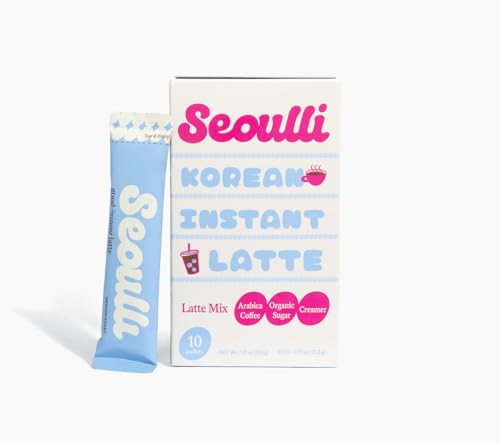
In contrast, in countries such as Japan and South Korea, instant coffee has been embraced not only for its practicality but also for its integration into daily life. In these regions, instant coffee products are often custom-flavored and packaged thoughtfully, appealing to younger consumers who appreciate innovation and convenience. Furthermore, the instant coffee market has seen a surge in unique offerings, such as canned coffee, which has become a cultural staple in urban settings, showcasing the beverage’s adaptability to modern consumption trends.
Conversely, in nations like Italy and France, where coffee culture is deeply rooted in traditions, instant coffee faces challenges in gaining widespread acceptance. In these countries, the art of brewing coffee is celebrated, emphasizing the sensory aspects of espresso and the social rituals tied to coffee consumption. Instant coffee, in this context, may sometimes be viewed as inferior compared to freshly brewed alternatives. However, a growing global demographic, especially younger consumers, is beginning to embrace instant coffee for its accessibility and quality improvements made by manufacturers.
This varied perception of instant coffee underscores how cultural nuances shape coffee consumption around the world. By understanding these differences, we gain insights into instant coffee’s appeal across diverse societies and its journey from a mere convenience to a favored choice reflecting local customs and lifestyle preferences.
Niche Markets and Innovations in Instant Coffee
The instant coffee industry has evolved significantly over recent years, resulting in the emergence of various niche markets that cater to diverse consumer preferences. One notable segment is gourmet instant coffee. Gone are the days when instant coffee was synonymous with mediocre taste. Today, many brands are focusing on high-quality, single-origin beans that provide an exceptional flavor profile, rivaling that of freshly brewed coffee. These gourmet options appeal to coffee aficionados who seek convenience without sacrificing quality.
Another growing niche within the instant coffee market is flavored instant coffee. Consumers are increasingly drawn to a variety of flavor profiles, from traditional options like vanilla and hazelnut to more unconventional choices such as coconut and mocha. This shift reflects a broader trend in the beverage industry towards personalization and unique taste experiences. Flavored instant coffees often come with added benefits such as enhanced energy or functional ingredients aimed at improving health and wellness, appealing to the modern consumer’s desire for both taste and benefits.
Recent innovations in packaging and brewing methods are further transforming the instant coffee landscape. For instance, brands are now utilizing technology that allows for better preservation of freshness, ensuring that consumers receive a quality product. Additionally, advancements in packaging, such as single-serve pouches and eco-friendly materials, cater to the on-the-go lifestyle of today’s consumers. These innovations not only enhance convenience but also align with sustainability trends, which are increasingly important in consumer decision-making.
As the instant coffee market continues to grow, these niche markets and innovative approaches play a crucial role in attracting a broader audience. They not only accommodate contemporary consumer demands but also reflect the evolving tastes and preferences in the coffee-drinking experience. In essence, the instant coffee sector is adapting to the changing landscape, ensuring that it remains relevant and appealing to a diverse range of consumers.
Conclusion: The Future of Instant Coffee
As we reflect on the global demand for instant coffee, it becomes evident that both consumer preferences and industry dynamics are evolving. Instant coffee has transcended its image as a mere convenience product, gaining recognition for its ability to meet diverse consumer needs—from time constraints to changing coffee consumption habits. With busy lifestyles becoming increasingly prevalent, the appeal of instant coffee’s quick preparation remains strong, making it a staple for many individuals worldwide.
Moreover, advancements in technology are significantly enhancing the quality of instant coffee. Innovative production methods, such as freeze-drying and micro-grinding, have contributed to a more flavorful and aromatic product that appeals to discerning coffee enthusiasts. This transformation addresses the longstanding perception that instant coffee is inferior to brewed options, allowing it to capture an enlarged market segment that values both convenience and quality.
Current trends indicate a growing interest in sustainable and ethically sourced products, which has prompted instant coffee brands to adapt their sourcing strategies. This shift presents an opportunity for companies to resonate with environmentally conscious consumers, fostering a more positive image within the market. Additionally, the rise of specialty instant coffee blends offers consumers a chance to experience unique flavors and aromas, further enhancing the versatility of instant coffee.
Despite these opportunities, challenges such as maintaining consistent quality and navigating market saturation persist. The global instant coffee market may face competition from emerging coffee formats, which could impact growth. However, with an increasing inclination towards convenience across various demographics, instant coffee is likely to maintain its relevance in a rapidly changing marketplace. Consumers are encouraged to rethink their perceptions of instant coffee, considering its potential to deliver quality experiences in a convenient package.