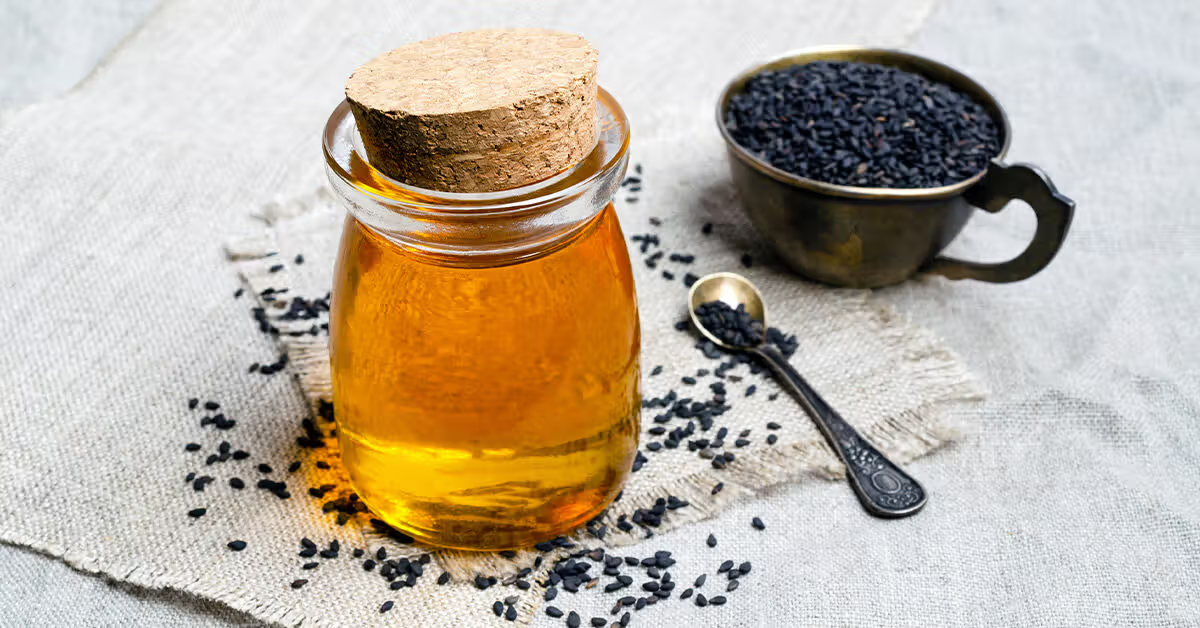
The Wonders of Black Seed Oil (Habbatus Sauda) in Islamic Tradition

The Wonders of Black Seed Oil (Habbatus Sauda) in Islamic Tradition

The Wonders of Black Seed Oil (Habbatus Sauda) in Islamic Tradition
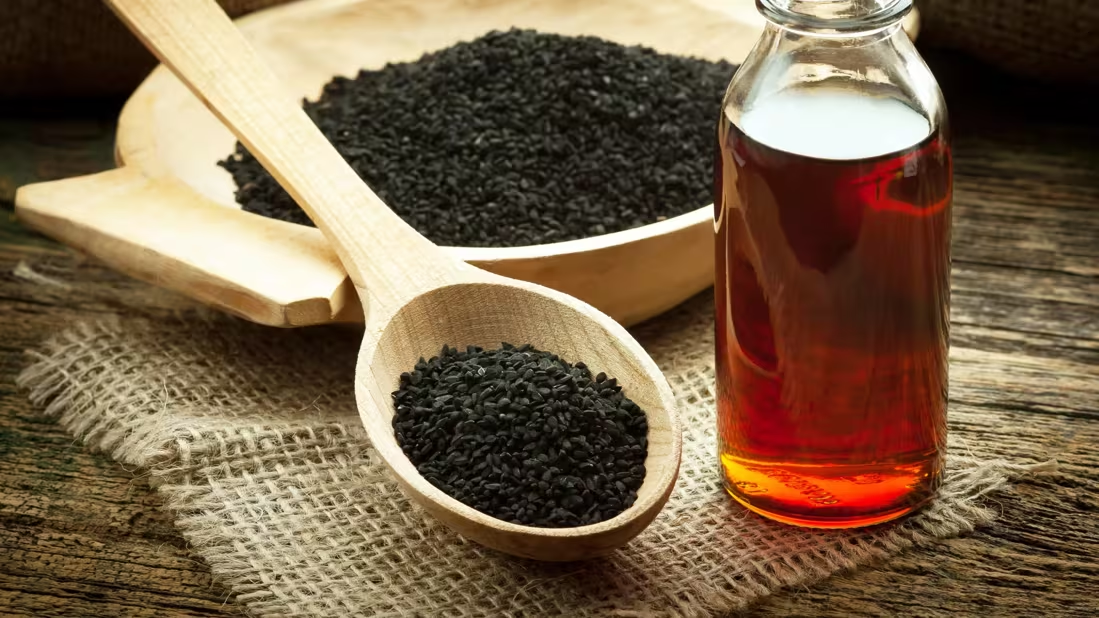
Black seed oil, derived from the Nigella sativa plant, is a natural remedy with a rich history and growing global recognition.
Ancient Origins
With a history spanning thousands of years, black seed oil’s healing properties were recognized by ancient civilizations, dating back to antiquity.
Cultural Significance
Known as Habbatus Sauda in Arabic, it holds deep spiritual and traditional value, particularly within Islamic heritage and prophetic medicine.
Modern Recognition
Today, black seed oil garners considerable attention across various cultures for its potential health benefits, integrating into contemporary wellness practices.
A Legacy Spanning Millennia
Introduction to Black Seed Oil
Ancient Origins
Derived from the Nigella sativa plant, black seed oil (Habbatus Sauda) boasts a history spanning thousands of years, originating in the Middle East and revered by ancient Egyptian and Greek civilizations.
Islamic Tradition
Holding significant spiritual and traditional value, it’s notably mentioned in the Hadith as a “cure for every disease except death,” establishing its importance in Islamic prophetic medicine.
Diverse Traditional Uses
Beyond a dietary supplement and remedy, it has been traditionally used in skincare, culinary applications, and as a natural preservative across various cultures.
Modern Scientific Research
Contemporary studies investigate its rich composition, particularly thymoquinone, for potential anti-inflammatory, antioxidant, and immune-boosting properties, bridging ancient wisdom with modern wellness.
Nutritional Composition of Black Seed Oil
Essential Fatty Acids
  • Predominantly Linoleic Acid (Omega-6) and Oleic Acid (Omega-9).
  • Vital for cellular structure and function.
  • Supports heart health and helps reduce inflammation.
Vitamins & Minerals
  • Rich in Vitamin E, a potent antioxidant combating oxidative stress.
  • Contains Vitamin A and B vitamins (Niacin, Thiamine).
  • Contributes to skin health, metabolism, and energy production.
Antioxidants & Phytochemicals
  • Key antioxidant: Thymoquinone, known for anti-inflammatory and anti-cancer effects.
  • Includes Carvacrol and Beta-sitosterol.
  • Enhances immune function and cardiovascular health.
In summary, black seed oil’s rich blend of essential fatty acids, vitamins, and powerful antioxidants positions it as a significant nutrient powerhouse, merging traditional wisdom with modern wellness pursuits for a wide array of health benefits.
Health Benefits According to Islamic Teachings
“In the black seed, there is healing for every disease except death”
— Prophet Muhammad (peace be upon him)
Black seed oil, derived from the seeds of Nigella sativa, holds a prominent place in Islamic tradition, recognized for its numerous health benefits. This oil, often referred to as Habbatus Sauda, is frequently mentioned in various Hadiths attributed to the Prophet Muhammad (peace be upon him), who emphasized its healing properties. One well-known narration states, “In the black seed, there is healing for every disease except death,” underscoring its significant role in promoting wellness.
Religious Duty
In Islam, maintaining good health is not merely a physical endeavor; it is seen as a religious duty. Consequently, many Muslims incorporate black seed oil into their daily routines, believing it can enhance the body’s natural defenses.
Natural Properties
The oil is reputed to possess antioxidant, anti-inflammatory, and antimicrobial properties, which are believed to contribute to overall well-being. These benefits are not just limited to disease treatment but extend to prevention, making it an integral part of health maintenance.
Holistic Approach
The Quran also alludes to herbal remedies, reinforcing the holistic approach to health found in Islamic teachings. While explicit mentions of Habbatus Sauda are absent from the Quran, the emphasis on seeking beneficial substances for healing resonates with the use of black seed oil among practitioners.
Scholars and health enthusiasts alike often reference ancient texts and modern studies to support claims regarding its efficacy, focusing on conditions such as asthma, allergies, and even skin ailments.
The revered status of black seed oil in Islamic culture extends beyond mere tradition; it is a practical application of faith in health management. As more individuals turn towards natural remedies aligned with their beliefs, the significance of black seed oil continues to grow, further intertwining religious practice with health consciousness in contemporary society.
Scientific Research and Evidence
Recent scientific studies have increasingly turned their attention to black seed oil, also known as Habbatus Sauda, shedding light on its various medicinal properties. This natural oil, derived from the seeds of the Nigella sativa plant, has been used for centuries in traditional Islamic medicine. Today, modern research is validating many of these historical claims, particularly regarding its anti-inflammatory, antioxidant, and antimicrobial activities.
Anti-Inflammatory Effects
A pivotal study published in the journal Phytotherapy Research investigated the anti-inflammatory effects of black seed oil. Researchers found that thymoquinone, one of its primary active compounds, significantly reduced inflammation markers in human subjects. This aligns with traditional uses of Habbatus Sauda for treating conditions like arthritis and asthma. By alleviating inflammation, black seed oil may provide a complementary approach to managing chronic diseases linked with inflammatory responses.
Antioxidant Properties
In addition to its anti-inflammatory benefits, black seed oil has also been recognized for its potent antioxidant properties. A systematic review in Journal of Agricultural and Food Chemistry outlined how this oil combats oxidative stress, which is a precursor to numerous health issues, including heart disease and cancer. The oil’s capacity to neutralize free radicals contributes to its therapeutic potential, supporting the immune system and promoting overall health.
Antimicrobial Effects
Furthermore, several studies have highlighted black seed oil’s antimicrobial effects, showcasing its efficacy against a range of pathogens. Research published in Frontiers in Microbiology demonstrated that Habbatus Sauda exhibited antibacterial activity against strains of bacteria resistant to conventional antibiotics. This property makes black seed oil a promising candidate in the quest for alternative treatments in an era of rising antibiotic resistance.
In conclusion, the evidence gathered from scientific research underscores the multifaceted benefits of black seed oil. Its endorsement by contemporary studies enhances our understanding of its traditional uses and positions it as a valuable natural remedy in modern health practices.
How to Use Black Seed Oil
Integrating black seed oil (Habbatus Sauda) into your daily routine can be both beneficial and straightforward. It is essential to explore various methods of consumption, recommended dosages, and applications to maximize its advantages effectively. Black seed oil can be consumed in several ways, including oral ingestion, culinary use, and topical application.
Oral Consumption
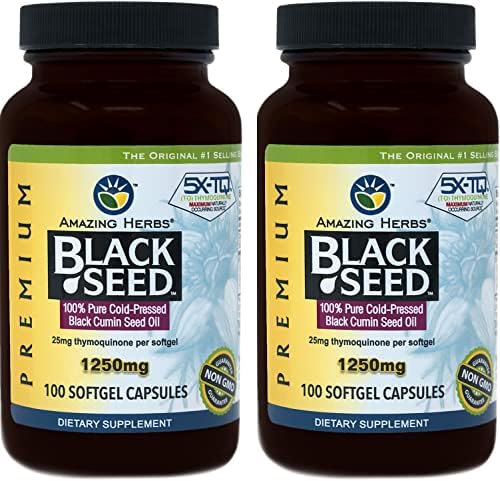
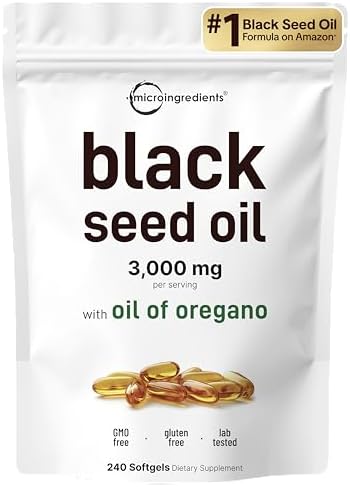
For oral consumption, a common recommendation is to take one to two teaspoons of black seed oil daily. This oil can be taken alone or mixed into beverages such as honey, yogurt, or smoothies to enhance flavor. For those who prefer capsules, black seed oil supplements are available, and it is advisable to follow the dosage instructions on the packaging. Individuals should consult with a healthcare professional before starting any new supplement regimen to ascertain its suitability for their specific health needs.
Culinary Applications
In culinary applications, black seed oil can be used as a dressing for salads, drizzled over cooked vegetables, or incorporated into marinades. It is important to note that while black seed oil has a robust flavor, it is not recommended for high-heat cooking, as this may diminish its beneficial properties. Instead, incorporating it into cold dishes or adding it at the end of cooking will help retain its nutritional value.
Topical Application
Topically, black seed oil can be applied directly to the skin for various concerns such as dryness, eczema, and acne. It is advisable to perform a patch test prior to full application to avoid potential allergic reactions. Diluting the oil with a carrier oil, such as coconut or olive oil, may also improve absorbency and reduce irritation. When used consistently, black seed oil can serve as an effective part of your wellness routine.
Black Seed Oil in Islamic Medicine
Black seed oil, derived from the Nigella sativa plant, holds a significant and revered place in Islamic medicine. Utilized for centuries, its therapeutic properties are deeply rooted in traditional healing practices and religious texts, bridging ancient wisdom with contemporary health perspectives.
Prophetic Tradition
The Hadith states, In the black seed, there is healing for every disease,” underscoring its vast healing potential and spiritual significance.
Pioneering Scholars
Islamic medical figures like Ibn Sina (Avicenna) and Al-Razi (Rhazes) extensively documented its benefits, incorporating it into their practices.
Diverse Applications
Traditionally used for a wide range of ailments, from respiratory issues to digestive problems.
Holistic Philosophy
Its use reflects the Islamic medical emphasis on balancing physical, psychological, and spiritual well-being.
Modern Revival
Continues to gain recognition among wellness enthusiasts, integrating ancient remedies with modern understanding.
Potential Side Effects and Precautions
Mild gastrointestinal discomfort, including nausea, vomiting, or diarrhea, may occur, especially with high doses. These are generally rare and can be mitigated by reducing the dosage.
Allergic reactions, though uncommon, can occur. A patch test is recommended before widespread application.

Important: Certain individuals may face contraindications when using black seed oil. For instance, people with specific allergies, particularly to plants in the Ranunculaceae family, should exercise caution. Additionally, those who are planning to undergo surgery or are already under medical treatment should consult healthcare professionals to avoid potential interactions.
Special Populations
  • Diabetic patients: May affect blood sugar levels; monitoring glucose is advisable.
  • Pregnant and breastfeeding women: Approach with caution due to lack of conclusive safety evidence. Consult a healthcare provider before use.
Dosage Considerations
  • High doses can lead to toxic effects (liver damage, kidney complications). Adhere strictly to recommended dosages.
  • Purchase from reputable sources to ensure quality and safety.
Where to Buy Quality Black Seed Oil
When seeking to purchase high-quality black seed oil, commonly known as Habbatus Sauda, it is essential to consider several factors that ensure the oil’s purity and efficacy. Cold-pressed black seed oil is preferable, as this method preserves the oil’s beneficial properties and nutrients.
Look for Certifications
Seek seals from organizations like USDA Organic or European Union Organic to ensure pesticide-free cultivation. Halal certifications are beneficial for compliance with Islamic dietary laws.
Choose Reputable Retailers
Buy from well-established online brands with positive reviews or health food stores and specialty shops where staff can offer quality insights.
Avoid Low-Quality Products
Ensure the oil is 100% pure without fillers. Check for dark glass packaging to protect against light and oxidation, preserving oil quality.
Embracing Black Seed Oil in Modern Life
Black seed oil, derived from the seeds of the Nigella sativa plant, has garnered immense recognition for its myriad health benefits as reflected in Islamic tradition. Its historical significance dates back over a millennium, where it was heralded for its therapeutic properties and utilized by renowned figures in medicine and spirituality. The prophetic sayings that extol black seed oil are not merely anecdotal but have spawned a substantial body of research that reinforces its applicability in contemporary health practices.
As we delve deeper into the modern narrative surrounding black seed oil, it becomes clear that its uses are not confined to traditional texts. Today, black seed oil is embraced in various forms such as dietary supplements, skincare products, and culinary enhancements. Its anti-inflammatory, antioxidant, and antibacterial properties resonate with current health trends emphasizing natural remedies. By incorporating black seed oil into daily routines, individuals can experience not only its physical benefits but also an enriched connection to Islamic heritage.
Embracing black seed oil can serve as a bridge between appreciating our cultural roots and pursuing optimal health in the modern era. Whether consumed as oil, capsules, or added to meals, its versatility makes it accessible to a wide range of dietary preferences. As we celebrate the longstanding legacy and benefits of this extraordinary oil, we find an opportunity for personal growth and cultural appreciation.
In conclusion, integrating black seed oil into one’s health regimen is more than a mere health choice; it is a reflection of the timeless wisdom passed down through generations. By valuing and utilizing this natural remedy, we honor not only our health but also the rich traditions that have shaped our understanding of wellness.
Made with

Similar Posts

Leave a Reply

Your email address will not be published. Required fields are marked *