Sustainable Gardening: Eco-Friendly Products and Practices for 2026
Sustainable gardening has become more than just a trend; it’s a necessity for eco-conscious gardeners looking to minimize their environmental impact. As we step into 2026, the demand for eco-friendly products and practices continues to grow, reflecting a shift in consumer preferences toward sustainability. From recycled materials to water-efficient irrigation systems, gardeners are increasingly making choices that benefit both their gardens and the planet. In this article, we’ll explore the essential criteria for selecting sustainable gardening products, current market trends, what to look for when shopping, and common mistakes to avoid.
Buying Criteria for Sustainable Gardening Products
When choosing sustainable gardening products, consider the following criteria to ensure you are making environmentally friendly choices:
- Materials: Look for products made from recycled, biodegradable, or sustainably sourced materials. This reduces waste and minimizes the carbon footprint associated with production.
- Energy Efficiency: Opt for tools and equipment that are energy-efficient, such as solar-powered garden lights or battery-operated tools that reduce reliance on fossil fuels.
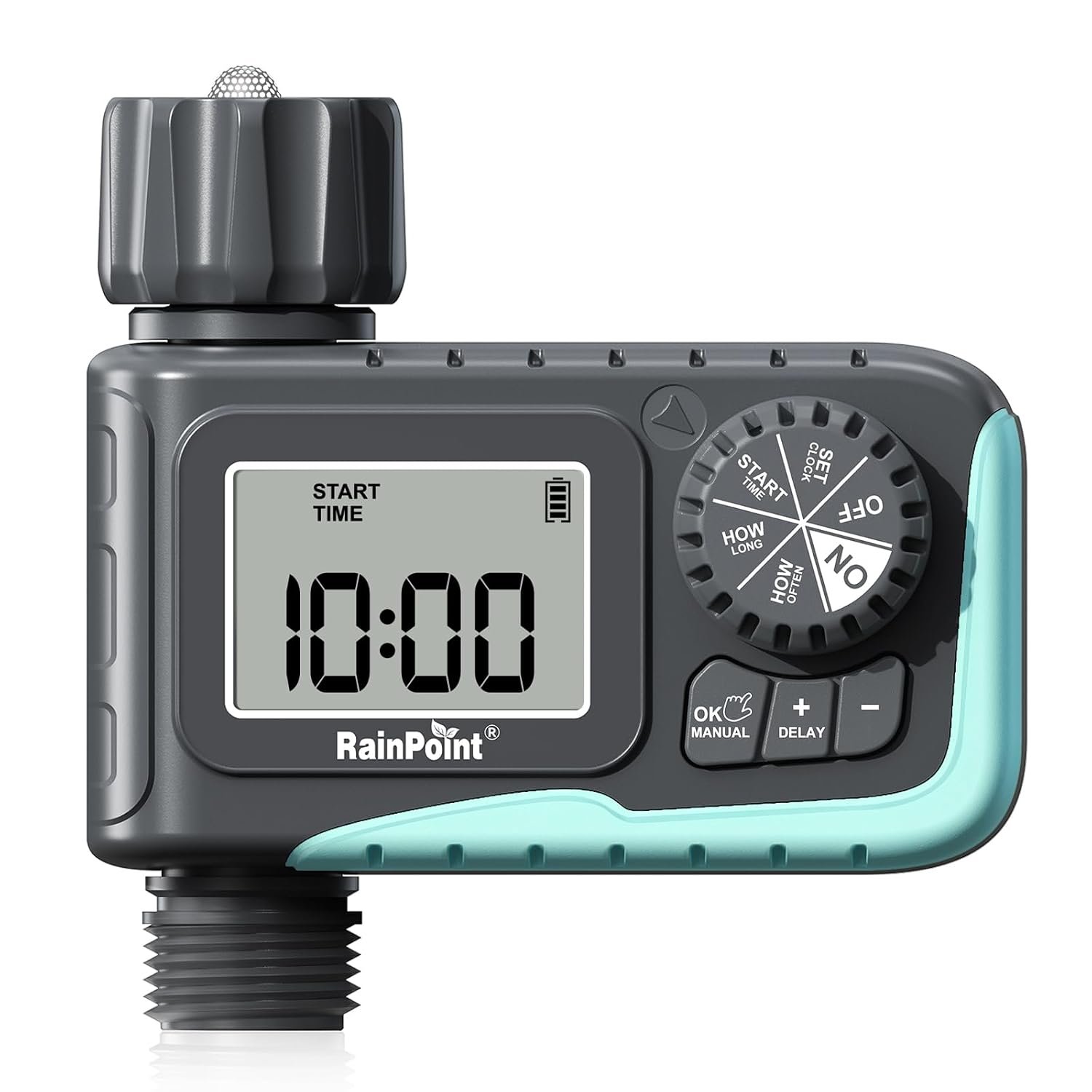
- Water Efficiency: Products designed to conserve water, like drip irrigation systems or rainwater collection barrels, are essential for sustainable gardening. They help manage water usage effectively.
- Durability: Choose high-quality products that are built to last. Investing in durable items reduces the need for frequent replacements, which can lead to more waste.
Current Trends in Sustainable Gardening for 2026
The gardening landscape is evolving, with several key trends shaping sustainable practices this year:
- Native Plant Gardening: More gardeners are turning to native plants that require less water and maintenance, promoting biodiversity and supporting local ecosystems.
- Organic Gardening: The shift towards organic gardening continues to grow, with an emphasis on natural fertilizers and pest control methods that avoid synthetic chemicals.
- Vertical Gardening: As urban spaces become more crowded, vertical gardening is gaining popularity. It maximizes space and can be done using recycled materials, making it both practical and sustainable.
- Community Gardening: There’s a rising trend in community gardens, where individuals come together to cultivate shared green spaces, fostering community spirit and encouraging sustainable practices.
What to Look For in Eco-Friendly Gardening Products
When shopping for sustainable gardening supplies, keep an eye out for these features:
- Certifications: Look for eco-labels or certifications that indicate a product meets specific environmental standards, such as organic certifications or energy efficiency ratings.
- Multi-functionality: Products that serve multiple purposes can reduce the need for additional tools, saving resources and space in your garden shed.
- Local Sourcing: Supporting local businesses and products can have a lower environmental impact due to reduced transportation emissions.
- User Reviews: Check customer reviews and ratings to ensure the product is not only sustainable but also effective and reliable.
Common Mistakes to Avoid in Sustainable Gardening
Even the most dedicated gardeners can make mistakes when trying to be more sustainable. Here are some pitfalls to avoid:
- Ignoring Soil Health: Focusing solely on products without considering soil health can lead to poor plant growth. Invest in organic soil amendments to support a healthy ecosystem.
- Overusing Water: Many gardeners underestimate the importance of water conservation. Implementing efficient irrigation systems can significantly reduce water waste.
- Neglecting Local Climate: Choosing plants without regard to your local climate can lead to higher maintenance and water usage. Opt for plants that thrive in your specific environment.
Frequently Asked Questions
What are the benefits of sustainable gardening?
Sustainable gardening promotes biodiversity, conserves water, reduces pollution, and can lead to healthier soil and plants. It also encourages a deeper connection with nature and community.
How can I start a sustainable garden on a budget?
Starting a sustainable garden on a budget is possible by using recycled materials for planters, composting kitchen scraps for fertilizer, and selecting native plants that require less water and maintenance.
Are there specific tools needed for sustainable gardening?
While traditional gardening tools can be used, consider investing in energy-efficient tools, rainwater collection systems, and compost bins to enhance your sustainable gardening efforts.
In conclusion, sustainable gardening is not just a passing trend but a vital practice for preserving our environment for future generations. By choosing eco-friendly products and adopting sustainable practices, you can create a thriving garden that benefits both you and the planet. For the best selection of sustainable gardening products, be sure to check out our recommended top-rated eco-friendly tools and supplies. Embrace sustainability in your gardening journey and make a positive impact today!