Wired vs Wireless Security Cameras: Which Is Better for Your Home?
When it comes to safeguarding your home, the decision between wired and wireless security cameras is one of the most significant choices you’ll face. With the increasing prevalence of home burglaries and the growing demand for enhanced security measures, understanding the pros and cons of each system is crucial. Recent market trends indicate that this comparison remains one of the most searched home-security buying decisions in 2026. In this article, we’ll explore the key factors to consider, current trends, what to look for when choosing a system, and common mistakes to avoid.
Buying Criteria: Wired vs Wireless Security Cameras
Choosing between wired and wireless security cameras involves several important criteria:
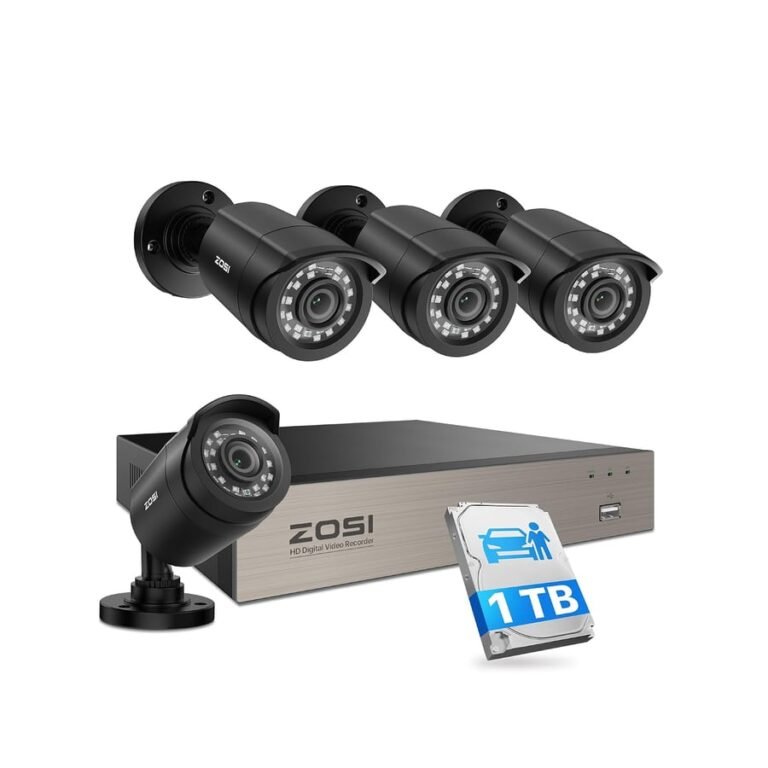
- Installation: Wired cameras require professional installation due to the need for cabling, which can be time-consuming and may require drilling. Wireless cameras, on the other hand, are typically easier to install, often requiring just a power source and Wi-Fi connection.
- Reliability: Wired cameras are generally considered more reliable since they are not susceptible to signal interference or Wi-Fi outages. Wireless cameras depend heavily on a strong internet connection, which can sometimes lead to connectivity issues.
- Cost: While wired systems may have a higher upfront cost due to installation and equipment, wireless systems can incur ongoing costs through battery replacements or data plans for cloud storage.
- Scalability: Wireless cameras offer greater flexibility in terms of placement and expansion. If you plan to add more cameras in the future, a wireless system might be easier to scale.
Current Trends in Home Security Cameras
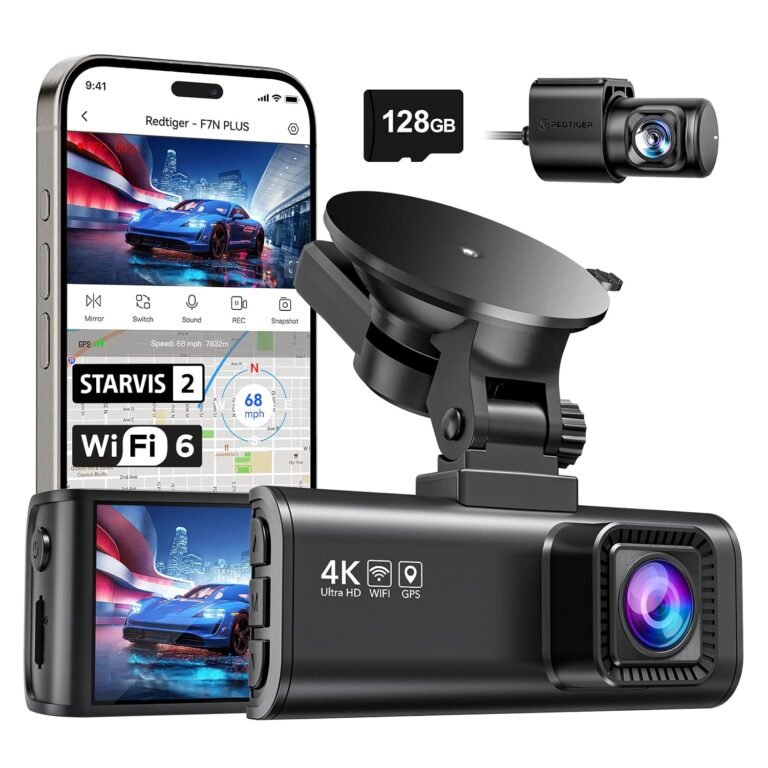
The home security camera market is rapidly evolving, with several trends shaping consumer preferences. In 2026, the demand for smart home integration continues to rise, with many homeowners opting for security systems that can be controlled via smartphone apps. Additionally, features such as two-way audio, motion detection, and night vision are becoming standard expectations rather than luxuries. Wireless cameras are particularly popular in this regard, as they often come equipped with advanced features that enhance user experience.
What to Look for When Choosing a Security Camera
When selecting a security camera, consider the following features:
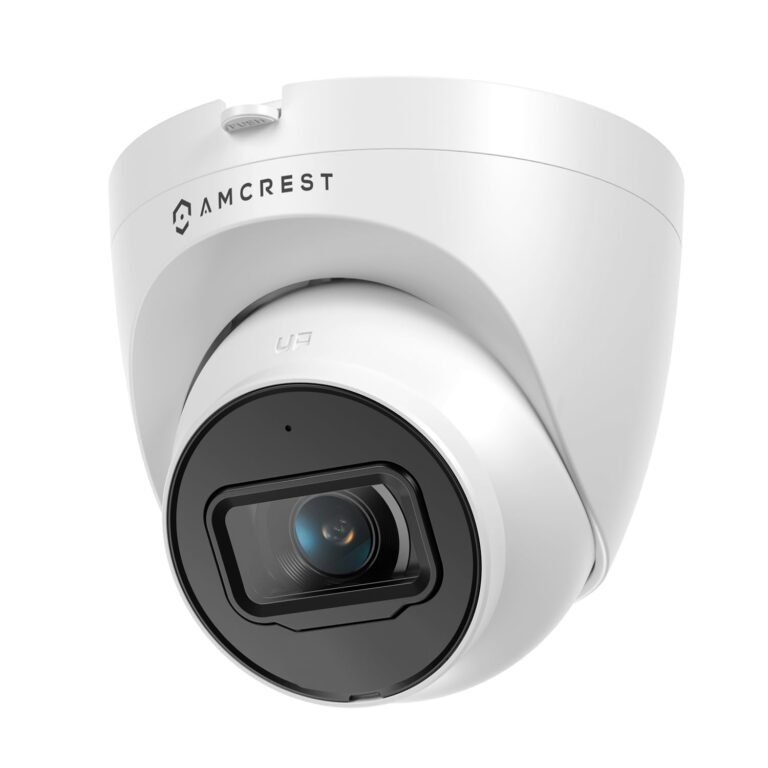
- Resolution: Look for cameras with at least 1080p resolution for clear images. Higher resolutions can provide better detail, especially if you need to identify faces or license plates.
- Field of View: A wider field of view allows you to cover more area with fewer cameras. Aim for cameras that offer at least a 130-degree field of view.
- Storage Options: Determine whether you prefer local storage (like an SD card) or cloud storage. Each has its pros and cons regarding accessibility and security.
- Weather Resistance: If you plan to install cameras outdoors, ensure they are rated for weather resistance to withstand rain, snow, and extreme temperatures.
Common Mistakes to Avoid
When investing in security cameras, avoid these common pitfalls:
- Overlooking Power Sources: Ensure you have a reliable power source for your cameras. Wireless cameras may require frequent battery changes, while wired cameras need access to electrical outlets.
- Neglecting Privacy Settings: Always review the privacy settings of your cameras. Many wireless systems allow for remote viewing, which can pose security risks if not properly managed.
- Choosing Based on Price Alone: While budget is important, don’t sacrifice quality for a lower price. Investing in a reliable system can save you money in the long run by preventing theft and damage.
Frequently Asked Questions
1. Are wired security cameras better than wireless ones?
Wired security cameras are generally more reliable and provide consistent video quality, while wireless cameras offer ease of installation and flexibility. The best choice depends on your specific needs and installation capabilities.
2. Can I mix wired and wireless security cameras in my system?
Yes, many modern security systems allow for the integration of both wired and wireless cameras, enabling you to customize your setup according to your home’s layout and your security needs.
3. How do I ensure my wireless camera is secure?
To secure your wireless camera, change the default passwords, enable encryption, and keep your firmware updated. Additionally, consider using a separate network for your security devices to minimize the risk of hacking.
In conclusion, both wired and wireless security cameras have their unique advantages and disadvantages. If you prioritize reliability and don’t mind a more complex installation, wired cameras may be the better choice. However, if you value flexibility and ease of setup, wireless cameras might suit your needs better. Ultimately, assess your budget, installation preferences, and security requirements to make the most informed decision for your home. Remember, investing in a quality security system is an essential step in protecting your property and loved ones.