🔌 Orgone Energy Motor Review: What It Is, How It Works & Whether It’s Worth Exploring



Introduction: Why the Orgone Energy Motor Is Drawing Attention
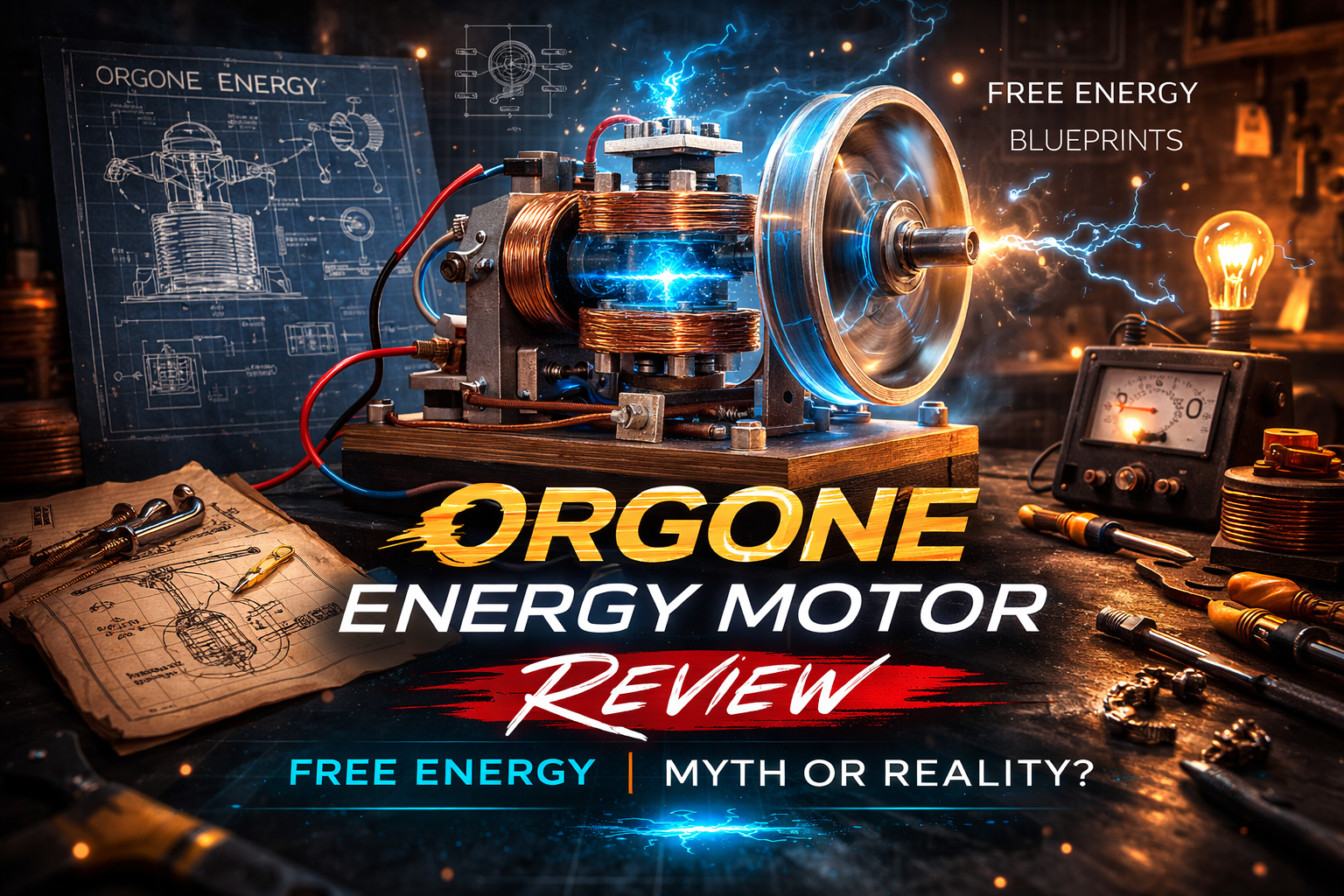
As electricity costs continue to rise globally, many people are actively searching for alternative and experimental energy concepts. One project that frequently appears in these discussions is the Orgone Energy Motor—a DIY-based concept that claims to operate without traditional fuel or grid electricity by using magnetic motion and unconventional energy theories.
This article explains what the Orgone Energy Motor is, where the idea comes from, how it claims to work, and what realistic expectations should be.
What Is the Orgone Energy Motor?
The Orgone Energy Motor is presented as a do-it-yourself experimental motor project. Instead of being sold as a physical machine, it is typically offered as a digital blueprint or instructional guide that teaches users how to assemble a motor-like system using basic materials such as magnets, coils, and a rotating structure.
Supporters describe it as:
- A hands-on experimental build
- A low-cost mechanical project
- A way to explore alternative energy ideas
It is important to understand that it is not a commercial power generator, but an instructional and experimental concept.
The Idea Behind Orgone Energy
The concept of orgone energy originated with Wilhelm Reich, who proposed the existence of a universal life-force energy present throughout nature. While this idea influenced various alternative science movements, orgone energy is not recognized by mainstream physics or engineering.
The Orgone Energy Motor draws inspiration from this historical theory, blending it with modern DIY magnetic motor designs.
How the Orgone Energy Motor Claims to Work
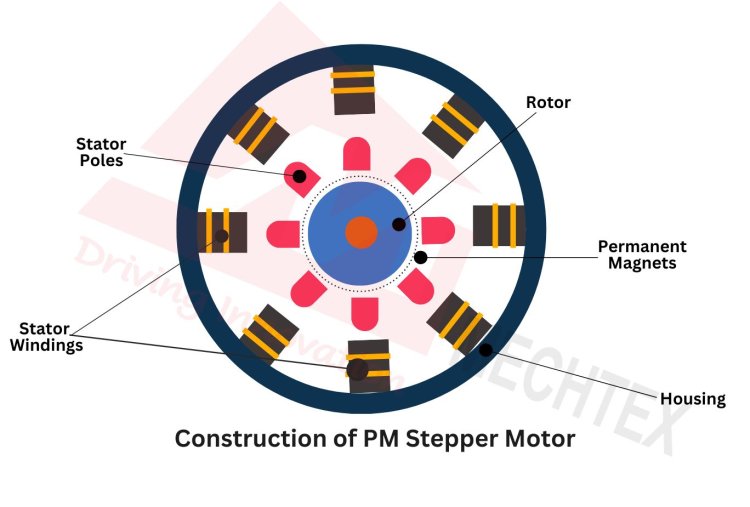
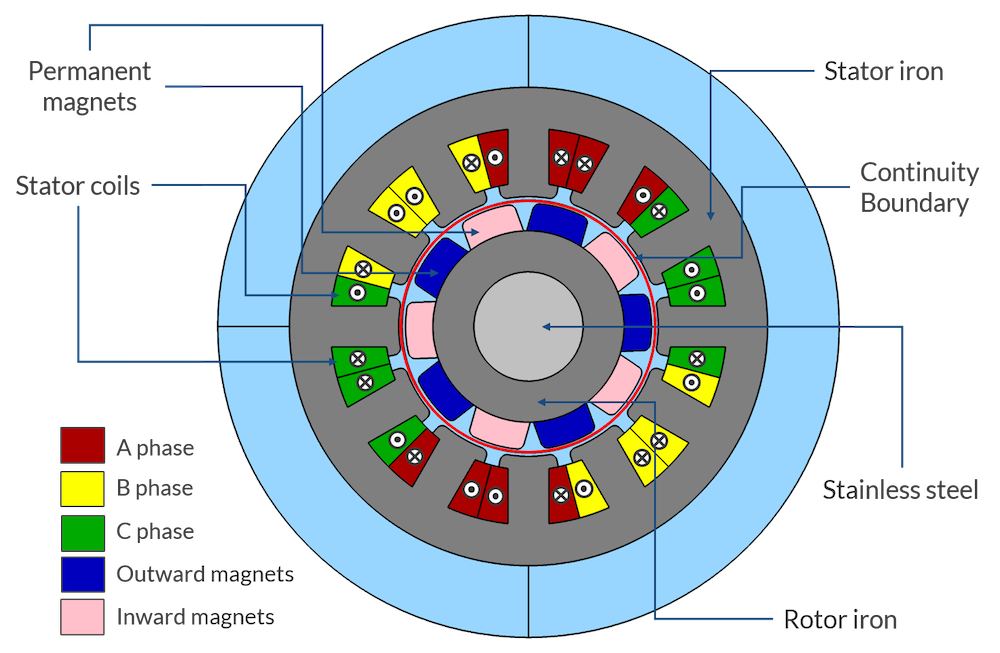
According to the project explanation, the motor is based on:
- Strategic placement of permanent magnets
- Creating a magnetic imbalance to initiate rotation
- A rotor–stator configuration designed to minimize friction
- Continuous motion is achieved through precise alignment
The idea suggests that once balanced correctly, the system can maintain motion without ongoing external energy input.
From a scientific perspective, continuous or “free” energy generation has not been proven, so this should be viewed strictly as an experimental and educational build.
Practical Use and Expectations
The Orgone Energy Motor is best approached as:
- A learning experience
- A mechanical and magnetic experiment
- A curiosity-driven DIY project
It should not be considered:
- A replacement for household electricity
- A certified renewable energy solution
- A guaranteed cost-saving system
Pros and Cons
| Pros | Cons |
|---|---|
| Low-cost DIY project | Not scientifically validated |
| Encourages hands-on experimentation | No verified power output |
| Educational on magnetism and mechanics | Results vary by user |
| No fuel or grid power required | Marketing claims can be misunderstood |
Frequently Asked Questions
Is the Orgone Energy Motor real?
It exists as a DIY experimental design. Claims of unlimited or free energy are not supported by established science.
Can it reduce electricity bills?
There is no verified evidence that it produces usable household electricity.
Who is this project suitable for?
DIY enthusiasts, hobbyists, and people interested in alternative or historical energy theories.
Is it legal to build?
Yes. It uses common materials and poses no regulatory issues in most regions.
Final Verdict
The Orgone Energy Motor is best described as an experimental DIY project rooted in alternative energy theory. It may appeal to curious builders and hobbyists interested in unconventional ideas, but it should not be mistaken for a proven or reliable power source.
Those looking for dependable off-grid energy should continue to rely on established technologies such as solar or wind systems. For experimentation, learning, and exploration, the Orgone Energy Motor remains an intriguing concept.