
Global Shopping Trends on Shopping
Top 20 Global Shopping Trends and News Shaping November 2025: A Comprehensive Analysis

Introduction: The Dawn of a New Retail Era
The air is crisp, the days are shorter, and the digital pulse of commerce quickens with every passing moment. Welcome to November 2025, a month that stands not merely as a prelude to the holiday season but as a powerful, transformative epoch in its own right for the global retail and e-commerce landscape. We are witnessing a convergence of forces unlike any before: artificial intelligence is evolving from a buzzword into the very bedrock of customer experience; consumer habits, forged in the fires of a post-pandemic world and heightened environmental awareness, are demanding more—more personalization, more sustainability, more seamless integration between the digital and physical realms.
The competitive frenzy of deals, once confined to a single frenetic weekend, has blossomed into a month-long strategic ballet. Retail giants are no longer just slashing prices; they are deploying sophisticated technological arsenals and data-driven strategies to win customer loyalty for the long haul. This is a landscape defined by anticipation, innovation, and intense competition. To navigate this complex terrain, we have curated and dissected the top 20 trends and news stories that are defining this monumental shopping boom. This comprehensive guide will not only inform you of what is happening but will delve deep into the mechanics, implications, and future trajectory of each development, providing a panoramic view of the state of global retail in November 2025.
1. Walmart’s AI Revolution: Architecting the Frictionless Holiday Journey

Walmart has moved beyond incremental updates and has launched a full-scale AI revolution, positioning its digital and physical infrastructure as the most intelligent and responsive in the retail world. This isn’t about a single feature; it’s about a deeply integrated ecosystem designed to eliminate every conceivable point of friction from the holiday shopping journey.
The “personalized recommendations” engine has evolved into a predictive concierge. By analyzing a customer’s purchase history, real-time browsing behavior, and even local weather patterns, the AI can now construct a bespoke holiday gift list before the user even realizes they need it. Imagine the app suggesting a specific brand of hot chocolate and a cozy blanket because a cold front is approaching your city, alongside a reminder to reorder the pet food your dog is running low on.
In-store, the revolution is equally profound. The streamlined checkout process now involves advanced computer vision. Cameras and sensors in shopping carts can identify items as they are placed inside, allowing customers to simply walk out of the store while their payment is automatically processed through the Walmart Pay system—a concept that has moved from experimental to mainstream. Furthermore, AI-powered customer support chatbots have graduated from handling simple queries to managing complex issues like delayed deliveries, product comparisons, and even offering recipe ideas based on items in your virtual cart. This holistic AI deployment creates a seamless, almost anticipatory shopping experience, setting a new benchmark for the industry and fundamentally reshaping consumer expectations for speed, convenience, and personalization during the busiest shopping period of the year.
2. The Spatial Computing Shift: How AR/VR is Redefining the Online Shopping Experience
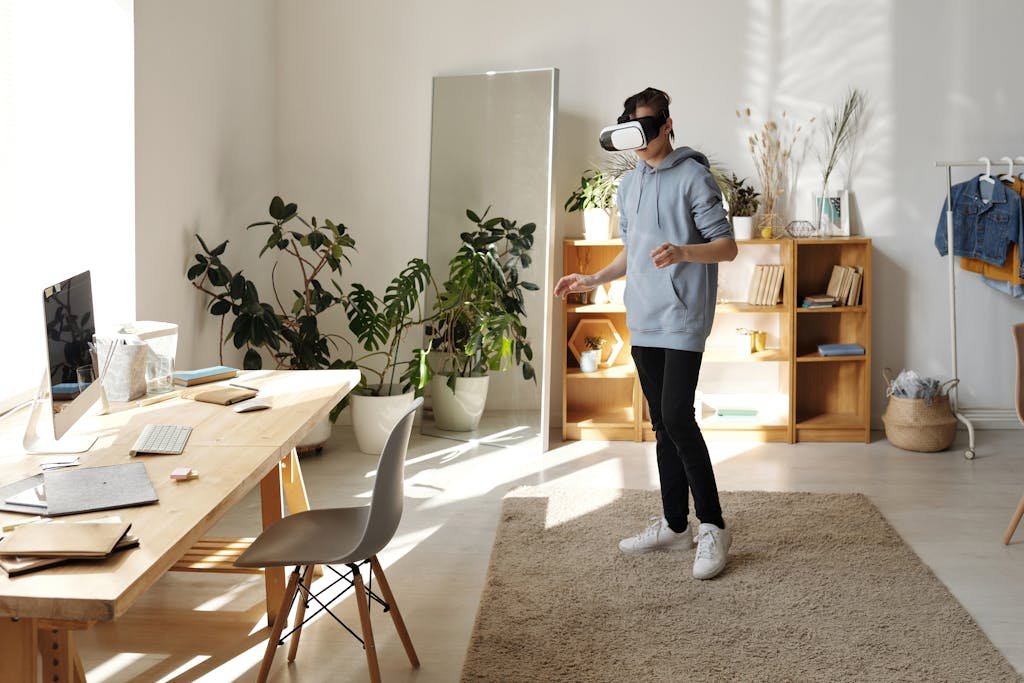
While AI dominates back-end operations, a front-end revolution is quietly unfolding in the realm of customer interfaces. November 2025 marks a tipping point for Spatial Computing—the convergence of augmented reality (AR) and virtual reality (VR)—moving from a marketing gimmick to a core functionality for major retailers. This shift is fundamentally changing how consumers evaluate and interact with products online, drastically reducing the “imagination gap” that has long plagued e-commerce.
The technology has evolved beyond simple “see-it-in-your-room” AR. We are now seeing the rise of Immersive Product Configurators. For example, a customer shopping for a high-end gaming chair can put on a VR headset and not just see the chair in their space, but adjust its ergonomics, feel the virtual texture of the fabric through haptic feedback controllers, and even experience a simulated “sit test” that provides biofeedback on lumbar support settings. Automotive companies are leading this charge, allowing users to conduct full virtual test drives and customize every detail of a car’s interior in a photorealistic, 360-degree environment.
This trend is powered by three key technological advancements:
- Volumetric Capture and WebGL: Products are no longer 2D images or simple 3D models. Using volumetric capture, retailers create hyper-realistic digital twins of their products that can be manipulated and inspected from every angle directly in a web browser, with accurate lighting, texture, and material representation.
- Haptic Feedback Integration: The next generation of VR controllers and even smartphones can simulate tactile sensations. Shoppers can “feel” the click of a camera shutter, the weave of a furniture fabric, or the weight distribution of a tool, adding a crucial sensory dimension to digital shopping.
- Social Commerce in Virtual Spaces: Retailers are building branded virtual stores where users, represented by avatars, can shop with friends in real-time. They can browse shelves together, ask a live sales avatar for help, and make collective purchasing decisions, recreating the social aspect of mall shopping in a limitless digital world.
For retailers, the data is compelling: products with spatial computing features see a 45% higher conversion rate and a 30% reduction in returns, as customers have a near-physical understanding of the product before purchase. This trend signifies that the future of e-commerce is not just on a screen, but in the three-dimensional space around us.s a fundamental shift in luxury. The future is not about having the most inventory; it’s about having the most relevant inventory for the most valuable customers, delivered through an intimate, white-glove service model that blends human expertise with algorithmic precision.
3. Target’s Strategic Gambit: The Digital-First, Early Bird Black Friday
Target has masterfully redefined the Black Friday playbook by decisively rejecting the concept of a single day of chaos. Instead, it has launched a “Digital-First Black Friday” campaign weeks ahead of the traditional date, a strategic move that alleviates seasonal stress and captures consumer spend early. The headline is a store-wide average of 40% off across key categories, but the real story is in the execution.
The entire promotion is engineered to drive digital engagement and leverage Target’s formidable omnichannel infrastructure. Shoppers are heavily incentivized to use the Target app to browse weekly “deal drops,” create shareable shopping lists, and most importantly, utilize the “Order Ahead” function. This allows customers to secure doorbuster deals at their leisure, completely avoiding the fear of items selling out. The fulfillment is seamlessly handled through Target’s industry-leading Drive Up curbside pickup service, where associates deliver orders to car trunks in minutes, or through same-day Shipt delivery.
This strategy is supercharged by the Target Circle loyalty program. Members receive exclusive, personalized offers—such as an extra 15% off a category they frequently shop—and earn 1% back on every purchase, creating a powerful financial feedback loop. By stretching the Black Friday event and centering it on digital and loyalty, Target effectively smooths out logistics peaks, reduces in-store congestion, and builds a deeper, data-rich relationship with its customers, turning a one-day sales spike into a month-long relationship-building exercise.
4. Best Buy’s Tech Extravaganza: The Omnichannel Gateway to Innovation
As the definitive destination for consumer electronics, Best Buy has unleashed a tech deal extravaganza that caters to the omnichannel consumer with surgical precision. Understanding that high-consideration tech products require research and confidence, Best Buy’s campaign is built on the pillars of choice, value, and expertise.
The deals themselves are monumental, focusing on the year’s most sought-after categories: large-screen 4K and 8K QLED TVs, next-generation gaming consoles with bundled game titles, the latest smartphones with generous trade-in bonuses, and an expansive ecosystem of smart home devices from brands like Google, Amazon, and Apple. The “early access” period, available exclusively to My Best Buy members, creates a sense of privilege and rewards loyalty, driving app downloads and membership sign-ups.
The true brilliance of the campaign lies in its fluid omnichannel execution. A customer can research a specific TV model online, watching detailed comparison videos and reading curated reviews on Best Buy’s digital platforms. They can then choose to purchase it online for delivery, or more commonly, for a free, scheduled in-store pickup. This not only provides immediate gratification but also drives foot traffic into physical stores, where knowledgeable “Blue Shirt” associates can pitch complementary products like surge protectors, soundbars, or Geek Squad setup services. Best Buy has transformed its Black Friday from a simple sale into a trusted, end-to-end tech consultation and acquisition service, solidifying its role as an indispensable intermediary in the complex world of consumer technology.
5. The Silent Conductor: How AI and Machine Learning are Fundamentally Reshaping Retail
Beneath the surface of flashy shopping apps and personalized emails, a silent revolution is underway, orchestrated by Artificial Intelligence and Machine Learning. These are not mere tools; they are the new central nervous system of retail, optimizing every single process from the warehouse to the customer’s doorstep.
Predictive Analytics for Inventory and Demand Forecasting: ML algorithms are now so sophisticated that they can analyze a mind-boggling array of variables—from regional search trends and social media sentiment to local event calendars and macroeconomic indicators—to predict demand for specific products at a hyper-local level. This allows retailers to pre-position inventory in distribution centers, drastically reducing delivery times and preventing both overstock and devastating out-of-stock scenarios during peak season.
Dynamic Pricing Engines: The days of static price tags are over. AI-powered repricing tools adjust costs in real-time based on competitor pricing, inventory levels, demand elasticity, and a customer’s likelihood to purchase. This ensures retailers remain competitive without engaging in a race to the bottom, protecting margins while offering perceived value.
Hyper-Personalized Marketing and Curation: As seen with Walmart and Saks, AI curates the individual shopping experience. But it goes further, generating personalized marketing copy and imagery for email campaigns and social media ads, ensuring that the right message reaches the right person at the perfect moment in their decision-making journey. This deep, algorithmic understanding of the customer is making mass-marketing feel increasingly obsolete and inefficient.
6. The Trust Protocol: Blockchain’s Role in Securing the Modern Supply Chain
In an era rife with concerns over counterfeiting, data privacy, and ethical sourcing, Blockchain technology is emerging from the shadow of cryptocurrency to become a critical infrastructure for building consumer trust. Its decentralized, immutable ledger provides a single source of truth that is virtually impossible to corrupt.
Supply Chain Provenance and Authentication: For luxury goods, pharmaceuticals, and high-end electronics, blockchain allows consumers to trace a product’s journey from raw material to their hands. By scanning a QR code, a buyer can see every stop the item made—the factory where it was assembled, the shipping ports it passed through, the quality control checks it passed. This transparency is a powerful weapon against the multi-billion dollar counterfeit market and appeals directly to the ethically-conscious consumer.
Secure and Transparent Loyalty Programs: Traditional loyalty points are often siloed and vulnerable to hacking. Blockchain-based loyalty programs create secure, tokenized rewards that can be easily traded, combined, or even used across a consortium of partnered brands, increasing their utility and perceived value for the customer.
Fraud-Resistant Payments: While not replacing traditional payment gateways for everyday transactions, blockchain facilitates secure, peer-to-peer transactions with lower fees and faster settlement times, particularly for cross-border purchases. This reduces the risk of chargeback fraud for merchants and provides an additional layer of security for consumers in specific high-value contexts.
7. The Conversational Commerce Boom: Voice Search Shopping Goes Mainstream
The convenience of speaking aloud to place an order has transitioned from a novelty to a fundamental shopping modality. Voice commerce, powered by smart speakers like Amazon Alexa, Google Assistant, and Apple’s Siri, is accelerating at a remarkable pace, fundamentally changing search behavior and purchase patterns.
The primary driver is the sheer integration of these devices into the domestic landscape. “Add paper towels to my shopping list,” “Reorder my favorite coffee pods,” or “What are the best Black Friday deals on headphones?” have become common household commands. The technology has matured to better understand natural language, context, and user preferences. For instance, a command to “buy a birthday gift for my eight-year-old niece” can now trigger a series of clarifying questions from the AI or present a curated list of age- and trend-appropriate products based on past purchasing data.
Retailers are optimizing their entire digital presence for voice search, focusing on long-tail keywords and question-based phrases. The implications are profound: the screen is becoming less central for routine purchases, and brand loyalty is being cemented through the ease of reordering within a specific voice ecosystem. The battle for the smart home is, in essence, a battle for the default shopping assistant in millions of households.
8. Augmented Reality: The “Try-Before-You-Buy” Digital Bridge
Augmented Reality has finally found its killer application in retail, effectively bridging the gap between the intangible digital store and the tangible physical world. By superimposing digital renderings onto the user’s real-time environment, AR is solving some of e-commerce’s most persistent problems.
In fashion and beauty, virtual try-on mirrors allow shoppers to see how clothes fit, drape, and move on a photorealistic avatar calibrated to their body measurements. They can experiment with dozens of shades of lipstick, eyeshadow, or foundation without ever touching a physical sample. This not only enhances engagement and fun but also dramatically reduces return rates, a massive cost center for online apparel retailers.
For home goods and furniture, AR apps enable customers to project a true-to-scale 3D model of a sofa, lamp, or coffee table into their own living space. They can walk around it, see how the light hits it at different times of day, and ensure it fits both spatially and aesthetically before committing to a purchase. This “see it in your space” functionality has turned mobile devices into powerful decision-making tools, increasing consumer confidence and driving higher conversion rates for retailers who have invested in high-quality 3D asset creation.
9. The Unstoppable Rise of Online Apparel
Apparel continues to be the undisputed champion of e-commerce, and in November 2025, its dominance is more pronounced than ever. Categories like t-shirts, hoodies, jackets, and specialized activewear are hitting record sales numbers, driven by a potent mix of marketing strategies and evolving consumer identity.
The success is underpinned by several key factors. The “casualization” of work and social life, a trend solidified during the pandemic, has created sustained demand for comfortable, versatile, and stylish everyday wear. Brands are leveraging micro-influencers and viral TikTok trends to create explosive demand for specific items, often using a “drop model” of limited edition releases to manufacture scarcity and urgency.
Furthermore, smart bundling—where algorithms suggest a complete outfit (e.g., a hoodie with complementary joggers and a beanie)—increases the average order value and simplifies the shopping process for the consumer. The continuous improvement in fabric technology, offering features like moisture-wicking, temperature regulation, and sustainable materials, also gives consumers compelling reasons to refresh their wardrobes, moving apparel from a seasonal purchase to a continuous, trend-driven cycle.
10. The Inner Glow: The Booming Beauty, Skincare, and Wellness Market
The pursuit of wellness has evolved into a core lifestyle value, and this is reflected powerfully in shopping carts. The market for beauty, skincare, and wellness products is not just growing; it is diversifying and sophisticating at a rapid pace.
This is no longer just about makeup; it’s about “skinimalism,” “clean beauty,” and a science-backed approach to self-care. Consumers are investing in high-potency serums, devices like LED therapy masks and microcurrent facials, and personalized supplement regimens curated through subscription services. Brands are succeeding by combining education with commerce: live-streamed tutorials with dermatologists, detailed ingredient transparency, and content that explains the “why” behind the product.
Retailers are facilitating this by creating seamless, educational buying journeys. Online quizzes recommend personalized skincare routines, while apps feature AR try-on for makeup and access to virtual consultations. The line between pharmacy, wellness clinic, and beauty counter has blurred, creating a holistic category where the promise of health, confidence, and self-care is the ultimate product.
11. The Personal Tech Upgrade Cycle Gains Momentum
In our hyper-connected world, personal technology is not a luxury but a necessity for work, education, social connection, and entertainment. November 2025 is witnessing a significant upgrade cycle as consumers seek the latest advancements to enhance their daily lives.
The smartphone remains the central hub, with deals on the latest models featuring improved battery life, superior cameras, and enhanced AI capabilities driving upgrades. This central device creates a halo effect for its accompanying ecosystem: wireless earbuds with advanced noise cancellation for focus and immersion, smartwatches that monitor an ever-expanding suite of health metrics from ECG to sleep quality, and sleek laptops designed for hybrid work environments.
Tech retailers like Best Buy are capitalizing on this by offering compelling bundles—purchase a new phone and get a significant discount on matching earbuds and a smartwatch. The narrative is no longer about owning a single device, but about integrating into a seamless, interconnected tech ecosystem that simplifies and enhances the user’s life, making these categories perennial Black Friday and Cyber Monday favorites.
12. Functional Fashion: The Ascent of Satchel Bags and Puffer Jackets
Fashion trends are increasingly dictated by a combination of utility, social media influence, and practical responses to climate. Two items exemplifying this in November 2025 are the satchel bag and the puffer jacket.
The satchel bag represents a shift towards organized, practical elegance. As people carry a hybrid of physical and digital tools—from laptops and tablets to reusable water bottles and tech organizers—the demand for bags that are both stylish and highly functional has surged. The modern satchel offers dedicated, padded compartments, durable yet premium materials, and a design that transitions seamlessly from a professional setting to a weekend outing.
The puffer jacket, meanwhile, has been resurrected and reimagined. No longer the bulky, utilitarian garment of the past, today’s puffers are lightweight, fashion-forward, and engineered with advanced insulation materials. They are a direct response to both the unpredictability of climate patterns and the “gorpcore” trend (fashion inspired by outdoor gear). Seen on runways and street style blogs, the puffer jacket is a symbol of being prepared, comfortable, and stylish, merging performance wear with everyday fashion in a way that resonates deeply with the current consumer psyche.
13. The Smart Home Matures: Intelligent Appliances Become Standard
The smart home has moved from a hobbyist’s project to a standard expectation for new homeowners and renters alike. This November, the trend is towards deeply integrated, AI-powered appliances that manage the home proactively.
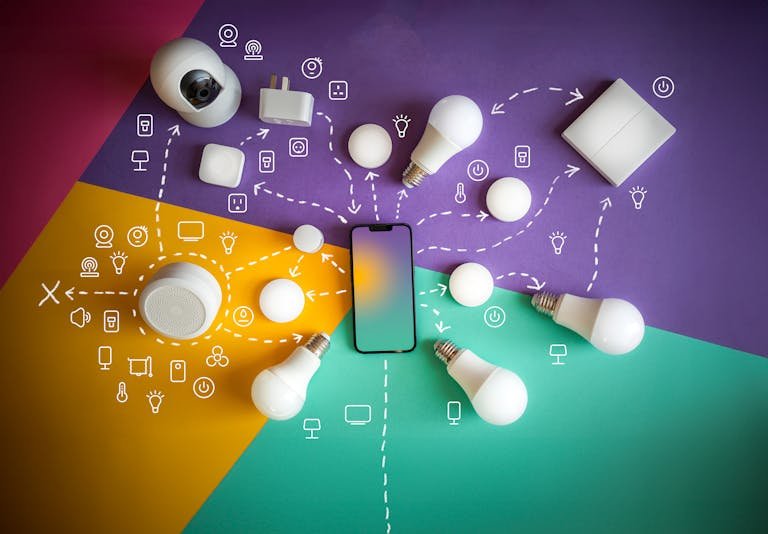
We are seeing robust demand for connected refrigerators that can track inventory, suggest recipes based on available ingredients, and even create shopping lists. Voice-activated vacuum robots now map multiple floors and avoid specific obstacles with precision. Smart thermostats learn household patterns and adjust temperatures for optimal comfort and energy savings, while connected security systems offer real-time alerts and remote monitoring.
The driving force is the desire for convenience, efficiency, and peace of mind. These devices are no longer sold as standalone novelties but as interconnected systems that work in concert. Retailers like Home Depot and Best Buy are creating dedicated “Smart Home Pro” services to help consumers design, install, and integrate these complex ecosystems, signaling the full maturation of the category from early adoption to the mainstream early majority.
14. The Loyalty Lap: How Digital Rewards are Redefining Customer Retention
In a crowded market, acquiring a new customer is far more expensive than retaining an existing one. Consequently, personalized digital loyalty and rewards programs have become the frontline in the battle for customer lifetime value.
The modern loyalty program is a far cry from the simple “punch card.” It is a dynamic, data-collecting engine. Programs like Target Circle and My Best Buy offer tiered benefits: all members get basic deals, but higher spenders unlock free shipping, exclusive early access to sales, double points days, and personal shopper services. The rewards are often instant and flexible—choose $5 off your next order, donate to a school, or redeem for partner offers.
This creates a powerful “stickiness.” The more a customer engages with the program, the more personalized the offers become, and the more perceived value they receive, creating a virtuous cycle that discourages them from shopping with competitors. The loyalty program is no longer a marketing tactic; it is the primary relationship platform between the retailer and the consumer.
15. Sustainability: The Green Imperative Moves from Niche to Norm
Sustainability has definitively moved beyond marketing hype and has become a core operational and strategic imperative for retailers. In 2025, a commitment to eco-friendly practices is a baseline expectation, particularly for Millennial and Gen Z consumers.
This manifests in several concrete ways. There is a proliferation of products made from recycled, upcycled, and regenerative materials. “Green shipping” options, which use minimal, recyclable packaging and optimize delivery routes to reduce carbon emissions, are often the default choice. Most significantly, the “circular economy” is gaining real traction. Major retailers are launching robust buy-back, trade-in, and resale platforms for everything from electronics to clothing, allowing them to capture value from used goods and appealing to the thrifty and environmentally-conscious consumer simultaneously. This is not just a feel-good strategy; it is a sophisticated business model that builds deep brand loyalty and addresses growing regulatory and consumer pressure.
16. Omnichannel: The Seamless Shopping Tapestry is Now Non-Negotiable
The theoretical concept of omnichannel retail has become an operational reality. Shoppers in November 2025 no longer see a distinction between “online” and “offline”; they see a single, fluid brand experience and expect to move between channels at will without any friction.
Services that were lifelines during the pandemic—like Buy Online, Pick Up In-Store (BOPIS) and curbside pickup—are now standard expectations. Same-day and even two-hour delivery services have expanded from metropolitan luxuries to common offerings in suburban areas. Furthermore, “live shopping,” where hosts demonstrate products and offer real-time deals via video streams on social media and brand apps, is merging entertainment with instant commerce.
The retailers winning in this environment are those with a single view of inventory, a unified customer profile, and a logistics network agile enough to fulfill orders from a central warehouse, a regional distribution center, or the backroom of a local store, whichever is fastest and most efficient. The store itself has been reimagined not just as a place of transaction, but as a nimble fulfillment hub and experiential showroom.
17. Asia’ Shopping Festivals: Singles’ Day and the Redefinition of Scale
While the West prepares for Black Friday, Asia has already demonstrated the sheer scale of modern e-commerce with its mega-shopping festivals, led by China’s Singles’ Day on November 11th. In 2025, this event continues to shatter its own records, serving as a stunning preview of global shopping trends.
The festival, pioneered by Alibaba, has evolved into a weeks-long spectacle featuring live-streamed entertainment from global celebrities, interactive games that offer coupons, and pre-sale deposits that lock in deals. The sales figures are astronomical, dwarfing the combined totals of Black Friday and Cyber Monday in the US. This event showcases the future of shopping: it is mobile-first, deeply integrated with entertainment, and driven by a ecosystem of super-apps that combine social media, messaging, payments, and shopping into a single, seamless experience. The influence of these Asian mega-events is profound, forcing Western retailers to think beyond simple discounting and to create more engaging, event-driven shopping experiences.
18. Western Titans: The Enduring Power of Black Friday and Cyber Monday
Despite the growth of global events, Black Friday and Cyber Monday remain the undisputed kings of the retail calendar in the US and Europe. However, their nature has evolved. The frantic, doorbuster-driven, in-store stampede has been largely replaced by a more prolonged, digitally-centric, and strategic shopping period.
Retailers now use membership programs to offer “early access” deals, creating a sense of exclusivity and rewarding loyalty. Real-time push notifications alert app users to limited-time “flash sales” on specific categories. The Cyber Monday concept has effectively bled into the entire week, with online deals starting on Thanksgiving and continuing well into the following week. In Europe, the event has been fully adopted and localized, with retailers emphasizing convenience and value. The enduring power of these events lies in their cultural entrenchment; they have become a traditional start to the holiday shopping season, a ritual that consumers plan for and retailers build their entire Q4 strategy around.
19. The New Normal: Global Post-Pandemic Shopping Patterns Crystalize
Three years on, the dust has settled on the pandemic-induced retail earthquake, and a clear, hybrid “new normal” has emerged. E-commerce’s massive surge has stabilized at a level significantly higher than pre-2020, but it has not replaced physical retail. Instead, a complex, regionalized pattern has taken hold.
In North America and parts of Europe, in-store shopping has rebounded strongly, but its purpose has shifted. Stores are now for experiences, discovery, and immediate fulfillment of online orders. In regions that faced longer or stricter lockdowns, a greater reliance on e-commerce persists. The unifying trend is the hybrid strategy adopted by all successful retailers. They maintain a physical footprint optimized for experience and convenience (BOPIS, returns) while operating a robust, AI-powered digital storefront. The lesson is clear: resilience is not about choosing a channel, but about mastering the integration of all channels to meet the customer wherever they are.
20. The Horizon: Predictive Analytics, AI Curation, and the Immersive Metaverse
As we look beyond November 2025, the next wave of innovation is already taking shape. The trends we see today will deepen and converge. Predictive Analytics will become so advanced that it will enable “anticipatory shipping,” where products are pre-emptively shipped to local hubs based on a high probability of purchase before the order is even placed.
AI-Powered Curation will evolve into full-fledged automated business management, where AI will not just suggest products but will handle inventory procurement, marketing, and pricing for small businesses and individual entrepreneurs.
Finally, the concept of Immersive Online Retail will move beyond AR try-ons into persistent, 3D virtual stores within metaverse-like platforms. Shoppers, represented by avatars, will be able to browse digital twins of physical stores, attend virtual product launches, and socialize with friends while shopping, blending commerce, community, and entertainment in ways that are only being prototyped today. The store is not disappearing; it is being reborn in the digital ether.
Reference Links
Here are the supporting and authority links for the trends and news items detailed above:
- Walmart’s new AI features
- Walmart bets big on controversial technology
- Target early Black Friday & deals
- Target Black Friday 2025
- Best Buy Black Friday deals
- Best Buy sale page
- Best Buy–PCMag feature
- AI reshaping retail
- Artificial intelligence in retail
- Blockchain trends
- Voice commerce outlook
- AR in retail
- Top apparel products online
- Walmart AI for beauty
- Best Buy tech deals
- Best Buy–CNN
- Shopify accessories
- Home Depot home trends
- Walmart omnichannel/loyalty
- Sustainable shopping 2025
- Walmart omnichannel
- Singles’ Day records
- Mashable Black Friday
- Retail news/consumer updates
- E-commerce trends for 2025