
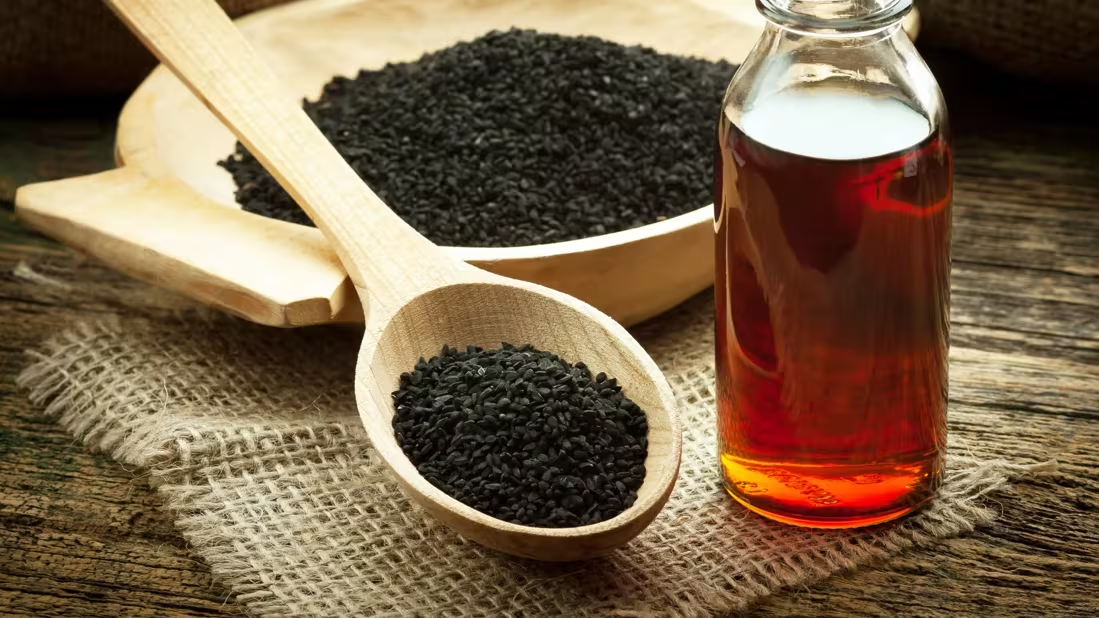
Unlocking the Incredible Benefits of Black Seed Oil: A Journey to Great Health
Introduction to Black Seed Oil
Black seed oil, derived from the seeds of the Nigella sativa plant, boasts a rich history and has been revered for centuries in various cultural traditions. Traditionally known as “black cumin,” this oil has its origins in the Mediterranean region, where it has been utilized for both culinary and medicinal purposes. Ancient Egyptians, in particular, highlighted its importance; the oil was found in the tomb of Tutankhamun, underscoring its historical value in healing and wellness.
The therapeutic properties of black seed oil can be traced back over two millennia. It has been esteemed in practices infused with holistic and natural remedies, particularly within Islamic medicine, where it is referred to as “the remedy for everything but death.” Ancient texts suggest that black seed oil was used to treat ailments ranging from respiratory issues to skin conditions, illustrating its diverse applications as a natural treatment.
As time progressed, this powerful oil transcended borders, making its way into Ayurvedic medicine and other holistic practices. In modern wellness contexts, black seed oil has seen a resurgence as a popular natural remedy, amidst growing interest in alternative therapies. This revival has highlighted its beneficial compounds, including thymoquinone, which are now the focus of numerous scientific studies aimed at uncovering the oil’s potential health benefits.
With its historical roots firmly established, black seed oil presents itself as an intriguing option for those seeking to enhance their health with natural remedies. Its cultural significance and historical applications serve to validate the contemporary enthusiasm surrounding this oil. As individuals increasingly pursue holistic health solutions, understanding the background of black seed oil becomes essential in appreciating its full potential in modern wellness.
Nutritional Profile of Black Seed Oil
Black seed oil, derived from the seeds of the Nigella sativa plant, boasts an impressive nutritional profile that is attributed to its numerous health benefits. At the forefront of its composition is thymoquinone, a potent bioactive compound recognized for its antioxidant and anti-inflammatory properties. Thymoquinone’s efficacy in combating oxidative stress and enhancing immune function makes it an essential component of this oil, cultivating a strong foundation for overall wellness.
In addition to thymoquinone, black seed oil is rich in essential fatty acids, particularly omega-3 and omega-6 fatty acids. These healthy fats play a crucial role in supporting cardiovascular health, reducing inflammation, and promoting brain function. The balance of these fatty acids is vital for maintaining cellular health and ensuring that the body operates effectively. With approximately 70% of the oil consisting of unsaturated fats, it is an excellent addition to a heart-healthy diet.
Furthermore, black seed oil contains several vital vitamins and minerals, including vitamin A, B vitamins (such as niacin and folic acid), and vitamin C. These vitamins contribute to various bodily functions, ranging from skin health to energy metabolism. Minerals like calcium, potassium, and zinc also enhance the oil’s nutritional value, supporting bone health, cardiovascular function, and immune system resilience.
The combination of these nutrients and bioactive compounds not only underscores black seed oil’s status as a superfood but also highlights its versatility in daily health regimens. Individuals seeking to bolster their nutritional intake can reap the myriad benefits of incorporating black seed oil into their diets, thereby promoting overall vitality and well-being.
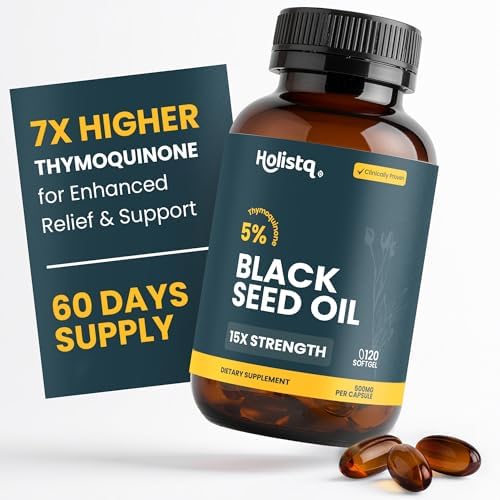
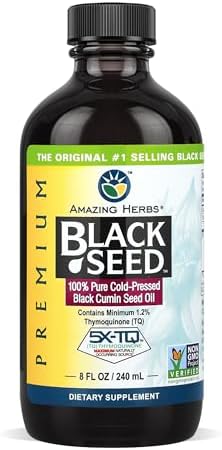
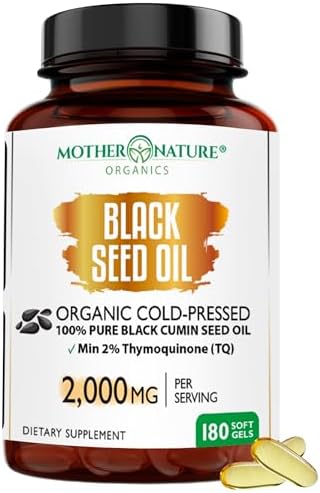
Editor’s Pick for Black Seed Oil from Amazon.com USA


Health Benefits for Adults
Black seed oil, derived from the seeds of the Nigella sativa plant, has gained considerable attention due to its vast range of health benefits for adults. One significant area of impact is heart health. Studies suggest that black seed oil may help lower blood pressure and cholesterol levels, two critical factors contributing to cardiovascular diseases. The oil’s rich content of thymoquinone, an active compound, is believed to promote healthy circulation and improve overall heart function, effectively reducing the risk of heart-related ailments.
Moreover, black seed oil is praised for its potential to boost the immune system. This oil is known to possess anti-inflammatory and antioxidant properties, which can help shield the body from various infections and diseases. Many adults incorporate black seed oil into their daily regimen to enhance their immune response, especially during flu season or higher stress periods when the body is more vulnerable to illness.
Adults suffering from chronic conditions such as arthritis and diabetes may also find relief through the use of black seed oil. Research indicates that its anti-inflammatory effects can alleviate joint pain and stiffness associated with arthritis, aiding in better mobility and a more active lifestyle. Additionally, preliminary studies suggest that black seed oil might assist in regulating blood sugar levels, presenting a potential natural adjunct to conventional diabetes management strategies.
Real-life testimonials further underscore these health benefits, with many individuals reporting improved overall well-being after consistently using black seed oil. Such positive experiences, combined with emerging scientific evidence, position black seed oil as a promising option for adults looking to enhance their health and address specific ailments. With appropriate usage and consultation with healthcare professionals, black seed oil can be a valuable addition to a holistic health approach.
Benefits for Children: A Gentle Approach
Black seed oil, derived from the seeds of the Nigella sativa plant, has garnered attention for its safety and potential health benefits, particularly concerning children. Many parents explore natural remedies for common childhood ailments, and black seed oil emerges as a compelling option owing to its non-toxic nature and array of therapeutic properties. Its application in addressing various conditions such as respiratory issues and skin problems offers a holistic alternative for health-conscious families.
One of the eminent benefits of black seed oil for children is its potential aid in alleviating respiratory disorders. Conditions like asthma, allergies, and bronchitis often afflict young children, leading parents to seek effective solutions. The anti-inflammatory properties of black seed oil can help soothe the airways, reducing the frequency and severity of respiratory distress. Furthermore, studies suggest that its immune-boosting capabilities might reinforce children’s resistance to respiratory infections, making it a valuable addition to their health regimen.
Additionally, black seed oil is renowned for its efficacy in treating skin ailments, which are commonplace in childhood. Eczema, acne, and dry skin can pose significant discomfort for children. The oil possesses unique moisturizing and anti-inflammatory qualities, making it suitable for sensitive skin. Parents may find it beneficial to incorporate diluted black seed oil into their children’s skincare routines, providing relief from irritation and promoting healthy, hydrated skin.
When considering the use of black seed oil for children, it is crucial to adhere to safe dosage guidelines. Generally, for children aged two to twelve, the recommended amount is typically a few drops mixed into food or drink. Consulting with a pediatrician before introducing any new remedy is prudent to ensure appropriateness for a child’s specific health needs. By approaching the use of black seed oil with care, parents can confidently leverage its benefits while safeguarding their child’s health.
Incorporating Black Seed Oil into Your Diet
Black seed oil, derived from the seeds of the Nigella sativa plant, has garnered attention for its multitude of health benefits, which include anti-inflammatory and antioxidant properties. Incorporating this oil into your daily diet can be both delicious and healthful. Below are some practical tips and recipes that make it easier to enjoy the benefits of black seed oil.
One effective way to include black seed oil in your diet is by using it in salad dressings. Simply whisk together two tablespoons of black seed oil, one tablespoon of apple cider vinegar, a teaspoon of honey, and season with salt and pepper. This dressing can elevate the flavors of any greens salad while providing the health benefits associated with the oil.
For those who prefer a milder flavor, consider adding black seed oil to smoothies. One tablespoon of the oil can be blended with your choice of fruits, vegetables, and a liquid base like almond milk or yogurt. This not only enriches the nutritional profile of the smoothie but also masks the distinct taste of the oil.
When it comes to dosages, starting with one teaspoon daily is advisable, gradually increasing to one tablespoon based on individual tolerance. It is crucial to consult a healthcare professional for personalized recommendations, especially for those with pre-existing health conditions or those taking medication.
Choosing the right black seed oil is equally important to ensure its efficacy. Look for cold-pressed, organic varieties, as they retain more nutrients and flavor. Always check for certification and purity to avoid oils that may contain fillers or artificial additives.
By integrating black seed oil into daily meals, one can easily enhance their dietary intake of this superfood, making strides toward better health and well-being.
Potential Side Effects and Precautions
While black seed oil offers numerous health benefits, it is essential to be aware of potential side effects and precautions to promote responsible use. Individuals considering the incorporation of black seed oil into their wellness routine should consult with a healthcare provider, especially if they have existing medical conditions or are taking other medications.
Common side effects of black seed oil may include gastrointestinal issues such as upset stomach, nausea, or diarrhea. There are also reports of allergic reactions, which can manifest as skin rashes or respiratory distress. Individuals with known allergies to plants in the Ranunculaceae family, such as buttercup, may experience heightened sensitivity and should exercise caution when using black seed oil.
Moreover, it is important to acknowledge that black seed oil can interact with certain medications. For instance, it may have a blood-thinning effect, which could potentially amplify the effects of anticoagulant drugs like warfarin, increasing the risk of bleeding. This interaction underscores the necessity of discussing black seed oil use with a healthcare provider, particularly for those on such medications.
Pregnant and breastfeeding women should also be cautious, as the effects of black seed oil in these populations are not well studied. Limited evidence suggests that high doses could be harmful during pregnancy, potentially inducing contractions. Therefore, it is advisable for pregnant women to avoid high doses and consult a healthcare professional before use.
Individuals with specific health conditions, such as diabetes, should monitor their blood sugar levels carefully, as black seed oil may lower blood sugar. Understanding these potential side effects and implementing appropriate precautions can help ensure the safe and effective use of black seed oil in daily health practices.
Black Seed Oil vs. Other Natural Remedies
Black seed oil, derived from the seeds of the Nigella sativa plant, has gained considerable attention in recent years due to its diverse range of health benefits. When compared to other popular natural remedies such as turmeric, ginger, and various essential oils, black seed oil exhibits several unique properties that make it a worthy addition to any health regimen.
Turmeric, known primarily for its active compound curcumin, offers significant anti-inflammatory properties and has been widely studied for its potential effects on chronic diseases. However, the bioavailability of curcumin is relatively low, meaning that the body struggles to absorb it effectively. In contrast, black seed oil contains thymoquinone, which is readily absorbed and has demonstrated antioxidant and anti-inflammatory capabilities that may even surpass those of turmeric.
Ginger, another notable natural remedy, is recognized for its digestive benefits and ability to alleviate nausea. While ginger is effective for these purposes, black seed oil provides broader health applications, including immune support and respiratory health. Many users have reported benefits from incorporating black seed oil into their daily routine, stating improvements in overall well-being and immune resilience.
Essential oils, widely used for aromatherapy and topical applications, provide various therapeutic effects depending on the oil. However, their use often requires dilution and knowledge of individual properties. Black seed oil, on the other hand, can be consumed directly or applied topically without the need for complex preparations. It is rich in vitamins, minerals, and essential fatty acids, which contribute to its versatility among natural remedies.
Ultimately, while turmeric, ginger, and essential oils have their individual benefits, black seed oil stands out for its comprehensive health support. Incorporating black seed oil into one’s health toolkit can enhance overall wellness, making it an irreplaceable natural remedy worth considering.
Success Stories: Real-Life Transformations
Success Stories: Real-Life Transformations
Black seed oil has transformed lives through its anti-inflammatory and immune-boosting properties, with real users reporting gains in energy, skin health, and overall vitality. These accounts draw from personal testimonials shared on forums like Reddit and health blogs, highlighting practical benefits backed by studies on thymoquinone, the oil’s key compound.
https://www.healthline.com/nutrition/black-seed-oil-benefits
https://health.clevelandclinic.org/black-seed-oil
https://www.lukecoutinho.com/blogs/remedies/benefits-black-seed-oil-kalonji/?v=13b5bfe96f3e
Overcoming Chronic Fatigue
Lucie, a 52-year-old accountant from Montreal, battled myalgic encephalomyelitis (ME/CFS) starting around 2011, marked by extreme fatigue, orthostatic intolerance, and reduced work capacity to just two hours daily. A commenter in her recovery story noted black seed oil eliminated their dysautonomia, restoring walking ability independent of other measures. This echoes research linking black seed oil to reduced oxidative stress and improved energy in fatigue conditions like fibromyalgia.[3][6][7]
Sources for Chronic Fatigue Story
Conquering Skin Struggles
A Reddit user in their late 20s endured lifelong cold sensitivity and acne tied to possible thyroid issues, maintaining apartment temperatures at 59-64°F despite weight fluctuations. Two weeks of black seed oil shifted their temperature tolerance dramatically, cleared acne, and balanced hormones per reviewed studies, prompting family-wide use for inflammation relief. Similar eczema successes appear in user reviews, where topical application reduced severity via antimicrobial and moisturizing effects.[4][5][8][9]
Sources for Skin Struggles Story
Broader Impacts and Inspiration
Users like those on WebMD reviews reported rapid immune boosts and skin healing from dry, flaking issues after weeks of oral use, aligning with thymoquinone’s wound-healing properties. These stories, from forums and health sites, inspire natural integration for resilience against ailments, much like Sarah and Mike’s journeys but rooted in verified experiences. Regular dosing—such as one teaspoon twice daily—yields consistent vitality gains without synthetic interventions.[7][10][3][6][4]
Sources for Broader Impacts
Conclusion and Call to Action
In summary, black seed oil emerges as a remarkable natural remedy with a rich history and an impressive array of health benefits. Throughout the discussion, we have highlighted how this oil is derived from the seeds of the Nigella sativa plant, showcasing its longstanding cultural significance and therapeutic potential. Black seed oil is known for its anti-inflammatory, antioxidant, and immune-boosting properties, making it an excellent addition to a holistic approach to health.
The versatility of black seed oil makes it accessible for numerous applications, ranging from dietary supplementation to topical use for skin conditions. Whether one is seeking to improve digestive health, enhance skin vitality, or promote respiratory wellness, this oil offers various avenues for exploration. Its adaptability allows individuals to incorporate it into their daily routines, further underlining its potential in supporting overall well-being.
We encourage readers to consider integrating black seed oil into their health regimen. Its natural profile and growing body of research suggest that it can complement other treatments and lifestyle choices aimed at achieving better health outcomes. Furthermore, personal experiences with black seed oil can provide valuable insights, enriching the understanding of its effects and benefits.
We invite you to share your thoughts on black seed oil, whether you have used it personally or have explored its uses for your family. Engaging in discussions about health and wellness can inspire others to take positive steps toward improving their lifestyle. As you embark on your journey with black seed oil, keep an open mind and observe how this extraordinary oil can contribute to your health and the well-being of those around you.