

The Importance of Bone Health: A Comprehensive Guide
Understanding Bone Health
Bone health is a crucial aspect of overall well-being, encompassing the strength, density, and structure of bones throughout an individual’s life. Fundamentally, bone health refers to the condition of the skeletal system, which supports the body, facilitates movement, and protects vital organs. The human skeleton is made up of 206 bones at maturity, each playing a significant role in the body’s functionality.
The anatomy of bones consists of a hard outer layer known as cortical bone, which provides strength and protection, and a spongy inner layer called trabecular bone, which contributes to bone flexibility and houses bone marrow. This structure is essential not only for mechanical support but also for the storage of minerals, such as calcium and phosphorus, which are vital for various bodily functions.
Bone remodeling is a continuous process where old bone is replaced by new bone tissue. This dynamic process ensures the maintenance of bone strength and mineral balance, making it critical for adapting to physical stresses. Several factors influence bone remodeling, including hormonal levels, physical activity, and nutritional intake. As individuals age, the balance between bone resorption and formation can shift, often leading to decreased bone density and increased risk of fractures, particularly in women post-menopause.
Maintaining strong bones is essential not just for physical mobility but also for overall health. Poor bone health can lead to conditions such as osteoporosis, characterized by brittle bones and an increased risk of fractures. Engaging in regular weight-bearing exercises, ensuring adequate intake of calcium and vitamin D, and avoiding smoking and excessive alcohol consumption are key strategies to enhance and preserve bone health throughout life. Thus, understanding and prioritizing bone health is fundamental for longevity and quality of life.
The Role of Nutrition in Bone Health
Bone health is significantly influenced by nutrition, making it essential to integrate key nutrients into your diet. Among the most important are calcium, vitamin D, magnesium, and phosphorus, all of which play a vital role in maintaining bone density and overall skeletal health. Calcium is the primary mineral found in bones and is crucial for their strength. Adult men and women need approximately 1,000 to 1,200 mg of calcium per day, which can be obtained from dairy products such as milk, yogurt, and cheese, as well as leafy green vegetables, nuts, and fortified foods.
Vitamin D enhances calcium absorption in the gut and helps to maintain adequate serum calcium levels, which are necessary for bone formation. Sources of vitamin D include sunlight exposure, fatty fish, fortified dairy products, and eggs. The recommended daily allowance for adults is around 600 to 800 IU, but those living in areas with limited sunlight may require supplements to meet their needs.
Magnesium and phosphorus also contribute to bone health. Magnesium aids in converting vitamin D into its active form, thereby facilitating calcium absorption. Foods high in magnesium include nuts, seeds, whole grains, and green leafy vegetables, while phosphorus is commonly found in meats, fish, poultry, and dairy products. Maintaining a proper balance of these nutrients is essential, as deficiencies can lead to weakened bones and increased risk of fractures.
A balanced diet that incorporates these essential nutrients can enhance bone density and reduce the likelihood of osteoporosis. Emphasizing whole foods and nutrient-dense options will not only improve bone health but also support overall well-being. Therefore, understanding the relationship between nutrition and bone health can empower individuals to make informed dietary choices that promote strong, healthy bones throughout their lives.
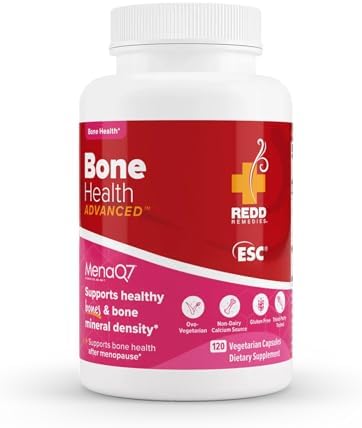
Editor’s Pick for Bone Health Supplement



The Impact of Exercise on Bone Health
Physical activity plays a crucial role in promoting and maintaining bone health throughout a person’s life. Regular exercise influences bone density and strength significantly, providing numerous benefits that can help prevent conditions such as osteoporosis and reduce the risk of fractures. Engaging in various types of exercises can enhance bone health, driving both the quality and quantity of bone tissue.
Weight-bearing exercises, which include activities where your body must work against gravity, are particularly effective for stimulating bone formation. Examples of such exercises include walking, running, dancing, and hiking. These activities encourage the bones to become denser and stronger, providing a solid foundation for overall skeletal health. It is recommended that individuals incorporate these types of exercises into their routine for optimal benefits.
Resistance training, also known as strength training, is another effective way to promote bone health. By lifting weights or using resistance bands, individuals can improve their muscle strength while also increasing bone density. Studies have indicated that resistance training can help build and maintain bone mass, especially in older adults who may be experiencing natural bone loss due to aging.
Additionally, balance exercises such as tai chi or specific yoga poses are essential for enhancing stability and coordination. These activities not only contribute to bone health but also reduce the risk of falls, which can lead to fractures. In combination with weight-bearing and resistance exercises, balance training helps maintain physical function throughout life.
Incorporating a variety of exercises into one’s fitness routine is vital. The benefits of consistent physical activity on bone health can be substantial. Ultimately, by dedicating time to exercise, individuals can support their bones, prevent bone loss, and sustain a healthier, more active lifestyle.
Risk Factors for Poor Bone Health
Bone health is influenced by a variety of factors, some of which may be modifiable while others are not. Understanding these risk factors is essential for preventing bone-related issues such as osteoporosis and fractures. One of the primary determinants of bone density is age. As individuals age, bone density generally decreases, leading to weaker bones. This natural decline is particularly pronounced in postmenopausal women due to the reduction in estrogen levels, which plays a crucial role in maintaining bone density.
Gender also plays a significant role in bone health. Women are at a higher risk for developing osteoporosis compared to men, largely due to differences in hormone levels and bone mass. Genetics is another critical factor; individuals with a family history of bone diseases may be predisposed to similar conditions. Understanding one’s genetic background can offer valuable insights into potential risks.
Lifestyle choices have a profound impact on bone health. Smoking has been linked to lower bone density, and prolonged alcohol consumption can interfere with calcium absorption, further compromising bone strength. Nutrition is equally important; a diet lacking in calcium and vitamin D can lead to diminished bone health over time.
Additionally, certain chronic diseases, such as rheumatoid arthritis, diabetes, and hyperthyroidism, may adversely affect bone density. These conditions can cause inflammation or hormonal changes that contribute to bone loss. Recognizing and addressing these risk factors is essential in promoting better bone health and ultimately enhancing overall quality of life.
Common Bone Disorders and Diseases
Bone health is crucial for overall well-being, and understanding common bone disorders is vital in promoting prevention and treatment strategies. One prevalent condition is osteoporosis, characterized by weakened bones, leading to increased fracture risk. Osteoporosis often develops silently over years and is frequently diagnosed through bone density tests. It can be caused by factors such as aging, hormonal changes, inadequate calcium and vitamin D intake, as well as lifestyle choices like lack of physical activity or excessive alcohol consumption.
Another critical condition is osteopenia, which refers to lower-than-normal bone density but not low enough to be classified as osteoporosis. Osteopenia serves as a warning sign for mitigating future risks of osteoporosis and fractures. Just like osteoporosis, its development can be attributed to aging and lifestyle factors. Regular bone density screenings can assist in determining the onset of osteopenia, encouraging early interventions.
Fractures represent another significant aspect of bone health concerns. These breaks can occur due to falls, accidents, or even minor stressors on weakened bones. Fractures may result from both osteoporosis and osteopenia, highlighting the importance of proactive management of bone density. Symptoms typically involve sudden pain, swelling, and reduced mobility in the affected area. Treatment strategies can range from immobilization and pain management to surgical interventions when necessary.
For individuals at risk for these conditions, maintaining a diet rich in calcium and vitamin D, engaging in weight-bearing exercises, and avoiding smoking and excessive alcohol consumption are essential in preserving bone health. Additionally, following up with healthcare professionals for regular screenings and considering medications where appropriate can greatly enhance bone health outcomes. Understanding these common bone disorders emphasizes the importance of proactive care and early intervention in maintaining strong bones.
Preventive Measures for Maintaining Bone Health
Maintaining optimal bone health is essential for overall well-being, particularly as individuals age. There are several proactive measures one can implement to promote stronger bones and reduce the risk of fractures, osteoporosis, and other bone-related conditions.
Firstly, engaging in regular physical activity is crucial. Weight-bearing exercises, such as walking, jogging, and strength training, stimulate the production of bone-forming cells and enhance bone density. Activities that incorporate balance, such as yoga and tai chi, can also help minimize the risk of falls, which are a significant concern for bone health.
In addition to exercise, nutrition plays a pivotal role in maintaining bone health. A balanced diet rich in calcium and vitamin D is fundamental. Calcium, found in dairy products, leafy greens, and fortified foods, is vital for building and maintaining strong bones. Concurrently, vitamin D enhances calcium absorption and can be obtained through sunlight exposure, fatty fish, and fortified foods. It is also advisable for individuals to discuss supplement options with healthcare providers, particularly if dietary intake is insufficient.
Another key measure is to limit the consumption of substances that can weaken bones. High alcohol intake and smoking have been linked to reduced bone density, so moderation is advisable. It is equally important to stay hydrated and maintain a healthy weight, as excessive weight can put undue stress on the skeletal system.
Additionally, regular health check-ups and screenings for bone density should be prioritized, especially for those at risk of osteoporosis. These assessments can identify bone health concerns early, allowing for timely interventions. By embracing these preventive measures and fostering a lifestyle conducive to bone health, individuals can significantly enhance their skeletal well-being and overall quality of life.
The Importance of Early Detection and Treatment
Bone health plays a crucial role in overall well-being, making the early detection and treatment of bone health issues essential. Osteoporosis, fractures, and other bone-related conditions often develop silently, without symptoms that one might easily recognize at first. Hence, proactive monitoring through screening methods, especially for individuals who are at risk, is vital to prevent significant complications.
One of the most widely recommended screening methods is the bone density test, or dual-energy X-ray absorptiometry (DEXA) scan. This test measures the density of bones and is particularly important for postmenopausal women, individuals over the age of 50, and those with certain risk factors such as a family history of osteoporosis, chronic diseases, or long-term use of corticosteroids. Regular screenings enable healthcare providers to identify reductions in bone density early and to recommend appropriate treatments or interventions to preserve bone health.
Moreover, timely intervention can dramatically alter the course of bone-related diseases. For instance, if low bone density is detected promptly, healthcare professionals can implement preventive strategies including lifestyle modifications, dietary changes, or medications that support bone formation and minimize loss. Consequently, addressing bone health issues swiftly may reduce the likelihood of fractures, which can lead to significant morbidity and even mortality in older adults.
It is essential for individuals to consult with healthcare providers if they exhibit symptoms such as persistent pain, changes in posture, or unexpected fractures. Seeking medical advice when risk factors are present allows for comprehensive assessments, thus enabling personalized prevention strategies that cater to one’s specific health circumstances. Early detection, coupled with a proactive approach to treatment, is key to maintaining strong bones and ensuring enduring health.
Lifestyle Changes for Better Bone Health
Maintaining robust bone health is an essential aspect of overall well-being, and certain lifestyle changes can greatly enhance bone strength. One of the most significant factors influencing bone health is nutrition. A balanced diet rich in calcium and vitamin D is crucial, as these nutrients play pivotal roles in bone formation and maintenance. Incorporating dairy products, leafy greens, and fortified foods can help meet daily calcium requirements. Additionally, vitamin D can be obtained through exposure to sunlight and from dietary sources such as fatty fish and egg yolks.
Exercise is another critical component in promoting better bone health. Engaging in regular physical activity helps strengthen bones and improves overall body coordination and balance. Weight-bearing exercises, such as walking, hiking, and dancing, lead to increased bone mass and strength. Strength training exercises, using resistance bands or weights, can also be beneficial as they stimulate muscle contractions that exert force on the bones, enhancing their density.
Avoiding harmful behaviors is equally important for maintaining bone health. Smoking and excessive alcohol consumption have been linked to decreased bone density and higher fracture risk. Thus, eliminating smoking and moderating alcohol intake can contribute positively to bone strength. Additionally, a holistic approach to health should include sufficient sleep and stress management, as both factors affect the body’s ability to absorb calcium and maintain overall health.
By incorporating these dietary choices, physical activities, and positive lifestyle habits, individuals can take significant strides toward achieving better bone health. It is essential to initiate these changes early and maintain them consistently to support long-term well-being of bones.
Conclusion: Investing in Bone Health
Throughout this comprehensive guide, we have emphasized the critical role that bone health plays in overall well-being. Strong and healthy bones are essential for mobility, physical activity, and maintaining an active lifestyle, which can significantly impact quality of life as one ages. As discussed, various factors contribute to bone health, including diet, exercise, and lifestyle choices. Adequate intake of calcium and vitamin D, along with regular physical activity, forms the cornerstone of preventive measures that we can actively implement.
Understanding the importance of bone density and its relation to conditions such as osteoporosis cannot be overstated. Osteoporosis, often referred to as a silent disease, does not typically present symptoms until a fracture occurs, highlighting the need for proactive management. Engaging in weight-bearing exercises and ensuring a balanced diet are vital steps individuals can take to enhance their bone strength at any age.
Moreover, regular screenings and consultations with healthcare professionals can provide tailored advice and interventions that cater to individual needs. By investing time and resources into maintaining bone health, individuals may significantly reduce the risks associated with bone-related diseases later in life. The long-term benefits of prioritizing bone health extend beyond merely avoiding fractures; they encompass overall physical and mental health, enabling a more active, fulfilling lifestyle.
In summary, the path to robust bone health is a proactive one, marked by informed choices and consistent effort. By incorporating dietary changes, physical activity, and regular health check-ups, individuals can effectively safeguard against osteoporosis and related health issues. Investing in bone health is an essential aspect of a comprehensive approach to wellness and longevity.