
The Future of Power: Why USB-C Rechargeable Small Batteries are the Smart Choice
Introduction to USB-C Rechargeable Small Batteries
USB-C rechargeable small batteries have emerged as a groundbreaking innovation in the battery landscape, redefining how we approach portable power. Unlike traditional alkaline batteries, which require disposal after a single use, USB-C enabled batteries are cost-effective and eco-friendly alternatives that can be easily recharged. The design of these rechargeable batteries incorporates the widely accepted USB-C standard, allowing users to charge them with the same cables used for smartphones, tablets, and laptops. This universality contributes significantly to their growing popularity.
The functionality of USB-C rechargeable small batteries is structured to facilitate convenience and efficiency. With fast charging capabilities and a compact form factor, these batteries deliver reliable energy without the bulk typically associated with previous battery technologies. Their ease of use is further enhanced by the ability to monitor charge levels, ensuring that users are always aware of their battery status. Furthermore, many of these batteries come with built-in safety features that protect against overcharging, short-circuiting, and overheating, thereby enhancing user safety.
As consumers become increasingly aware of environmental issues and the need for sustainable energy solutions, USB-C rechargeable small batteries present a compelling alternative. They not only reduce waste commonly associated with disposable batteries but also champion the move towards a more sustainable consumer electronics landscape. With the growing number of devices adopting USB-C charge ports, these rechargeable batteries have effectively positioned themselves as the new standard for portable power. In a world that is shifting towards energy efficiency and sustainability, USB-C rechargeable small batteries illustrate the promising trends that lie ahead in the realm of personal electronics.
What Makes a USB-C Rechargeable Battery?
USB-C rechargeable batteries represent a significant advancement in battery technology, blending convenience and efficiency. Unlike traditional rechargeable batteries, which typically require external chargers, USB-C batteries incorporate a built-in charging port. This feature simplifies the charging process, allowing users to connect directly to any standard USB-C power source, such as wall chargers, laptops, or power banks. This streamlined approach eliminates the need for multiple charging devices, enhancing portability and usability.
In terms of size variations, USB-C rechargeable batteries are available in several common formats, including AA, AAA, C, D, and 9V. Each size serves distinct applications, from powering household items like remote controls to larger devices requiring more substantial power. This variety ensures compatibility with a wide array of devices, making USB-C rechargeable batteries a versatile choice for consumers.
One of the noteworthy distinctions between USB-C rechargeable batteries and traditional rechargeable alternatives is the elimination of charging docks. Traditional batteries often necessitate separate equipment for charging, which can lead to clutter and inconvenience. With the USB-C interface, users enjoy rapid and efficient charging solutions without an additional device, resulting in a more organized setup.
Moreover, USB-C technology facilitates faster charging speeds compared to older methods. This advantage not only reduces downtime but also caters to the growing demand for efficiency in our increasingly fast-paced lives. As the adoption of USB-C continues to expand across different electronics, the integration of this charging technology into batteries represents a forward-thinking approach to powering our devices.
best Selling Rechargeable Batteries Pick from Amazon.com USA


![HW Rechargeable AA Lithium Batteries, [1.5V, 4-Pack] 3600mWh High...](https://m.media-amazon.com/images/I/51eYNfagQHL._AC_.jpg)


Key Features of USB-C Rechargeable Small Batteries
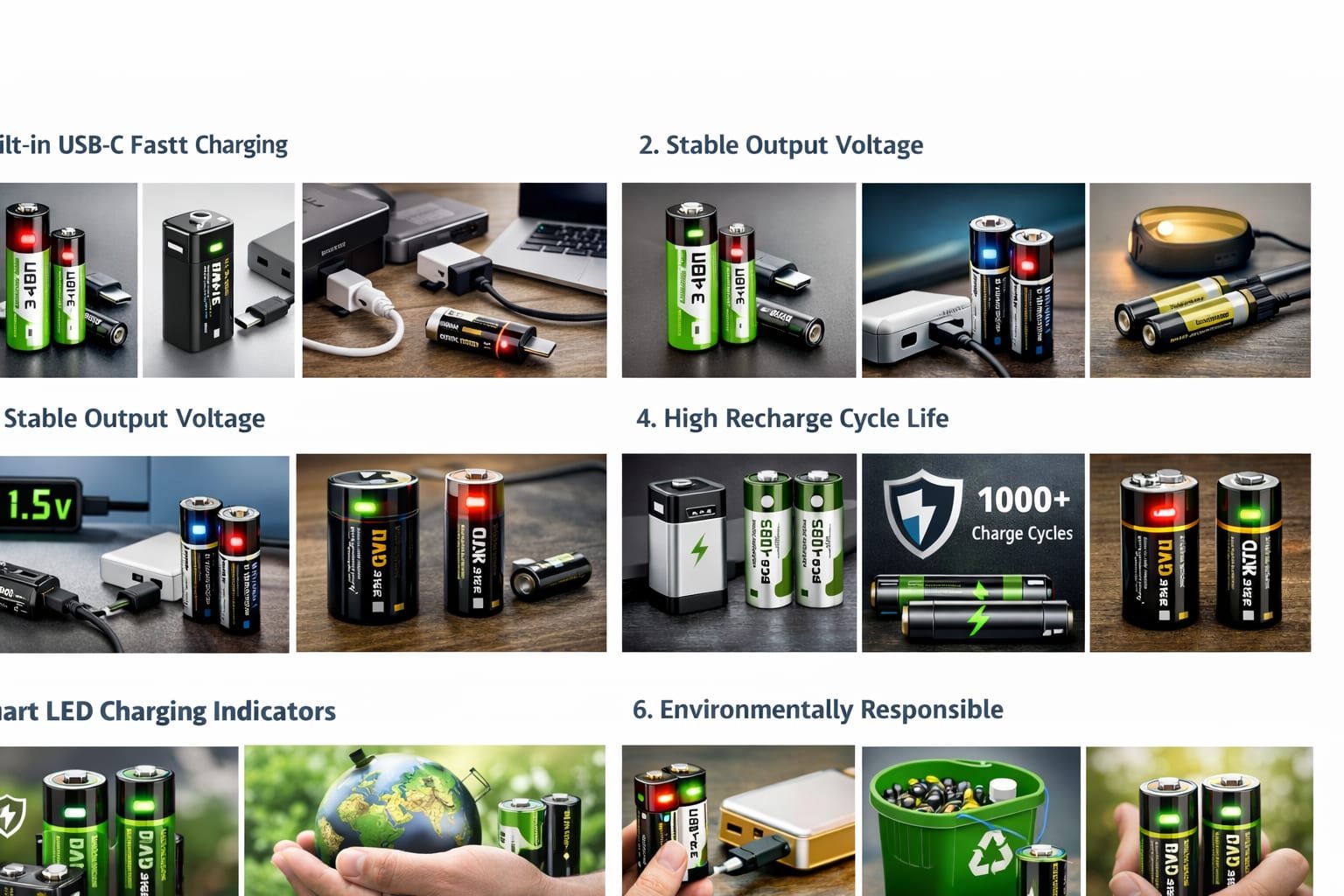
USB-C rechargeable small batteries have revolutionized portable power solutions, distinguishing themselves from traditional batteries through their advanced technological features. One of the most notable attributes of these batteries is their built-in fast charging capabilities. Utilizing the USB-C standard, they allow quicker energy replenishment, thereby reducing downtime and enhancing overall convenience for users. This feature is particularly advantageous for consumers who rely heavily on mobile devices and require a swift recharge during their busy schedules.
Another significant aspect is the stable output voltage that USB-C batteries maintain throughout their discharge cycle. Unlike traditional batteries that may experience voltage drops as they deplete, USB-C rechargeable batteries provide a consistent power supply. This reliability is crucial for sensitive electronics, ensuring devices operate optimally until the battery is nearly depleted.
Furthermore, the high recharge cycle life of USB-C batteries sets them apart from conventional options. These batteries are designed for longevity, supporting numerous charging cycles without significant loss of capacity. This resilience translates to lower replacement costs and a reduced environmental impact, making them a more sustainable choice.
Safety is paramount in battery technology, and USB-C rechargeable batteries come equipped with integrated safety features. These include overcharge protection and thermal regulation, which work together to prevent potential hazards, such as overheating or short circuits. Such operational stability adds an extra layer of assurance for users.
Lastly, the inclusion of smart LED indicators enhances user experience. These indicators not only display the current battery level but may also provide notifications about charging status and any operational anomalies. This transparency empowers users to manage their power sources more effectively and conveniently.
Exploring the Benefits of USB-C Rechargeable Batteries
USB-C rechargeable small batteries have swiftly emerged as a popular choice in modern technology. Their adoption reflects growing consumer awareness and demand for sustainable practices. One major benefit of these batteries is their environmental responsibility. Unlike disposable batteries, which often end up in landfills, USB-C rechargeable batteries can be used repeatedly, significantly reducing the environmental impact associated with battery disposal. By opting for rechargeable alternatives, users contribute to a decrease in pollution and resource depletion.
In addition to their eco-friendly nature, USB-C rechargeable small batteries also promote reduced electronic waste. The production of single-use batteries contributes to a significant amount of electronic waste, which is a pressing global issue. When consumers choose to invest in rechargeable options, they are actively participating in minimizing this waste. As electronic devices become increasingly integrated into daily life, the importance of sustainable solutions becomes more pronounced.
Moreover, the long-term cost savings associated with USB-C rechargeable batteries cannot be overlooked. While the initial investment may be higher than that of conventional disposable batteries, their ability to be recharged and reused multiple times results in significant savings over time. Consumers can enjoy the convenience of having readily available power without the need for frequent replacements. This not only benefits the wallet but also encourages a shift in consumer behavior towards more sustainable practices.
Ultimately, embracing USB-C rechargeable small batteries yields numerous advantages, including ecological responsibility, reduction in electronic waste, and long-term fiscal benefits. As technology advances, the shift toward these innovative power solutions will likely play a crucial role in fostering a more sustainable future.
Practical Applications of USB-C Rechargeable Small Batteries
As technology continues to advance, USB-C rechargeable small batteries are becoming increasingly prevalent across a variety of everyday applications. These batteries offer a versatile and efficient power source that is enhancing the functionality of numerous devices. One of the most common applications is in household gadgets such as TV remotes. The convenience of using USB-C for recharging eliminates the need for disposable batteries, simplifying the user experience and supporting sustainable practices.
Another significant area where USB-C rechargeable small batteries shine is in digital cameras. Photographers can benefit from the increased longevity and reliability of these batteries, especially during extensive shooting sessions. By utilizing USB-C technology, users can quickly recharge their batteries on-the-go, ensuring their camera remains powered during critical moments. This quick-charging capability is particularly advantageous for those who rely on high-drain devices, where traditional battery options may fall short.
Smart locks, which are becoming a popular choice for enhancing home security, also make use of USB-C rechargeable batteries. The integration of these batteries not only provides a continuous power supply but also ensures that homeowners can conveniently recharge their locks without needing to replace batteries regularly. This practicality extends to other high-drain gadgets such as gaming controllers and portable speakers, where seamless recharging can enhance the overall user experience.
In addition to consumer products, the application of USB-C rechargeable batteries is expanding into industrial equipment and medical devices, where reliability and efficiency are paramount. As technology progresses, the ability to recharge these small batteries via USB-C brings newfound flexibility and effectiveness to a wide array of high-drain devices. As a result, USB-C rechargeable small batteries are increasingly regarded as the smart choice for powering modern electronic devices.
Cost Efficiency: Are USB-C Rechargeable Batteries Worth It?
The transition from disposable batteries to USB-C rechargeable batteries has raised important considerations regarding cost efficiency. Initially, consumers tend to observe a higher upfront cost associated with purchasing USB-C rechargeable batteries compared to standard disposable counterparts. However, it is essential to analyze this initial investment against the long-term savings these rechargeable options can offer.
On average, disposable batteries are designed for one-time use. This means that over time, the costs can accumulate significantly as multiple batteries must be purchased for consistent energy needs. In contrast, USB-C rechargeable batteries can be used repeatedly, leading to a drastic reduction in the number of batteries required. When calculating the total cost of ownership, these rechargeable alternatives often become the more economical choice.
A typical USB-C rechargeable battery can be charged hundreds of times before reaching the end of its lifespan. When considering the average price of disposable batteries, users may find that they can recoup their initial investment in rechargeable batteries within a few charging cycles. This frequent usage not only savors financial resources but also results in less waste, contributing positively to environmental conservation.
Additionally, the convenience and compatibility of USB-C connectors with various devices further enhances the appeal of using these rechargeable batteries. Consumers no longer need to stock different types of batteries; they can rely on a single type across multiple devices.
In essence, while the initial costs may seem higher, the analysis reveals that USB-C rechargeable batteries present significant cost-saving benefits over time. Their long-lasting nature, coupled with reduced replacement frequency, leads to lower overall expenditure, making them a financially savvy choice for both consumers and businesses seeking sustainable alternatives.
Buying Considerations for USB-C Rechargeable Batteries
When considering the purchase of USB-C rechargeable small batteries, several critical factors come into play to ensure you make an informed choice. One of the first elements to assess is safety certifications. Look for products that meet recognized standards such as UL, CE, or RoHS compliance, as these certifications indicate adherence to safety protocols and help avert risks associated with battery use, including overheating or fire hazards.
Capacity is another important consideration. Measured in milliamp hours (mAh), capacity determines how long the battery will last before needing a recharge. Generally, batteries with higher mAh ratings offer longer runtime. However, it is essential to balance this with the size and weight constraints of the battery you intend to use. Output specifications should also be reviewed. A battery with higher output capacity (measured in volts or amps) may be more suitable for powering demanding devices, while those with lower specs may suffice for lighter applications.
Brand reputation is another crucial factor that often reflects the quality and reliability of a product. Established brands typically invest more in research and development and have more robust customer support systems. It’s advisable to read user reviews and consider feedback regarding the battery’s performance and durability. Warranty options can provide additional peace of mind; many reputable brands offer warranties ranging from one to five years, which can indicate their confidence in product longevity.
Lastly, consider the included accessories, such as USB-C charging cables or additional adapters. These items can greatly enhance user convenience and should be factored into the overall value of the purchase. Taking the time to evaluate these factors will help ensure that you invest in a USB-C rechargeable battery that meets your needs efficiently and safely.
Environmental Impact of Switching to USB-C Rechargeable Batteries
The transition to USB-C rechargeable small batteries represents a significant stride towards sustainability. These batteries are designed to be reused and recharged multiple times, which greatly diminishes the frequency of disposal compared to single-use alternatives. By opting for USB-C rechargeable batteries, consumers actively reduce landfill waste, contributing to a decrease in the environmental burden caused by discarded battery materials.
The manufacturing process of traditional non-rechargeable batteries often results in hazardous waste and emissions, posing serious ecological risks. In contrast, with their longer service life, USB-C rechargeable batteries can help mitigate such impacts. Once their lifespan is complete, many of these batteries can be recycled, ensuring that valuable metals and materials are recovered and preventing them from leaching harmful substances into the environment.
Moreover, USB-C technology facilitates easier and more efficient energy transfer, promoting energy conservation. A system that emphasizes rechargeability aligns with global efforts to shift towards renewable energy and sustainable practices. The electrification of devices powered by USB-C also encourages the use of cleaner energy sources for charging, fostering an overall reduction in carbon emissions.
As consumers increasingly prioritize eco-friendly products, the demand for USB-C rechargeable batteries is likely to rise. This shift is not only a response to marketplace trends but also aligns with larger environmental goals. By adopting USB-C rechargeable small batteries, individuals can contribute to a broader movement against pollution and resource depletion, marking a collective effort towards a greener future.
In adopting USB-C rechargeable batteries, consumers are not just making a practical choice; they are participating in a vital commitment to environmental stewardship, setting a precedent for sustainable consumer behavior in a rapidly changing world.
Conclusion: The New Standard in Portable Power Solutions
As we move toward a more connected and mobile world, the importance of effective power solutions cannot be overstated. USB-C rechargeable small batteries have emerged as a quintessential component of our daily tech arsenal, merging convenience, efficiency, and sustainability. Their versatility in charging multiple devices means that users can carry fewer cables and can rely on a single, universal connector. This not only reduces the bulkiness of our gadgets but also simplifies our charging needs, providing a seamless experience.
Moreover, the eco-conscious design of these batteries aligns well with global sustainability efforts. By opting for USB-C rechargeable small batteries, consumers contribute to reducing electronic waste and minimizing the carbon footprint associated with disposable batteries. The longevity and reusability of USB-C options significantly outshine traditional battery solutions, ultimately saving both money and resources over time.
Furthermore, as technological advancements continue to influence battery design and efficiency, USB-C rechargeable small batteries are well positioned to adapt and flourish. With inherent features like rapid charging capabilities and optimized power distribution, these batteries offer not just a power solution but an innovative approach to energy management. End users are also benefiting from improved device compatibility, making these rechargeable batteries a practical investment for consumers across various sectors.
In conclusion, the shift towards USB-C rechargeable small batteries signifies a broader trend aimed at achieving smarter, eco-friendly power solutions. Their inherent convenience, coupled with an environmentally responsible framework, indicates that they are not merely a passing trend but rather the new standard in portable power solutions, set to dominate the market in the years to come.