What Is a Voltage Converter and How Does It Work? (Complete 2025 Guide)
When traveling abroad or purchasing appliances from another country, one of the most common — and costly — mistakes people make is ignoring voltage differences. This is where a voltage converter becomes essential.
A voltage converter ensures your devices receive the correct electrical power, preventing damage, overheating, or complete failure. This guide explains what a voltage converter is, how it works, when you need one, and how to choose the right model — with professional insights aligned to Vevor.Company standards.


What Is a Voltage Converter?
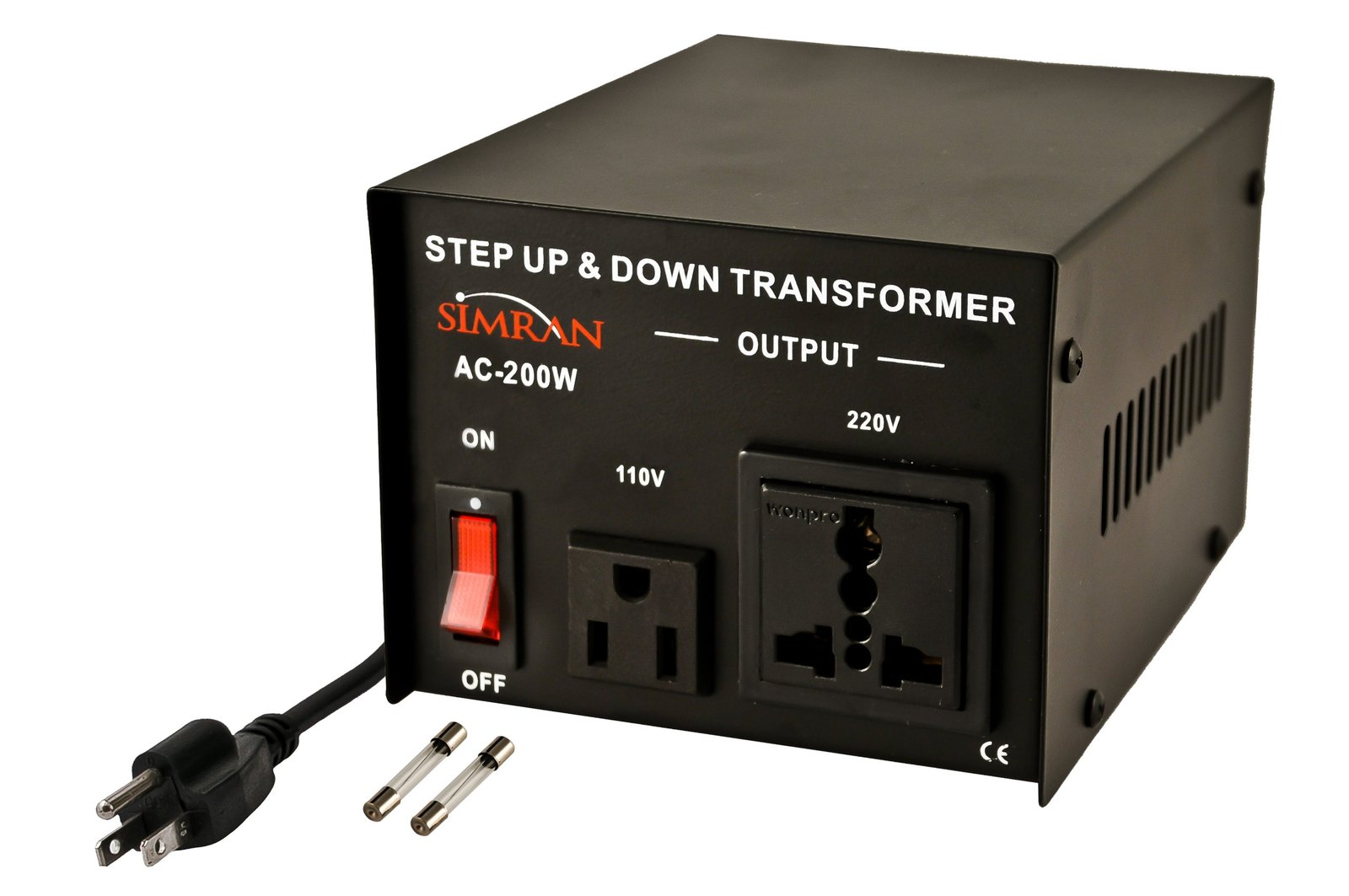
A voltage converter is a device that adjusts electrical voltage from one level to another — either stepping voltage up or stepping it down — so your appliance can operate safely in countries with different power standards.
Think of voltage like water pressure:
- Too much pressure damages equipment
- Too little pressure prevents operation
A voltage converter balances that pressure so your device works exactly as intended.
Why Voltage Conversion Is Necessary
Electrical standards vary around the world:
| Region | Standard Voltage |
|---|---|
| North America | 110–120V |
| Europe | 220–240V |
| Asia | 220–240V |
| Middle East | 220–240V |
| Africa | 220–240V |
Plugging a 120V device into a 230V outlet can permanently damage it.
Plugging a 230V device into a 120V outlet may cause it not to work at all.
Voltage converters solve this problem by ensuring your appliance always receives the voltage it was designed for.
How Does a Voltage Converter Work?
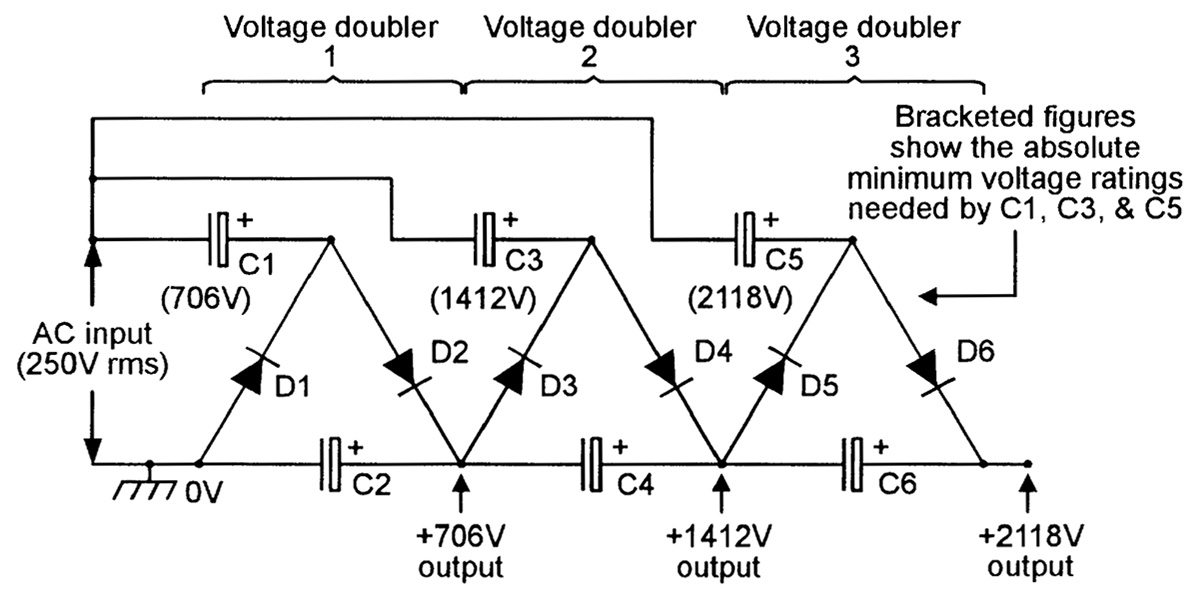

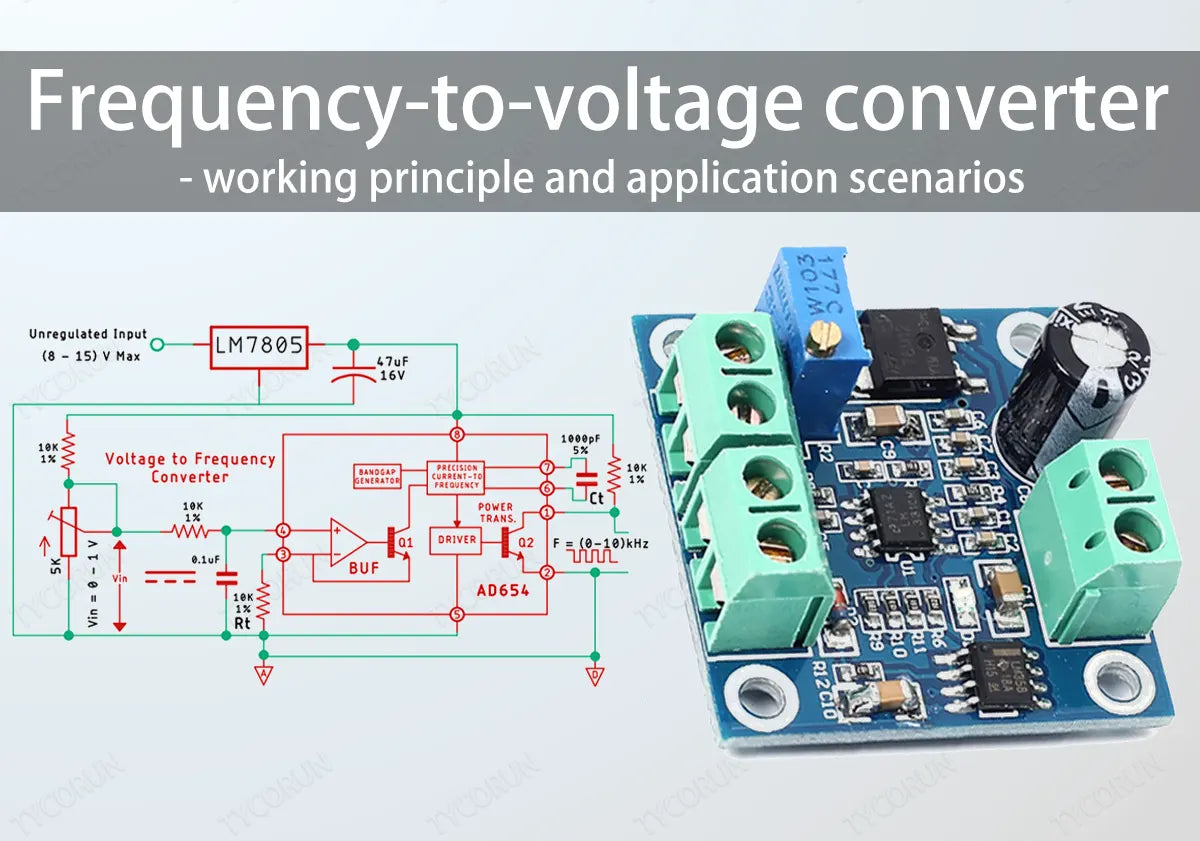
Inside every voltage converter is a system that modifies incoming power before it reaches your device.
Basic Working Process
- Power enters the converter from the wall outlet
- Internal circuitry or transformer adjusts voltage
- Correct voltage exits through the converter socket
- Your device runs safely without risk of damage
Modern converters combine electronic circuitry and transformer technology to deliver stable, efficient, and compact power conversion.
Internal Components of a Voltage Converter
A high-quality voltage converter includes multiple safety and performance components:
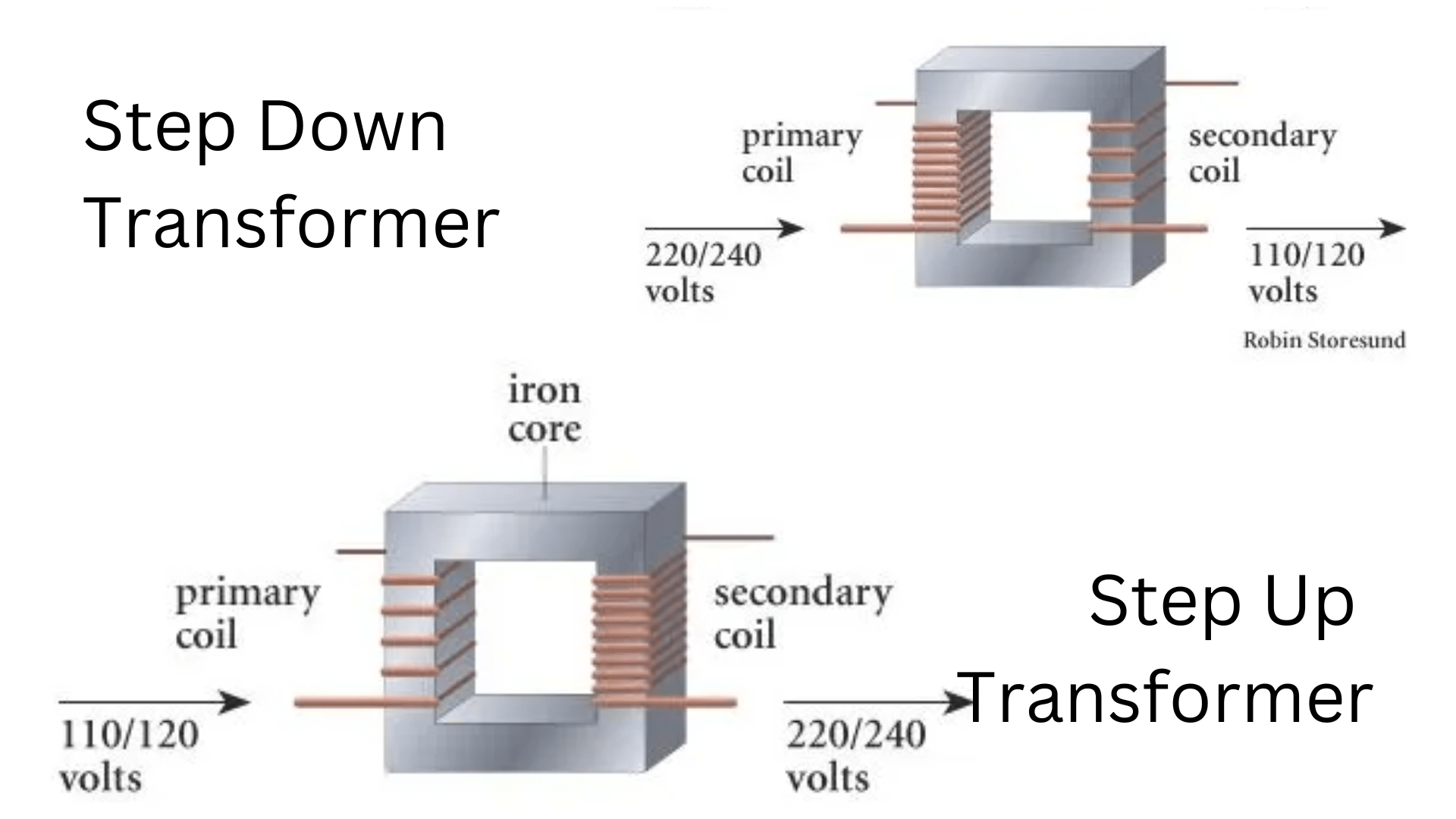
- Primary Coil – Receives incoming voltage
- Secondary Coil – Outputs converted voltage
- Transformer Core – Transfers energy efficiently
- Circuit Board – Controls power flow and safety systems
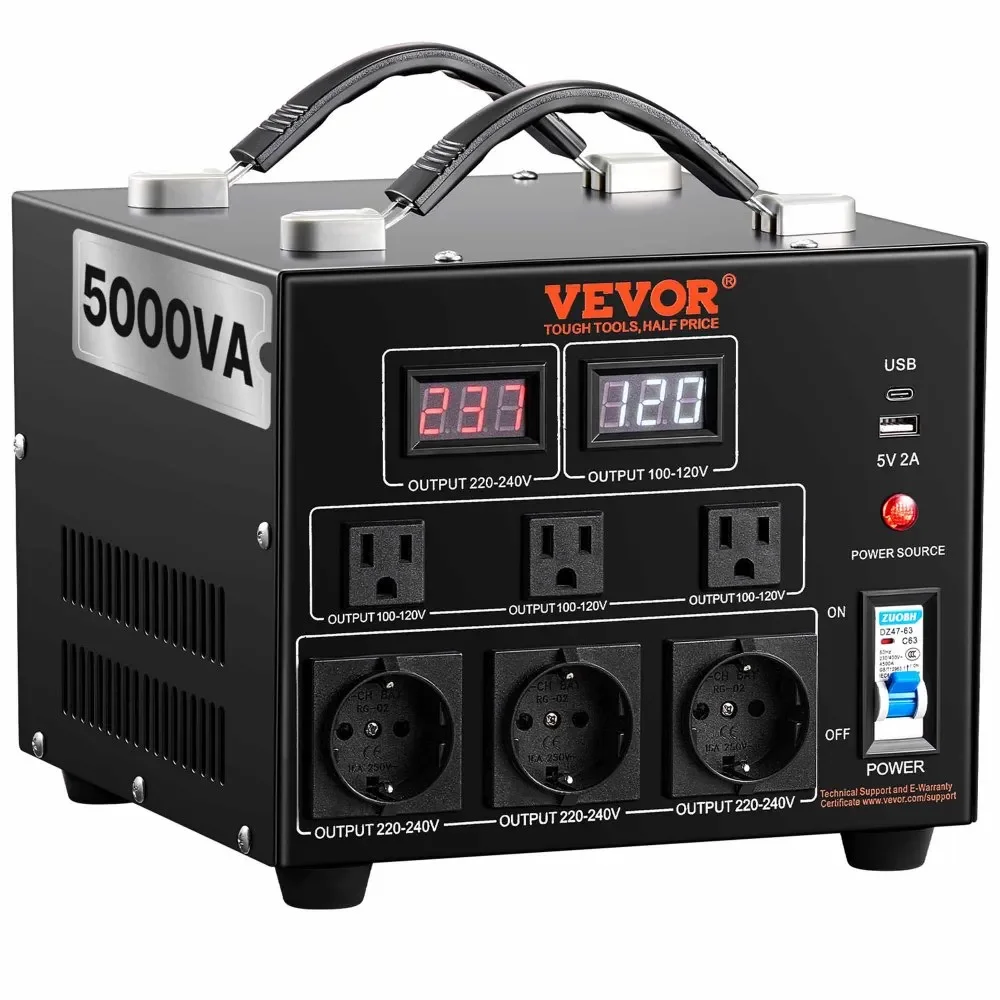
- Voltage Selector Switch – Chooses step-up or step-down mode
- Fuse Protection – Prevents overload damage
- Thermal Protection – Shuts down unit if overheating occurs
- Cooling Fan – Maintains safe operating temperature
- Heat Sinks – Dissipate internal heat
- Surge Protection – Guards against voltage spikes
- Grounding System – Ensures electrical safety
This is why professional-grade converters, such as those offered by Vevor.Company, outperform basic travel units.
Mechanical vs Electronic Voltage Converters
🔹 Gutenberg Block: Comparison Table
| Feature | Mechanical Converter | Electronic Converter |
|---|---|---|
| Technology | Magnetic coils | Electronic circuits |
| Weight | Heavy | Lightweight |
| Power Handling | High wattage | Low to medium wattage |
| Heat Management | Excellent | Moderate |
| Best For | Kettles, tools, heaters | Phones, laptops, cameras |
| Travel Friendly | No | Yes |
Professional Tip:
Use mechanical converters for high-watt appliances and electronic converters for portable electronics.
Voltage Converter vs Transformer vs Adapter


| Device Type | Changes Voltage? | Changes Plug Shape? | Purpose |
|---|---|---|---|
| Voltage Converter | Yes | No | Safe appliance operation |
| Transformer | Yes | No | Continuous high-power use |
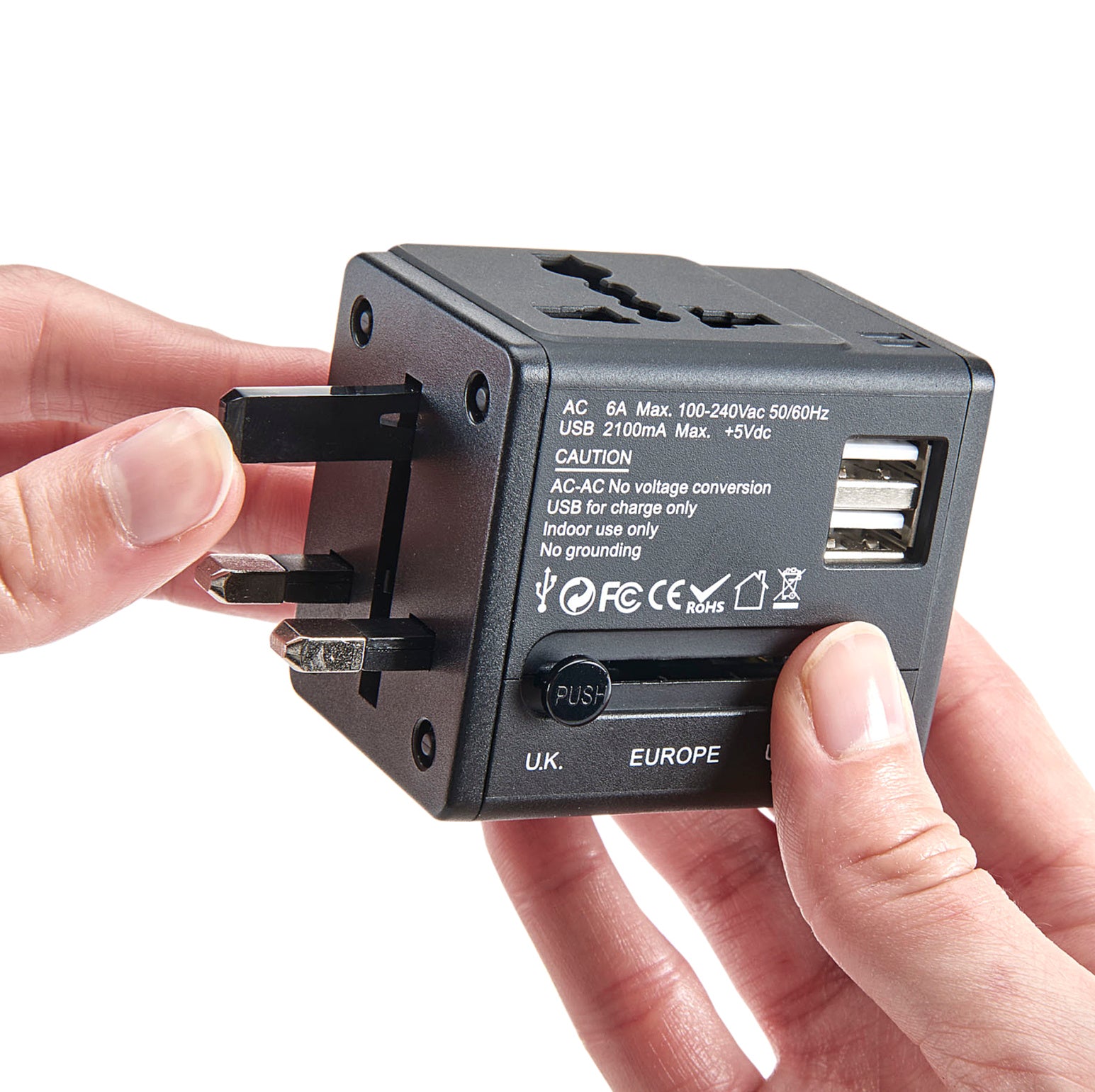
| Travel Adapter | No | Yes | Plug compatibility only |
Important:
Adapters do not protect your device. If voltage is incorrect, damage will occur.
When Do You Need a Voltage Converter?
You need a voltage converter if:
- Your device supports only one voltage
- You are traveling to a country with a different voltage standard
Common Devices That Need Converters
- Hair dryers and straighteners
- Electric kettles
- Gaming consoles
- Kitchen appliances
- Small heaters
If your device label says “110–240V”, it is dual-voltage and only needs a plug adapter.
How to Choose the Right Voltage Converter
Check Appliance Wattage
Always select a converter rated 25–30% higher than your device’s wattage to handle startup surges safely.
Match Voltage Correctly
- 120V-only device → needs converter in 220–240V countries
- 110–240V device → no converter required
Look for Safety Features
Choose models with:
- Overload protection
- Cooling fans
- Heat-resistant casing
- Replaceable fuses
- Automatic thermal shutdown
These features define reliable professional converters, not cheap travel accessories.
Safety Tips for Using Voltage Converters

- Never exceed the converter’s watt rating
- Avoid using compact converters with heating appliances
- Ensure proper ventilation during use
- Do not cover the converter while operating
- Always check dual-voltage labels before travel
Frequently Asked Questions
Do all devices need a voltage converter?
No. Only single-voltage devices require converters. Dual-voltage electronics need only plug adapters.
Can a converter damage electronics?
Not if properly rated. Damage occurs when wattage limits are exceeded or poor-quality converters are used.
What is the difference between a converter and a transformer?
Transformers rely solely on magnetic coils and are heavier. Converters may use electronic circuits or a hybrid approach.
Is a voltage converter the same as a travel adapter?
No. Adapters change plug shape only. Converters change electrical voltage.
Why Choose Vevor.Company Voltage Converters?
Vevor.Company converters are built for real-world power demands, offering:
- Stable voltage conversion
- Industrial-grade safety systems
- Support for high-watt appliances
- Durable construction
- Excellent value for professionals and travelers
Final Thoughts
Understanding voltage conversion removes uncertainty from travel and international appliance use. With the right voltage converter, you protect your devices, extend their lifespan, and ensure safe operation anywhere in the world.
For dependable, professionally engineered power solutions, Vevor.Company voltage converters are a trusted choice for both home and travel use.