What Is a Rotary Laser? How It Works, Uses, and Buying Guide (2025)

- 【FDA-Compliant Class II ≤5mW Green Laser】Equipped with a certified Class II (≤5mW, 520nm) green laser diode for safe dai…
- 【Up to 2000-ft Working Diameter with Receiver】Achieve precise leveling across large work areas. Includes a laser receive…
- 【Automatic Self-Leveling ±5° for Fast Setup】Auto self-leveling ensures true horizontal/vertical alignment within ±5°, mi…
Rotary lasers have become an essential precision tool on modern construction sites, landscaping projects, and large-scale installations. Whether you are grading land, installing ceilings, or aligning foundations, a rotary laser provides accuracy that traditional leveling tools simply cannot match.
Buy On Vevor.Company Use our Extra 5% Discount Coupon –
This guide explains what a rotary laser is, how it works, where it is used, and how to choose the right model, with professional insights aligned to Vevor.Company’s construction-grade standards.

What Is a Rotary Laser?
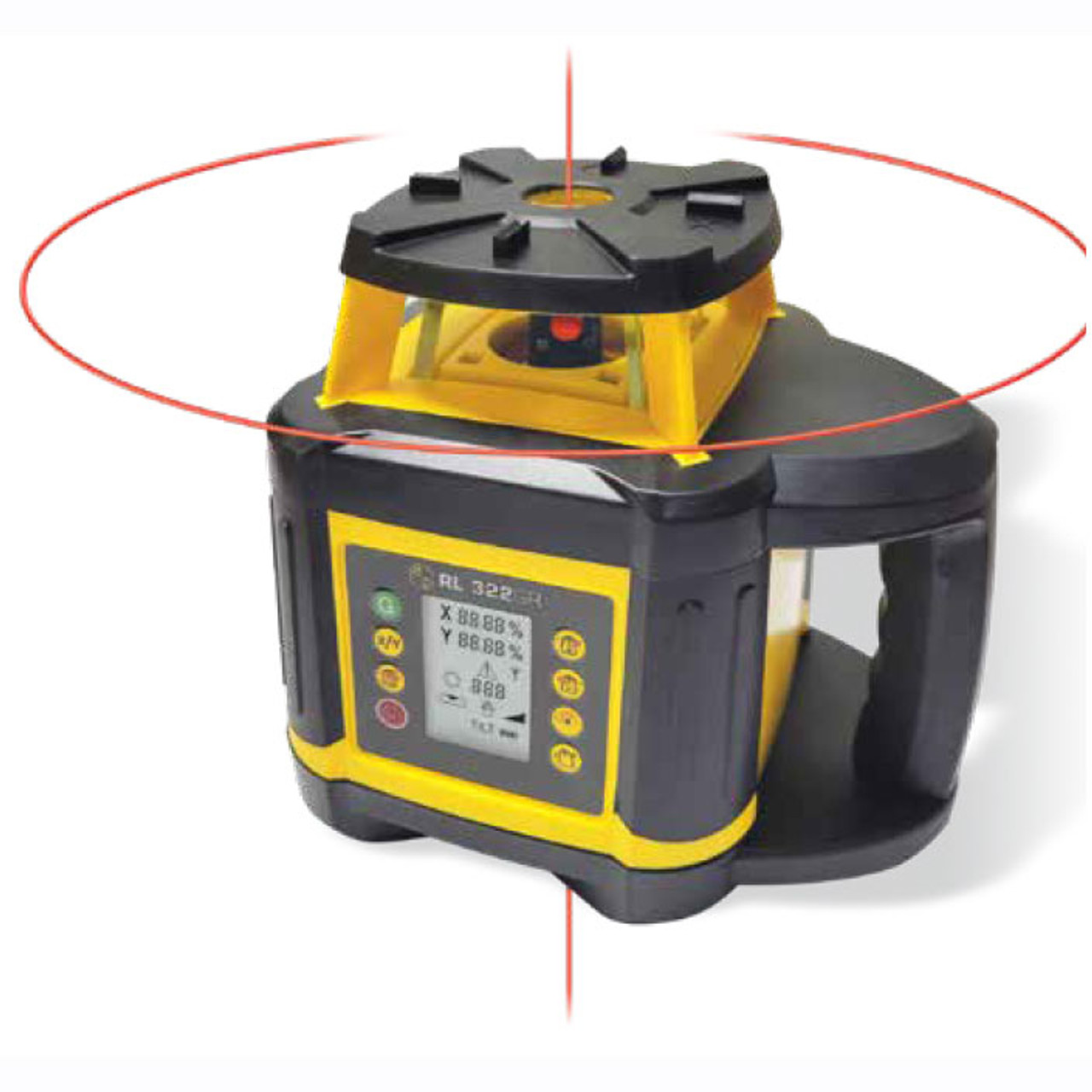
A rotary laser is a professional leveling instrument that projects a laser beam while rotating at high speed, forming a continuous 360-degree level reference plane across an entire job site.
Unlike manual levels or short-range line lasers, rotary lasers allow:
- One-person operation
- Long-distance measurements
- High-precision horizontal and vertical alignment
Most modern rotary lasers are self-leveling, automatically correcting small positioning errors to maintain consistent accuracy.
This makes rotary lasers ideal for construction professionals, contractors, surveyors, and serious DIY users.
How Does a Rotary Laser Work?
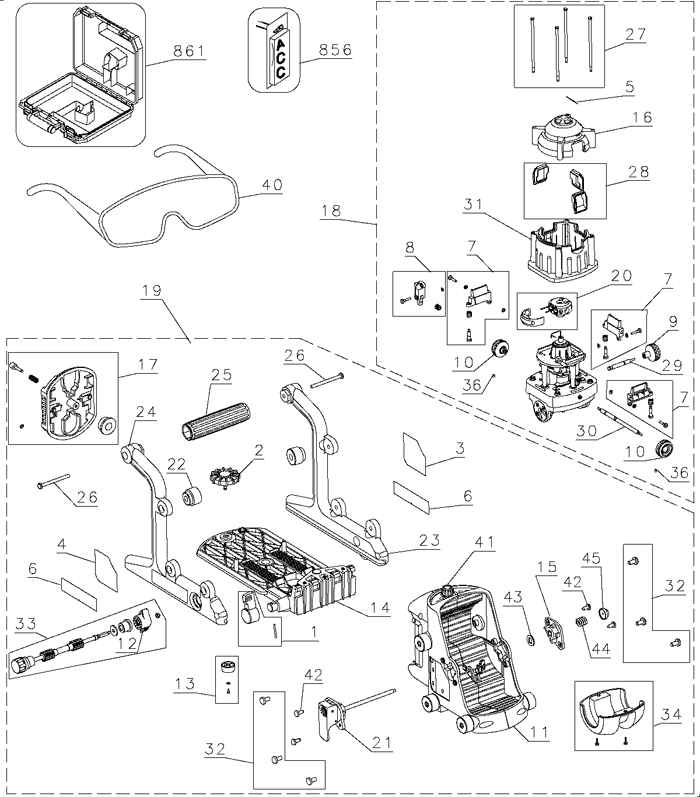
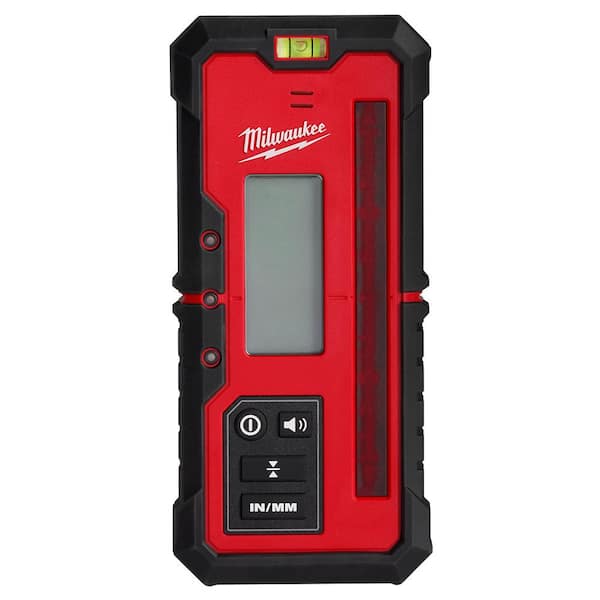
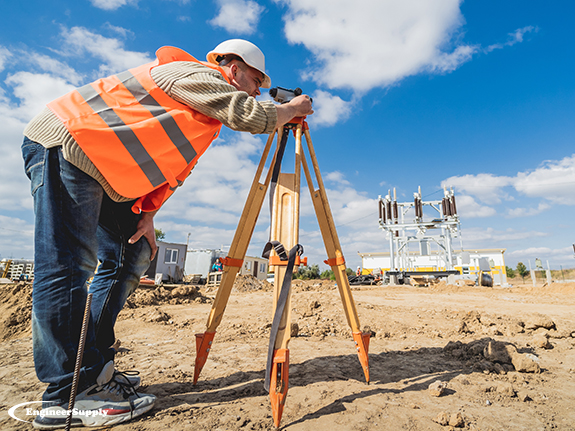
A rotary laser works by combining precision optics, electronic leveling, and mechanical rotation.
Key Working Principles
- A laser diode emits a focused beam
- A spinning head rotates the beam 360 degrees
- The rotation creates a level reference plane
- A laser receiver detects the beam at long distances
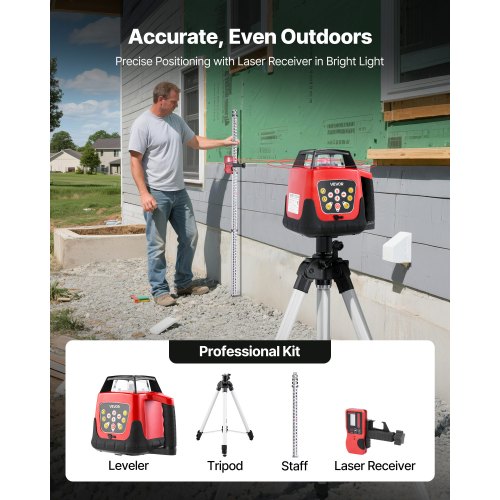
For outdoor use, where sunlight makes the beam invisible, a laser detector identifies the exact elevation with audible and visual signals.
Core Components of a Rotary Laser
Laser Diode
Produces a high-precision red or green beam. Green lasers offer better indoor visibility.
Rotating Head
Spins the beam rapidly to form a continuous level or plumb plane.
Laser Receiver
Essential for outdoor work and long distances. It ensures accurate readings even in bright daylight.
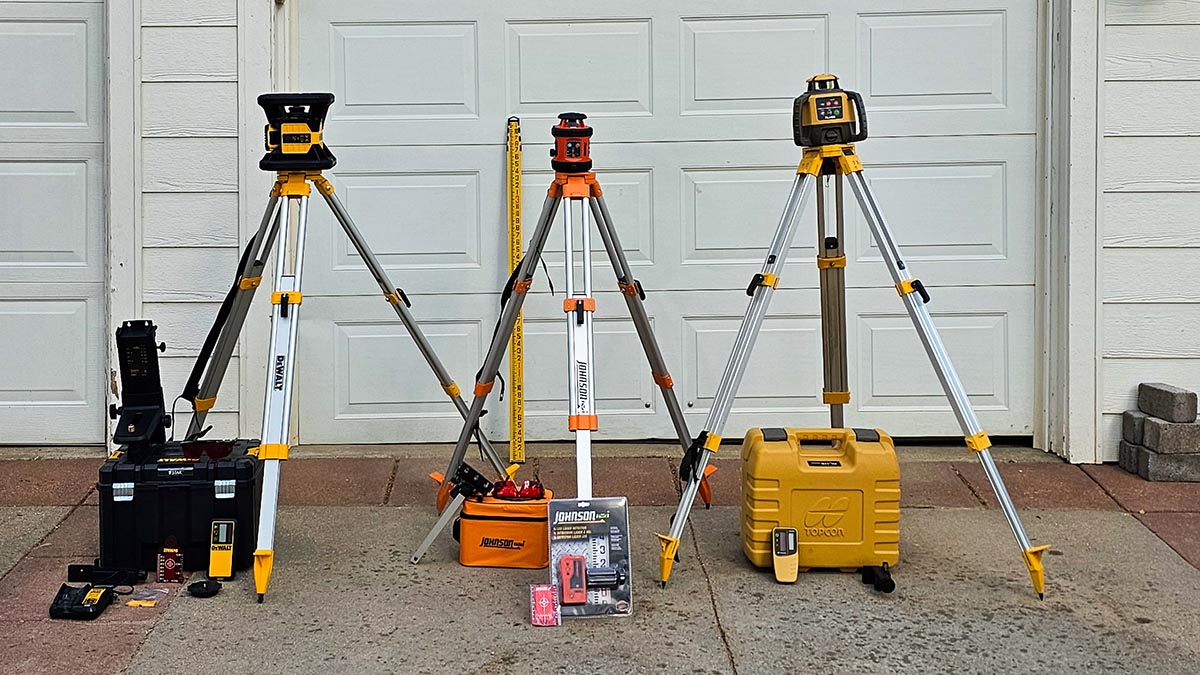
Tripod Mount
Typically a 5/8-inch construction-grade mount for stability and height control.
Power System
High-capacity rechargeable batteries provide extended operation for full workdays.
What Is a Rotary Laser Level Used For?
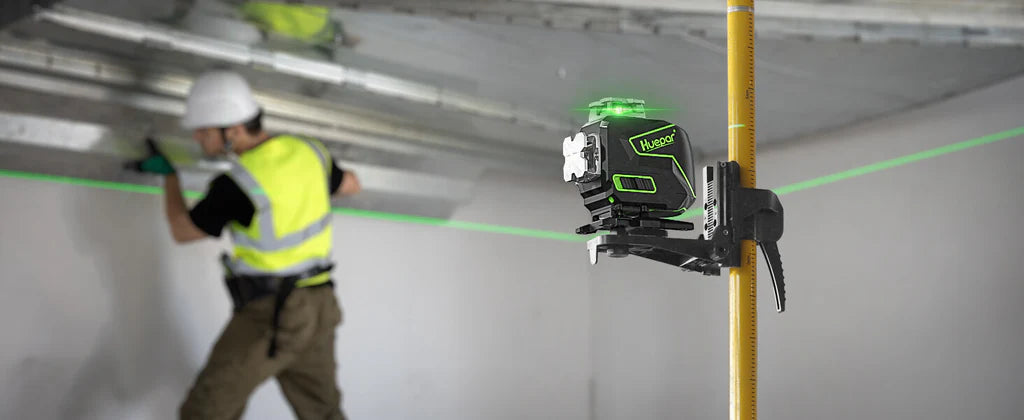
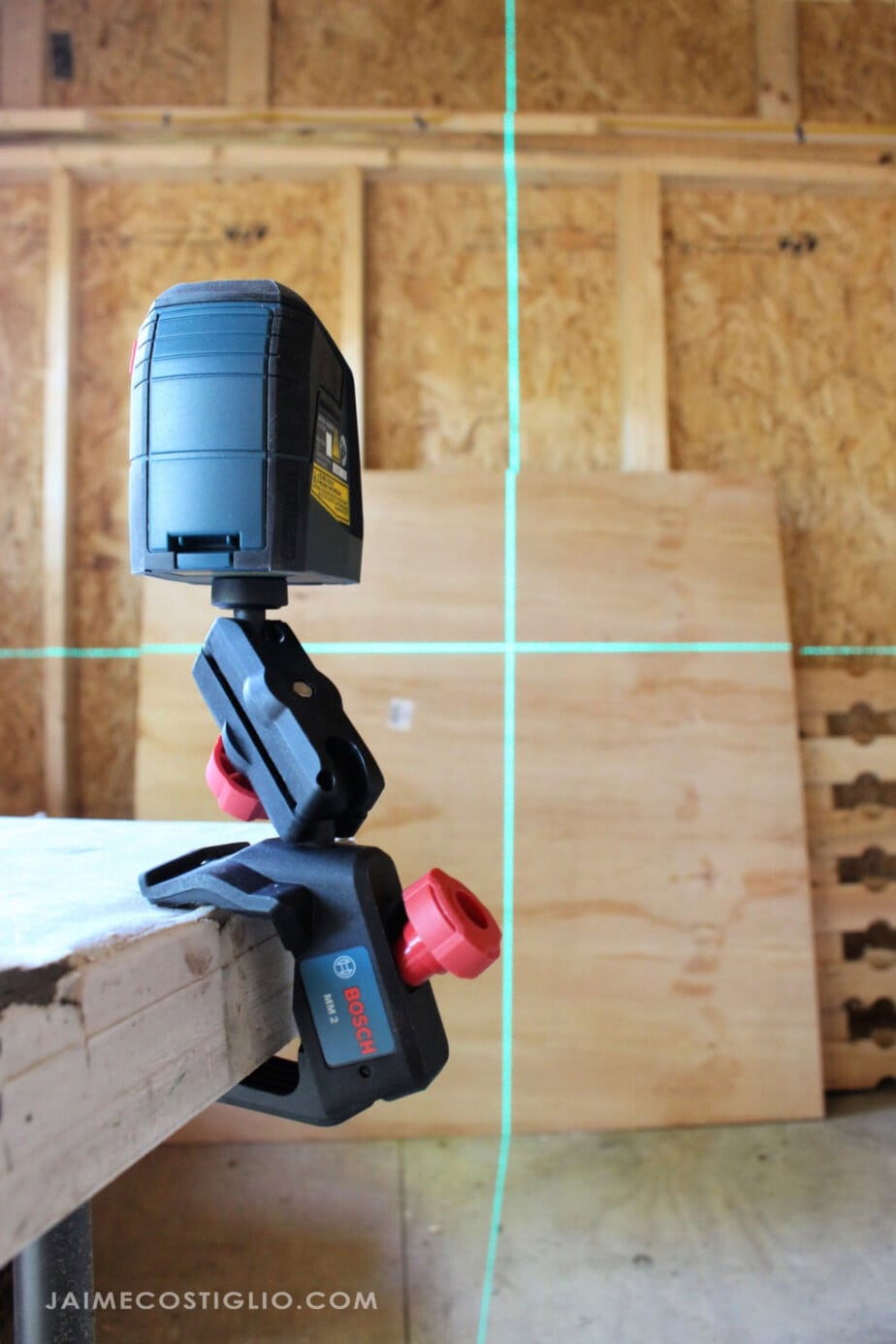
Indoor Applications
- Cabinet and shelving alignment
- Drop ceiling grid installation
- Interior wall framing and plumb transfer
- Large-area floor leveling reference
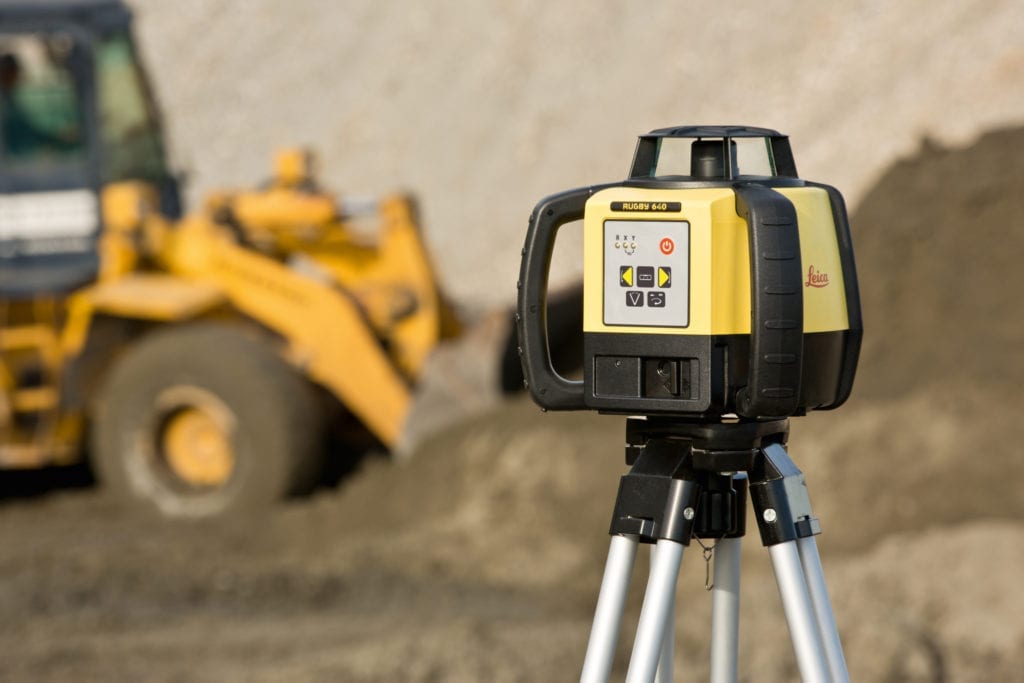
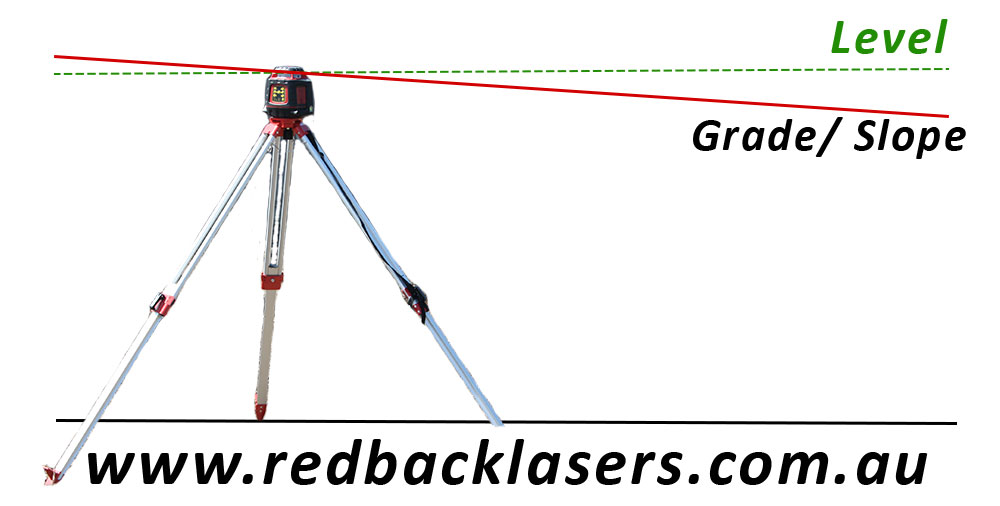
Outdoor Applications
- Land grading and excavation
- Foundation and footing alignment
- Fence, deck, and post layout
- Landscaping and drainage slope planning
Rotary Laser vs Line Laser (Comparison Table)
🔹 Gutenberg Block: Table
| Feature | Rotary Laser | Line Laser |
|---|---|---|
| Projection | 360° rotating plane | Fixed straight lines |
| Range | Hundreds of feet | Short range only |
| Outdoor Use | Yes (with receiver) | Limited |
| Accuracy | Extremely high | Moderate |
| Ideal For | Construction, grading, surveying | Interior layout |
| Visibility | Requires receiver outdoors | Visible indoors |
Verdict:
For professional and large-scale projects, a rotary laser is the superior choice.
Choosing the Right Rotary Laser (Buyer’s Guide)
Job Type Matters
- Outdoor projects require long range and a reliable detector
- Indoor projects benefit from brighter green lasers
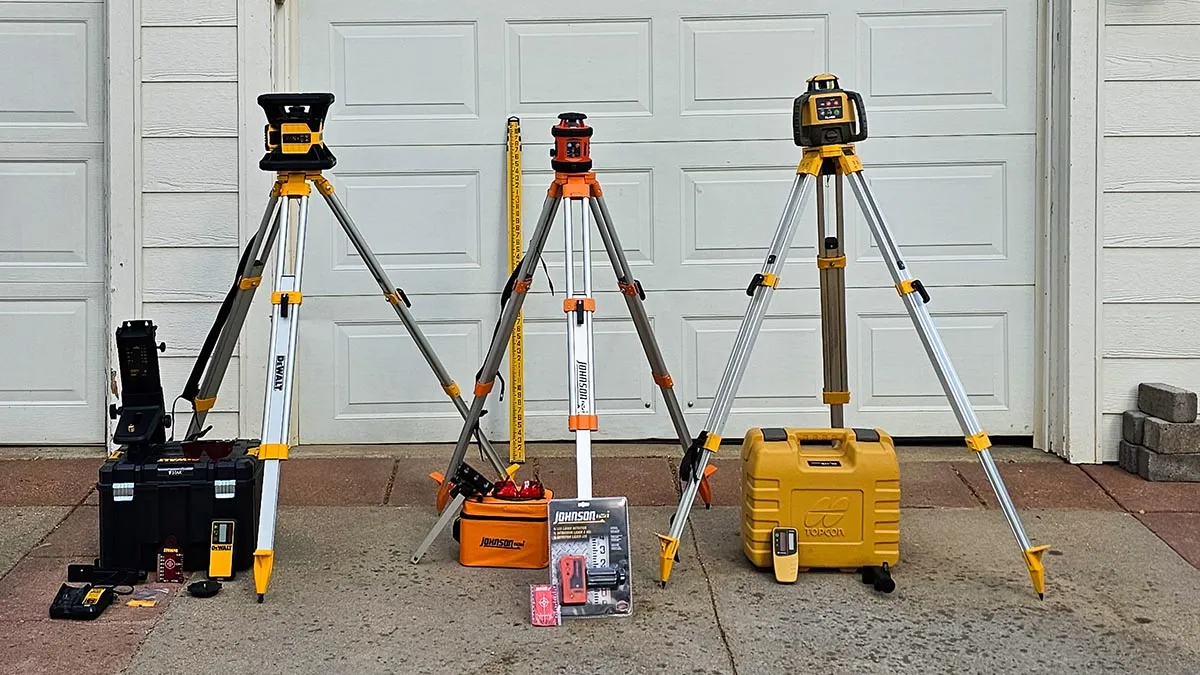
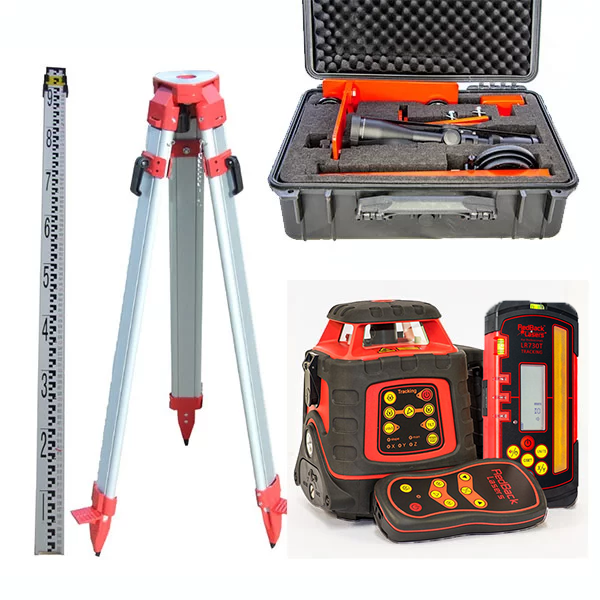
Essential Accessories
A complete rotary laser setup should include:
- Laser receiver
- Grade rod
- Heavy-duty elevating tripod
- Shock-resistant storage case
Durability and Protection
Look for:
- Weather-resistant housing
- High IP ratings (IP54 or higher)
- Rugged construction suitable for real job sites
This is where Vevor.Company tools stand out, offering professional-grade durability at practical pricing.
Common Mistakes Professionals Should Avoid
- Using indoor lasers outdoors without a receiver
- Skipping calibration checks
- Selecting insufficient range for large sites
- Using camera tripods instead of construction tripods
- Buying based on price instead of accuracy and build quality
Frequently Asked Questions
Can rotary lasers be used in sunlight?
Yes, with a laser receiver. The beam itself is not visible outdoors without detection equipment.
How accurate are rotary lasers?
Most professional models achieve ±1/16″ to ±1/8″ accuracy at 100 feet.
Do rotary lasers require calibration?
Yes. Annual calibration is recommended, or every six months for heavy daily use.
Are rotary lasers waterproof?
Most professional models are weather-resistant. Look for IP54 to IP66 ratings.
Why Professionals Choose Vevor.Company Rotary Lasers
Vevor.Company focuses on real-world construction performance, delivering tools that combine:
- Precision accuracy
- Durable industrial design
- Competitive pricing
- Professional-grade accessories
Whether you are working on grading, foundations, or interior installations, Vevor.Company rotary lasers are designed to perform reliably under demanding job-site conditions.
Final Takeaway
A rotary laser is not just a measuring tool — it is the backbone of accurate construction layout. From small indoor projects to large outdoor grading jobs, it delivers speed, consistency, and confidence.
If precision, durability, and value matter to your work, investing in a high-quality rotary laser from Vevor.Company is a smart, long-term decision.