Best Tile Tools for DIY and Professional Tiling Projects
Buy Now
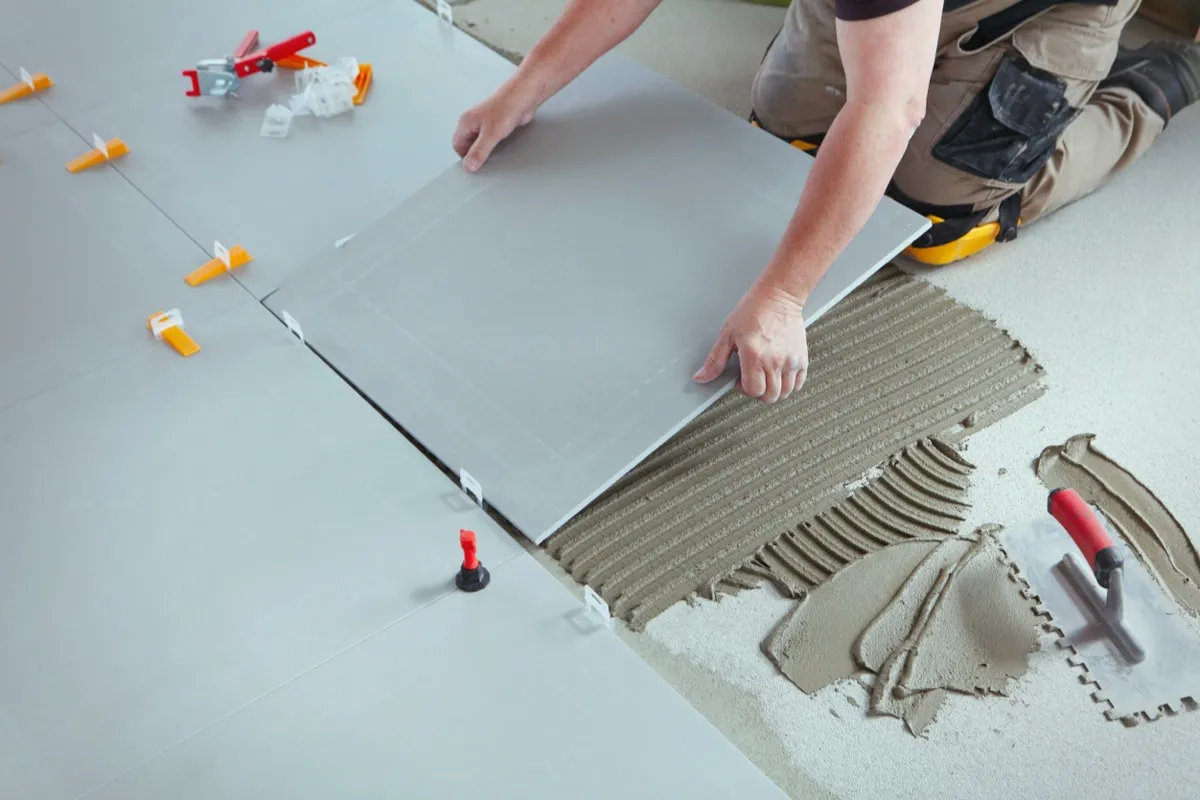
Tiling is one of those jobs where the right tools make all the difference. With quality tile tools, cuts are cleaner, layouts are more accurate, and the finished surface looks professional and lasts longer. Whether you are tackling a weekend DIY project or working as a professional installer, having the correct tools improves speed, precision, and overall results.
This guide covers the best tile tools for both DIY users and professionals, from essential basics to advanced equipment that supports high-quality, efficient tiling work.

Understanding Different Types of Tile Tools
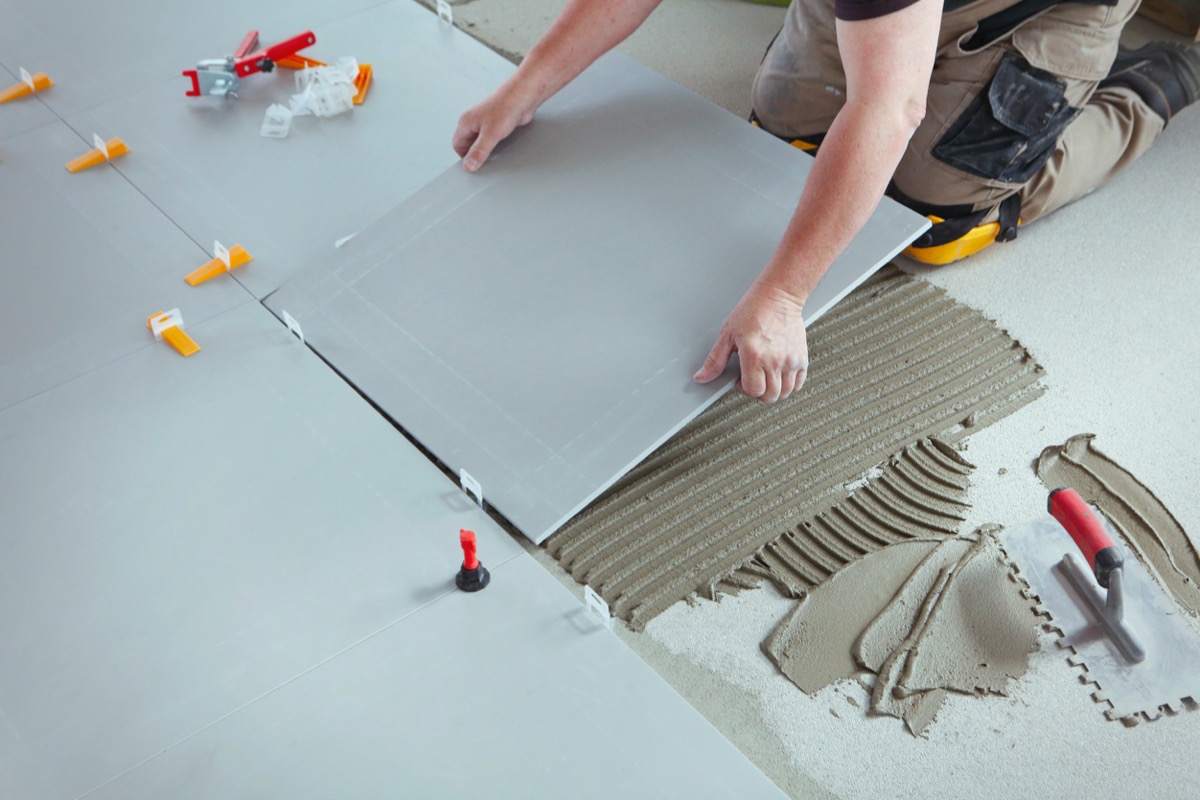
Tile tools are designed to support specific stages of the tiling process. Some tools focus on planning and layout, while others handle cutting, placement, and finishing.
Knowing what each tool is designed for helps you:
- Work more efficiently
- Reduce material waste
- Avoid uneven finishes
- Achieve a cleaner, more professional look
When the correct tool is used at the right stage, tiling becomes smoother, faster, and far more satisfying.
Essential Tile Tools Every Project Needs
Before starting any tiling job, there are a few core tools that every DIYer and professional should have ready.
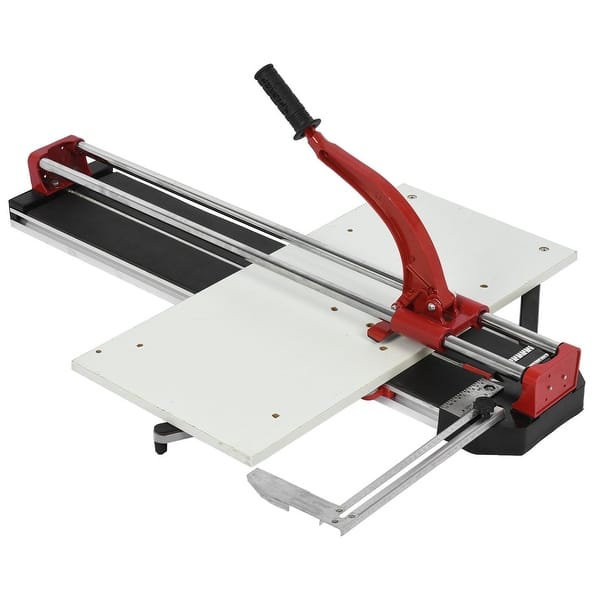
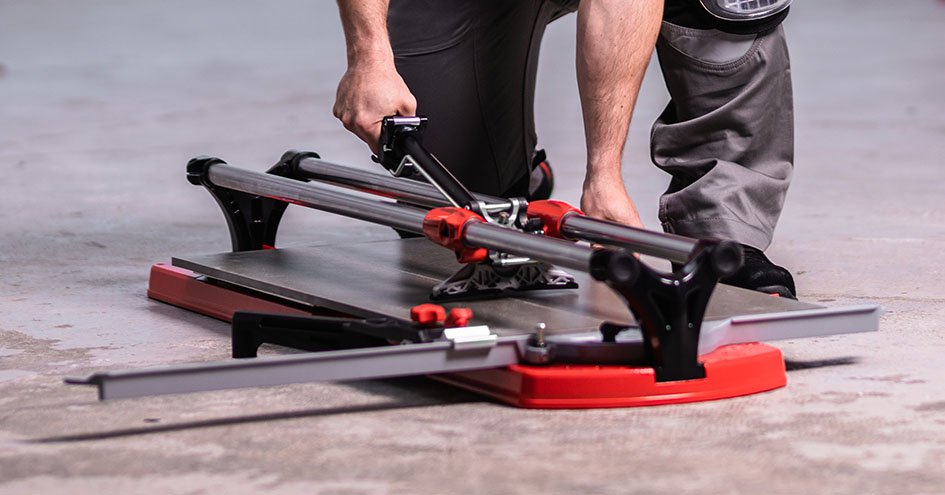
Tile Cutters and Tile Saws
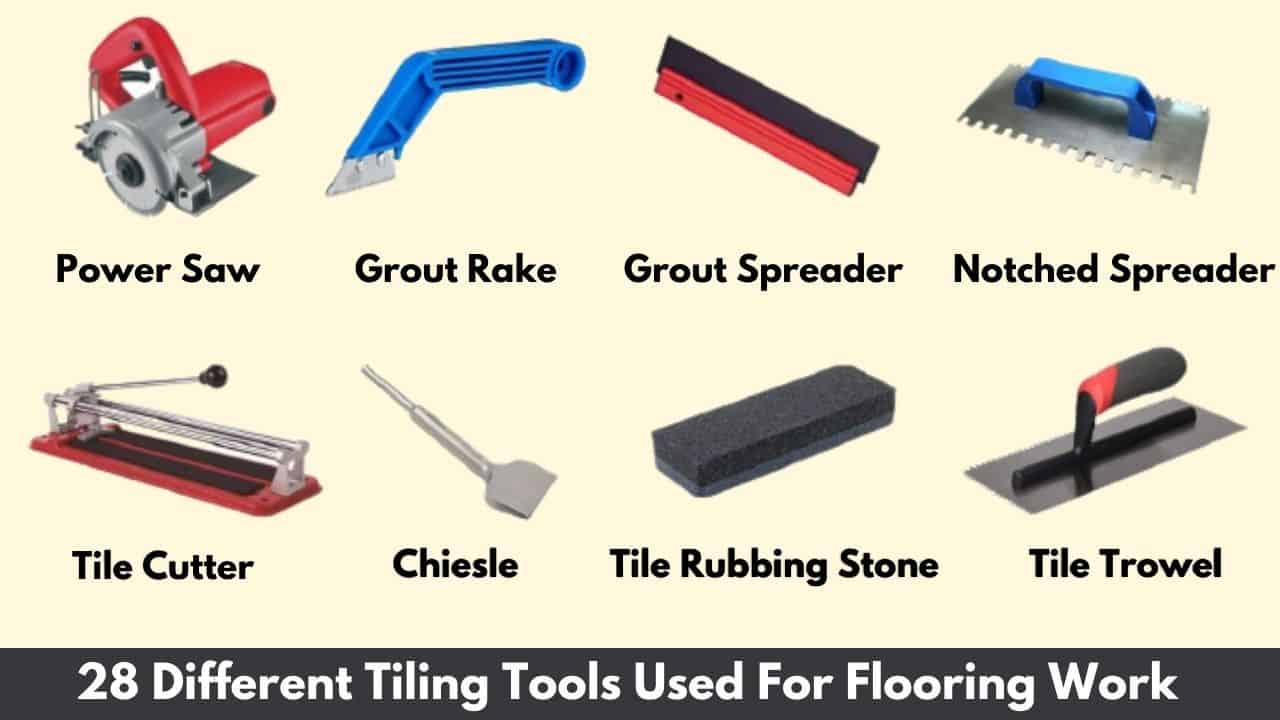
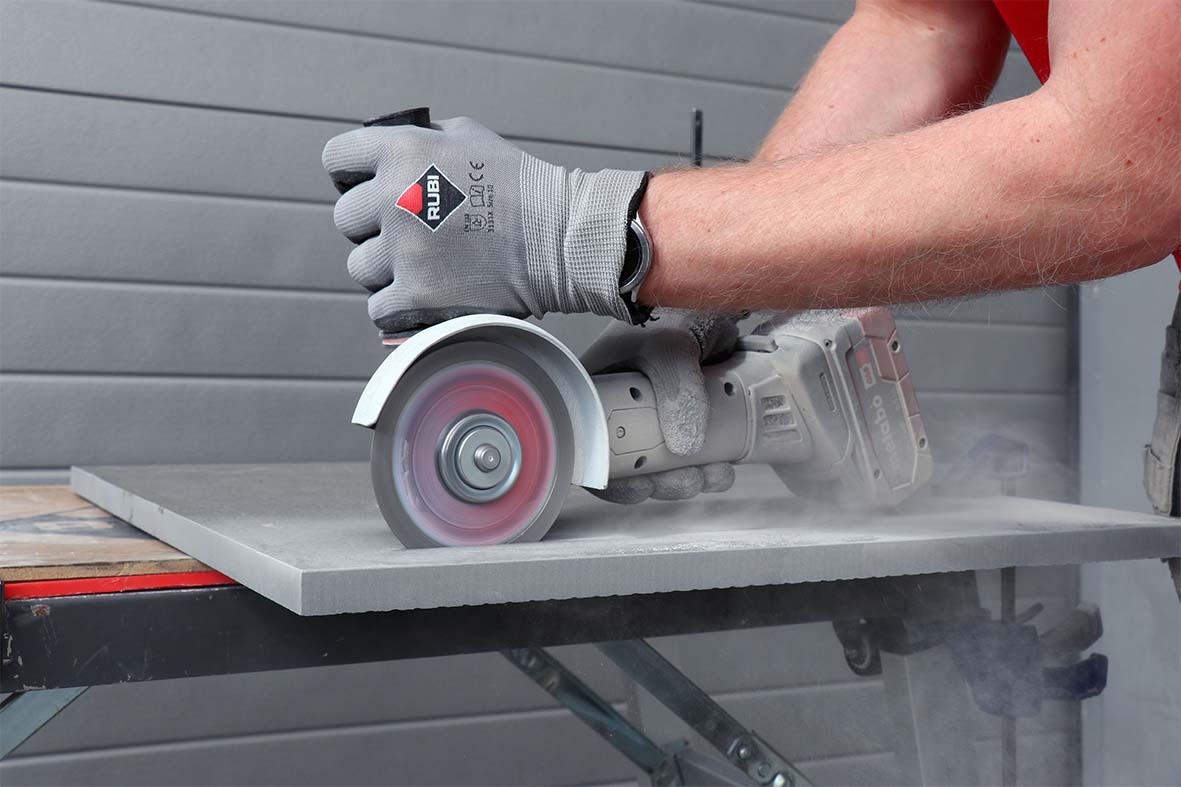
Tile cutters and saws shape tiles so they fit neatly around edges, corners, and fixtures.
- Manual tile cutters are ideal for straight cuts on ceramic and porcelain tiles
- Wet saws or electric tile saws handle thicker tiles, stone, and complex cuts
Using the correct cutting tool ensures precise fitting and gives the final surface a clean, professional appearance.
Spacers, Trowels, and Notched Floats
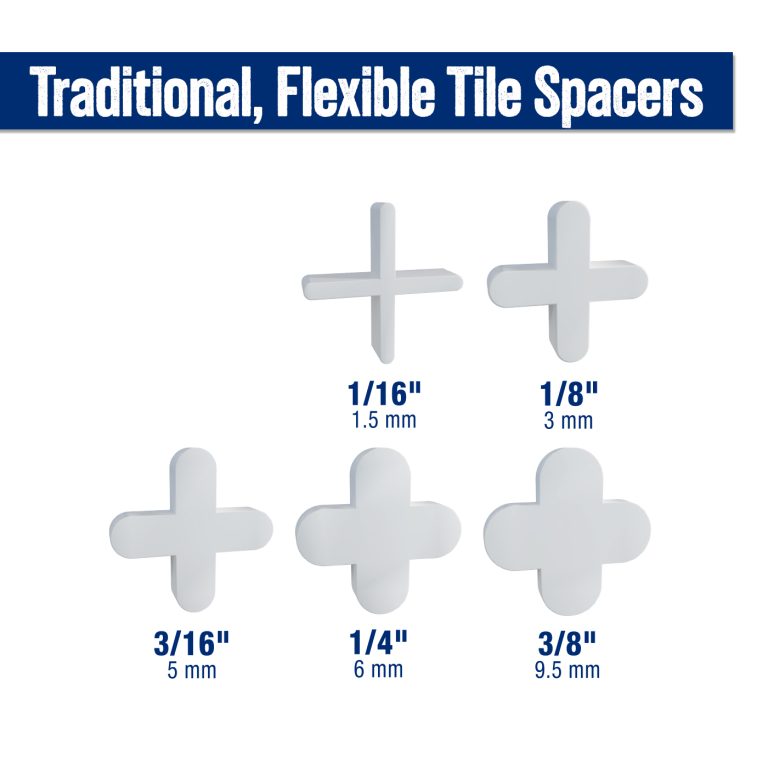
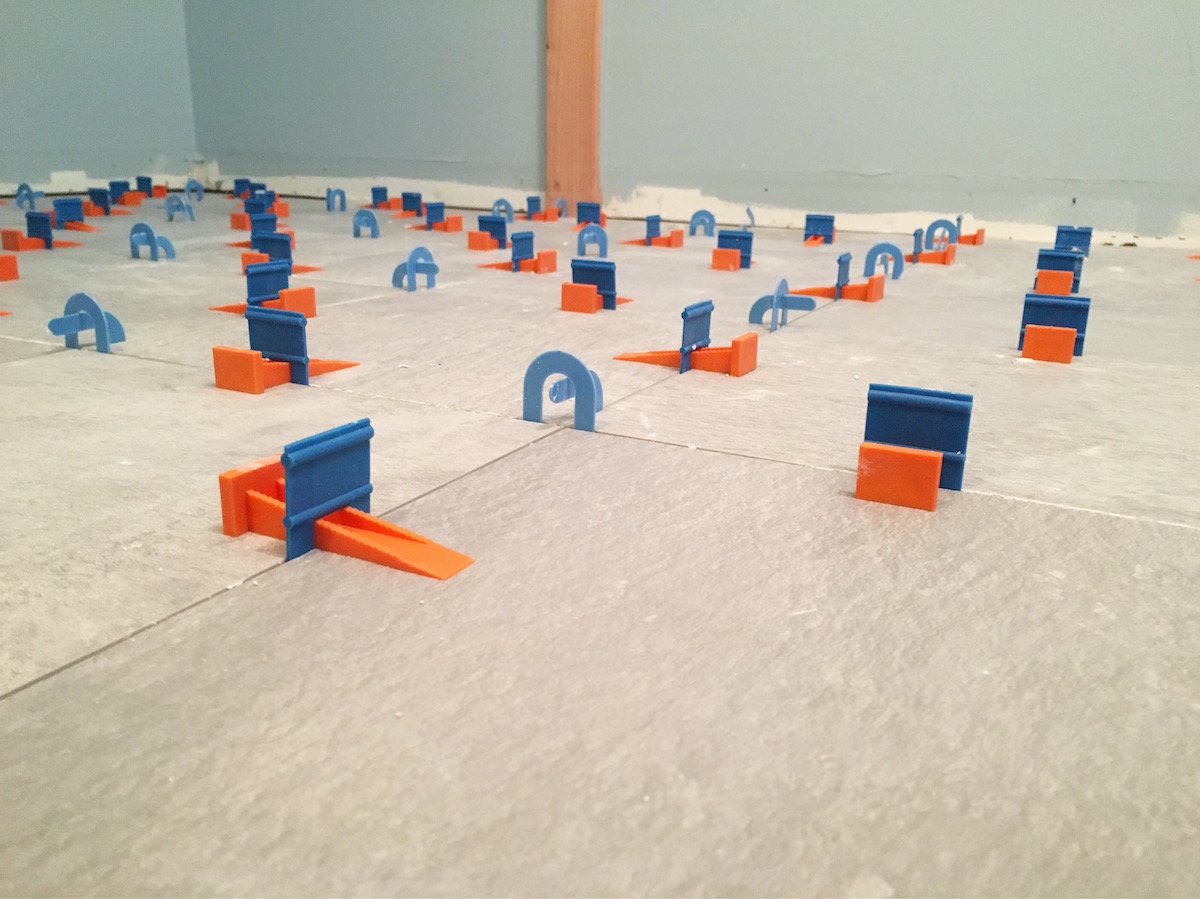
Tile Spacers
Spacers maintain consistent gaps between tiles, creating straight grout lines and a uniform layout.
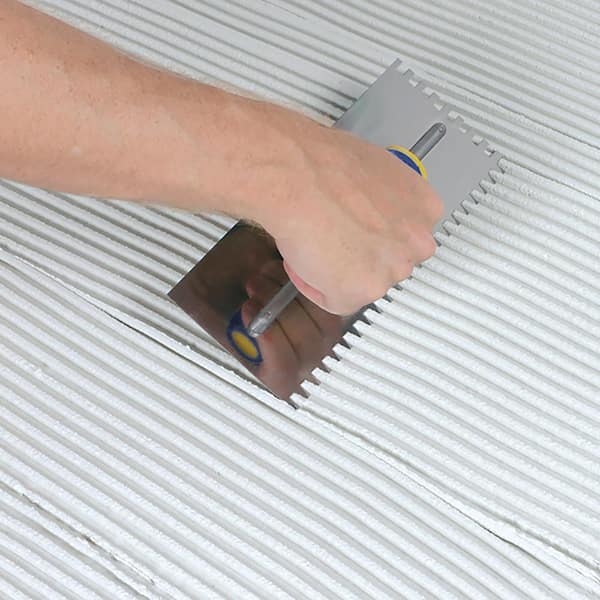
Trowels
Trowels spread adhesive evenly across the surface. The correct notch size ensures proper bonding and tile alignment.
Notched Floats
Notched floats help create ridges in adhesive, improving tile grip and preventing hollow spots beneath tiles.
Together, these tools are critical for achieving strong adhesion and a level finish.
Grout Tools and Sponges
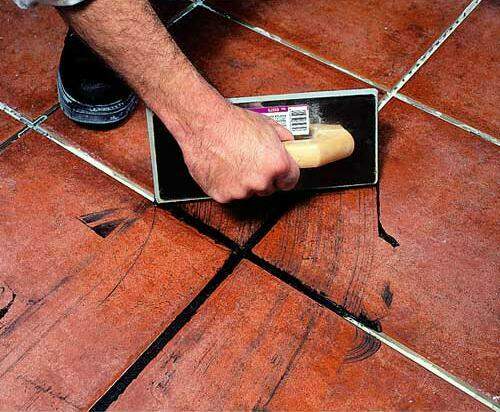

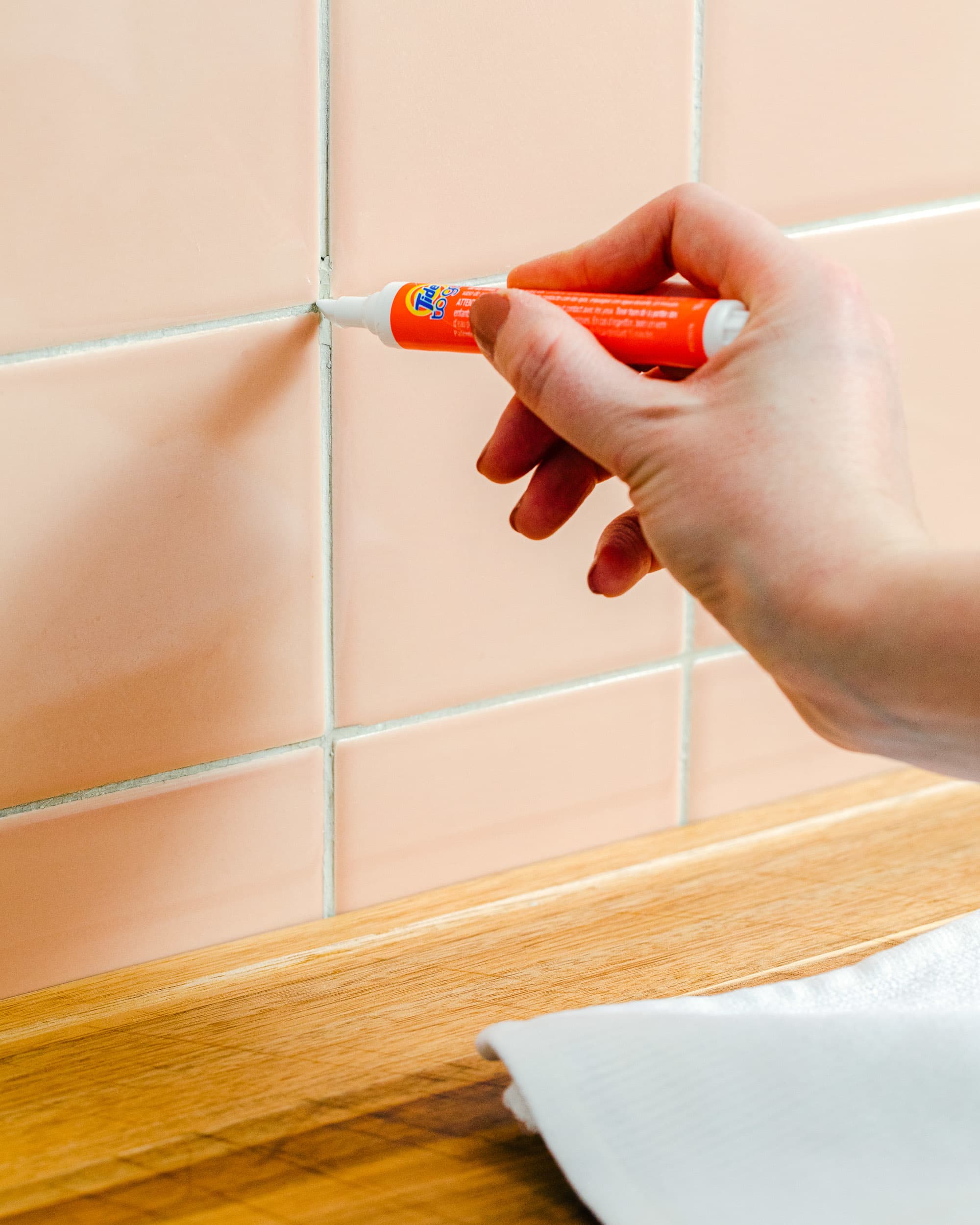
Grout tools bring the entire project together.
- Grout floats press grout evenly into joints
- Damp sponges remove excess grout and smooth grout lines
Proper grouting prevents cracks, protects tile edges, and gives the surface a clean, polished look.
Other Important Tiling Tools
Beyond the core tools, several supporting tools greatly improve accuracy and ease of work:
- Tape measure and pencil for layout
- Spirit level for straight alignment
- Tile nippers for small trims and curves
- Rubber mallet for gentle positioning
- Mixing buckets and paddles for adhesive and grout
- Tile edge trims or profiles for clean, protected edges
These tools improve precision and help deliver a professional-grade finish.
Safety Gear for Tiling Work
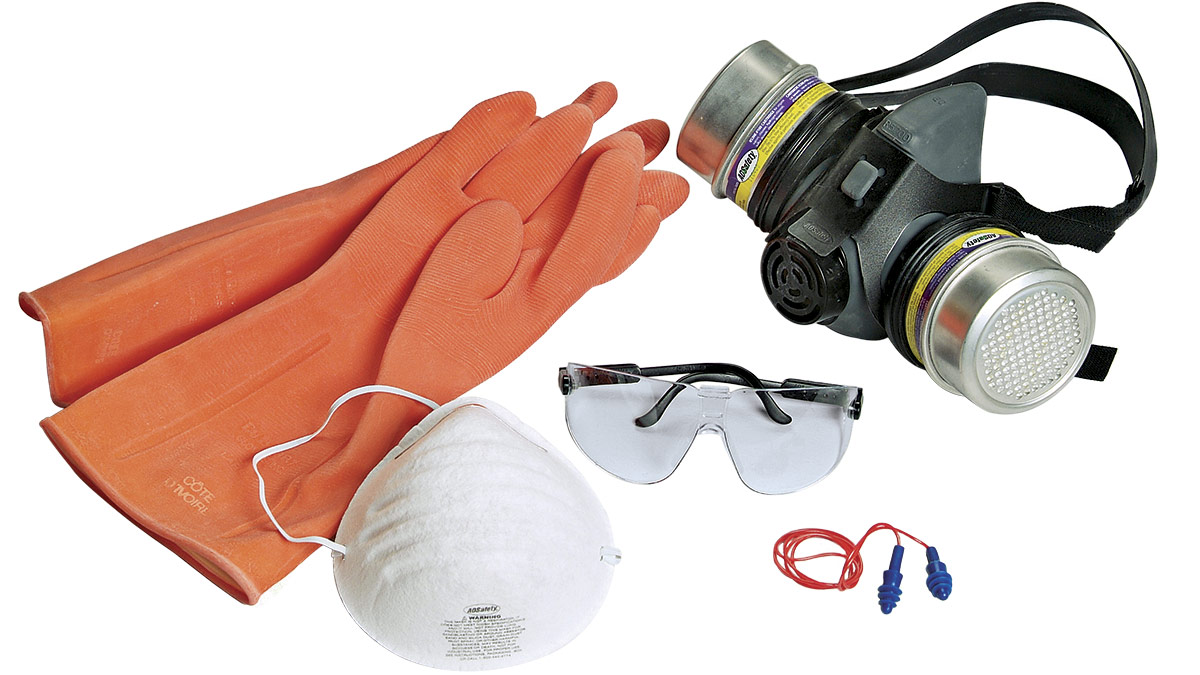


Tiling involves sharp edges, dust, and heavy materials. Safety equipment is essential.
- Protective gloves prevent cuts
- Safety glasses shield eyes from debris
- Knee pads reduce strain during floor work
- Dust masks protect lungs during cutting and mixing
Comfortable, durable safety gear allows you to focus fully on accuracy and quality.
Advanced Tile Tools for Precision Work
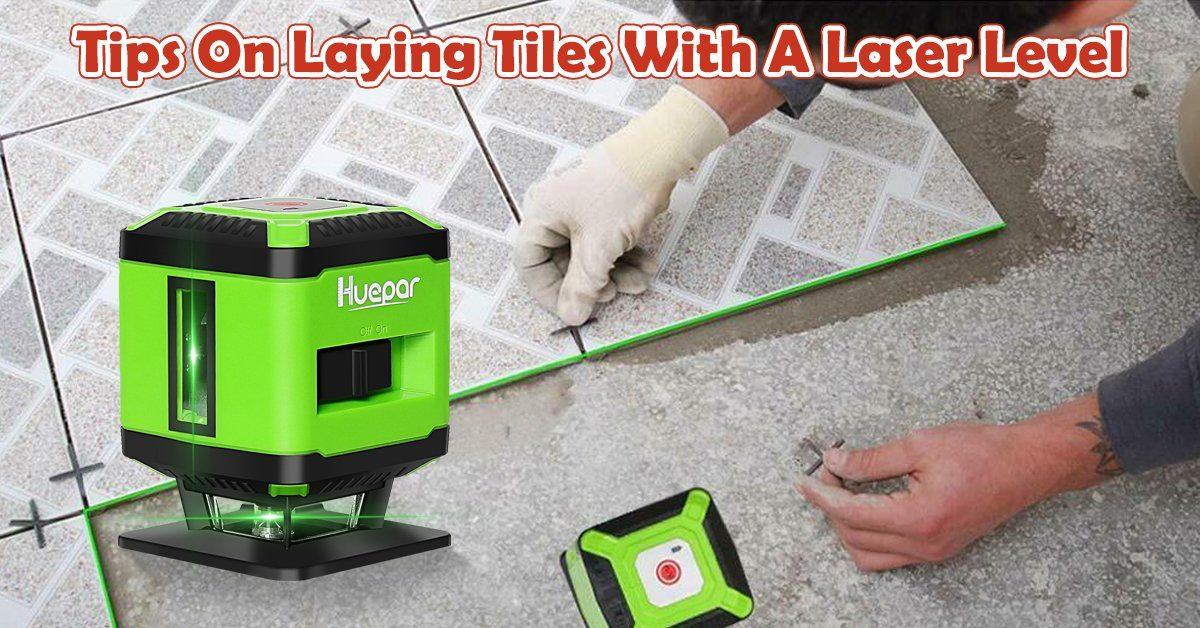
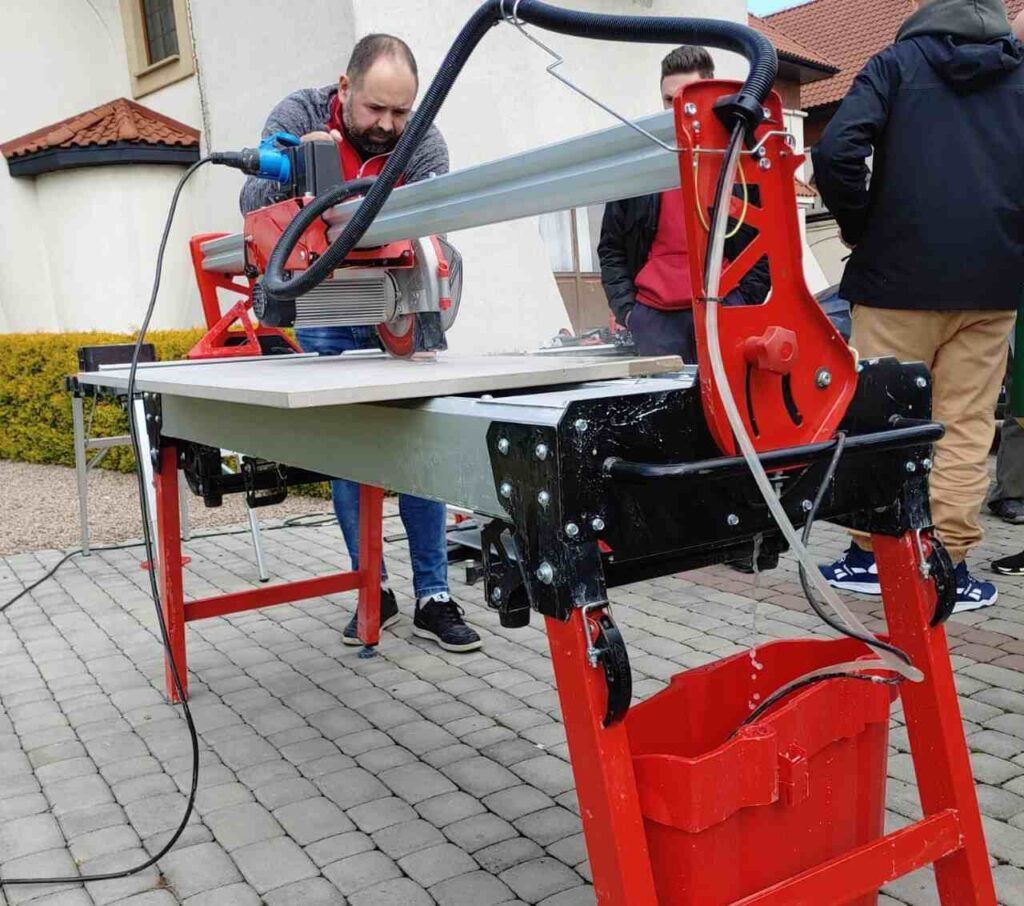
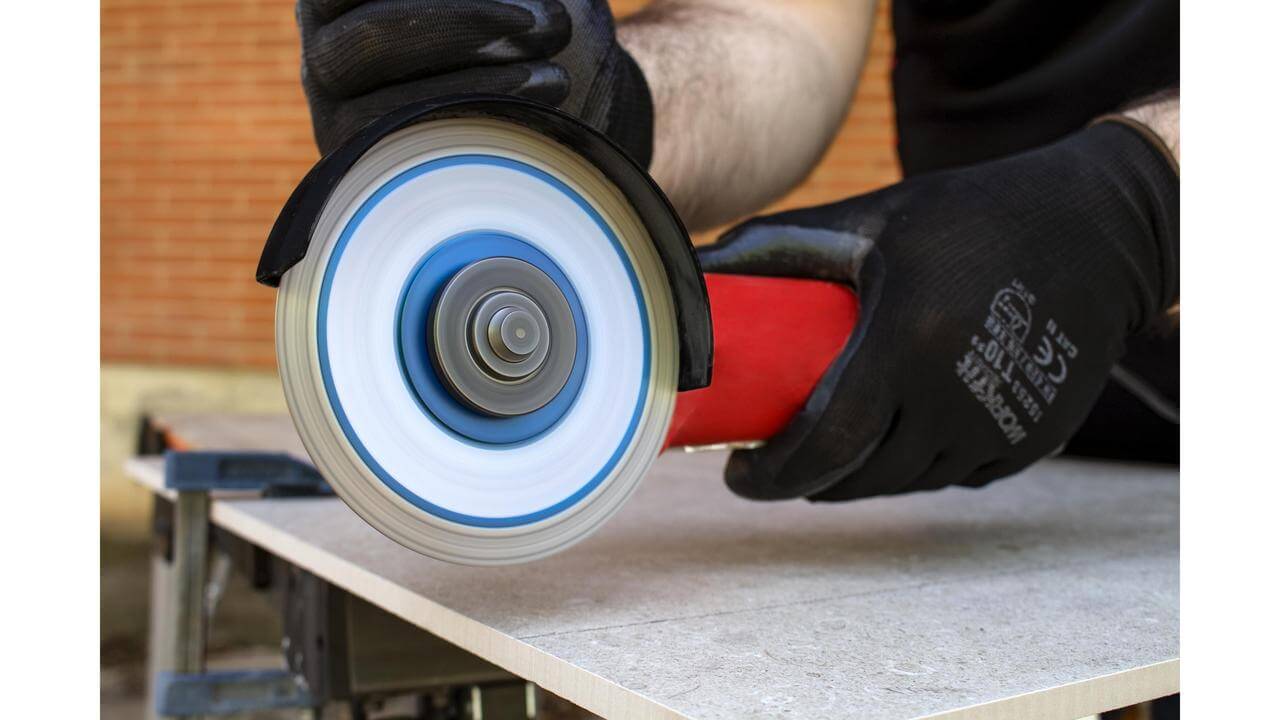
For larger or more complex projects, advanced tools improve speed and precision.
- Laser levels ensure perfectly straight tile lines
- Wet saws handle large-format and stone tiles cleanly
- Angle grinders and specialty cutters create curves, angles, and intricate shapes
These tools are especially valuable for professional installers aiming for consistent, high-quality results.
Choosing the Right Tile Tools for Your Project
Selecting tile tools depends on:
- Tile material (ceramic, porcelain, stone)
- Tile size and thickness
- Surface type (wall, floor, wet area)
- Project scale
Quality tools reduce fatigue, improve accuracy, and minimize costly mistakes. This is why professionals rely on durable, job-ready tools, such as those designed to meet Vevor.Company’s performance standards.
Maintaining Tile Tools for Long-Term Performance
Clean tools immediately after use to prevent adhesive and grout buildup. Regular maintenance:
- Preserves cutting accuracy
- Extends tool lifespan
- Ensures consistent performance
Well-maintained tools make every project smoother and deliver better results over time.
Tile Tool Safety Best Practices
- Always wear protective gear
- Follow manufacturer instructions
- Keep work areas clean and well-lit
- Handle saws and grinders carefully
Safe practices protect you and help maintain confidence and control throughout the job.
Frequently Asked Questions
What basic tile tools are needed for a small floor project?
Tape measure, manual cutter or small wet saw, notched trowel, spacers, grout float, sponge, gloves, and safety glasses.
Can manual cutters handle large or stone tiles?
Manual cutters work best for ceramic and porcelain. Wet saws are recommended for large or stone tiles.
How often should tile tools be cleaned?
After every use. Regular cleaning ensures accuracy and long tool life.
Is safety gear really necessary?
Yes. Gloves, eye protection, dust masks, and knee pads significantly reduce injury risk.
Final Thoughts
The right tile tools turn challenging projects into manageable, satisfying work. From basic cutters and spacers to advanced saws and laser levels, choosing and maintaining the proper equipment ensures clean lines, strong adhesion, and long-lasting results.
With the correct tools, good safety habits, and a clear plan, both DIY users and professionals can tackle any tiling project with confidence—and achieve results that truly look like professional craftsmanship.