LPDDR6 RAM Explained: Why It’s a Major Leap for Galaxy S26 and Future Smartphones
Introduction: Why Smartphone RAM Now Matters More Than Ever


Smartphone performance is no longer defined by processors alone. As phones handle console-level gaming, real-time AI, advanced photography, and desktop-like multitasking, memory speed and efficiency have become critical bottlenecks.
LPDDR6 RAM represents the most important mobile memory upgrade in years—and the Galaxy S26 is expected to be among the first flagship smartphones to adopt it. This shift is not just about higher benchmark numbers. It fundamentally changes how phones feel, respond, and scale into the future.
DD5 RAM on Amazon USA – this is the rAM Currently available in the market. DDR6 Yet to arrive in the market
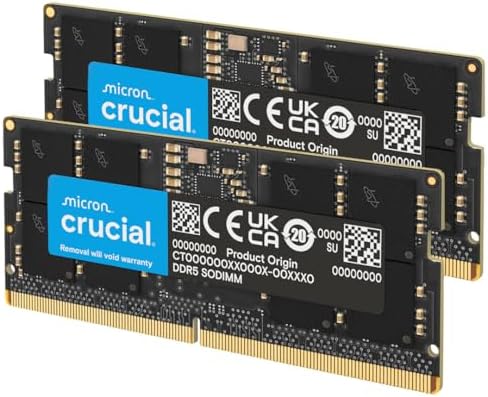
- Boosts System Performance: 32GB DDR5 RAM laptop memory kit (2x16GB) that operates at 5600MHz, 5200MHz, or 4800MHz to imp…
- Accelerated gaming performance: Every millisecond gained in fast-paced gameplay counts—power through heavy workloads and…
- Optimized DDR5 compatibility: Best for 12th Gen Intel Core and AMD Ryzen 7000 Series processors — Intel XMP 3.0 and AMD …
What Is LPDDR6 RAM?
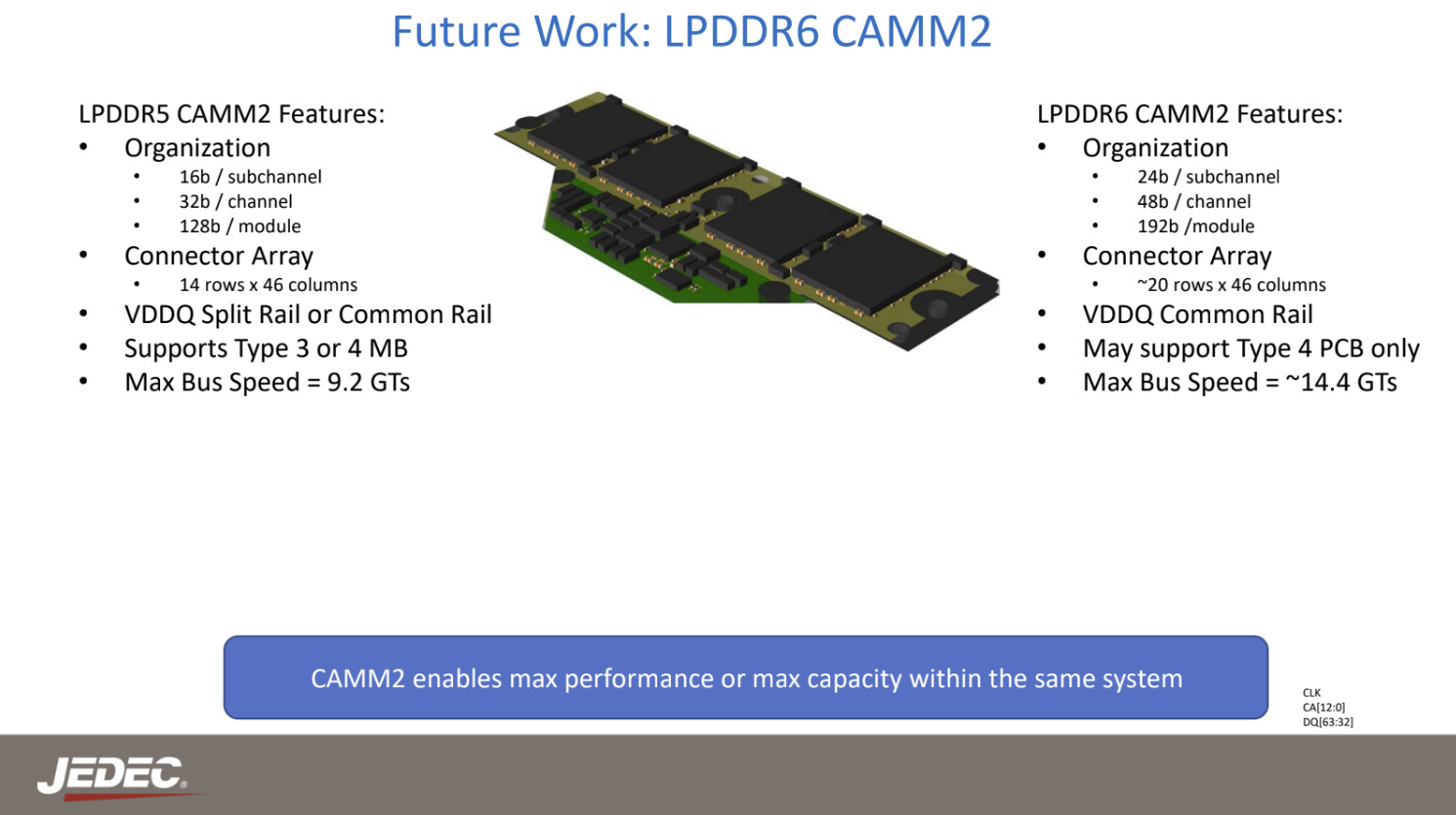
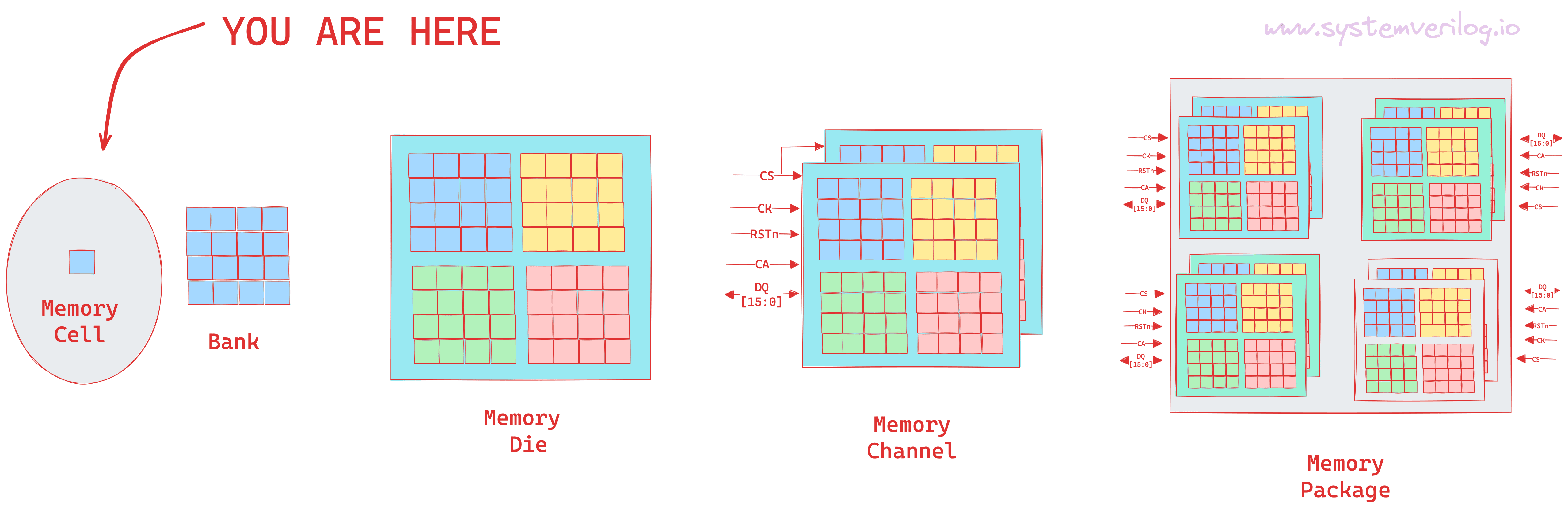
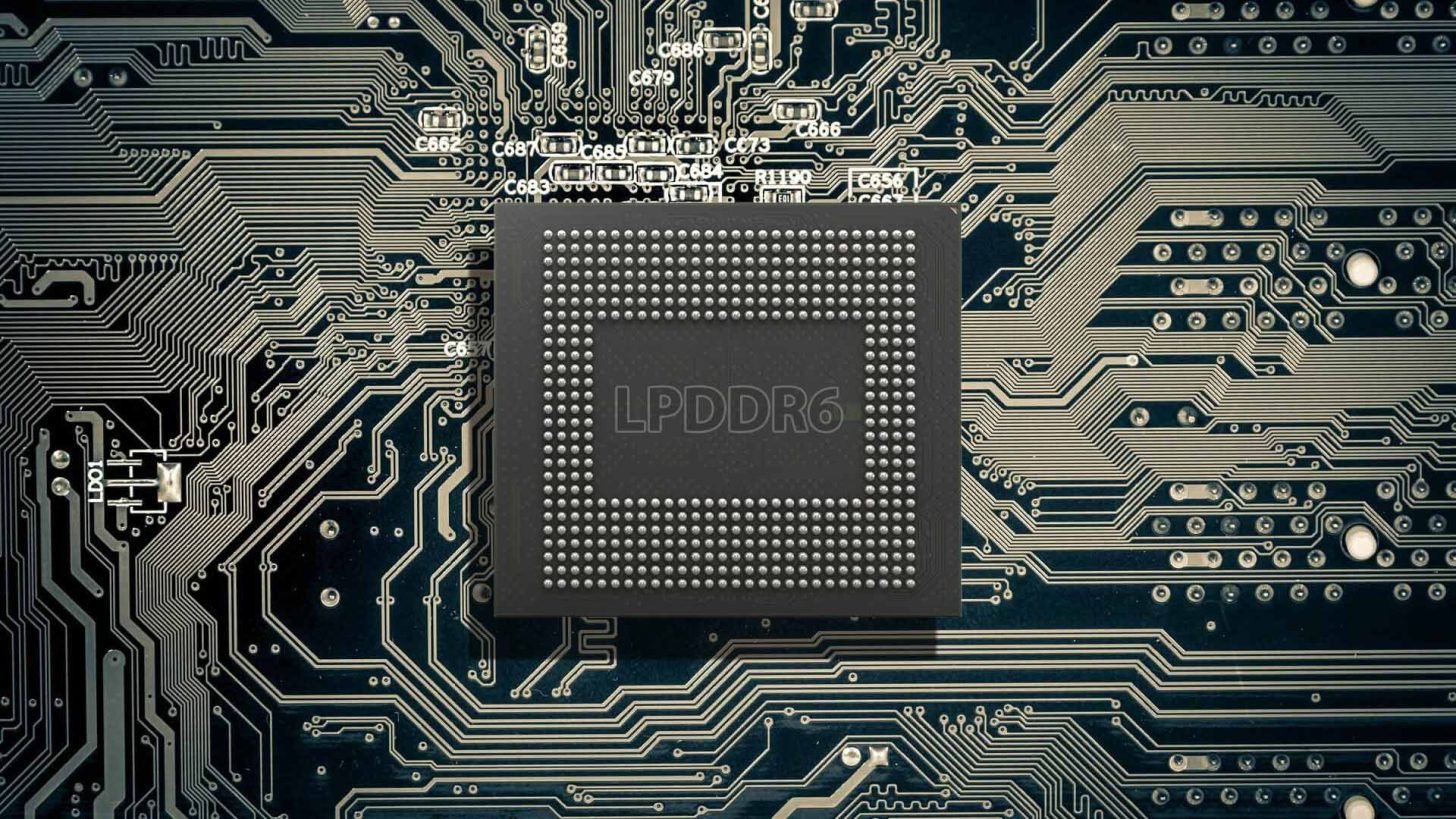
LPDDR6 (Low Power Double Data Rate 6) is the next-generation mobile memory standard designed specifically for smartphones, tablets, and other battery-powered devices.
Its core objectives are:
- Much higher data bandwidth
- Lower latency
- Improved energy efficiency
- Better support for AI-driven workloads
Unlike traditional RAM upgrades that focus only on speed, LPDDR6 is engineered to balance performance and power consumption, making it ideal for modern smartphones that must stay fast without sacrificing battery life.
LPDDR6 vs LPDDR5X: Visual Comparison (Key Differences)
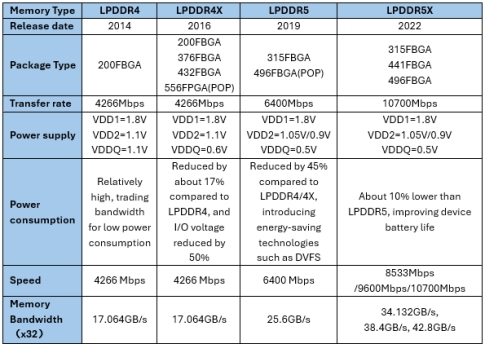

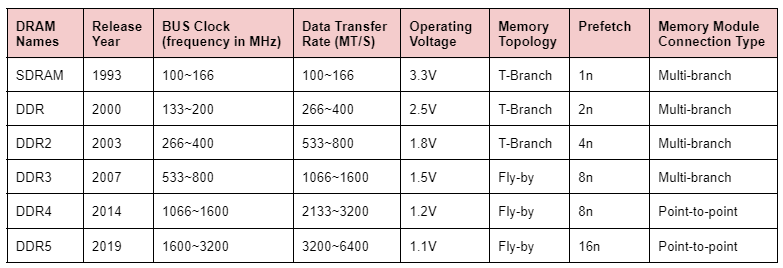
What Changes with LPDDR6
- Significantly higher bandwidth (targeting up to ~12.8–16 Gbps class speeds)
- Lower effective latency through improved signaling and memory access patterns
- Reduced energy per bit transferred
- Better handling of parallel AI and graphics workloads
This is not a minor iteration. LPDDR6 is a generational shift, similar to how LPDDR5 changed flagship performance several years ago.
Why LPDDR6 Is Perfectly Timed for the Galaxy S26

The Galaxy S26 is expected to introduce:
- More powerful CPU and GPU cores
- Larger AI engines (NPUs)
- Heavier camera pipelines (computational photography & video)
All of these components rely on fast, efficient memory access. Without LPDDR6, these systems would be constrained by memory bottlenecks.
LPDDR6 allows the Galaxy S26 to:
- Maintain smoother performance under sustained load
- Reduce performance drops during gaming and recording
- Handle on-device AI without overheating or draining battery
Real-World Performance Benefits (What Users Actually Notice)

1. Faster App Launches & Multitasking
Apps open quicker, background apps stay active longer, and switching between tasks feels instant—even with many apps running.
2. More Stable Gaming at High Refresh Rates
High-frame-rate games (120Hz+) benefit from LPDDR6’s bandwidth, reducing stutter, frame drops, and texture loading delays.
3. Better Camera & Video Processing
Large image buffers and real-time HDR/AI processing require fast memory. LPDDR6 improves shot-to-shot speed and video stability.
4. Desktop-Like Experiences
Features like multi-window modes, external displays, and advanced productivity tools depend heavily on memory throughput.
LPDDR6 and On-Device AI: A Critical Relationship
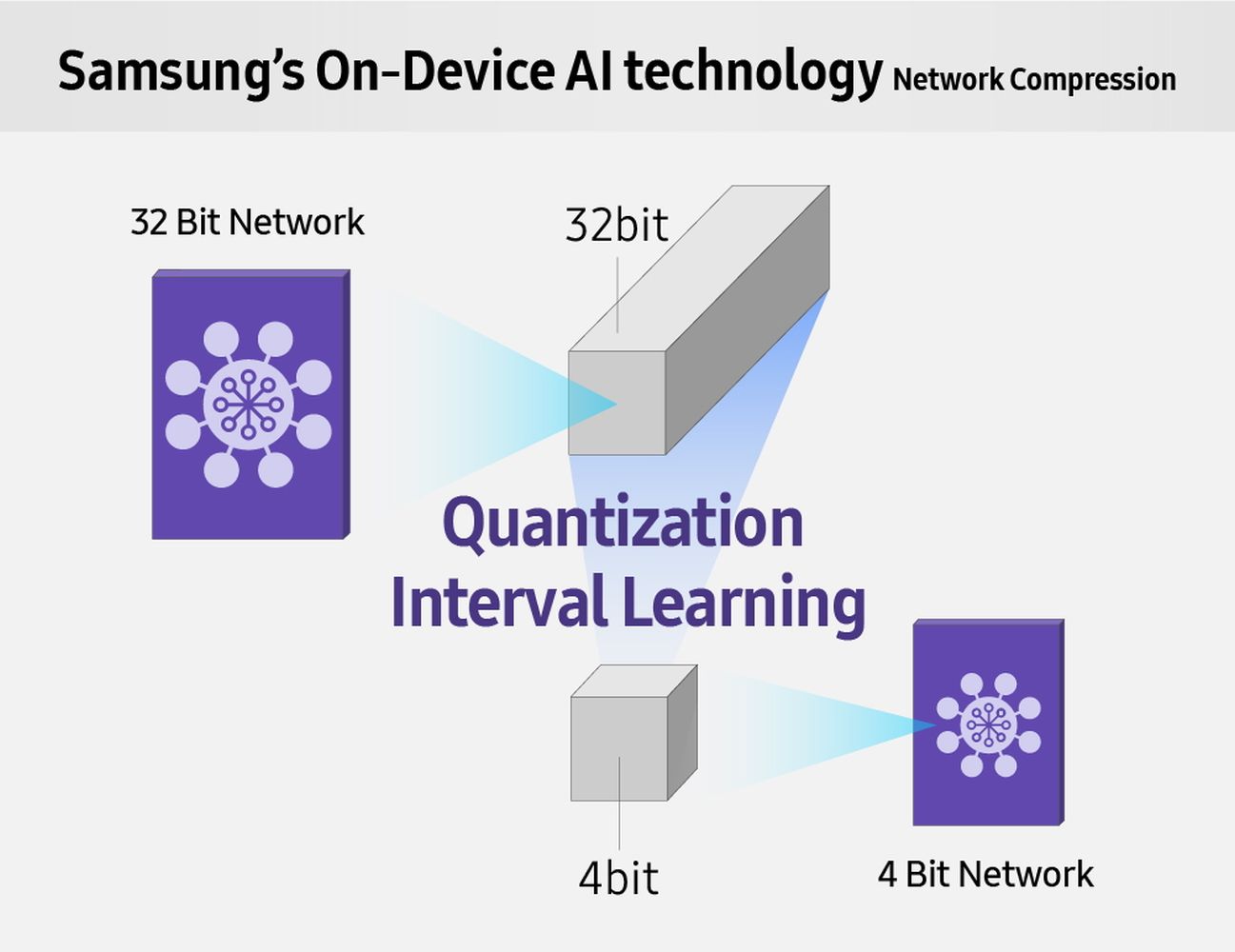
Modern smartphones increasingly rely on on-device AI, including:
- Voice recognition
- Image enhancement
- Generative features
- Predictive text and system optimization
AI models continuously move large data sets between memory and processing units. LPDDR6’s higher bandwidth and lower latency make AI:
- Faster
- More accurate
- Less power-hungry
This is essential as phones reduce reliance on cloud processing for privacy and speed.
Battery Life: Why Faster RAM Can Use Less Power

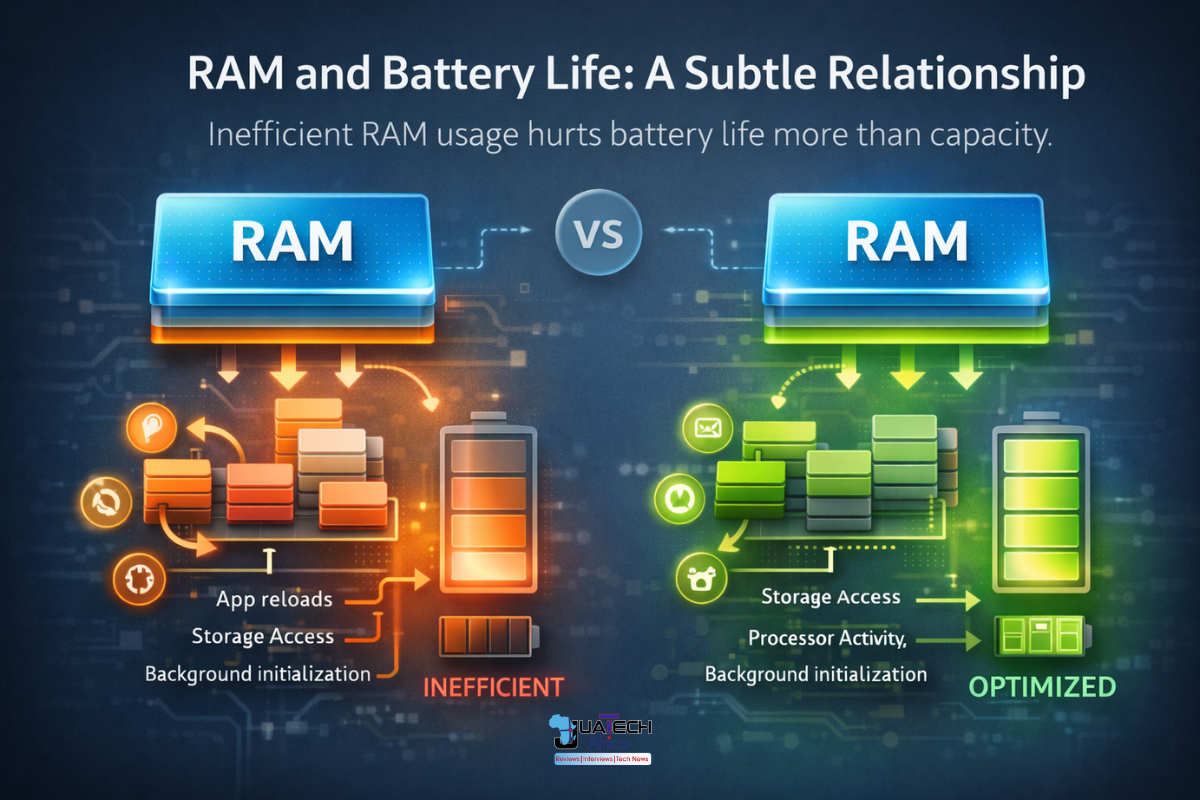
Although LPDDR6 is faster, it is also more power-efficient due to:
- Improved signaling techniques
- Smarter power states
- Reduced idle and refresh power consumption
In real-world usage, this means:
- Less battery drain during gaming and AI tasks
- More efficient background processing
- Better sustained performance without thermal throttling
Faster RAM finishing tasks quicker actually saves energy overall.
Hardware Compatibility: Why LPDDR6 Needs the Right Chipset

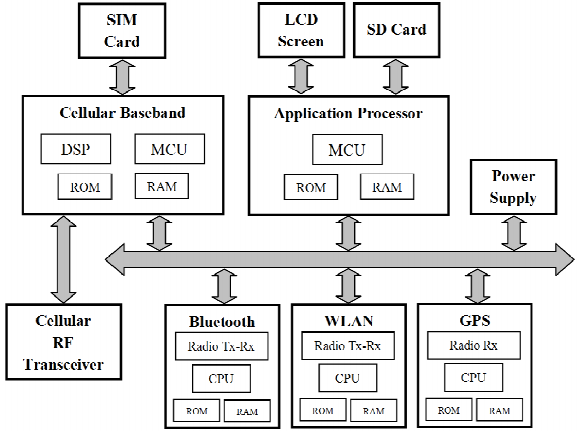
LPDDR6 is not plug-and-play. A smartphone must have:
- A compatible memory controller in the chipset
- Firmware and OS optimized for LPDDR6
- Thermal and power management tuned for higher bandwidth
The Galaxy S26’s next-generation hardware stack is expected to meet these requirements, allowing LPDDR6 to deliver its full benefits.
Who Benefits Most from LPDDR6?


LPDDR6 delivers the most value to:
- Gamers seeking stable high frame rates
- Creators editing photos and videos on mobile
- AI-heavy users leveraging smart features
- Long-term buyers keeping devices 3–5 years
For basic tasks like messaging and browsing, older memory standards are still sufficient—but LPDDR6 ensures future-proof performance.
Long-Term Impact: Why LPDDR6 Is More Than a Spec Sheet Upgrade
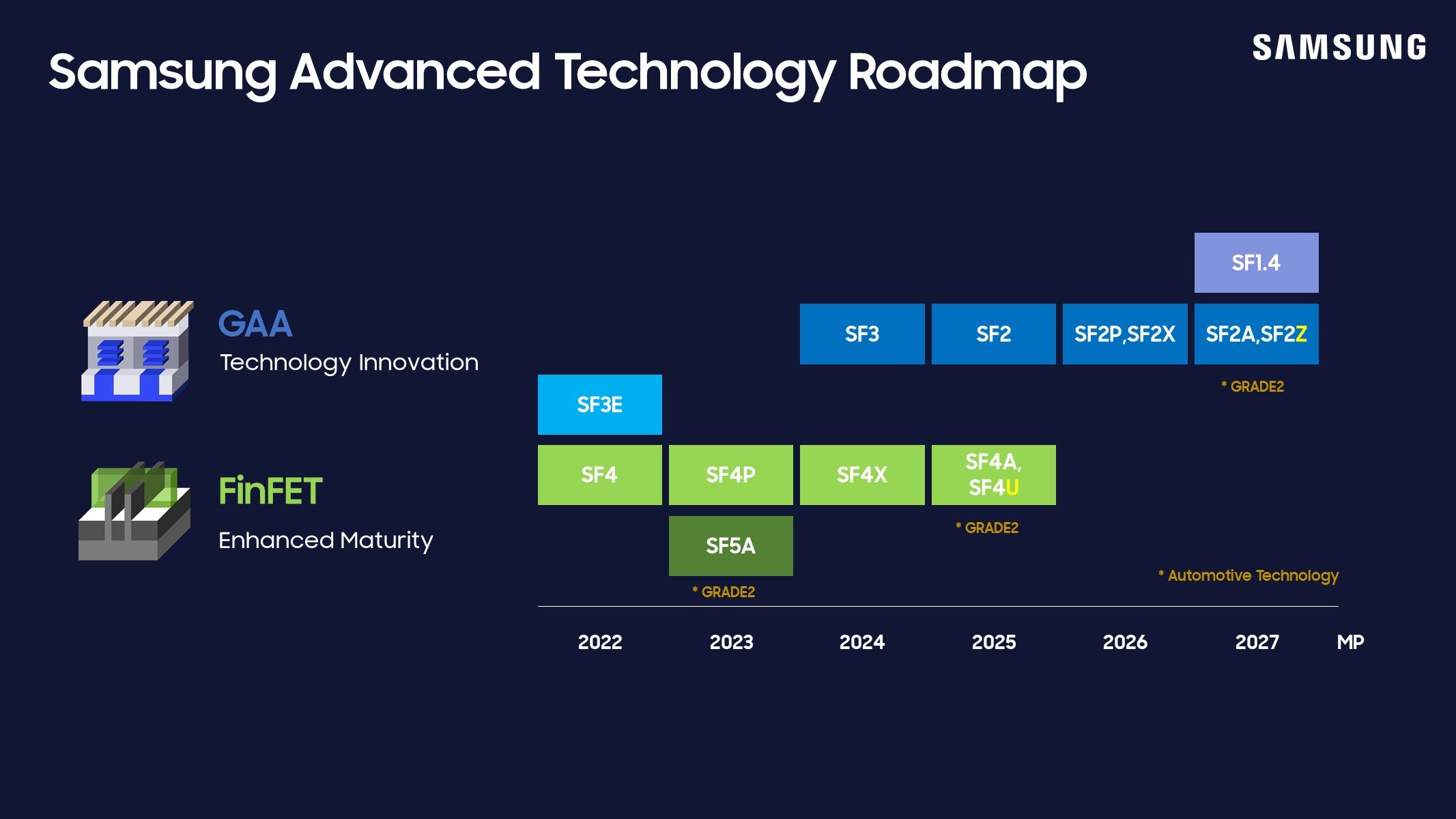
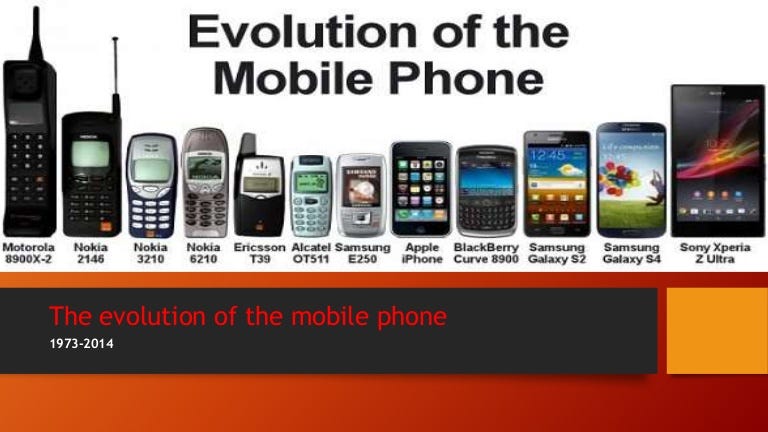
LPDDR6 sets the foundation for:
- More advanced on-device AI
- Desktop-class mobile computing
- Better thermal control under heavy loads
- Longer usable lifespan for flagship phones
As apps grow more demanding, memory architecture—not just processors—will define user experience.
Final Verdict
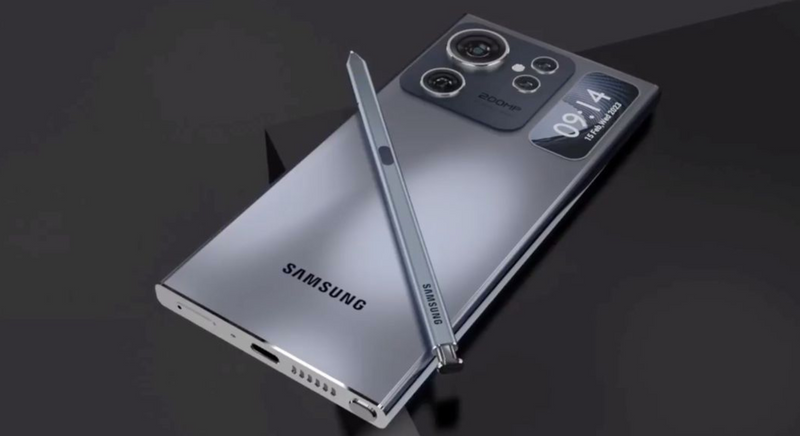

LPDDR6 RAM is a quiet but transformative upgrade. It doesn’t change how a phone looks—but it dramatically changes how it behaves under real-world conditions.
For the Galaxy S26 and future flagships, LPDDR6 enables:
- Faster performance
- Better battery efficiency
- Stronger AI capabilities
- Longer relevance in a rapidly evolving mobile ecosystem
This is not just the next step in RAM evolution—it is a necessary foundation for the next era of smartphones.