
Leadership in the Digital Age: Modern Strategies for Innovation, Growth & Future-Ready Success
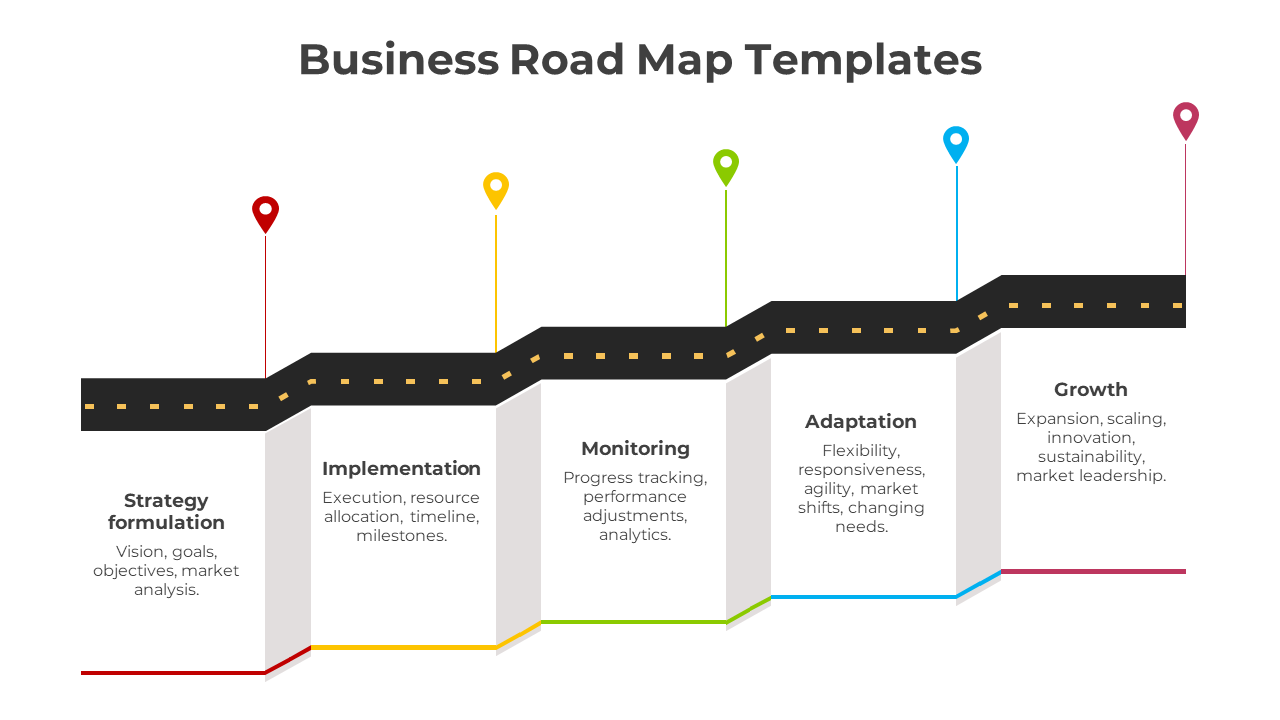
Leadership in the Digital Age: A Strategic Framework for Sustainable Impact
Leadership today operates in an environment defined by artificial intelligence, automation, global connectivity, and rapid market shifts. It is no longer limited to authority or positional power. Modern leadership is the disciplined ability to create direction, execute with clarity, and multiply impact in dynamic systems.
At ChampionsReviews.Com, our focus is to deliver structured, forward-looking insights that help individuals and organizations build measurable influence. Leadership in 2026 requires cognitive discipline, technological literacy, ethical stability, and strategic execution.
Self-Leadership: The Foundation of Influence
Every sustainable leadership model begins internally. Before directing teams, shaping markets, or influencing audiences, one must master attention, habits, and decision patterns.
Self-leadership now includes:
- Managing digital distraction in an always-connected world
- Structuring daily execution systems rather than relying on motivation
- Leveraging productivity technology intelligently
- Protecting cognitive bandwidth from information overload
Leaders who demonstrate internal discipline build external credibility. Consistency creates trust. Structured routines build confidence. Growth compounds over time.
Authenticity matters more than perfection. People align with leaders who demonstrate steady progress, transparent effort, and continuous learning.
Vision: From Idea to Executable Strategy

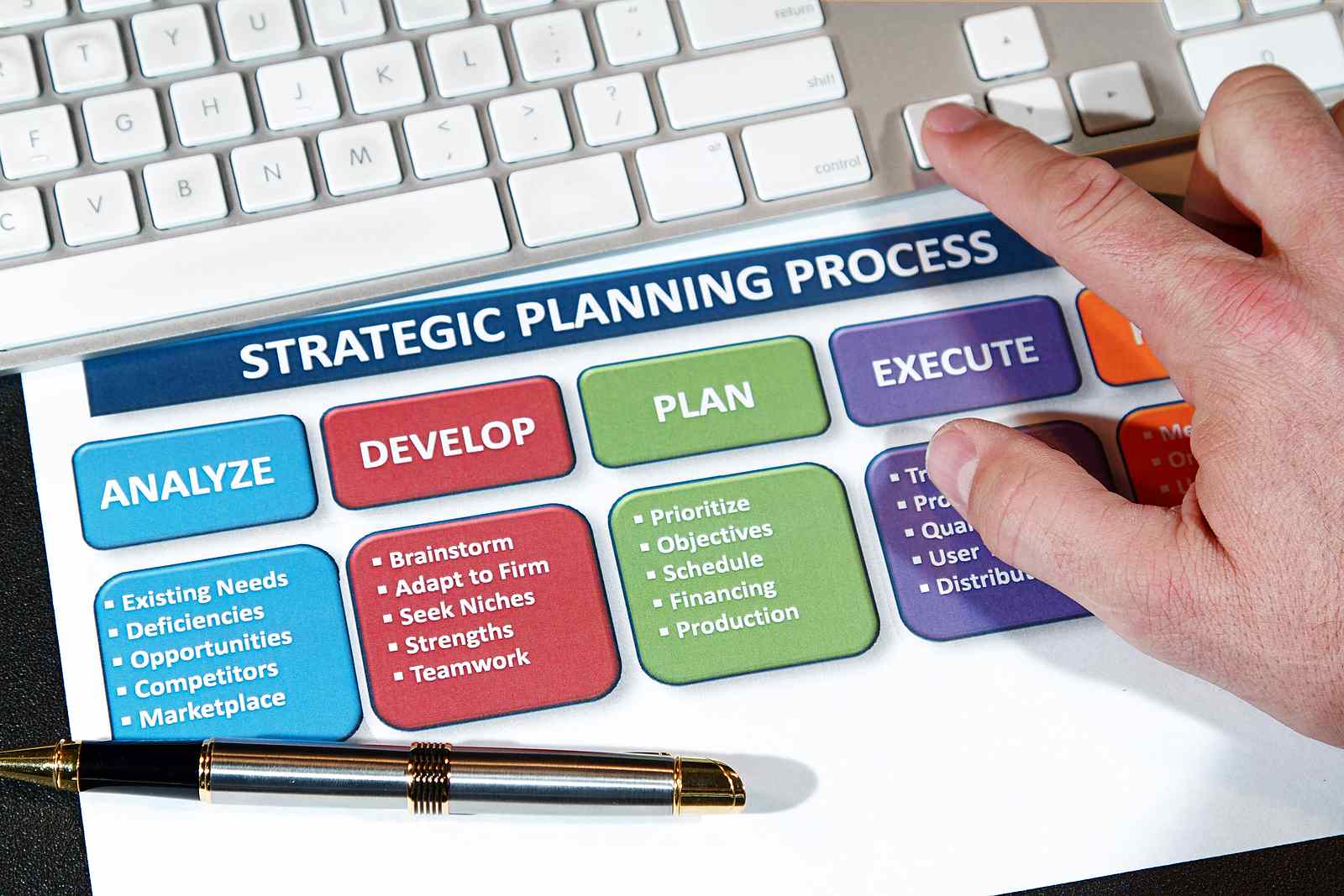
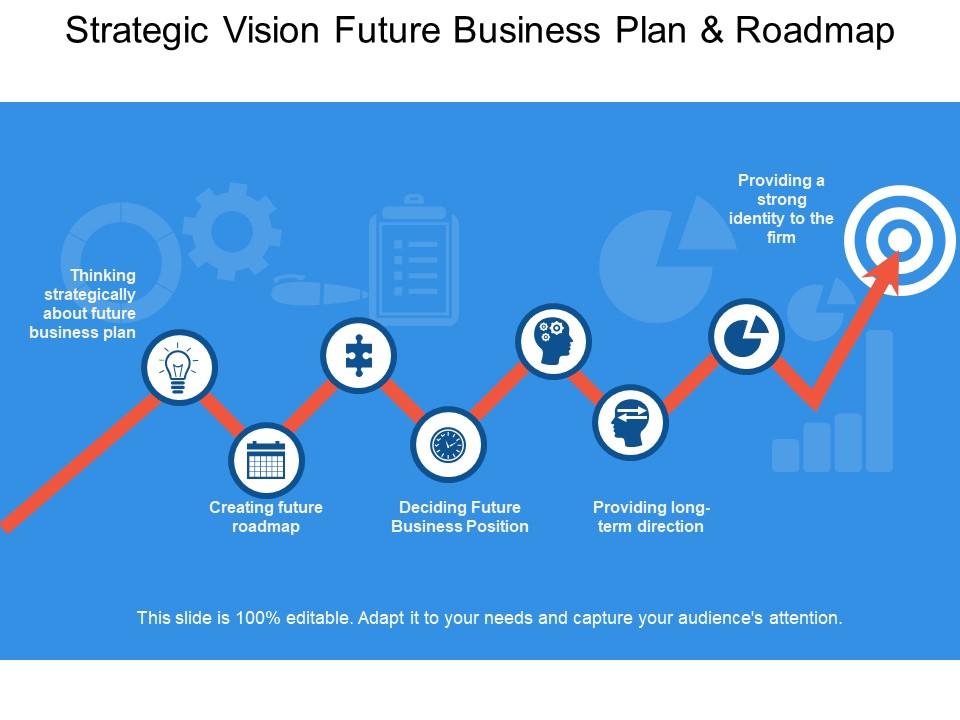
Vision is no longer abstract inspiration. It must translate into execution architecture.
A powerful vision defines:
- Direction (Where are we going?)
- Justification (Why does it matter?)
- Metrics (How will success be measured?)
- Impact (Who benefits?)
Modern vision-building integrates:
- Market analytics
- Trend forecasting
- AI-driven scenario modeling
- Sustainability alignment
- Performance dashboards
Without vision, activity becomes a fragmented effort. With vision, action becomes aligned momentum.
Routine vs Vision-Driven Leadership
| Routine-Based Approach | Vision-Based Leadership |
|---|---|
| Reactive decision-making | Proactive strategy design |
| Short-term focus | Long-term positioning |
| Activity without direction | Execution aligned with goals |
| Motivational bursts | Structured commitment |
Vision eliminates noise. It filters opportunities and concentrates energy where it creates leverage.
Communication: Clarity in a Digital Ecosystem
Leadership communication now spans hybrid workspaces, digital communities, automated systems, and global networks. Influence requires precision.
Effective leaders:
- Deliver concise, data-backed messaging
- Align tone with organizational values
- Listen with intention
- Maintain consistency across platforms
- Use storytelling to translate complexity
Confusion weakens alignment. Simplicity accelerates trust.
In a world shaped by algorithms and short attention spans, clarity becomes a competitive advantage.
Decision-Making: Executing Under Uncertainty
Modern leaders operate within volatile conditions. Waiting for perfect information is operational paralysis.
Strategic decision-making includes:
- Risk analysis frameworks
- Real-time data monitoring
- Scenario testing
- Agile experimentation
- Post-decision review cycles
Strong leaders act on the best available data, own outcomes transparently, and refine systems continuously.
Indecision vs Strategic Action
| Indecision | Strategic Action |
|---|---|
| Delays momentum | Creates forward motion |
| Avoids accountability | Accepts responsibility |
| Protects ego | Prioritizes mission |
| Weakens trust | Builds confidence |
Execution builds credibility faster than commentary.
Developing Others: Scaling Leadership


Leadership is multiplied through people development.
Modern impact is measured not only by revenue or reach, but by how many individuals grow within a system.
Effective leaders:
- Build structured mentoring pipelines
- Provide clear performance metrics
- Encourage ownership and initiative
- Create psychologically safe environments
- Share knowledge openly
Empowered teams innovate faster. Confident individuals execute with independence. Sustainable organizations prioritize talent acceleration.
Failure as Strategic Feedback
Failure, when analyzed correctly, becomes operational intelligence.
Forward-looking leaders:
- Conduct structured debrief sessions
- Document lessons systematically
- Encourage controlled experimentation
- Separate identity from outcomes
Resilience combines emotional stability with analytical improvement. Organizations that penalize mistakes suppress innovation. Those that evaluate them scientifically accelerate progress.
Adaptability: The Competitive Edge
Technology cycles compress rapidly. Market expectations evolve continuously.
Adaptive leaders:
- Embrace agile methodologies
- Monitor real-time analytics
- Respond to customer behavior shifts
- Reallocate resources efficiently
- Update strategy without compromising values
Rigidity leads to irrelevance. Adaptability sustains relevance.
Integrity: The Core Infrastructure
Trust is now a measurable strategic asset.
Integrity in modern leadership includes:
- Transparent operations
- Ethical technology usage
- Data privacy responsibility
- Honest communication
- Consistent value alignment
Small ethical compromises erode credibility over time. Consistent character builds enduring authority.
Purpose: Moving People Toward Meaningful Outcomes
Leadership ultimately exists to move people toward measurable progress.
This requires:
- Clear mission articulation
- Empathy-driven engagement
- Structured growth systems
- Celebrating milestones
- Building independence in others
The strongest leaders make themselves progressively less essential by building capable successors.
Final Perspective
Leadership is not an inherited privilege. It is a structured discipline built through daily decisions.
It requires:
- Self-mastery
- Strategic vision
- Clear communication
- Responsible execution
- Continuous adaptation
- Ethical stability
Influence compounds through clarity, consistency, and courage.
Leadership in the digital age is not about visibility.
It is about measurable impact.