
Portable Lithium Jump Starters Explained: How They Work, What to Look For, and Real-World Buying Considerations
Portable Lithium Jump Starters: How They Work, What They Do, and What to Know Before Buying
A discharged vehicle battery is one of the most common mechanical issues drivers experience. Whether caused by leaving lights on, extreme temperatures, battery age, or electrical drain, a dead battery prevents the engine from starting and can leave a vehicle immobilized. Portable lithium jump starters are designed to provide temporary high-current output to crank an engine without requiring another vehicle. This page explains how these devices function, what technical specifications mean, where they are appropriate to use, and what independent review platforms report about the brand and product category.
Unlike traditional jumper cables that require a second vehicle, a portable jump starter contains an internal rechargeable lithium battery capable of delivering a short burst of high amperage. That burst provides enough current to engage the starter motor, allowing the vehicle’s engine to turn over. After the engine starts, the vehicle’s alternator resumes supplying electrical power and recharging the car battery.
How Portable Jump Starters Work
Most modern portable jump starters use lithium-ion battery cells because they offer high energy density and relatively low weight compared to traditional sealed lead-acid booster packs. Inside the unit, battery cells are combined with a battery management system (BMS). The BMS regulates charging and discharging, monitors temperature, and protects against short circuits, overcurrent, overvoltage, and reverse polarity connection.
When clamps are connected correctly to the vehicle battery terminals, the jump starter detects proper polarity before allowing current to flow. Many models include visual or audible indicators that alert the user if clamps are incorrectly attached. Once the ignition key or push-start button is engaged, the device delivers a high-current pulse for a short duration, typically several seconds, sufficient to start most engines within the device’s rated limits.
Understanding Amperage Ratings
Jump starters are commonly marketed using peak amperage ratings such as 2000A, 3000A, 4000A, or 6000A. Peak amperage refers to the maximum short burst of current the unit can deliver under ideal conditions. It does not represent sustained output. For most passenger vehicles with gasoline engines, lower peak ratings are typically sufficient. Larger displacement engines, diesel vehicles, and engines operating in cold climates may require higher starting current.
Cold temperatures increase engine oil viscosity and reduce battery efficiency, which raises the current required to crank the engine. Therefore, drivers in colder regions often prefer higher-rated units. However, the real-world starting ability depends on multiple factors including battery condition, cable gauge, clamp quality, and internal battery health of the jump starter.
Safety Features Commonly Included
- Reverse polarity protection
- Overcurrent protection
- Short-circuit protection
- Overcharge protection
- Thermal protection (temperature monitoring)
- Spark-proof clamp design
These features are integrated to reduce the risk of user error and electrical damage. Nevertheless, users should always follow manufacturer instructions carefully and ensure clamps are firmly connected to clean battery terminals before attempting to start the vehicle.
Comparison: Traditional Jumper Cables vs Portable Jump Starters
| Traditional Jumper Cables | Portable Jump Starter |
|---|---|
| Requires second vehicle | Self-contained power source |
| Dependent on external battery condition | Independent internal lithium battery |
| Long cable management required | Compact clamp connection |
| No added features | Often includes USB ports and LED light |
Additional Functional Features
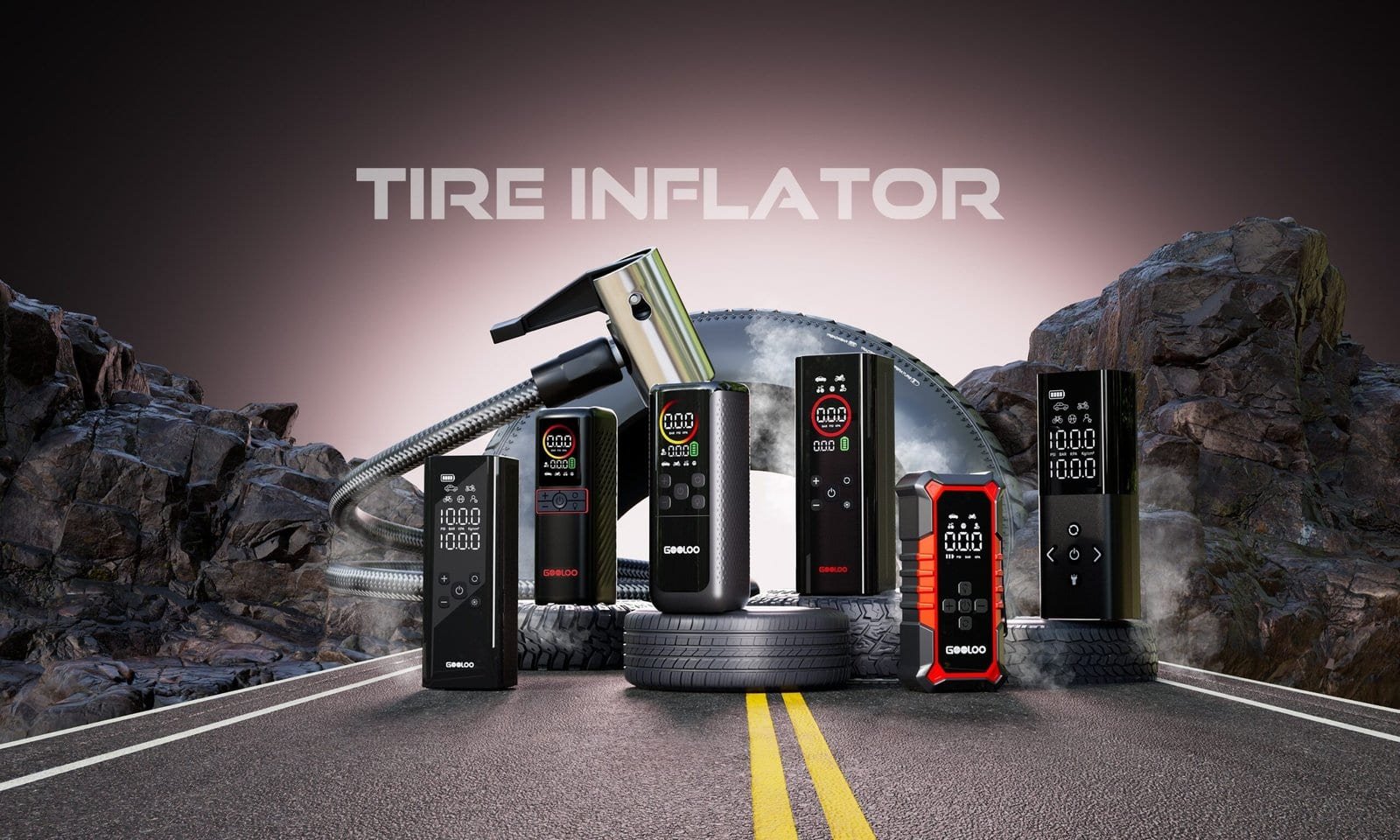
Many portable jump starters include secondary features such as USB charging ports for smartphones and tablets, integrated LED flashlights with multiple modes (steady, strobe, SOS), and digital displays indicating battery percentage. Some models combine jump starting capability with built-in air compressors capable of inflating tires to specified PSI levels. These added functions make the unit a multipurpose roadside emergency device rather than a single-use tool.
It is important to understand that integrated air compressors have defined duty cycles and pressure limits. Users should consult product documentation for maximum continuous operation time and cooling intervals to prevent overheating.
Independent Reviews and Public Feedback
Consumers often consult third-party platforms before purchasing automotive equipment. Independent review sites provide a mix of positive and negative experiences. For example, public reviews can be viewed on:
- Trustpilot: https://www.trustpilot.com/review/gooloo.com
- Better Business Bureau (BBB): https://www.bbb.org
- Amazon Product Listings: View on Amazon
Reviews on marketplace platforms often focus on product performance, ease of use, and portability. Reviews on business-rating platforms may also reference shipping experience, customer support responsiveness, and warranty claims. As with any consumer product, experiences vary. Reading multiple sources provides a broader understanding before purchase.
Maintenance and Storage Considerations
Lithium jump starters require periodic recharging to maintain readiness. Most manufacturers recommend checking battery level every few months and recharging if necessary. Storing the unit in extremely high or low temperatures may affect battery lifespan. For best performance, keep the device in a temperature-controlled environment when possible.
Lithium batteries naturally degrade over time, and performance may gradually decline after extended use cycles. Following charging instructions and avoiding complete discharge can help prolong service life.
Who Typically Uses Portable Jump Starters?
- Daily commuters
- Drivers in cold climates
- Fleet vehicle operators
- Road trip travelers
- Owners of older vehicles with aging batteries
- Emergency preparedness planners
These devices are especially useful in situations where access to assistance may be delayed or unavailable. However, they are not substitutes for replacing a failing car battery. If a vehicle frequently requires jump starting, the underlying battery or charging system should be inspected by a qualified technician.
Final Considerations
Portable lithium jump starters provide a self-contained method of starting a vehicle when the primary battery cannot supply sufficient current. They operate by delivering a short, high-amperage burst regulated by internal protection circuitry. When selected appropriately for engine size and used according to manufacturer guidelines, they can be a practical addition to a vehicle emergency kit. As with any electrical product, reviewing specifications, safety features, warranty terms, and independent feedback is recommended before purchase.