A Must-Buy and Try Product for White-Collar Professionals
Hypershell X Pro Review — The AI-Powered Wearable Exoskeleton Changing Outdoor Mobility
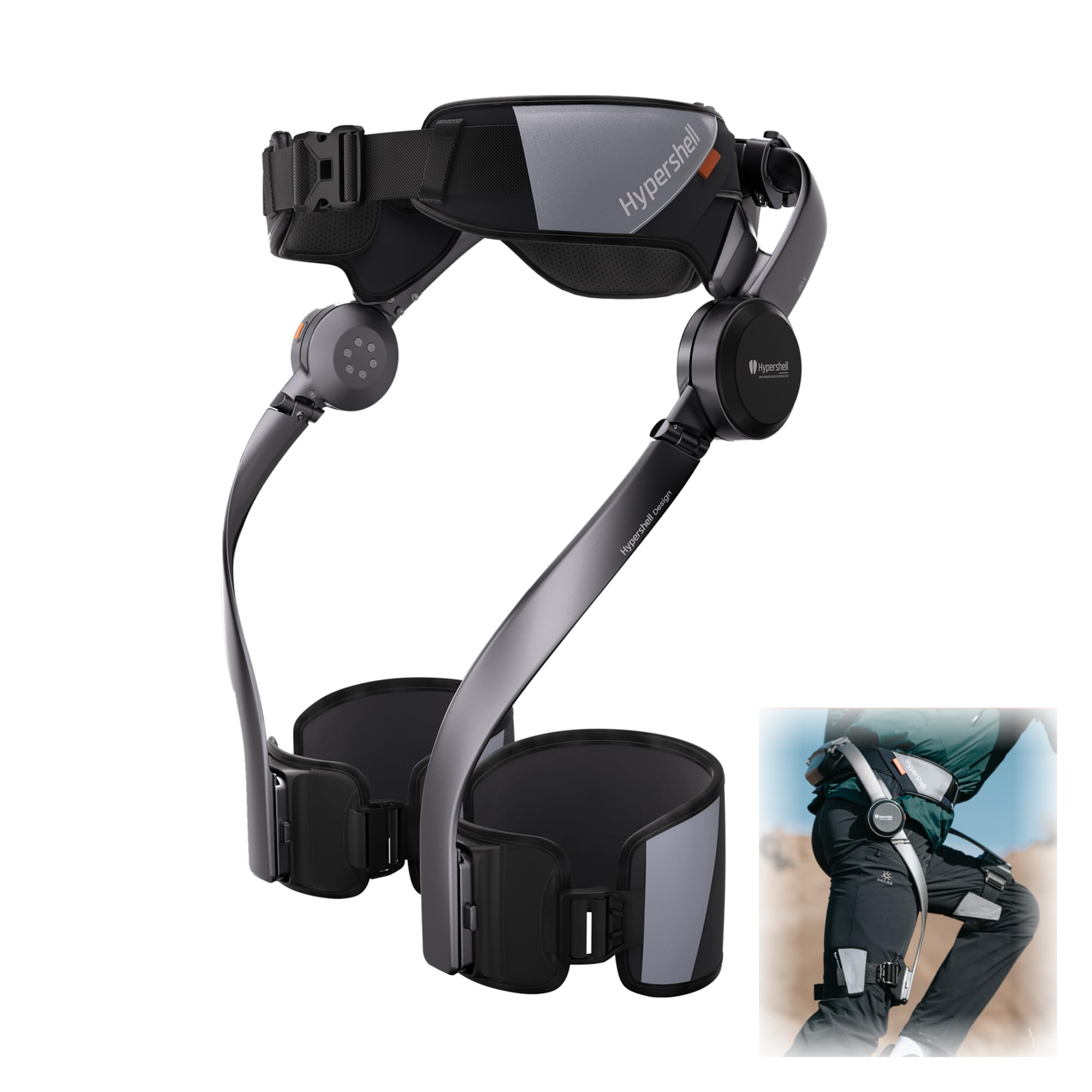

- It is the user’s responsibility to ensure that the product is used in accordance with its intended purpose. Hypershell d…
- ENHANCED POWER & ENDURANCE: Command up to 800W of maximum assistive power to significantly ease the effort during demand…
- HYBRID MATERIAL STRENGTH: Built with a sophisticated frame combining lightweight Carbon Fiber Reinforced Polymer, robust…

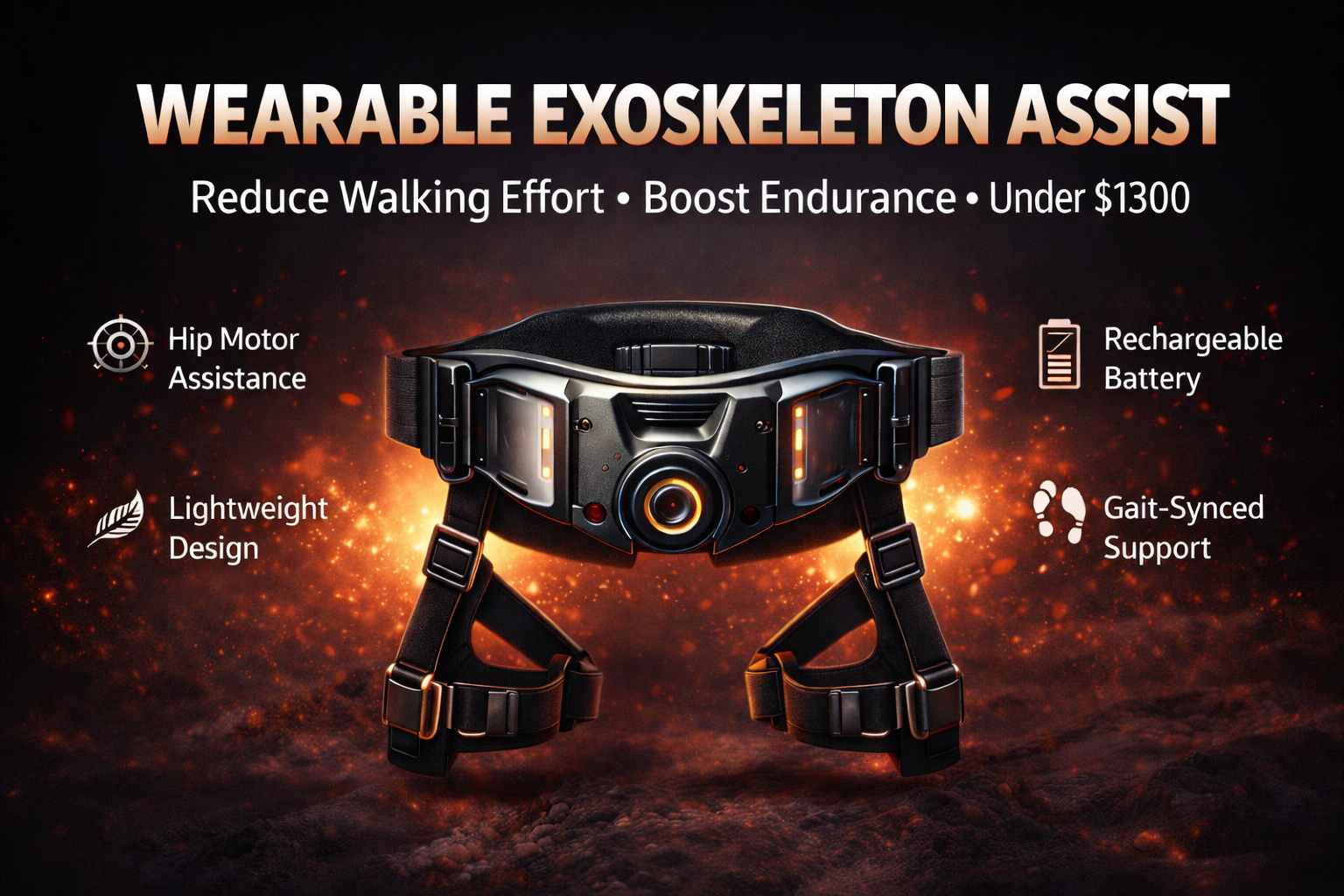
Hypershell X Exoskeleton Hits the Market: Wearable Fitness Boosters Under $1300
Wearable robotics is no longer a lab concept. The Hypershell X has entered the consumer scene, promising to reduce walking effort by up to 63% using a lightweight, motor-assisted hip mechanism. What used to cost thousands in medical or military gear is now appearing in the sub-$1300 fitness tech category.
This marks a shift: passive effort reduction and active recovery are becoming everyday tools for hikers, warehouse workers, older adults, and fitness enthusiasts.
⚙️ What the Hypershell X Actually Does
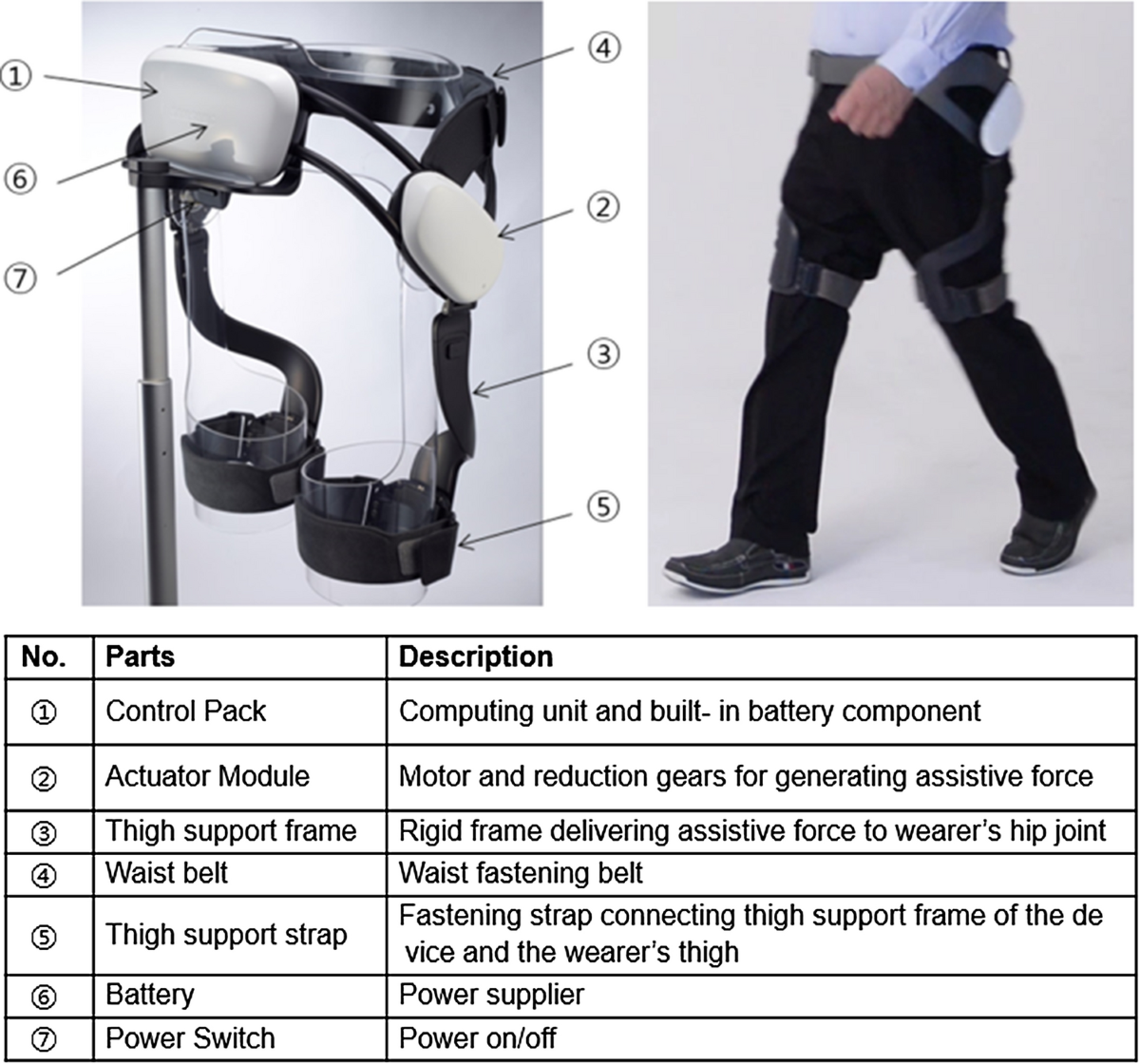
Unlike bulky full-leg exoskeletons, the Hypershell X focuses on the hip joint, where much of the walking load originates.
Core mechanics
- Motorized assistance synchronized with your gait
- Transfers part of the leg-lifting load from muscles to the device
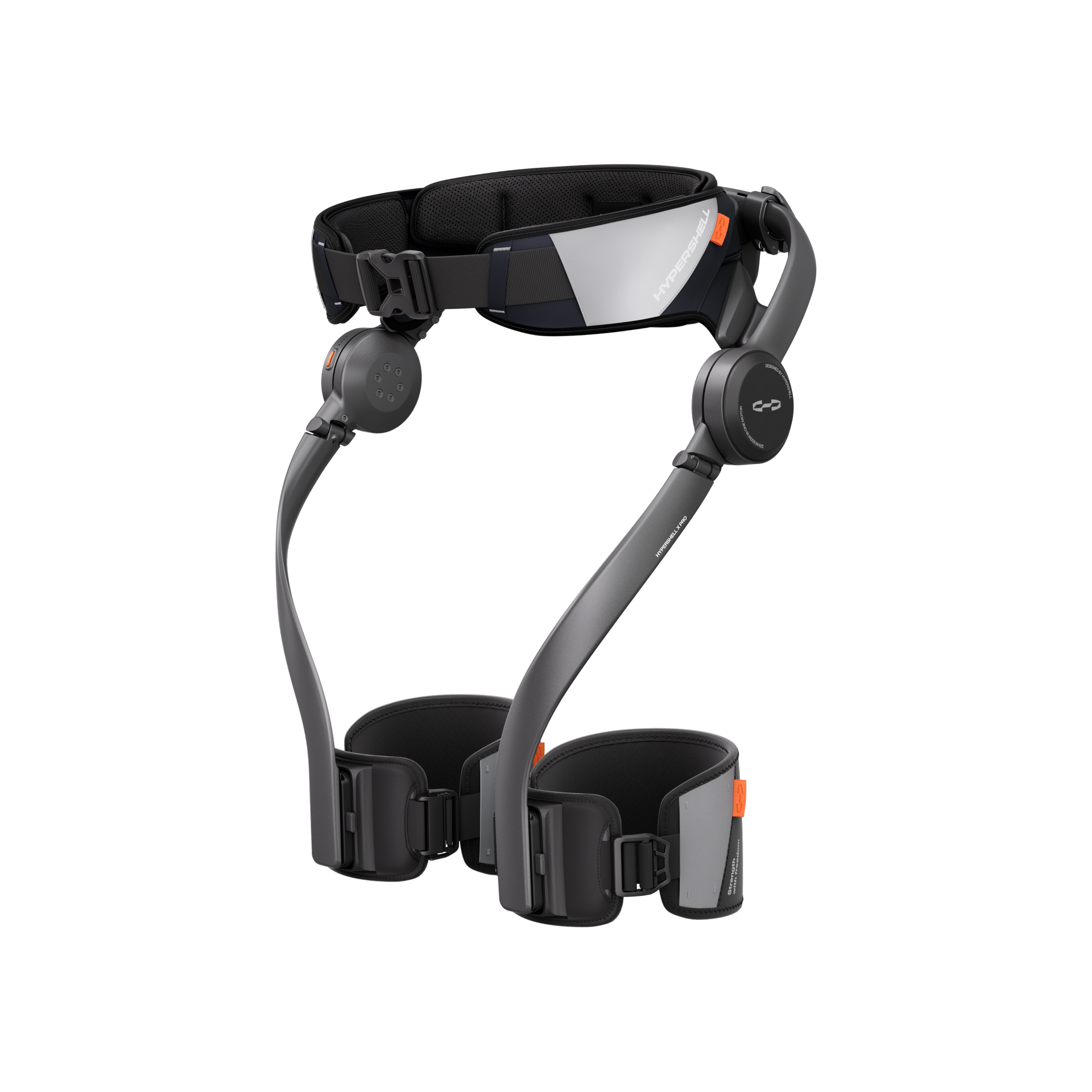
- Lightweight frame worn like a belt with thigh supports
- Rechargeable battery for extended walking sessions
Result: Less metabolic effort per step, delayed fatigue, and longer walking endurance.
Best use cases
- Long hikes and treks
- Urban walking and commuting
- Physically demanding jobs
- Older adults with leg fatigue
- Post-injury low-impact mobility support
🧠 Why “63% Less Effort” Matters
Walking fatigue is largely driven by hip flexor and quadriceps load. By assisting hip flexion:
- Heart rate rises more slowly
- Muscles accumulate less lactic acid
- Users can walk farther with the same perceived effort
- Joint strain is reduced over long distances
This is mechanical assistance, not stimulation or compression.
🔄 Alternatives Under $300 That Deliver Related Benefits
Not everyone wants a motorized exoskeleton. Several wearable fitness boosters target similar outcomes (less fatigue, faster recovery, better endurance) through different methods.
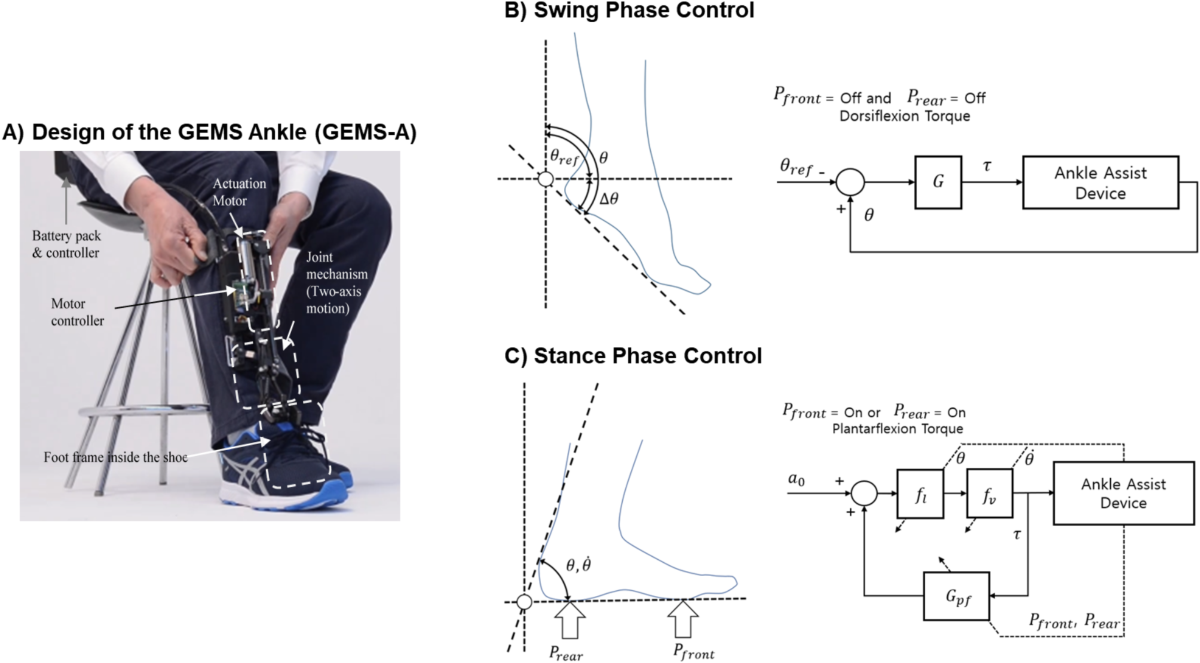
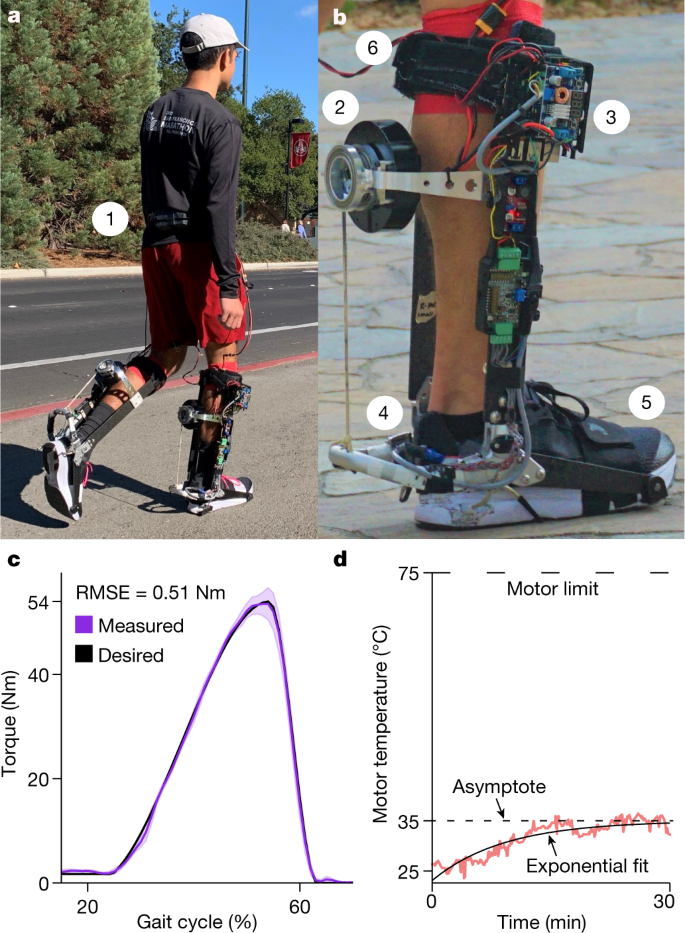
🦶 Powered Ankle Bands (Gait Assistance)



These focus on push-off assistance at the ankle rather than hip lift.
Benefits
- Improves stride efficiency
- Reduces calf fatigue
- Lightweight and discreet
- Ideal for runners and fast walkers
🦵 Pneumatic Compression Recovery Boots


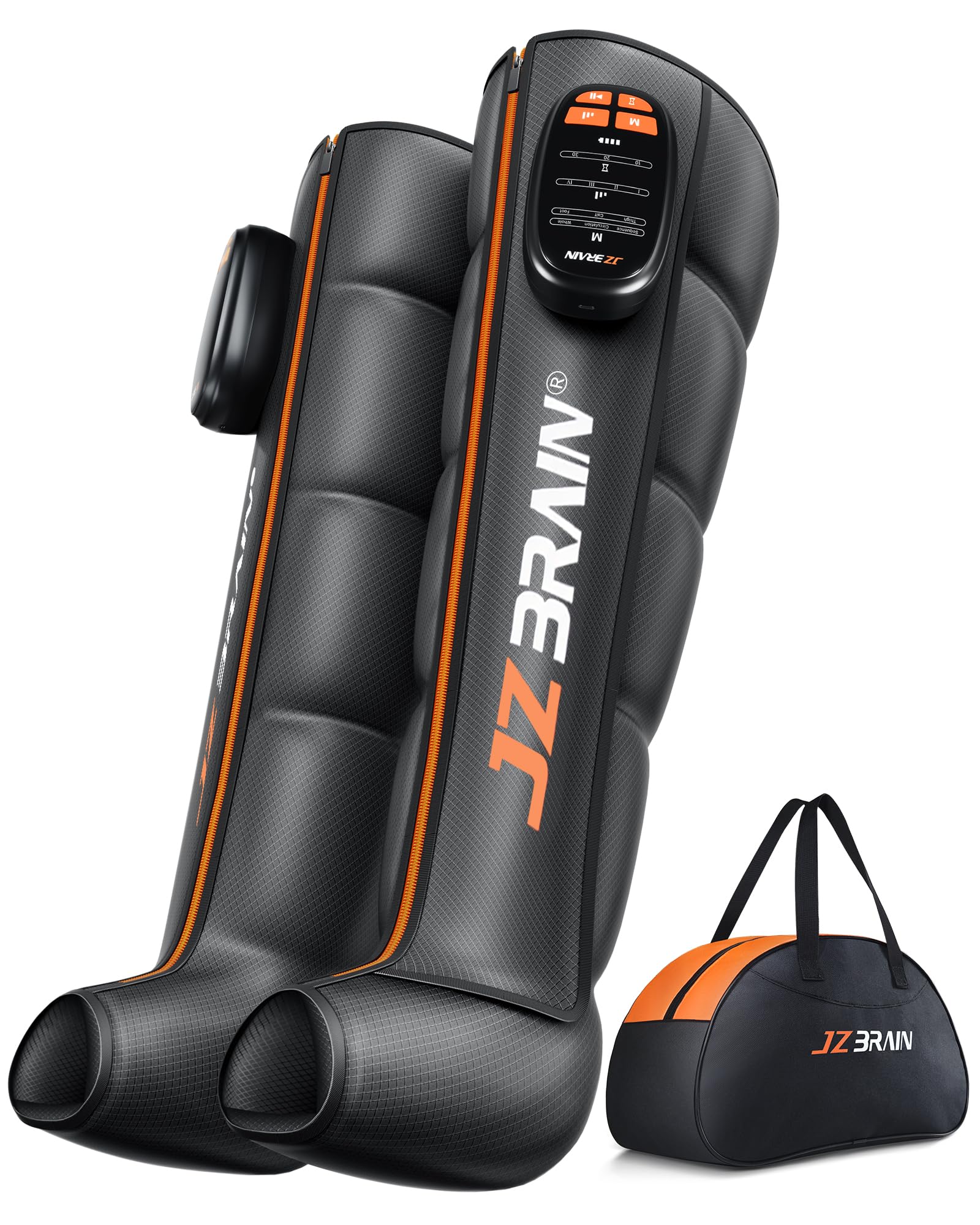
These don’t assist walking but dramatically reduce recovery time after long activity.
Benefits
- Flushes lactic acid
- Reduces swelling
- Speeds muscle recovery
- Popular with athletes and hikers
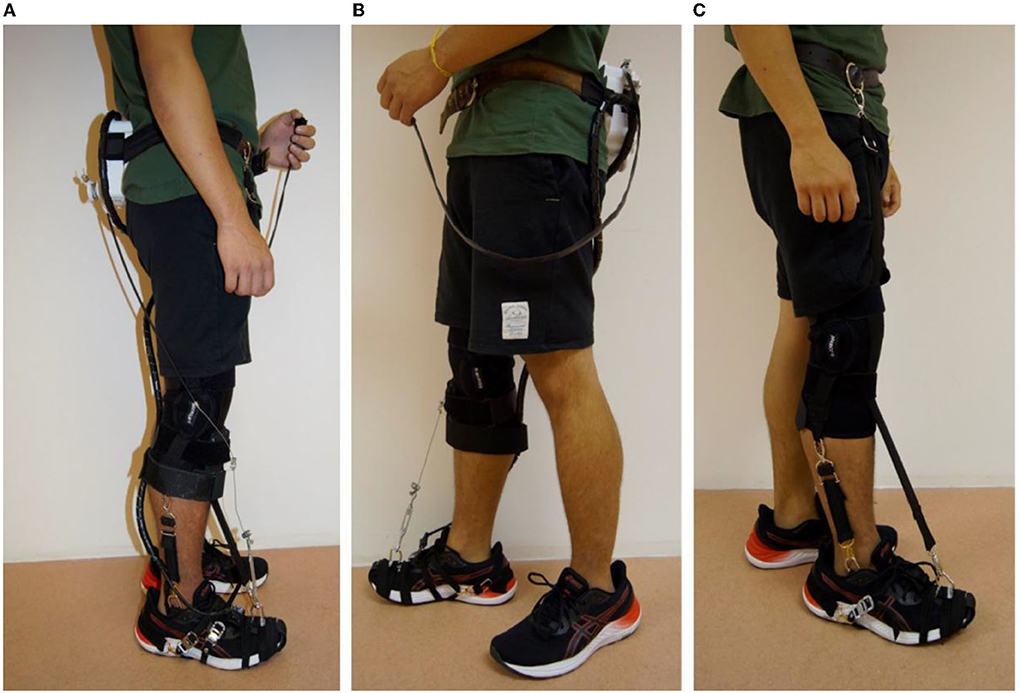
🧲 Passive Exoskeleton Braces (No Motors)
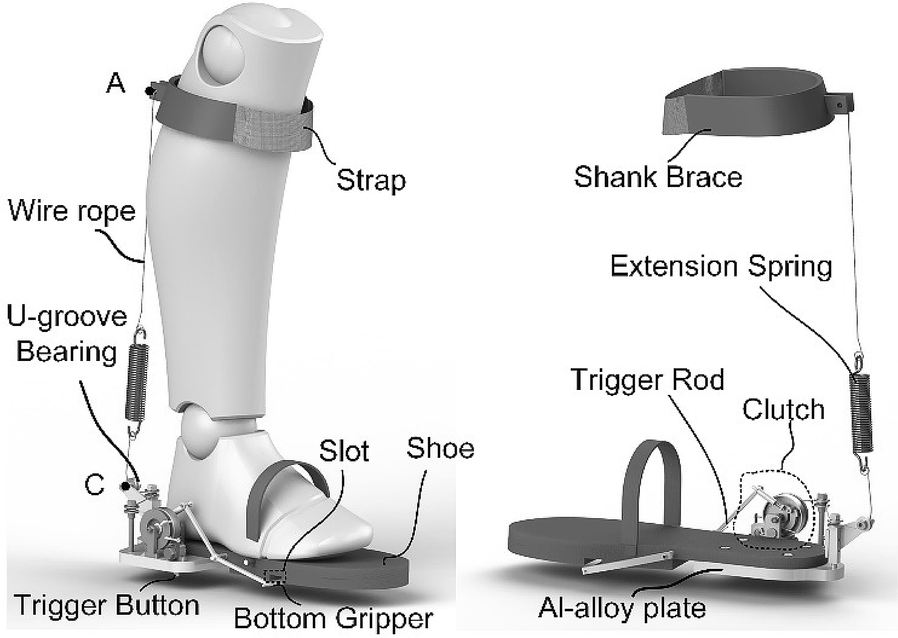
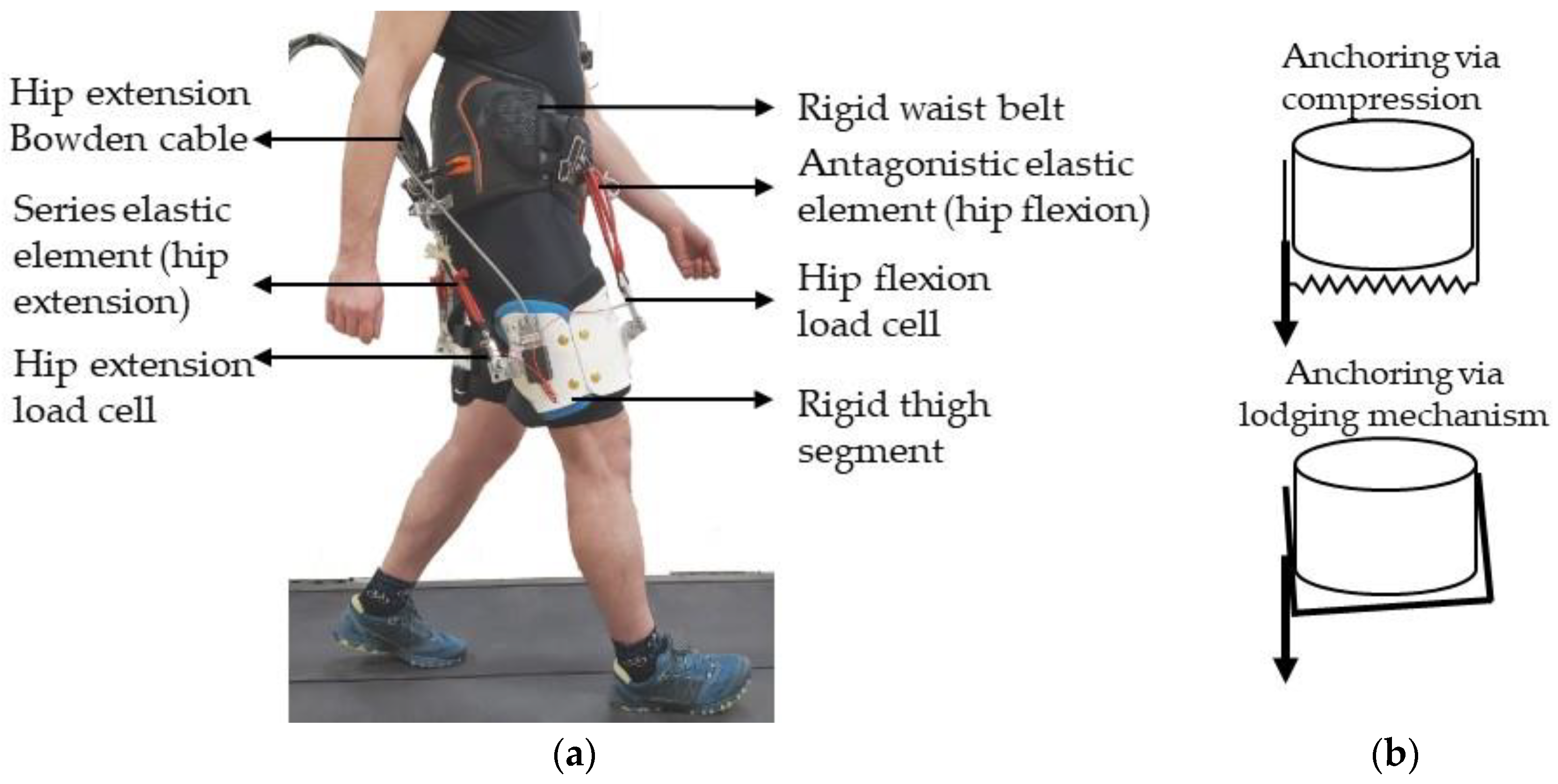

These use spring tension instead of batteries.
Benefits
- No charging required
- Very light
- Lower cost
- Good for posture and mild assistance
- It is the user’s responsibility to ensure that the product is used in accordance with its intended purpose. Hypershell d…
- ENHANCED POWER & ENDURANCE: Command up to 800W of maximum assistive power to significantly ease the effort during demand…
- HYBRID MATERIAL STRENGTH: Built with a sophisticated frame combining lightweight Carbon Fiber Reinforced Polymer, robust…
🧭 Which One Is Right for You?
| Goal | Best Option |
|---|---|
| Walk longer with less fatigue | Hypershell X hip exoskeleton |
| Improve stride efficiency for running/walking | Powered ankle bands |
| Recover faster after long activity | Compression recovery boots |
| Lightweight daily posture/walk support | Passive spring exoskeleton |
🚀 Why This Category Is Exploding
Three trends are converging:
- Miniaturized motors and batteries
- Consumer acceptance of wearable tech
- Demand for longevity, mobility, and recovery tools
What fitness trackers did for monitoring, exoskeleton wearables are doing for physical assistance.
🧩 Final Takeaway
The Hypershell X represents a new class of wearable performance enhancers: devices that don’t track your steps — they help you take them.
And if a motorized exoskeleton isn’t your style, ankle assist wearables, compression recovery systems, and passive braces offer similar fatigue-reduction benefits at accessible prices.
Wearable fitness is moving from measurement to mechanical advantage.