

The Importance of Digestive Health: Why Supplements Matter


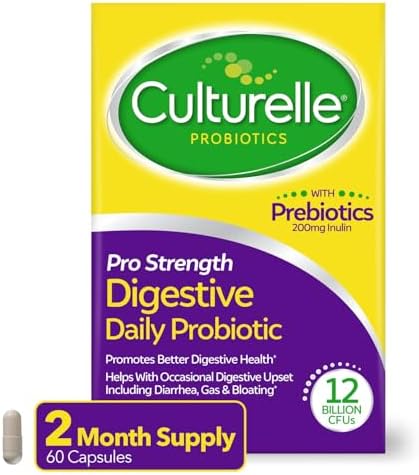
Understanding Digestive Health
Digestive health is a crucial aspect of overall well-being, encompassing a variety of processes that enable the body to break down food, absorb nutrients, and eliminate waste. The digestive system, which includes organs such as the mouth, esophagus, stomach, intestines, and rectum, plays an essential role in this complex mechanism. Each part of this system works collaboratively to ensure that food is efficiently processed and that vital nutrients are delivered to the body.
The primary function of the digestive system involves digestion, a process that starts in the mouth with mechanical breakdown and continues in the stomach and intestines through chemical reactions. During digestion, food is transformed into smaller components, such as carbohydrates, proteins, and fats, which are necessary for cellular function and energy production. Following digestion, absorption occurs predominantly in the small intestine, where nutrients are taken up into the bloodstream to nourish various body systems.
Another vital component of digestive health is the gut microbiome, a complex community of microorganisms residing in the digestive tract. These microbes play a significant role in aiding digestion, synthesizing certain vitamins, and defending against harmful pathogens. A balanced gut microbiome contributes to overall health, as it influences metabolism and immune function. However, factors such as poor diet, stress, medications, and lifestyle choices can disrupt the delicate balance of these microorganisms, leading to digestive issues.
Furthermore, issues such as irritable bowel syndrome (IBS), inflammatory bowel disease (IBD), and food intolerances can arise from imbalances within the digestive system, indicating that maintaining digestive health is essential. Preventative measures, including a well-rounded diet rich in fiber, adequate hydration, and regular physical activity, can significantly support digestive functions. Understanding these various aspects of digestive health assists individuals in recognizing the importance of adequate care and supplementation when necessary.
Signs of Poor Digestive Health
Poor digestive health manifests through a variety of symptoms that can greatly affect an individual’s overall well-being. Among the most common signs are bloating and gas, which often occur after meals and can lead to discomfort. This bloating is typically the result of excessive gas production in the gastrointestinal tract, which can be exacerbated by certain foods or eating habits. When gas and bloating become frequent, they may indicate underlying digestive issues that warrant attention.
Another prevalent symptom is constipation, characterized by infrequent bowel movements or difficulty passing stools. This condition can lead to a feeling of fullness and can be a source of significant discomfort. On the other hand, diarrhea is equally indicative of digestive distress, often resulting in loose or watery stools. Frequent diarrhea can lead to dehydration and other serious health concerns if not managed properly.
Food intolerances are also a critical aspect to consider when assessing digestive health. Individuals may experience adverse reactions to specific foods, resulting in symptoms such as abdominal pain, cramps, or nausea. These intolerances can disrupt daily life and hinder nutritional balance, further compounding digestive issues.
Long-term digestive problems, if left unaddressed, can evolve into more severe health complications. Chronic conditions such as irritable bowel syndrome (IBS), inflammatory bowel disease (IBD), or even gastrointestinal cancers may find their roots in neglected digestive health. Therefore, recognizing the signs of poor digestive health is paramount in fostering a proactive approach toward wellness and ensuring that one seeks timely medical advice when experiencing persistent symptoms.
The Role of Nutrition in Digestive Health
Proper nutrition plays a fundamental role in maintaining digestive health, directly influencing the efficiency of the gastrointestinal system. A balanced diet rich in various nutrients helps to support digestive functions, promote gut motility, and reduce the risk of digestive disorders. Central to this discussion is the importance of fibers, probiotics, and prebiotics, which contribute significantly to gut health.
Fiber, a crucial component of a healthy diet, is classified into soluble and insoluble types. Soluble fiber, found in foods like oats, beans, and fruits, absorbs water, forming a gel-like substance that helps regulate digestion and stabilize blood sugar levels. Insoluble fiber, abundant in whole grains, nuts, and vegetables, adds bulk to stool, promoting regular bowel movements and preventing constipation. A diet high in fiber not only supports intestinal health but also fosters a balanced microbiome, which is essential for digestion.
Another vital element in nutrition is the inclusion of probiotics. These beneficial bacteria, commonly found in fermented foods such as yogurt, kefir, and sauerkraut, help to maintain a balanced gut flora. Probiotics can enhance digestive health by preventing the growth of harmful bacteria, aiding lactose digestion, and improving nutrient absorption. Additionally, prebiotics, which are fibrous compounds found in foods like garlic, onions, and bananas, serve as food for probiotics, further aiding in the maintenance of a healthy gut environment.
Ultimately, a balanced diet that incorporates a variety of nutrients, fibers, probiotics, and prebiotics is essential for optimal digestive health. By emphasizing nutrition, individuals can help foster a robust digestive system, enabling effective nutrient absorption and reducing the likelihood of gastrointestinal issues.
When to Consider Supplements
Maintaining optimal digestive health is crucial for overall well-being, and there are specific scenarios where the incorporation of digestive health supplements may be beneficial. Individuals with dietary restrictions, such as vegetarians or vegans, may find it challenging to obtain adequate nutrients solely through their diet. This could lead to deficiencies in essential vitamins and minerals, which can, in turn, result in digestive problems. In such cases, digestive health supplements like probiotics or digestive enzymes can help restore balance and improve nutrient absorption.
Additionally, those recovering from illness may experience compromised digestive function due to the effects of medication or the illness itself. For instance, antibiotics can negatively impact the gut flora, leading to symptoms such as bloating, gas, or irregular bowel movements. In this scenario, the inclusion of probiotic supplements alongside a balanced diet can assist in reestablishing beneficial gut bacteria and promoting healthy digestion.
Another factor to consider is the presence of chronic digestive dysfunction, which may not be manageable through dietary adjustments alone. Conditions such as irritable bowel syndrome (IBS), inflammatory bowel disease (IBD), or food intolerances can hinder the body’s ability to process and absorb nutrients effectively. Individuals facing these issues may benefit significantly from digestive health supplements tailored to their specific condition. For example, those with IBS might use fiber supplements or certain probiotics to alleviate symptoms and enhance gut health.
Moreover, aging can also impact digestion. As people age, the body may produce fewer digestive enzymes, leading to difficulties in breaking down food. In such cases, digestive enzyme supplements can aid in food breakdown, promoting better nutrient absorption and reducing discomfort. Therefore, recognizing these situations is essential for individuals to determine when supplements should be a vital part of their digestive health regimen.
Types of Digestive Health Supplements
Digestive health supplements come in various forms, each designed to support the gastrointestinal system in distinct ways. Understanding these types can help individuals select the most suitable options for their digestive needs.
Probiotics are among the most popular supplements for digestive health. These are live bacteria that offer numerous health benefits when consumed in adequate amounts. Probiotics work by balancing the gut microbiota, which can be disrupted due to factors like poor diet, stress, or antibiotic use. By restoring this balance, probiotics may help alleviate symptoms of conditions such as irritable bowel syndrome (IBS) and diarrhea, promoting overall digestive wellness.
Digestive enzymes represent another crucial type of supplement. These enzymes assist in breaking down food into nutrients that the body can absorb. Commonly found digestive enzymes include amylase, protease, and lipase, which team up to facilitate the digestion of carbohydrates, proteins, and fats, respectively. By improving the efficiency of digestion, enzyme supplements can help reduce bloating, gas, and discomfort following meals.
Fiber supplements play a vital role in maintaining digestive health as well. They are essential for regulating bowel movements by adding bulk to the stool and facilitating its passage through the intestines. Soluble fiber supplements, like psyllium husk, can also help manage cholesterol levels and stabilize blood sugar. Conversely, insoluble fiber, such as wheat bran, supports digestive health by promoting regularity.
Herbal remedies have been utilized for centuries to address various digestive issues. Ingredients such as ginger, peppermint, and fennel have been traditionally recognized for their ability to soothe gastrointestinal discomfort. These herbs can mitigate nausea, reduce bloating, and aid in digestion. Overall, incorporating a combination of these different types of supplements can significantly contribute to maintaining optimal digestive health.
Choosing the Right Supplement
When it comes to maintaining digestive health, selecting the appropriate supplement is crucial for achieving optimal results. The first consideration should always be the individual health needs of the person in question. Different individuals may experience unique digestive issues, such as bloating, constipation, or irritable bowel syndrome. Therefore, identifying personal requirements will help in selecting a supplement that addresses specific problems effectively.
Once you have a clear understanding of your health requirements, the next factor to explore is ingredient quality. Not all supplements are created equal; the efficacy of a digestive health supplement largely depends on the quality of its ingredients. Look for products that contain well-researched components, such as probiotics, prebiotics, and enzymes. These ingredients support digestive health by promoting a balanced gut microbiome and aiding in food breakdown. Additionally, it’s prudent to choose supplements that are free from artificial additives or harmful fillers, as these can detract from the overall effectiveness and safety of the product.
Dosage recommendations are another critical aspect to consider. Each supplement may have a different suggested daily intake based on its formulation. It is essential to adhere to these guidelines to ensure you are consuming an appropriate amount for your needs. Overconsumption can lead to adverse effects, while underconsumption may render the product ineffective.
Lastly, consulting healthcare professionals is paramount when selecting a digestive health supplement. Medical experts can provide personalized advice and ensure that the chosen supplement aligns with any existing health conditions or medications. This collaboration helps mitigate potential interactions and optimizes the benefits one can derive from the supplement. Thoroughly evaluating these factors will lead to a more informed and beneficial decision regarding digestive health supplementation.
Safety and Side Effects of Supplements
While digestive health supplements can offer several benefits, it is essential to approach their use with caution. Various supplements, such as probiotics, digestive enzymes, and fiber, are designed to enhance digestive function and promote overall well-being. However, they may also come with potential risks and side effects that users should consider before starting any new regimen.
One of the most significant concerns regarding digestive health supplements is the potential for interactions with prescribed medications. Certain supplements may alter the effectiveness of medications or exacerbate side effects. For instance, probiotics, although beneficial for gut health, can sometimes affect the metabolism of antibiotics. It is crucial for individuals to consult their healthcare providers before introducing new supplements, especially if they are on medication for chronic conditions.
Additionally, individuals may experience side effects from using digestive health supplements. Common side effects can include mild gastrointestinal discomfort, such as bloating, gas, or diarrhea, particularly when starting a new supplement. These symptoms often resolve as the body adjusts; however, persistence or worsening of symptoms may indicate an adverse reaction to the supplement. It is advisable for users to monitor their body’s response closely and discontinue use if they experience severe or persistent symptoms.
Furthermore, supplements are not regulated in the same way as pharmaceuticals, leading to variations in quality and potency. It is vital to choose supplements from reputable manufacturers that provide transparency regarding their ingredients and formulations. Ensuring safety should always be a priority when considering digestive health supplements.
In conclusion, the importance of understanding the potential risks and side effects associated with digestive health supplements cannot be overstated. Caution, consultation with healthcare professionals, and self-monitoring can play a significant role in ensuring a safe and beneficial supplement experience.
Lifestyle Changes to Support Digestive Health
Maintaining optimal digestive health is essential for overall well-being, and certain lifestyle changes can significantly enhance the effectiveness of supplements. One of the most impactful adjustments relates to stress management. Chronic stress can disrupt gut function, leading to issues such as bloating and constipation. Techniques such as mindfulness, yoga, or even simple breathing exercises can promote relaxation and help maintain a balanced digestive system.
Hydration also plays a crucial role in digestive health. The human digestive system requires adequate water intake to function properly. Drinking sufficient amounts of water can aid in the breakdown of food, make it easier to absorb nutrients, and promote regular bowel movements. It is advisable to consume water throughout the day and pair it with high-water-content foods, such as fruits and vegetables, to enhance hydration levels.
In addition to hydration, regular physical activity is vital for promoting a healthy digestive system. Exercise aids in stimulating the digestive tract, reducing bloating, and improving bowel movements. Even simple activities, like walking or stretching after meals, can contribute positively. Incorporating at least 150 minutes of moderate-intensity exercise each week can have a profound impact on both digestive and overall health.
Finally, prioritizing sleep hygiene is essential for maintaining a healthy digestive system. Quality sleep allows the body to repair and rejuvenate, supporting various bodily functions, including digestion. Aim for 7-9 hours of uninterrupted sleep per night, and consider establishing a consistent sleep routine by going to bed and waking up at the same time daily.
These lifestyle modifications, including stress management, proper hydration, regular physical activity, and good sleep hygiene, collectively contribute to enhanced digestive health. When combined with appropriate supplements, these changes can lead to significant improvements in overall digestive function.
Conclusion: Prioritizing Your Digestive Health
As we navigate through life’s demands, the significance of maintaining optimal digestive health cannot be overstated. The gastrointestinal system serves as a cornerstone for overall well-being, influencing not only nutrient absorption but also the functioning of numerous other bodily systems. Proactive measures to manage and enhance digestive health, including nutritional adjustments and the judicious use of supplements, are essential in this regard. The complexities of digestive health underscore the need for a well-rounded approach that combines a balanced diet with effective supplemental support.
Incorporating fiber-rich foods, probiotics, and prebiotics into daily meals significantly contributes to robust digestive function. These elements work synergistically to promote a healthy gut microbiome, facilitating improved digestion and absorption. However, dietary adjustments alone may not be sufficient for everyone, particularly for individuals grappling with specific gastrointestinal issues or those whose lifestyles hinder optimal nutrition. In such cases, dietary supplements can provide essential nutrients that might be lacking, offering additional support to maintain digestive health.
It is pivotal for individuals to be attentive to their bodies and recognize the signs that may indicate digestive distress. Such signs may include bloating, irregular bowel movements, or unexplained discomfort. By prioritizing digestive well-being and taking proactive steps, one can pave the way for enhanced health and vitality. Engaging with healthcare professionals to identify personal needs and appropriate supplement use can further facilitate maintaining digestive health. The proactive approach of prioritizing one’s digestive health ultimately serves as an investment in overall wellness, fostering a healthier, more balanced lifestyle.