
China Becomes Second Nation to Recover an Orbital Rocket Booster, Using a Net at Sea
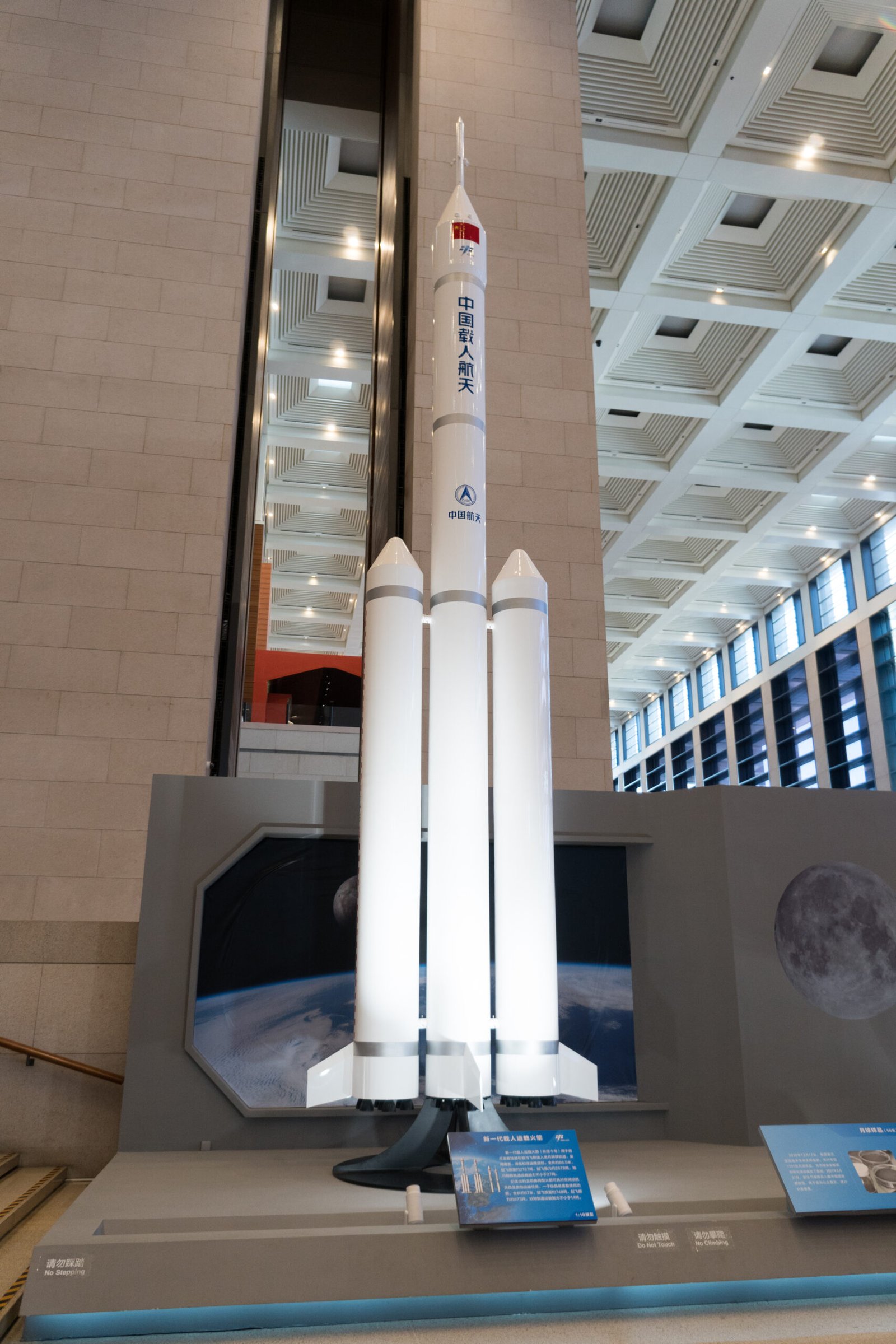
On July 10, 2026, a Chinese Long March 10B rocket lifted off from the Hainan Commercial Space Launch Site and, minutes later, its first stage was caught by a net strung across the deck of a recovery ship at sea — making China only the second country, after the United States, to recover an orbital-class rocket booster intact.
How the recovery worked
Unlike SpaceX’s approach, which lands boosters upright on legs, the Long March 10B’s first stage deployed hooks that engaged tensioned cables strung across a net-like structure on the recovery vessel, called the Linghangzhe. The net absorbed the booster’s remaining momentum before auxiliary cables locked it in place against wind and waves — described by the rocket’s operator as the world’s first successful net-system capture of an orbital carrier rocket stage.
What the rocket is for
The Long March 10B is being developed as part of China’s crewed lunar program, with the stated goal of sending Chinese astronauts to the Moon before 2030. China’s space program, CASC, has said it aims to reuse this same recovered first stage before the end of 2026.
Why it matters
Reusable boosters are the single biggest reason SpaceX has been able to drive down the cost of orbital launch over the past decade. A successful, repeatable recovery method — even one using a different technique like a net instead of landing legs — meaningfully narrows the gap between China’s launch capabilities and the reusable-rocket approach that has defined the current era of spaceflight.
Source: Scientific American.