
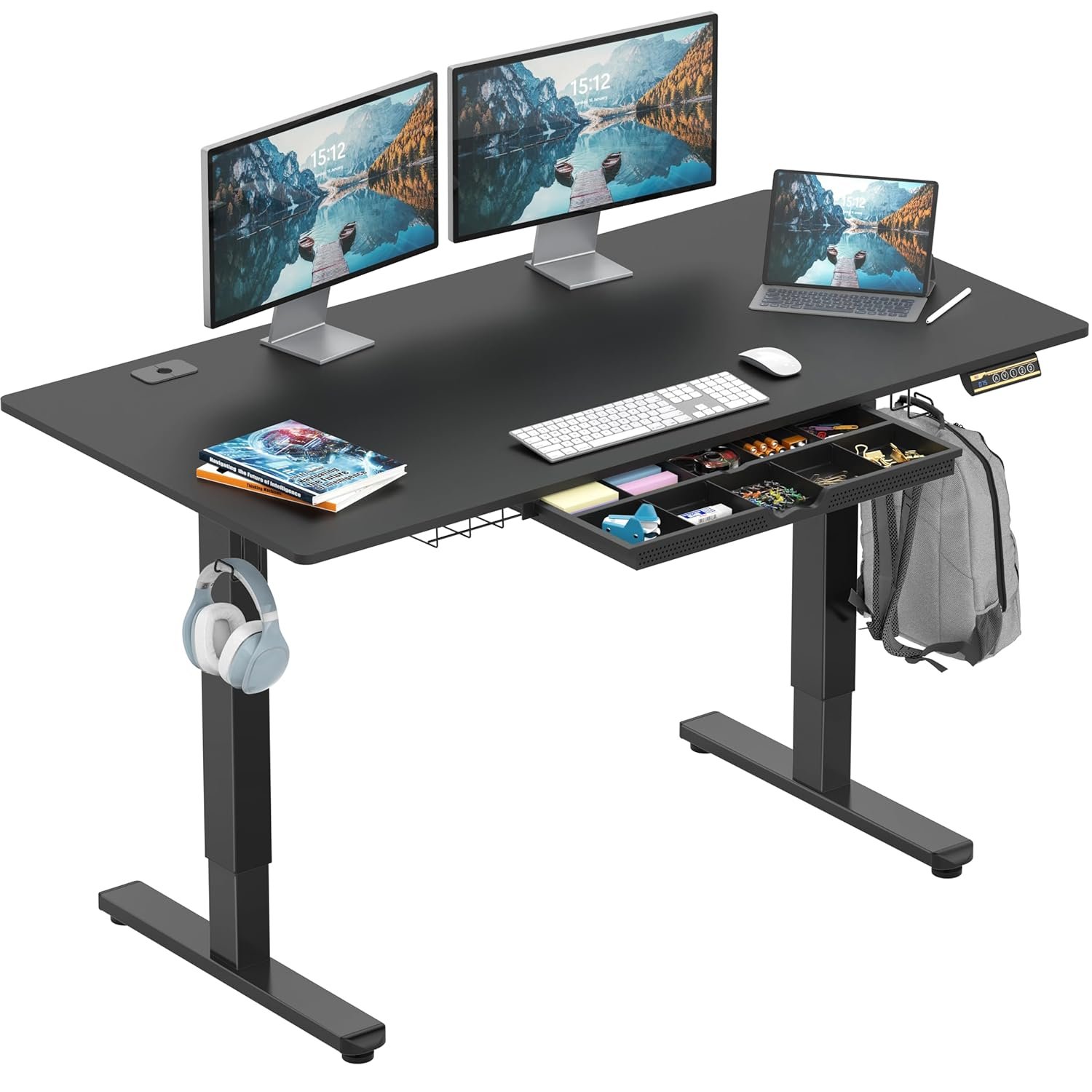
Standing Desk Buying Guide: What to Look for Before You Buy
In today’s fast-paced work environment, the importance of creating a comfortable and ergonomic workspace cannot be overstated. Standing desks have surged in popularity as more individuals seek to improve their health and productivity while working from home or in traditional office settings. With a growing body of research supporting the benefits of reducing sedentary behavior, standing desks have become a sought-after home-office upgrade. If you’re considering making the switch to a standing desk, this buying guide will help you navigate the myriad options available and ensure you choose the right one for your needs.
Buying Criteria: What to Consider
When selecting a standing desk, several key factors should influence your decision:
- Height Adjustment Mechanism: Look for desks with smooth and reliable height adjustment options. Manual crank systems are often less expensive, while electric models offer convenience and ease of use.
- Weight Capacity: Ensure that the desk can support the weight of your equipment, including monitors, laptops, and other accessories. Most standing desks have a weight capacity ranging from 50 to 300 pounds.
- Size and Space: Measure your workspace to determine how much room you have for a standing desk. Consider the desk’s surface area to ensure it can accommodate your devices and workspace essentials.
- Material Quality: The durability and aesthetics of the desk depend on the materials used. Look for desks made from high-quality wood, metal, or composite materials that can withstand daily use.
Current Trends in Standing Desks
The standing desk market continues to evolve, with several trends shaping consumer preferences in 2026:
- Smart Technology: Many modern standing desks now come equipped with smart features, such as app connectivity, programmable height presets, and reminders to encourage movement throughout the day.
- Eco-Friendly Materials: As sustainability becomes a priority for consumers, many manufacturers are focusing on using recycled and environmentally friendly materials in their desk designs.
- Customizable Designs: Personalization is a growing trend, with many desks offering customizable colors, finishes, and configurations to match individual styles and office aesthetics.
What to Look For in a Standing Desk
Beyond the basic features, there are additional aspects to consider when choosing a standing desk:
- Stability: A wobbly desk can be distracting and frustrating. Look for desks with a sturdy frame and a wide base to enhance stability, especially when fully extended.
- Ease of Assembly: Check reviews for information on how easy the desk is to assemble. Some models come with clear instructions and all necessary tools, while others may be more complicated.
- Warranty and Customer Support: A good warranty indicates the manufacturer’s confidence in their product. Look for desks that offer at least a one-year warranty, along with responsive customer support.
Common Mistakes to Avoid
When purchasing a standing desk, it’s easy to make some common mistakes. Here are a few to watch out for:
- Ignoring Ergonomics: Ensure that the desk height allows for proper posture. Your elbows should be at a 90-degree angle when typing, and your monitor should be at eye level.
- Not Considering Accessories: Think about additional accessories, such as anti-fatigue mats and monitor risers, which can enhance your standing desk experience.
- Overlooking Reviews: Always research customer reviews and ratings before making a purchase. They can provide valuable insights into the desk’s performance and potential issues.
FAQ
What is the ideal height for a standing desk?
The ideal height for a standing desk typically allows your elbows to be at a 90-degree angle while typing, and your monitor should be at eye level to prevent neck strain. Most desks offer adjustable heights to accommodate different users.
Are standing desks worth the investment?
Yes, standing desks can be a worthwhile investment for improving posture, reducing the risk of chronic health issues associated with prolonged sitting, and enhancing productivity. Many users report feeling more energized and focused when using a standing desk.
How often should I alternate between sitting and standing?
It’s generally recommended to alternate between sitting and standing every 30 to 60 minutes. Listening to your body and adjusting based on comfort is essential to avoid fatigue and discomfort.
In conclusion, choosing the right standing desk involves careful consideration of various factors, including height adjustment mechanisms, stability, and ergonomics. With the ongoing trends towards smart technology and eco-friendly materials, there are more options than ever to fit your unique workspace needs. By avoiding common pitfalls and focusing on quality, you can significantly enhance your home office setup. For a seamless transition to a healthier work environment, we recommend exploring some of the top-rated standing desks available today, ensuring you find the perfect fit for your lifestyle and workspace.