Kitchen Garden Design Ideas: Growing Beautiful Edible Landscapes
As we step into 2026, the gardening landscape has evolved dramatically, with edible gardening emerging as the top goal across all age groups. This shift reflects a growing desire to combine beauty with functionality, allowing gardeners to create stunning landscapes that also provide fresh produce. Whether you’re a seasoned gardener or a novice, designing a kitchen garden that is both aesthetically pleasing and productive can be a rewarding endeavor. In this article, we will explore innovative kitchen garden design ideas, essential buying criteria, current trends, common mistakes, and tips to help you cultivate your own beautiful edible landscape.
Buying Criteria for Your Kitchen Garden
When planning your kitchen garden, there are several key factors to consider to ensure a successful and visually appealing design:
- Space Availability: Assess the area you have for your garden. Whether it’s a small balcony, a backyard, or even vertical space indoors, understanding your space will guide your design choices.
- Sunlight Exposure: Most edible plants require at least 6-8 hours of sunlight per day. Observe the sunlight patterns in your chosen area and select plants that thrive in those conditions.
- Soil Quality: The health of your plants begins with the soil. Invest in quality soil amendments and consider raised beds if your existing soil is poor.
- Plant Selection: Choose a mix of herbs, vegetables, and edible flowers that not only taste great but also complement each other visually. Consider seasonal planting for year-round harvests.
Current Trends in Edible Gardening
The trend towards edible gardening is not just about growing food; it’s about creating a lifestyle. Here are some of the most notable trends in 2026:
- Permaculture Principles: Many gardeners are adopting permaculture techniques, which emphasize sustainable and self-sufficient agricultural ecosystems. This approach not only enhances biodiversity but also reduces the need for chemical fertilizers.
- Vertical Gardening: With urban spaces becoming increasingly limited, vertical gardening has gained popularity. This method allows gardeners to maximize space while creating visually appealing structures filled with edible plants.
- Edible Landscaping: Blending ornamental plants with edible varieties is a growing trend. Homeowners are integrating fruit trees, berry bushes, and edible flowers into their traditional landscapes, making gardens both beautiful and productive.
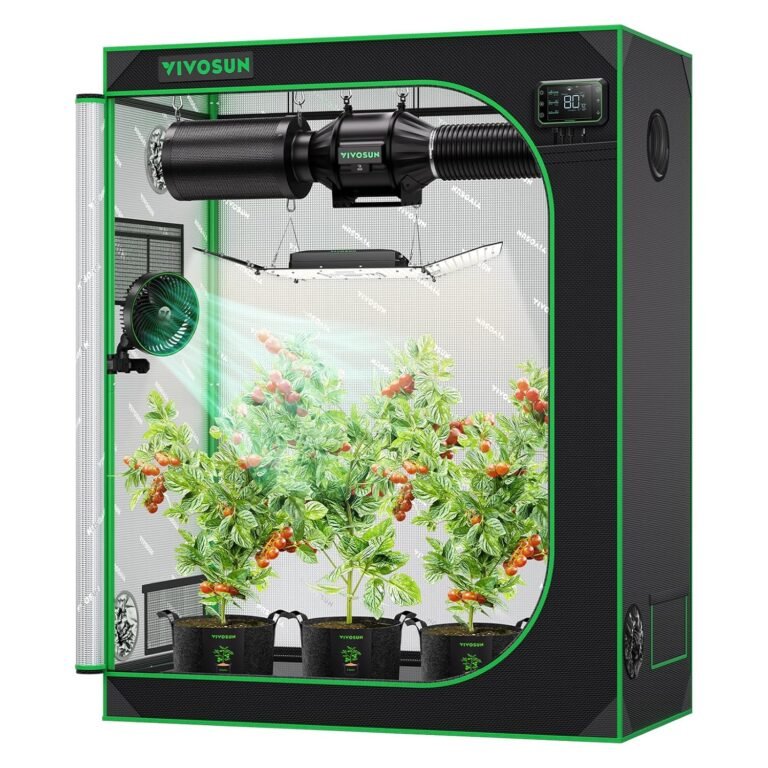
- Hydroponics and Aquaponics: These methods of growing plants without soil are becoming more accessible for home gardeners. They allow for year-round gardening and can be a stunning addition to indoor spaces.
What to Look For in a Kitchen Garden Design
Creating a successful kitchen garden involves more than just planting seeds. Here are some design elements to consider:
- Color and Texture: Incorporate a variety of plants with different colors and textures to create visual interest. Think about how the greens of leafy vegetables can contrast with the vibrant hues of fruits and flowers.
- Pathways and Access: Design your garden with accessible pathways to make maintenance easier. Consider using gravel, wood chips, or stepping stones to create defined paths that enhance the overall look.
- Containers and Raised Beds: Use decorative containers or raised beds to add height and variety to your garden. These features can also help with drainage and soil quality.
- Seasonal Changes: Plan for seasonal changes by incorporating plants that bloom or produce at different times of the year, ensuring your garden remains vibrant and productive throughout the seasons.
Common Mistakes to Avoid
Even experienced gardeners can make mistakes. Here are some common pitfalls to watch out for:
- Overcrowding: While it’s tempting to plant as much as possible, overcrowding can lead to poor growth and disease. Be mindful of spacing requirements for each plant.
- Neglecting Maintenance: A beautiful kitchen garden requires regular maintenance. Set aside time for watering, weeding, and harvesting to keep your garden thriving.
- Ignoring Local Climate: Choose plants that are well-suited to your local climate and growing conditions. Research your hardiness zone to select the best varieties.
- Forgetting Aesthetics: While productivity is important, don’t forget the visual appeal. Balance edible plants with ornamental varieties to create a garden that is both functional and beautiful.
FAQ
What are the best plants for a kitchen garden?
The best plants for a kitchen garden often include a mix of herbs (like basil and parsley), vegetables (such as tomatoes and peppers), and edible flowers (like nasturtiums). Consider your climate and personal preferences when selecting plants.
How can I maintain my kitchen garden?
Regular maintenance involves watering, weeding, pruning, and harvesting. Using mulch can help retain moisture and suppress weeds, while keeping an eye out for pests will ensure your plants remain healthy.
Can I grow a kitchen garden in small spaces?
Absolutely! Small spaces can be utilized effectively with container gardening, vertical gardening, or raised beds. Choose dwarf varieties of plants and maximize vertical space to create a productive kitchen garden.
In conclusion, designing a kitchen garden that combines beauty with functionality is an achievable goal for anyone in 2026. By considering your space, selecting the right plants, and avoiding common mistakes, you can create a stunning edible landscape that not only enhances your home but also provides fresh produce for your table. Start your journey today and transform your gardening experience into one that celebrates both aesthetics and sustainability.