How to Start a Pollinator Garden: A Complete Beginner’s Guide
Are you looking to contribute to the environment while beautifying your outdoor space? Starting a pollinator garden is an excellent way to attract essential pollinators like bees, butterflies, and hummingbirds to your yard. In 2026, pollinator and rewilding gardens have surged in popularity, becoming a mainstream design choice for eco-conscious homeowners. With the increasing use of raised beds for structured planting, it’s easier than ever to create a thriving habitat for these vital creatures. This complete beginner’s guide will walk you through everything you need to know to start your own pollinator garden.
Buying Criteria for Pollinator Garden Supplies
When setting up a pollinator garden, choosing the right supplies is crucial for ensuring the health and diversity of your plants. Here are some key factors to consider:
- Plant Selection: Opt for native plants that are well-suited to your local climate. These plants are more likely to attract local pollinators and require less maintenance.
- Variety: Incorporate a mix of flowering plants that bloom at different times throughout the year. This ensures a continuous food source for pollinators.
- Soil Quality: Healthy soil is the foundation of a successful garden. Invest in organic compost and consider soil testing kits to understand your soil’s nutrient profile.
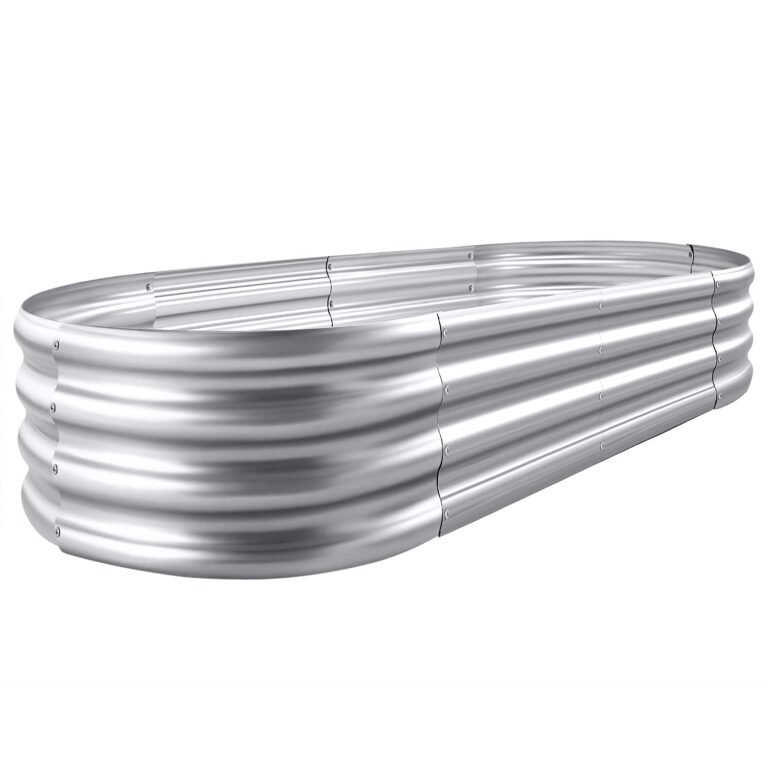
- Raised Beds: Raised beds can improve drainage and soil quality, making them ideal for structured pollinator planting. They also add visual interest to your garden.
Current Trends in Pollinator Gardening
The gardening landscape is evolving, and 2026 has seen several exciting trends in pollinator gardening:
- Rewilding: This trend focuses on creating natural habitats that mimic wild landscapes. By allowing plants to grow freely, you can attract a wider variety of pollinators.
- Community Involvement: Many neighborhoods are coming together to create community pollinator gardens, fostering a sense of belonging and collaboration.
- Educational Workshops: Local gardening clubs and nurseries are offering workshops on pollinator gardening, helping beginners learn the ropes and share experiences.
What to Look For in Pollinator Plants
Choosing the right plants is vital for attracting pollinators. Here are some characteristics to look for:
- Flower Shape: Different pollinators prefer different flower shapes. For example, tubular flowers attract hummingbirds, while flat flowers are better for butterflies.
- Pollen and Nectar Production: Select plants known for high pollen and nectar production, as these are the primary food sources for many pollinators.
- Color Variety: Bright colors, especially blue, purple, and yellow, tend to attract pollinators. A diverse color palette can make your garden visually appealing as well.
Common Mistakes to Avoid
Even the most enthusiastic beginners can make mistakes when starting a pollinator garden. Here are some common pitfalls to watch out for:
- Over-Reliance on Annuals: While annuals provide quick blooms, they often do not support pollinators year-round. Incorporate perennials for long-term sustainability.
- Neglecting Maintenance: Pollinator gardens require regular care, including watering, weeding, and pruning. Set aside time each week to tend to your garden.
- Using Pesticides: Many pesticides are harmful to pollinators. Opt for organic gardening methods to protect these essential creatures.
Frequently Asked Questions
How long does it take for a pollinator garden to establish?
Typically, a pollinator garden can take one to three years to fully establish. During this time, plants will grow, spread, and attract various pollinators. Patience is key!
Can I plant a pollinator garden in a small space?
Absolutely! Pollinator gardens can thrive in small spaces, such as balconies or small yards. Use containers or vertical gardening techniques to maximize your area.
What are the best plants for attracting bees?
Some of the best plants for attracting bees include lavender, sunflowers, coneflowers, and wildflowers. These plants are known for their high nectar and pollen production.
Starting a pollinator garden is not only beneficial for the environment but also a rewarding experience that can enhance your outdoor space. With the right plants, structure, and care, you can create a vibrant ecosystem that supports vital pollinators. If you’re ready to dive into the world of pollinator gardening, consider investing in high-quality native plants and raised bed kits to set yourself up for success. Happy gardening!