How Accurate Are Fitness Trackers for Heart Rate and Sleep?
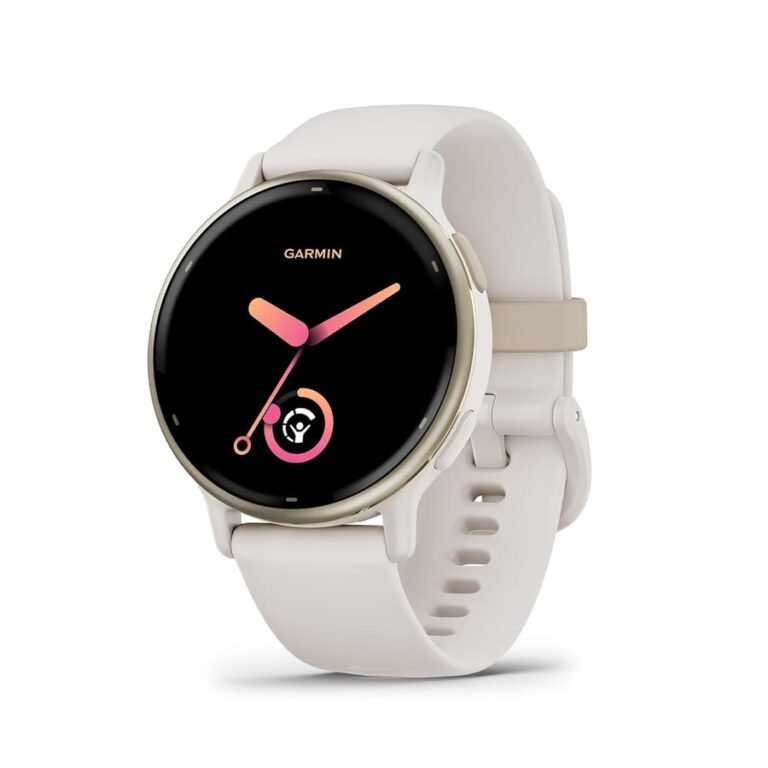
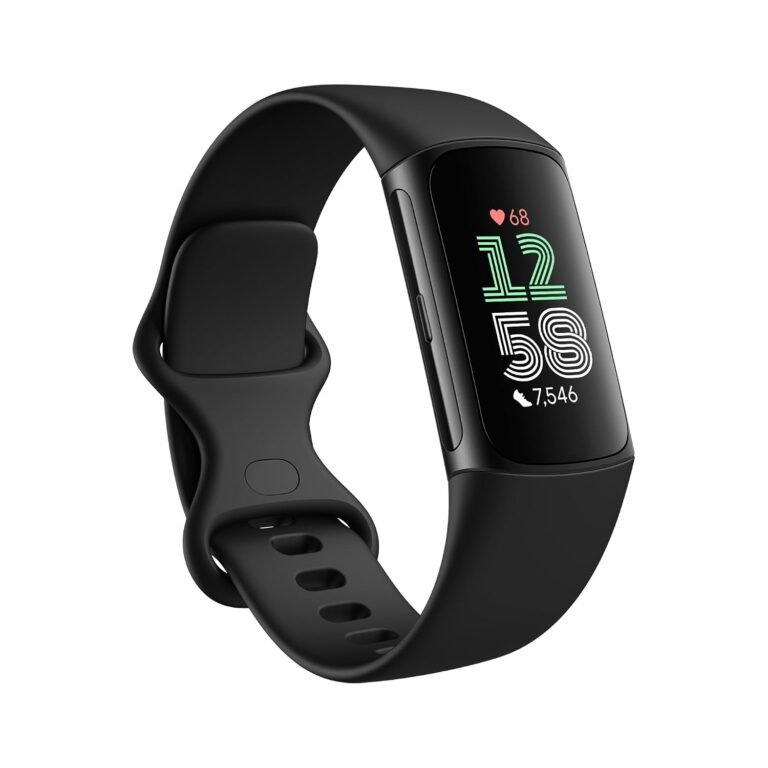
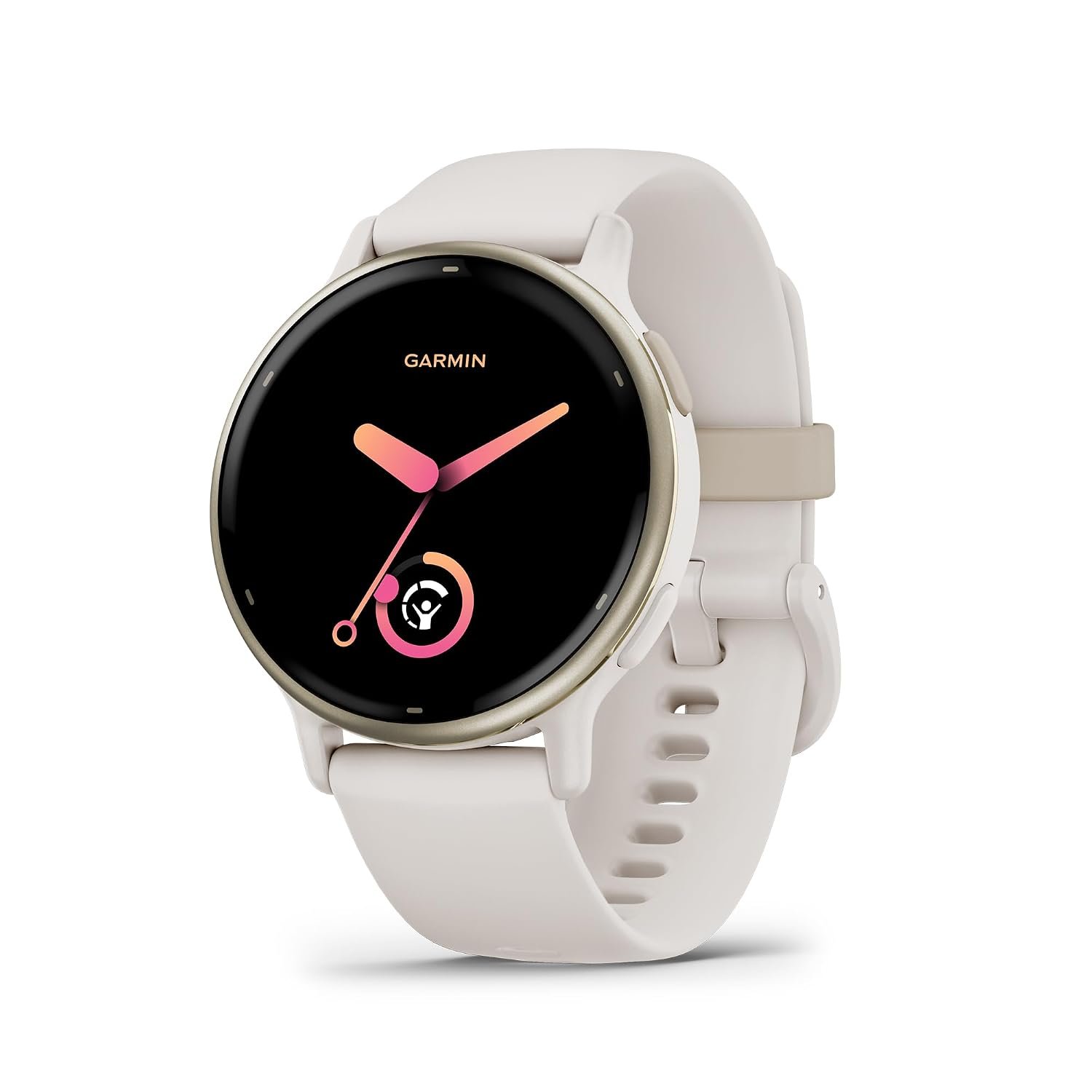
The fitness tracking market has evolved significantly in recent years, with 2026 seeing a surge in the accuracy and capabilities of fitness trackers, particularly regarding heart rate and sleep monitoring. As consumers become more health-conscious, the demand for reliable and precise data has grown. This article delves into the accuracy of fitness trackers for heart rate and sleep, highlighting the latest trends and technologies that shape consumer choices today.
Understanding Accuracy in Fitness Trackers
When evaluating fitness trackers, accuracy is paramount. The primary metrics of interest include heart rate, sleep quality, and oxygen saturation (SpO2). In 2026, fitness trackers have started incorporating advanced sensors and algorithms that enhance the precision of these measurements. For instance, heart rate variability (HRV) has emerged as a crucial metric for assessing overall health and recovery. Many top-rated fitness trackers now provide real-time HRV readings, allowing users to monitor their stress levels and recovery status effectively.
Current Trends in Fitness Trackers
The integration of SpO2 monitoring has become a standard feature in many fitness trackers, reflecting the growing awareness of respiratory health. As consumers seek devices that offer comprehensive health insights, brands are focusing on improving the accuracy of these readings. Additionally, sleep monitoring has seen significant advancements, with trackers now capable of distinguishing between different sleep stages—light, deep, and REM sleep. This level of detail helps users gain a better understanding of their sleep patterns and overall health.
What to Look for in a Fitness Tracker
When choosing a fitness tracker, consider the following criteria to ensure you select a device that meets your needs:
- Sensor Quality: Look for trackers equipped with advanced sensors that improve the accuracy of heart rate and SpO2 readings.
- Battery Life: A longer battery life means you can wear the device continuously for extended periods, which is essential for accurate sleep tracking.
- Compatibility: Ensure that the tracker is compatible with your smartphone and other health apps for seamless data integration.
- User Reviews: Check customer feedback regarding the accuracy of heart rate and sleep tracking features before making a purchase.
Common Mistakes to Avoid
While selecting a fitness tracker, many consumers make common mistakes that can lead to dissatisfaction with their purchase:
- Ignoring Calibration: Many fitness trackers require calibration for optimal accuracy. Failing to do so can lead to inaccurate readings.
- Overlooking Software Updates: Regular updates can improve the accuracy of tracking features, so always keep your device updated.
- Focusing Solely on Price: While budget is important, opting for the cheapest option may compromise the accuracy and features you need for effective monitoring.
FAQ
How do fitness trackers measure heart rate accurately?
Fitness trackers typically use optical sensors that detect blood flow through the skin. By shining a light onto the skin and measuring the amount of light absorbed, the device can calculate heart rate. Advanced models also utilize electrocardiogram (ECG) technology for more precise readings.
Can fitness trackers accurately monitor sleep stages?
Yes, many modern fitness trackers use a combination of heart rate data, movement sensors, and sometimes even SpO2 levels to analyze sleep patterns. They can differentiate between light, deep, and REM sleep stages, providing users with insights into their sleep quality.
What should I do if my fitness tracker shows inaccurate readings?
If you suspect your fitness tracker is providing inaccurate readings, ensure that it is properly calibrated and worn correctly. Check for software updates and consider consulting the user manual for troubleshooting tips. If issues persist, it may be time to consider a different model.
In conclusion, the accuracy of fitness trackers for heart rate and sleep monitoring has become increasingly reliable in 2026, thanks to advancements in technology and consumer demand for precise health insights. When selecting a fitness tracker, prioritize sensor quality, battery life, and user reviews to ensure you find a device that meets your needs. By avoiding common pitfalls and staying informed about current trends, you can effectively leverage your fitness tracker to enhance your health and wellness journey. For those serious about tracking their fitness accurately, investing in a high-quality fitness tracker is a worthwhile decision.