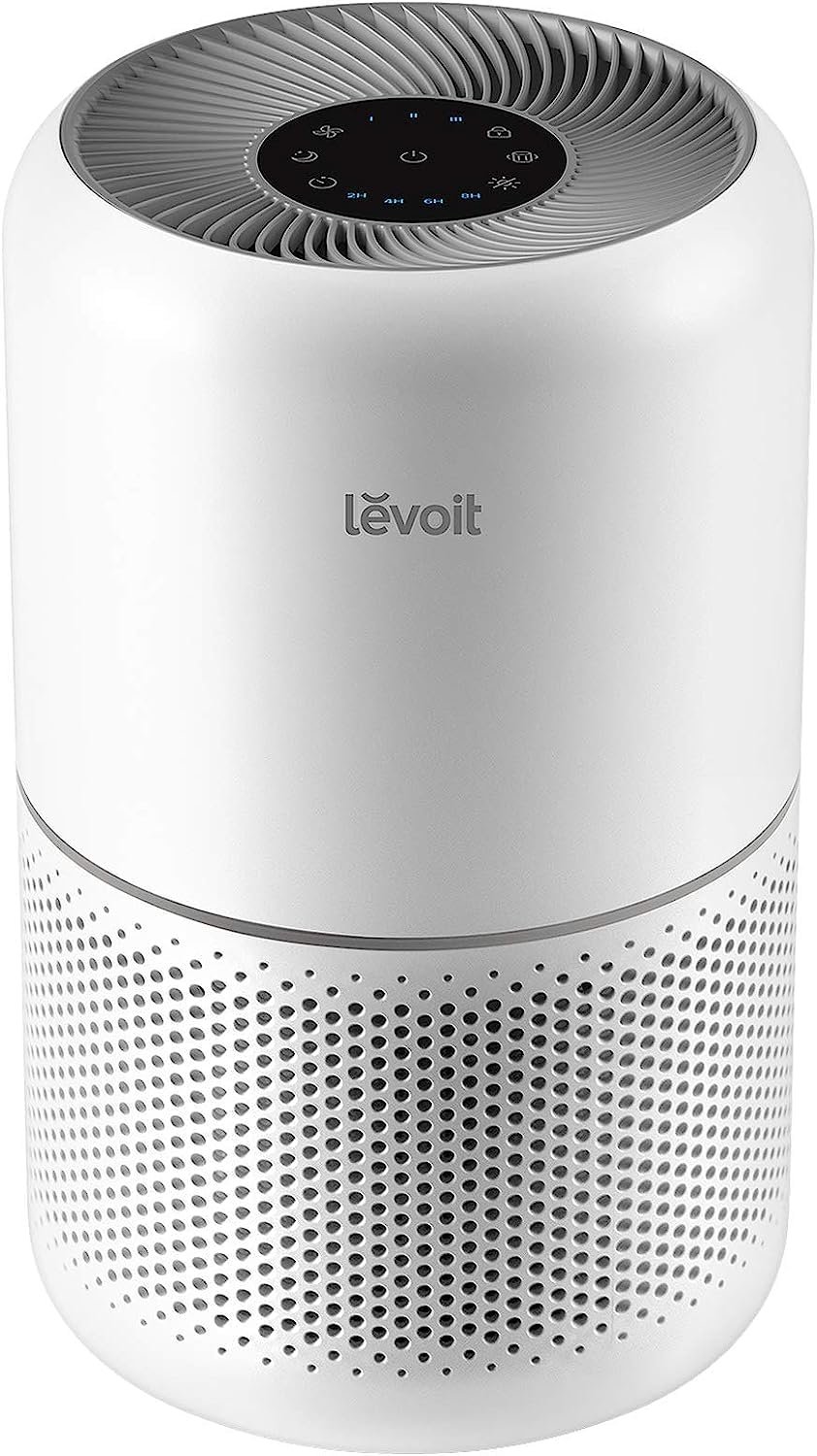
Best Air Purifiers for Allergies and Clean Air in 2026
As we step into 2026, the importance of maintaining clean indoor air has never been more critical. With rising pollution levels and increasing awareness of health issues linked to poor air quality, air purifiers have become essential home appliances for allergy sufferers and health-conscious consumers alike. In this article, we will explore the best air purifiers for allergies and clean air, focusing on current market trends, key buying criteria, and common pitfalls to avoid when selecting the right model for your needs.
Buying Criteria for Air Purifiers
When shopping for an air purifier, several factors should guide your decision-making process. First and foremost, consider the type of filter used. HEPA (High Efficiency Particulate Air) filters are the gold standard for capturing allergens such as pollen, pet dander, and dust mites. Look for models that are certified to capture at least 99.97% of particles as small as 0.3 microns.
Another crucial aspect is the Clean Air Delivery Rate (CADR), which indicates how quickly an air purifier can filter the air in a given room size. A higher CADR rating means faster purification, making it ideal for larger spaces. Additionally, consider the noise level of the unit, especially if you plan to use it in bedrooms or quiet areas. Many modern air purifiers now feature quiet modes that operate at lower decibels.
Current Trends in Air Purifiers
The air purifier market in 2026 is characterized by significant advancements in technology and design. Smart air purifiers that connect to home Wi-Fi networks and can be controlled via smartphone apps are becoming increasingly popular. These devices often come equipped with features like air quality sensors, real-time monitoring, and automatic adjustments based on detected air quality levels.
Moreover, eco-friendly designs are gaining traction. Many manufacturers are focusing on energy-efficient models that consume less power while still delivering high performance. As consumers become more environmentally conscious, the demand for sustainable materials and recyclable components in air purifiers is also on the rise.
What to Look For in an Air Purifier
When evaluating air purifiers, it’s essential to consider additional features that enhance usability and effectiveness. Look for models with multiple fan speeds, as this allows you to customize airflow based on the current air quality conditions. A timer function can also be beneficial, enabling you to set the purifier to run only when needed.
Another feature to consider is the replacement filter cost and frequency. While some models may have a lower initial purchase price, their filters might be expensive or need frequent replacements, leading to higher long-term costs. Check for user reviews regarding filter longevity and availability, as this can impact your overall satisfaction with the product.
Common Mistakes When Choosing an Air Purifier
One of the most common mistakes consumers make is underestimating the size of the space they need to purify. Always choose an air purifier that is rated for a room size larger than your actual space to ensure optimal performance. Additionally, many people overlook the importance of regular maintenance; failing to replace filters as recommended can significantly reduce the purifier’s effectiveness.
Another mistake is ignoring the noise level. While some models may advertise high CADR ratings, they might be excessively loud, making them unsuitable for nighttime use. Always check user reviews and product specifications to ensure the noise level meets your expectations.
Frequently Asked Questions
How often should I replace the filter in my air purifier?
Filter replacement frequency varies by model and usage, but generally, HEPA filters should be replaced every 6 to 12 months. Always refer to the manufacturer’s guidelines for specific recommendations.
Do air purifiers eliminate odors?
Yes, many air purifiers come equipped with activated carbon filters designed to absorb odors, smoke, and volatile organic compounds (VOCs). However, for best results, consider a model specifically designed for odor elimination.
Can I use an air purifier in multiple rooms?
While some air purifiers are portable and can be moved from room to room, others are designed for specific spaces. If you want to purify multiple areas, look for a lightweight model or consider purchasing multiple units for different rooms.
In conclusion, investing in a high-quality air purifier can significantly improve your indoor air quality, especially for those suffering from allergies. As you navigate the options available in 2026, keep in mind the buying criteria, current trends, and common mistakes to ensure you select the best model for your home. For optimal performance and peace of mind, we recommend choosing a top-rated air purifier with HEPA filtration and smart features, ensuring you breathe easier and live healthier.