Smart Plugs vs Smart Switches: Which Should You Install First?
As the smart home market continues to expand, many homeowners find themselves asking a pivotal question: should I install smart plugs or smart switches first? With the increasing popularity of smart home devices—projected to reach a market size of over $150 billion by 2026—this question is more relevant than ever. Smart plugs and smart switches both offer unique benefits and functionalities, but understanding their differences and how they fit into your home automation strategy is essential for making the right choice. In this article, we’ll explore the key buying criteria, current trends, what to look for, and common mistakes to avoid when deciding between smart plugs and smart switches.
Buying Criteria: Smart Plugs vs. Smart Switches
When considering whether to invest in smart plugs or smart switches, several factors come into play. Here are some key buying criteria to help guide your decision:
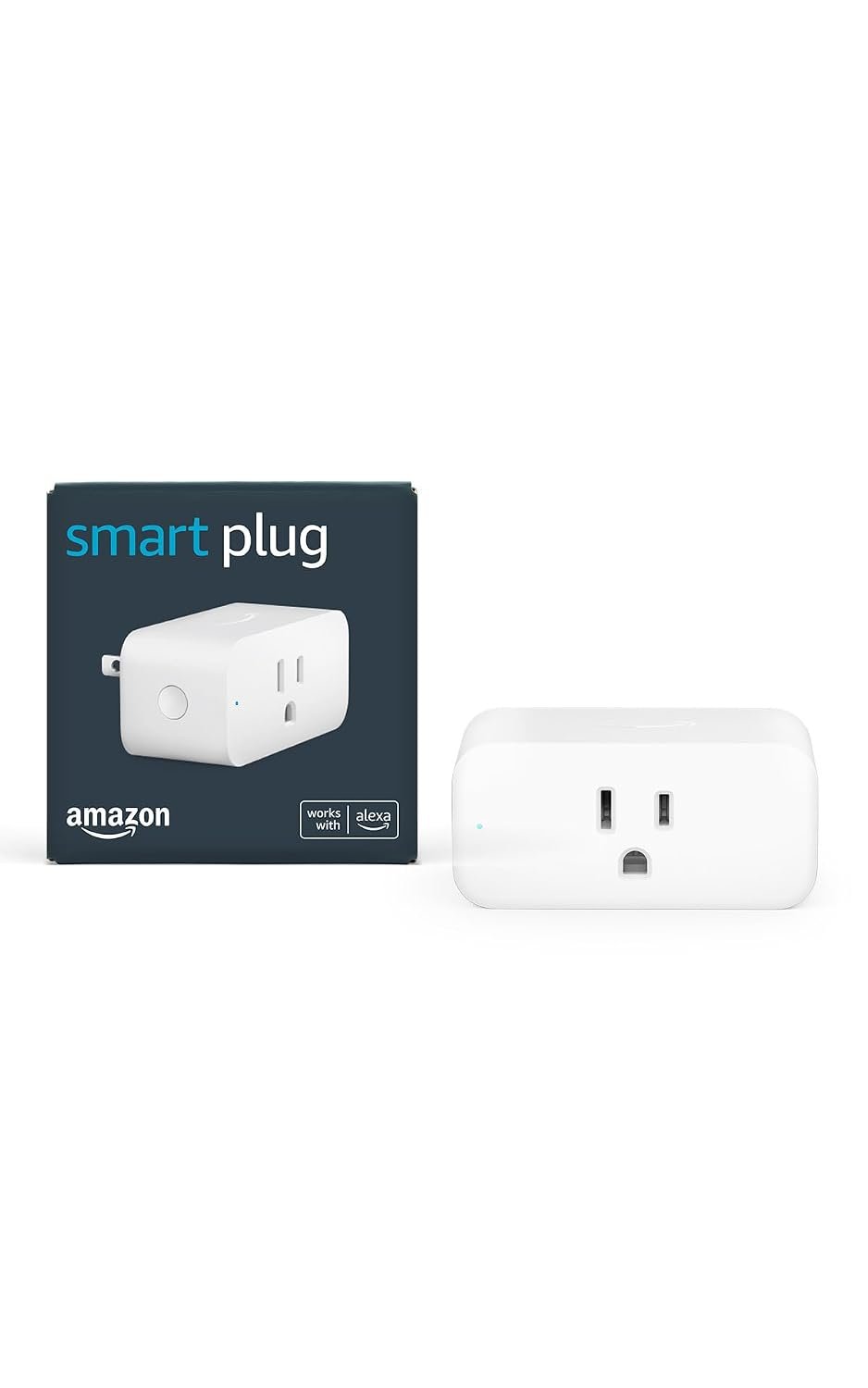
- Functionality: Smart plugs are ideal for devices that plug into outlets, allowing you to control lamps, coffee makers, and other appliances remotely. Smart switches, on the other hand, replace your existing wall switches, controlling overhead lights and ceiling fans.
- Installation: Smart plugs are typically easier to install; you simply plug them into an outlet and connect your device. Smart switches may require more technical know-how, as they involve wiring and may necessitate a neutral wire.
- Cost: Generally, smart plugs are more affordable than smart switches. If you’re on a budget or just starting your smart home journey, smart plugs offer a cost-effective solution.
- Versatility: Smart plugs can be moved from one outlet to another, providing flexibility. Smart switches, once installed, are fixed in place but can control multiple devices connected to the same circuit.
Current Trends in Smart Home Technology
The smart home industry is rapidly evolving, with trends highlighting the increasing adoption of both smart plugs and switches. As of 2026, consumer interest in energy efficiency and automation is driving demand for smart devices. Many homeowners are opting for smart plugs to manage energy consumption, as they can monitor usage and schedule appliances to reduce electricity bills. Meanwhile, smart switches are gaining traction due to their ability to integrate with smart lighting systems, enabling users to create customized lighting scenes and schedules.
What to Look For When Choosing
Whether you decide to go with smart plugs or smart switches, there are several features you should look for:
- Compatibility: Ensure that your chosen smart device is compatible with your existing smart home ecosystem (e.g., Amazon Alexa, Google Assistant, or Apple HomeKit).
- Energy Monitoring: Some smart plugs offer energy monitoring capabilities, allowing you to track usage and identify energy hogs.
- Scheduling and Automation: Look for devices that allow you to set schedules or automate actions based on your daily routines.
- Design and Size: For smart plugs, consider the size and design, as larger models may block adjacent outlets.
Common Mistakes to Avoid
When venturing into the smart home realm, it’s easy to make a few missteps. Here are some common mistakes to avoid:
- Ignoring Compatibility: Always check if the smart device works with your home network and existing smart home systems to avoid connectivity issues.
- Overlooking Security Features: Ensure that the devices you choose have robust security features to protect your network from potential threats.
- Not Considering Future Needs: Think about how your smart home might evolve over time. Investing in versatile devices can save you money in the long run.
FAQ
1. Can I use smart plugs and smart switches together?
Yes, you can use both smart plugs and smart switches in your home. They serve different purposes and can complement each other effectively. For example, you might use smart plugs for small appliances and smart switches for your main lighting fixtures.
2. Are smart plugs safe to use?
When purchased from reputable brands and installed correctly, smart plugs are generally safe. Look for models that have safety certifications and features like surge protection and overload protection.
3. How do I decide which one to buy first?
If you want to control individual devices easily and without installation hassle, start with smart plugs. If you’re looking to upgrade your lighting system and prefer a more permanent solution, smart switches might be the better choice.
In conclusion, both smart plugs and smart switches offer valuable benefits for enhancing your home automation experience. If you’re just starting your smart home journey, we recommend beginning with smart plugs due to their affordability, ease of installation, and versatility. As you become more comfortable with smart technology, you can then explore smart switches to further enhance your home’s capabilities. Whichever you choose, investing in smart home devices is a step towards a more convenient and energy-efficient lifestyle.