
Mastering Practical Skills: A Comprehensive Guide to How-To Tutorials
Introduction to Practical Skills
Practical skills are abilities or competencies that enable an individual to perform specific tasks effectively and efficiently in real-world situations. These skills encompass a broad range of activities, from manual tasks such as carpentry and cooking to cognitive abilities like problem-solving and time management. In both everyday life and professional environments, practical skills are indispensable, as they contribute significantly to self-sufficiency and personal development.
The importance of practical skills extends to various aspects of life. In daily activities, having practical skills allows individuals to manage their homes, finances, and personal responsibilities with greater ease. For instance, learning how to cook not only fosters independence but also promotes healthier eating habits. Similarly, practical skills in budgeting or basic home maintenance can mitigate stress and enhance one’s quality of life.
In the context of professional settings, practical skills are equally vital. Employers increasingly seek candidates who possess a versatile skill set that includes both technical and soft skills. Acquiring practical skills can enhance employability by making a candidate more attractive to potential employers. This is particularly true in industries that value hands-on experience and problem-solving abilities, where the capacity to think creatively and act decisively is essential. Moreover, practical skills foster teamwork and collaboration, as individuals often learn to work alongside others to accomplish shared goals.
Overall, the acquisition of practical skills serves as a profound investment in one’s future. By mastering these competencies, individuals can navigate challenges more proficiently, embrace opportunities for growth, and ultimately cultivate a proactive approach to life. The focus on enhancing practical skills empowers individuals to become resourceful and resilient, equipping them to face everyday challenges with confidence.
Identifying the Skills You Want to Learn
Identifying the practical skills you want to learn is a fundamental step in the learning process. It is essential to evaluate both your personal interests and career aspirations to determine which skills will be most beneficial for your growth. The first step is to conduct an honest self-assessment. Reflect on the activities that excite you and areas where you feel a sense of fulfillment. This introspection will serve as a guiding force in selecting skills that resonate with you personally.
Furthermore, understanding the demands and requirements of your profession is critical. Examine job descriptions and industry standards to identify skills that are highly valued in your chosen field. Participation in networking events, webinars, or workshops can provide insights into which skills are currently in demand, enabling you to align your learning objectives with market needs. This alignment not only increases your employability but also enhances your confidence in your abilities.
Additionally, consider the gaps in your current skill set. Identify areas where improvement is needed and prioritize those skills that can elevate your performance or open new opportunities. Mapping out a list of both soft skills, such as communication and leadership, and hard skills, such as programming or data analysis, will allow you to have a comprehensive view of what you aim to achieve.
Setting specific skill goals is equally vital. Rather than vaguely stating an intention to learn a skill, define clear, measurable objectives. For instance, instead of saying, “I want to learn graphic design,” specify that “I want to complete an online graphic design course within three months.” This clarity promotes accountability and focus, ultimately facilitating a more structured learning experience.
Resources for Learning Practical Skills
Through various platforms, individuals seeking to learn practical skills can access a wealth of resources tailored to different learning styles and preferences. Online courses have emerged as a popular option, with websites such as Coursera, Udemy, and Khan Academy offering an extensive range of subjects. These platforms provide flexibility, allowing learners to complete courses at their own pace. Many courses are available for free, while others require payment, ensuring there is something for everyone, regardless of their budget.
Books remain a timeless resource for acquiring practical skills. Titles focusing on specific skills can be found in libraries and bookstores, or through online retailers like Amazon. Essential reference books provide in-depth explanations and visual illustrations that can significantly enhance the learning experience. When selecting books, it is advisable to look for current editions that reflect the latest techniques and trends relevant to the skill of interest.
Workshops offer another effective avenue for skill acquisition, allowing learners to engage directly with instructors and participate in hands-on activities. Organizations such as community colleges, local trade schools, and professional associations frequently host workshops covering various practical skills. Participating in these sessions can provide valuable networking opportunities and a more interactive learning experience.
Hands-on training programs, often found in vocational schools, can also be instrumental for those looking to gain practical skills in a structured environment. These programs frequently include internships or apprenticeships, giving learners real-world experience. When choosing a learning method, consider factors such as learning style, availability of resources, and budget. Ultimately, striking the right balance between theory and practice will lead to a more comprehensive skillset.
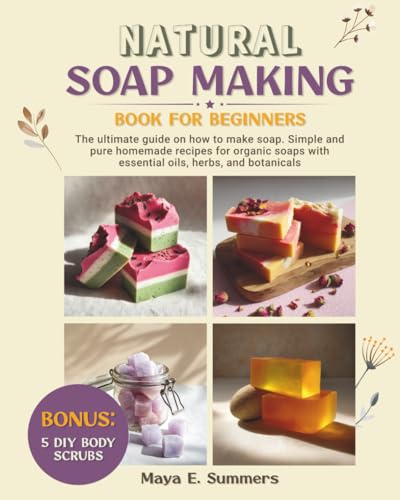
editors Pick for Reading on How-to guides and tutorials on practical skills


Creating a Personal Learning Plan
Developing a structured personal learning plan is an essential step toward acquiring practical skills effectively. The first phase in this process involves setting clear and attainable learning objectives. Start by identifying the specific skill you wish to master. This will not only provide you with a focus but also inform your subsequent steps. Aim to formulate your objectives using the SMART criteria: Specific, Measurable, Achievable, Relevant, and Time-bound. For instance, instead of a vague goal like “learn coding,” a more refined objective could be “complete an online Python course within three months.”
Once your objectives are established, the next step is to create a timeline. Determine how much time you can dedicate weekly to learning and practicing your chosen skill. Allocating time effectively makes it easier to manage your commitments while ensuring consistent progress. Alongside the timeline, it’s crucial to establish milestones. These milestones act as checkpoints in your learning journey, allowing you to monitor your progress and make adjustments if necessary. For example, if you are learning photography, a milestone might be to complete a certain number of practice sessions and review your photographs at the end of each month.
Measurable outcomes are vital to assessing your progress. Define what success looks like for each milestone. This might include specific projects you complete, skills you demonstrate, or even feedback from peers. It’s essential to maintain flexibility in your learning plan, as the path to mastering a skill can often take unexpected turns. Regular self-assessment will help you understand your strengths and areas for improvement, allowing you to adapt your plan as needed. By consistently revisiting and updating your personal learning plan, you will enhance your ability to master practical skills effectively.
Tips for Effective Learning and Practice
Learning new practical skills efficiently requires a strategic approach that prioritizes thorough understanding and application. One notable technique is spaced repetition, which involves revisiting material at increasing intervals over time. This method effectively strengthens memory retention and enhances the ability to apply learned skills. For instance, instead of cramming information in one session, learners can distribute study sessions to facilitate a deeper assimilation of concepts and techniques. This approach is particularly beneficial in mastering complex skills that require considerable practice.
Deliberate practice is another essential strategy aimed at improving performance through focused effort. This method involves breaking down skills into smaller components and meticulously practicing each segment. Feedback is crucial; seeking constructive criticism allows individuals to identify weaknesses and refine their technique. Rather than merely repeating a task until it feels comfortable, deliberate practice emphasizes continuous improvement and a clear goal-oriented structure, which ultimately leads to mastery over time.
The 80/20 rule, or Pareto Principle, suggests that 80% of results derive from 20% of efforts. When applied to skill acquisition, this principle can help learners focus on the most impactful techniques that yield significant progress. Identifying key components or techniques that lead to substantial outcomes enables learners to maximize their efficiency, thereby reducing unnecessary time spent on less effective practices.
Maintaining motivation throughout the learning process is vital to achieving long-term success. Setting realistic, incremental goals and celebrating small achievements can bolster confidence and encourage persistence. Additionally, it is crucial to recognize and avoid common pitfalls such as burnout, frustration, and negative self-talk. Incorporating a mix of enjoyable and challenging activities can sustain interest and motivation, ensuring that learners remain committed to their skill development journey.
Overcoming Challenges in Skill Development
Embarking on the journey of mastering new skills can be an enriching experience; however, it often comes with its own set of challenges. One prevalent obstacle that many learners encounter is procrastination. This tendency to delay the start of skill development can stem from various factors including fear of failure or a lack of motivation. To combat procrastination, individuals should set clear, achievable goals, break tasks into manageable sections, and establish a consistent schedule that fosters accountability.
Another challenge that learners frequently face is the lack of resources, which could range from inadequate materials to a shortage of mentorship. To mitigate this issue, it is essential to seek out alternative sources. For instance, online platforms, libraries, and community workshops often provide accessible training resources at little to no cost. Building a network with fellow learners or experienced mentors can also enhance resource availability and offer valuable insights as well as support.
Furthermore, feelings of overwhelm can be detrimental to the learning process. The vast amount of information available might leave individuals unsure of where to start or how to progress. To address this, it is crucial to develop a structured approach to learning. Create a curriculum that outlines what skills to focus on and establish a timeline to keep track of your progress. Additionally, prioritizing self-care can help manage stress and maintain motivation throughout the skill development process.
In summary, while overcoming the challenges associated with skill development may require effort and dedication, implementing practical strategies can significantly ease the process. By tackling procrastination, actively seeking resources, and managing feelings of overwhelm, learners can foster a conducive environment for continuous growth and advancement in their skills.
Real-Life Applications of Practical Skills
Practical skills are vital in navigating daily life and achieving professional success. Their real-life applications extend far beyond mere theory, impacting various aspects of personal and professional development. One such area is DIY home repairs. Basic knowledge of plumbing, electrical work, or carpentry can save individuals significant expenses while providing a sense of accomplishment. For instance, a homeowner adept in these skills can fix leaking pipes or squeaky doors, ultimately enhancing the home’s functionality without the need for costly professional interventions.
Another noteworthy application of practical skills is in the culinary arts. Cooking nutritious meals at home not only promotes healthier eating habits but also encourages family bonding. Skills such as meal planning and food preparation can lead to significant cost savings compared to dining out frequently. Consider the case of a recent college graduate who mastered cooking through online tutorials. This newfound ability not only improved their health but also allowed them to allocate more financial resources towards saving for future goals.
Additionally, managing finances is a critical practical skill that can transform personal and professional circumstances. Knowledge in budgeting, saving, and investing can empower individuals to make informed decisions regarding their financial future. For instance, a success story of an entrepreneur illustrates how mastering financial skills led to improved cash flow management and business growth. By harnessing their knowledge of budgeting and financial analysis, this business owner was able to increase profitability and ensure sustainability.
Overall, the application of practical skills such as DIY repairs, cooking, and financial management provides numerous benefits that enhance everyday living. These skills not only foster independence but also create opportunities for personal improvement. As more individuals recognize their importance, we are likely to see a broader shift towards self-reliance and competence in various life domains.
Building a Community for Skill Sharing
Connecting with others who share an interest in practical skills can significantly enhance your learning experience and broaden your expertise. Engaging in skill-sharing communities provides a platform for collaboration, support, and inspiration. One effective way to foster this connection is by joining local clubs dedicated to specific skills, such as woodworking, gardening, or photography. These groups often offer hands-on workshops, fostering an environment where members can learn from one another, exchange ideas, and share resources. Being part of a club not only enriches your knowledge but also cultivates friendships and networks that can last a lifetime.
Online forums and social media groups are also valuable resources for establishing connections with like-minded individuals. Websites such as Reddit, Facebook, or specialized platforms dedicated to particular interests provide spaces to share experiences, ask for advice, and collaborate on projects. These virtual communities create a sense of belonging, where members can encourage one another’s progress and celebrate achievements, no matter how small. Furthermore, they often host events, such as webinars or live discussions, where participants can interact in real-time, enhancing engagement and connection.
Attending workshops is another excellent strategy to build relationships within your skill-sharing community. Local community centers, educational institutions, and even businesses frequently conduct workshops that allow individuals to learn new skills in a collaborative setting. By participating in such events, you not only acquire practical skills but also meet others who are equally passionate about learning. Networking tips such as exchanging contact information, engaging in group discussions, and following up with peers after events can help maintain these valuable connections.
Ultimately, building a community for skill sharing encourages both personal growth and collective advancement in practical skills. The benefits of connecting with others include the accumulation of diverse insights, the support of fellow learners, and the enhancement of your craftsmanship through shared knowledge.
Continuous Learning: Evolving Your Practical Skills
In the fast-paced world we live in, the necessity for continuous learning has become more crucial than ever. As industries evolve due to technological advancements and changing market demands, the practical skills needed in the workforce are also in a constant state of flux. Therefore, individuals must commit to lifelong learning to stay relevant and competitive.
One effective way to engage in continuous learning is by actively seeking out current trends within your field. Staying informed will allow you to adapt your practical skills accordingly, ensuring that they remain applicable and valuable. This approach not only enhances your existing competencies but also opens the door to new methodologies and techniques that could vastly improve your execution of tasks.
Furthermore, many professionals benefit from exploring advanced techniques that push the boundaries of traditional skills. Workshops, webinars, and online courses are excellent avenues to enrich your knowledge base and refine your abilities. Engaging with experts and peers in your industry offers additional insights that can lead to innovative approaches and problem-solving tactics, thereby enhancing your skill set even further.
Networking with other professionals not only helps in understanding emerging trends but also enables the sharing of experiences and solutions. Communities and forums related to your field can serve as platforms for knowledge exchange, facilitating both personal and professional growth. Participating in such networks can inspire you to explore new areas of interest and improve your practical skills.
Overall, the journey of learning is never complete. Embracing a mindset geared toward continuous improvement will enable you to develop a versatile skill set that adapts over time. Dedication to your personal and professional growth through ongoing education will ultimately position you as a valuable asset in any field. In conclusion, prioritize continuous learning as a vital component of your overall strategy to master practical skills effectively.