Quantum-Safe VPNs in the Age of Quantum Computing: A Practical Cybersecurity Guide
Introduction — Why Quantum Computing Changes the Security Equation


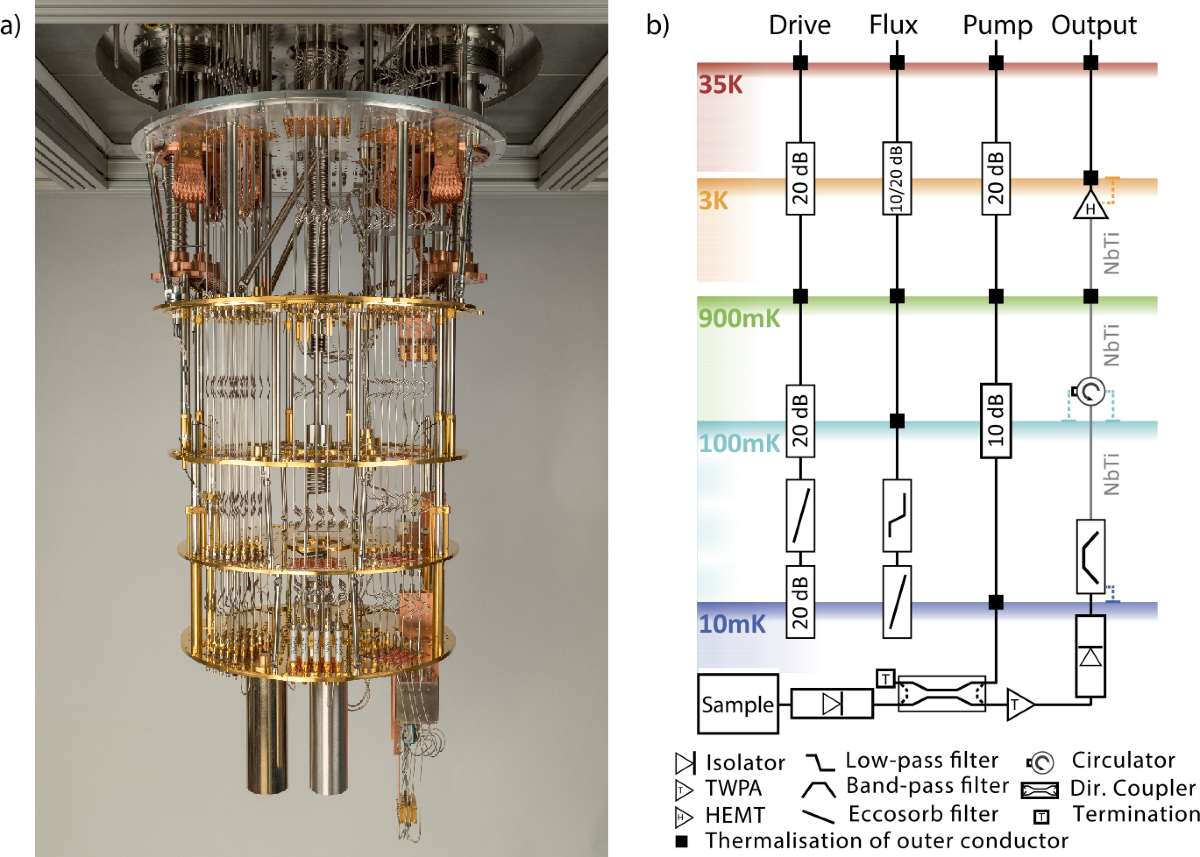
Quantum computing is not a faster version of classical computing—it is a different computational model. Classical systems use bits (0/1). Quantum systems use qubits, which leverage superposition and entanglement to evaluate many states simultaneously.
This matters for cybersecurity because modern encryption assumes certain math problems are infeasible to solve at scale. Quantum algorithms overturn that assumption.
- RSA relies on integer factorization hardness.
- Elliptic Curve Cryptography (ECC) relies on discrete logarithms.
- Shor’s algorithm can theoretically break both efficiently on a sufficiently powerful quantum computer.
Implication: Data encrypted today can be harvested now and decrypted later (“harvest now, decrypt later”). Long-lived secrets are already at risk.
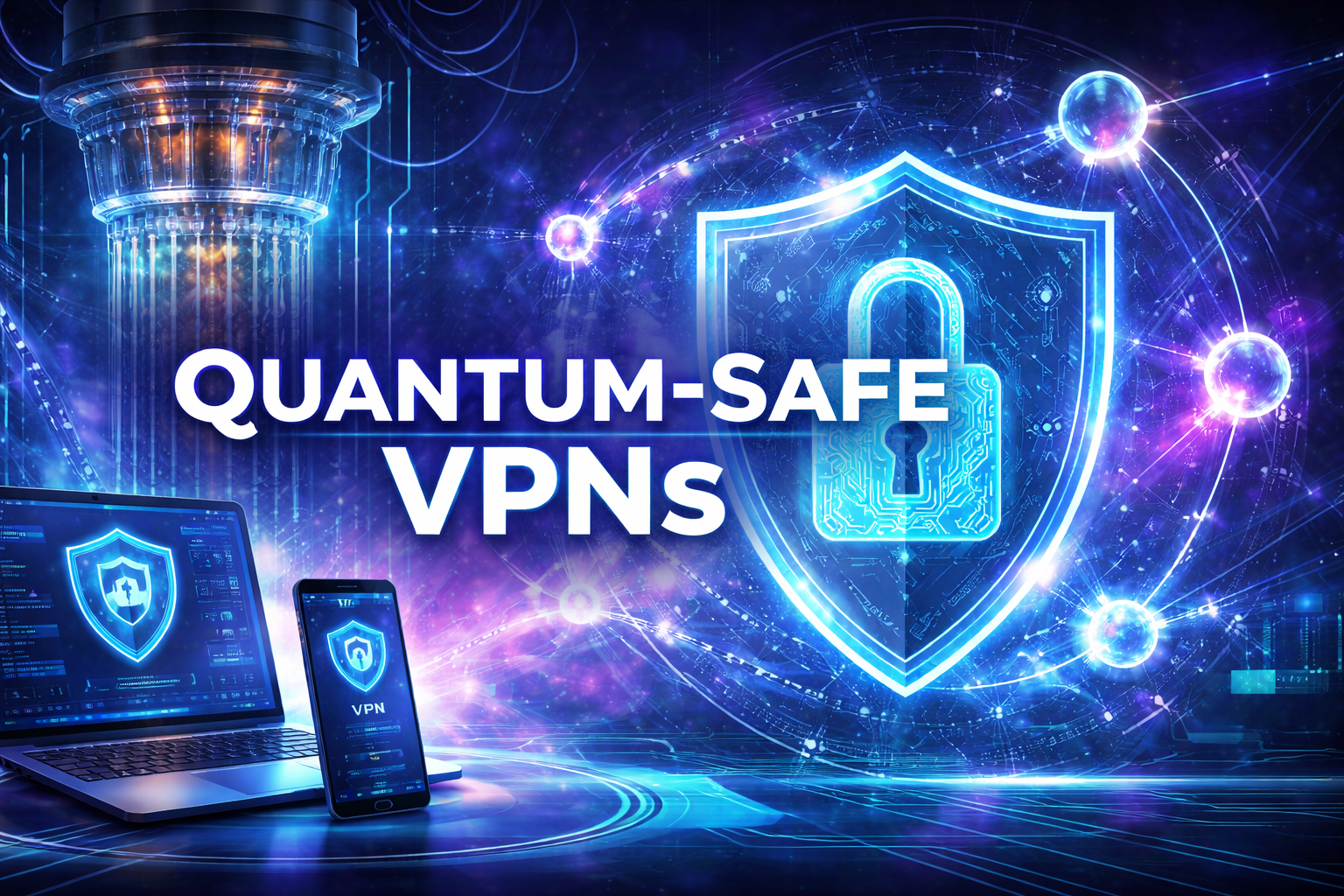
What “Quantum-Safe” Really Means for VPNs

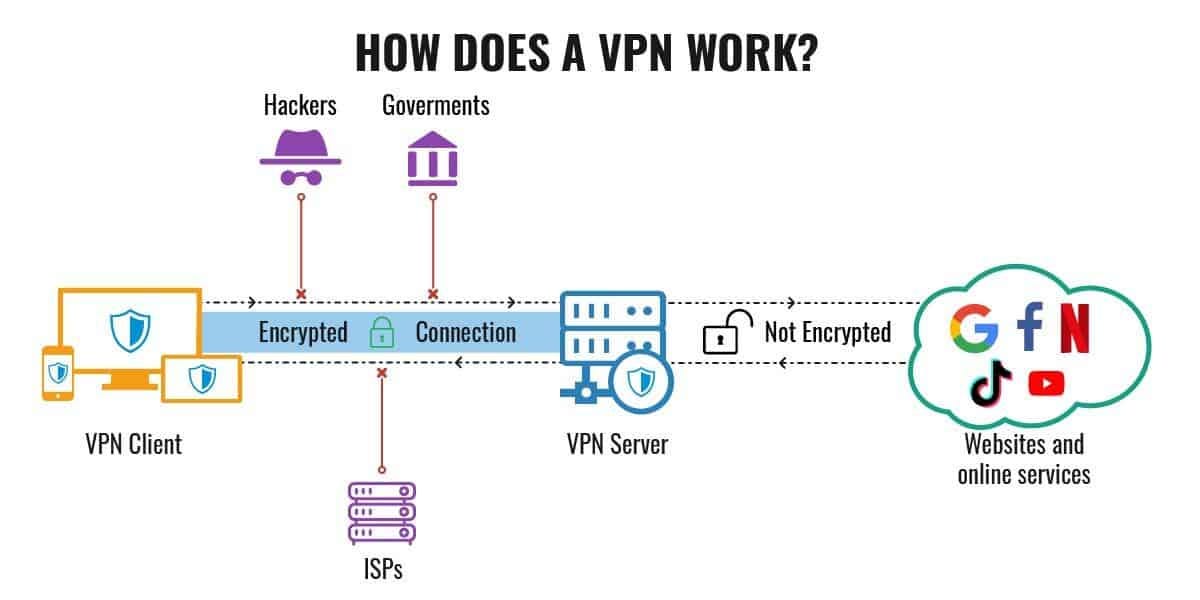
A traditional VPN secures traffic using asymmetric cryptography (RSA/ECC) during the handshake, then symmetric ciphers (e.g., AES) for the tunnel.
A quantum-safe VPN replaces or augments the vulnerable handshake with post-quantum cryptography (PQC) such as:
- Lattice-based cryptography (e.g., Kyber-style key exchange)
- Hash-based signatures (Merkle trees)
- Hybrid handshakes (classical + PQC together)
This ensures that even if RSA/ECC fall, the key exchange remains secure.
Symmetric ciphers like AES are far less threatened by quantum attacks (Grover’s algorithm gives only quadratic speedup). The real weakness is the asymmetric handshake.
Why Most Current VPNs Are Future-Vulnerable

Most VPNs today still depend on RSA/ECC during TLS/OpenVPN/WireGuard handshakes.
Even if the data channel uses AES-256, once the handshake is broken, the session keys can be reconstructed.
Cybersecurity surveys consistently show expert concern about:
- Archived VPN traffic being decrypted later
- Government and intelligence adversaries storing encrypted traffic today
- Compliance exposure for industries with long data retention cycles (finance, healthcare, legal)
VPN Providers Experimenting with Post-Quantum Readiness
These providers have publicly discussed, tested, or integrated PQC or hybrid approaches in parts of their stack. This is an evolving space.
NordVPN


- Research into post-quantum TLS and hybrid handshakes
- Strong modern protocol base (NordLynx/WireGuard derivative)
- No-logs architecture and large infrastructure
Proton VPN
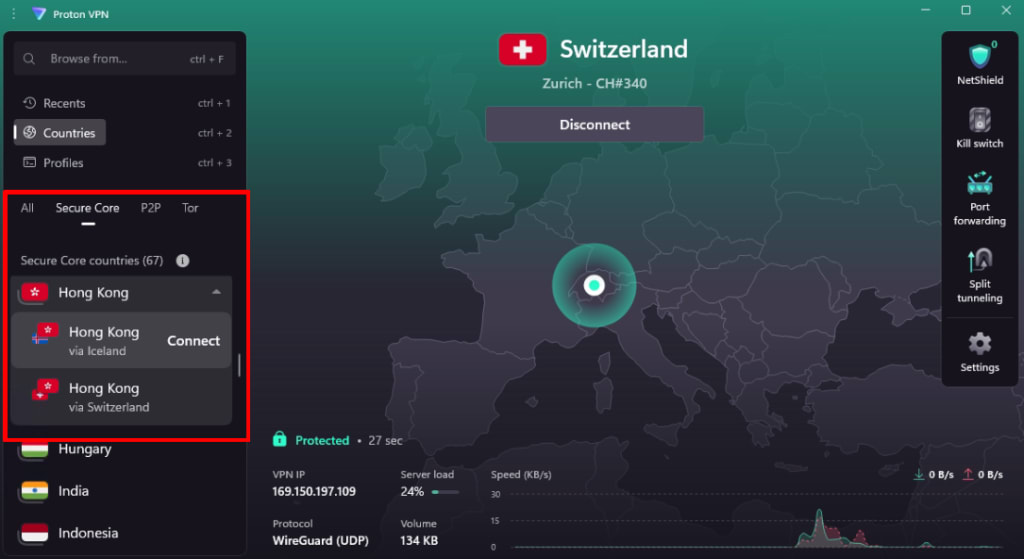


- Operated by the team behind Proton Mail
- Active involvement in cryptographic transparency
- Public discussion of post-quantum cryptography adoption paths
Surfshark

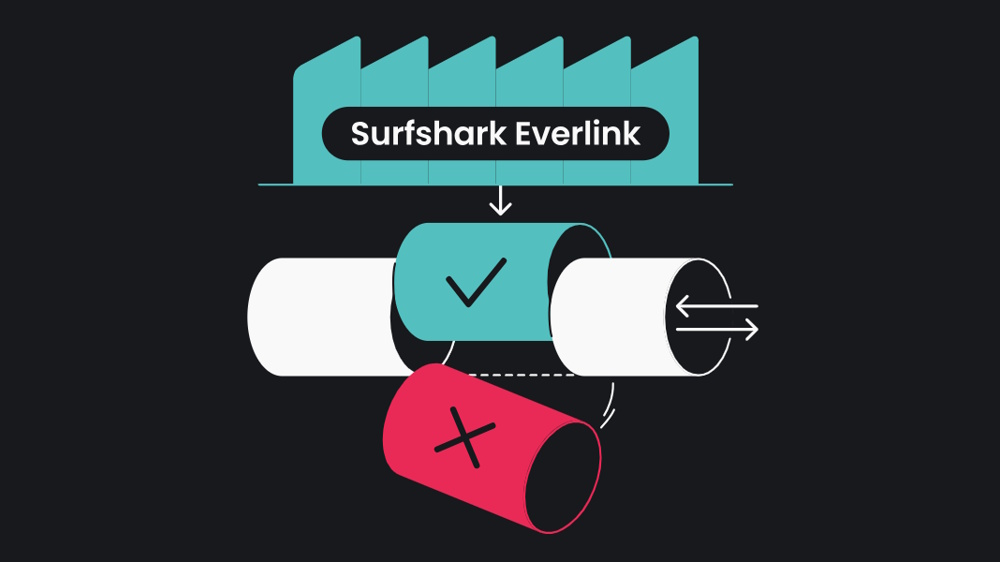
- Focus on protocol agility and obfuscation
- Budget-friendly with a modern stack ready for PQ transition
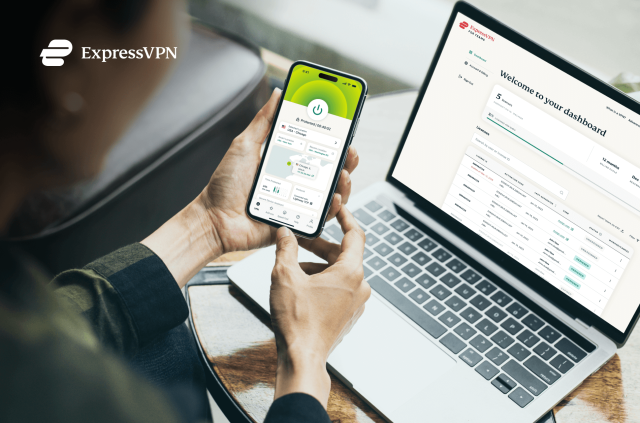
ExpressVPN

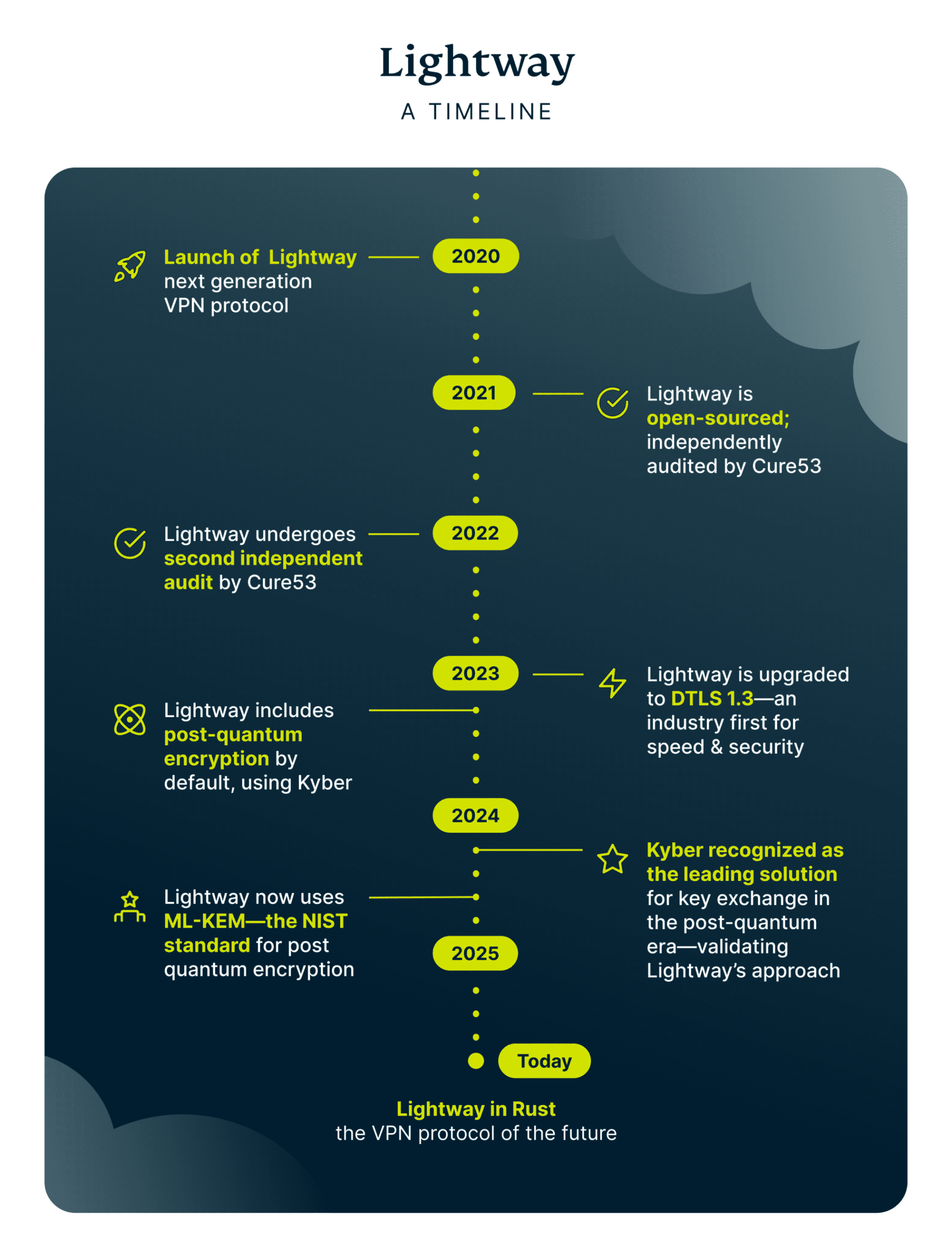
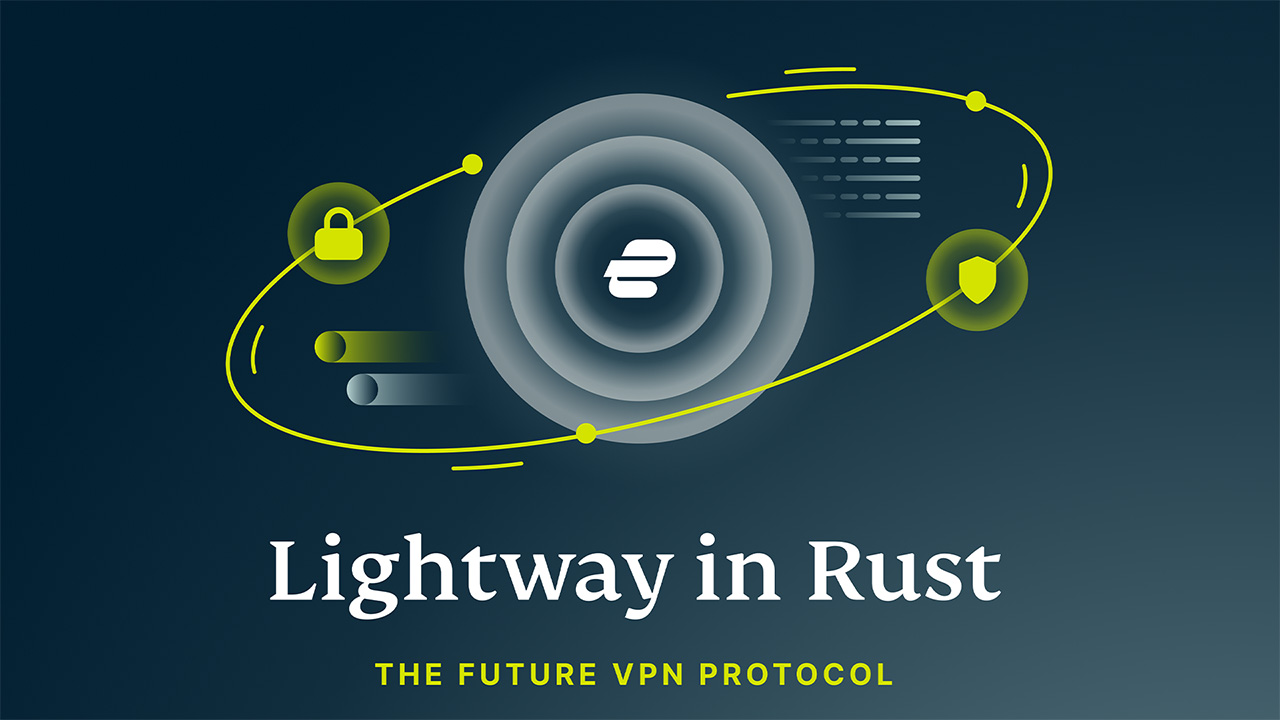
- Developed Lightway protocol (designed for cryptographic agility)
- Strong history of adopting modern crypto quickly
VyprVPN

- Proprietary Chameleon protocol (anti-DPI)
- Flexible protocol architecture for future PQC integration
What to Demand in a Quantum-Ready VPN



Look beyond marketing terms. Ask for:
- Hybrid key exchange (classical + PQC)
- WireGuard/modern protocol base (easier PQ upgrade path)
- Transparent cryptography disclosures
- Multi-platform clients
- Independent audits
- Cryptographic agility (ability to swap algorithms quickly)
Real-World Sectors Already Moving Toward Quantum Safety
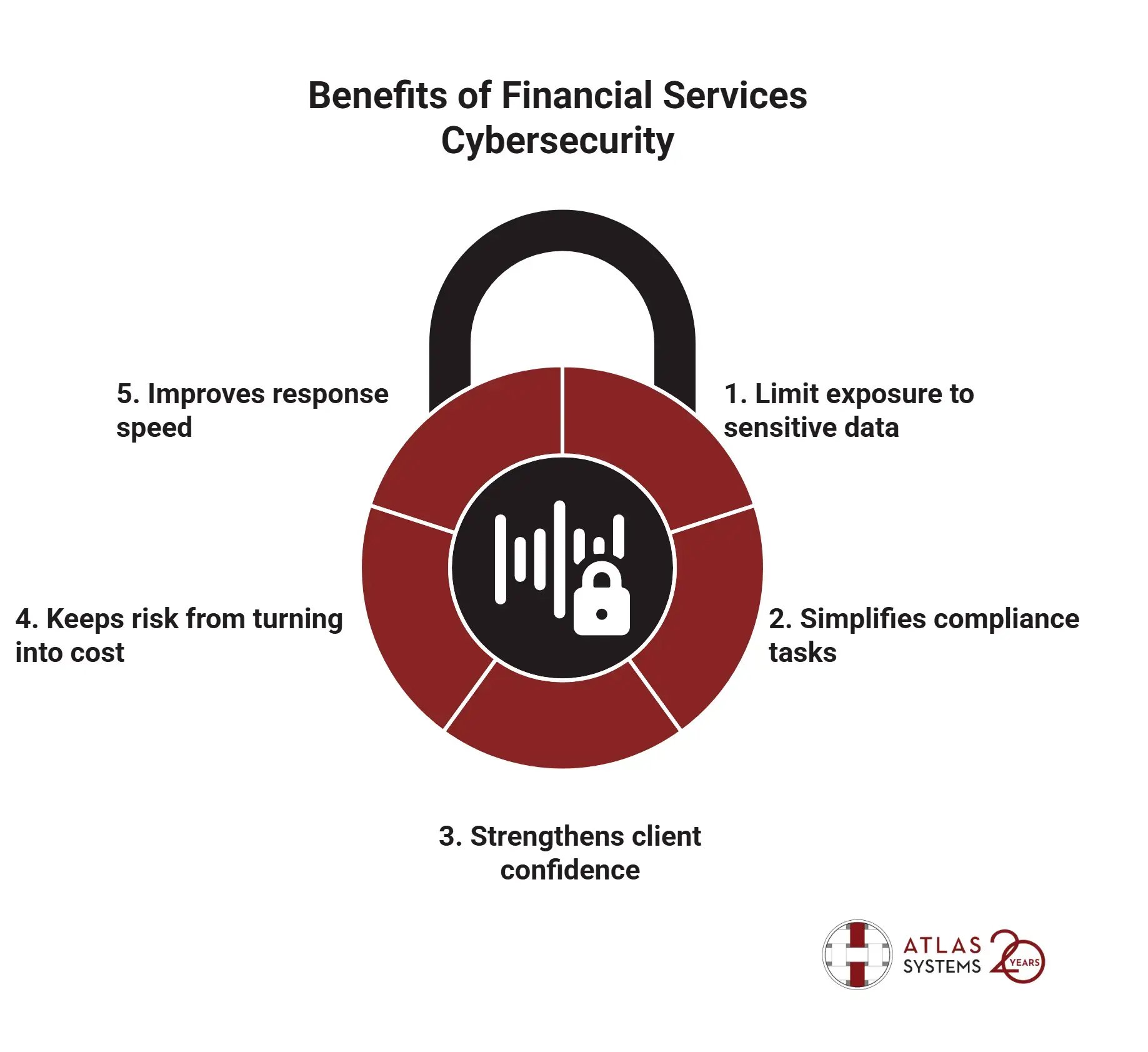

- Finance: Protecting decades of transaction history
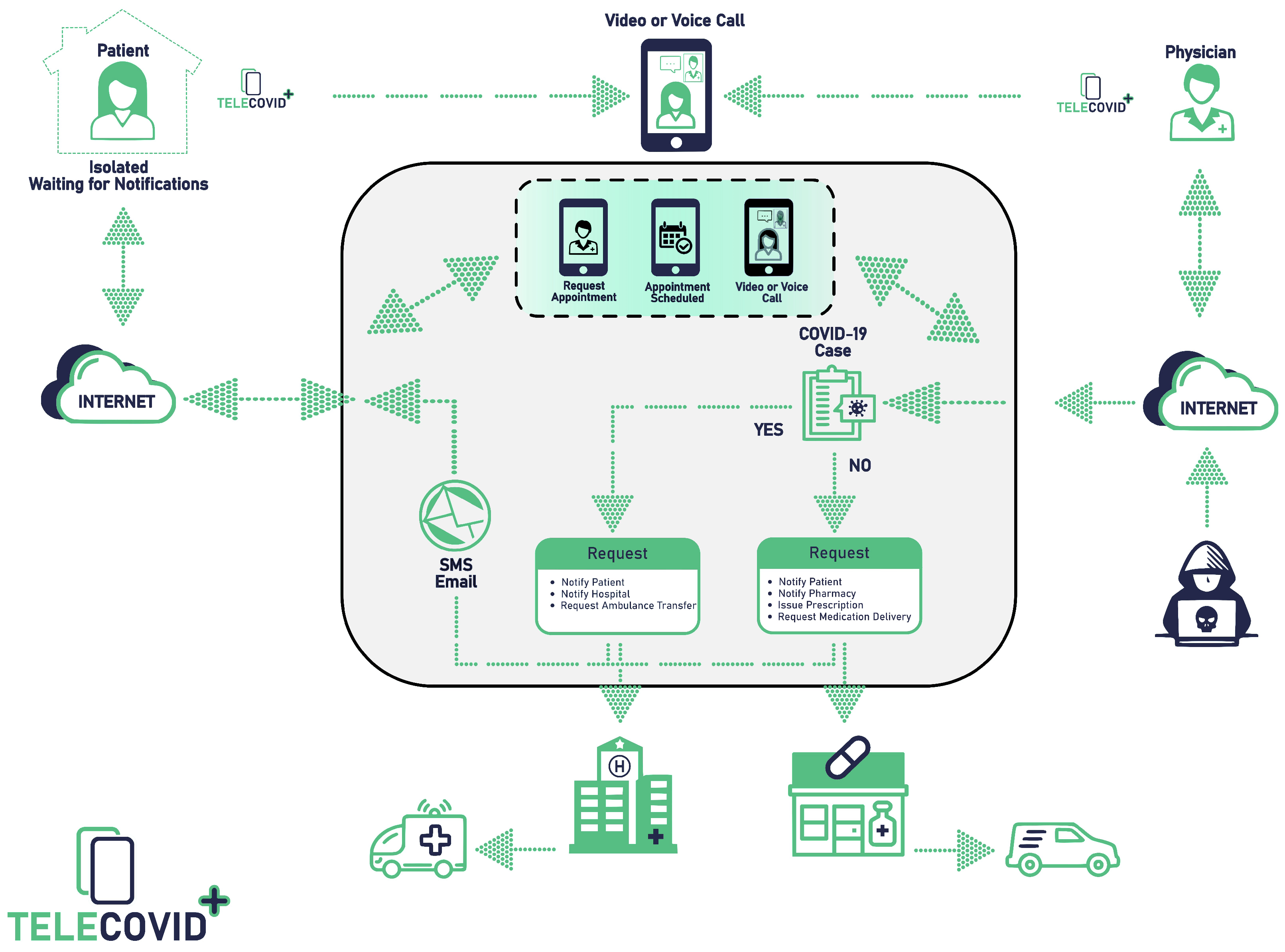
- Healthcare: Securing lifetime patient records
- Tech startups: Protecting intellectual property over long horizons
- Remote workforce: Long-term confidentiality of corporate traffic
These sectors cannot risk “decrypt later” exposure.
Limitations and Reality Check


- PQC standards are still maturing
- Performance overhead exists
- Not all providers are transparent yet
- Public understanding is low
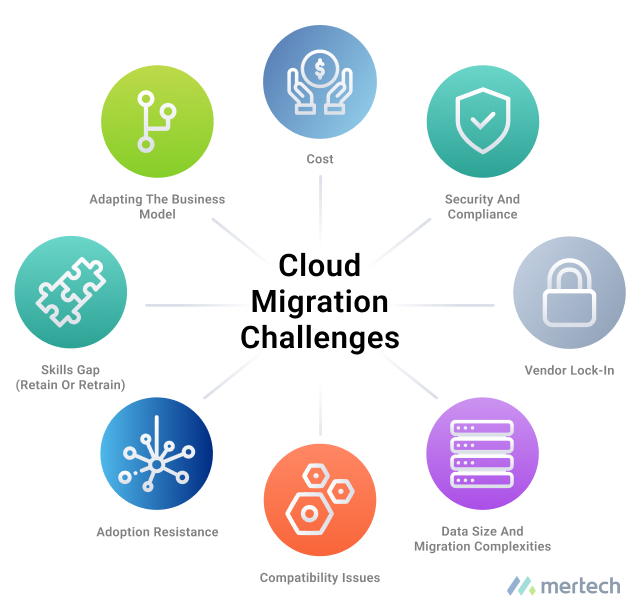
- Migration requires protocol and infrastructure redesign
This is a transition phase, not a finished state.
The Future: Consumer Technology in a Post-Quantum World



Expect:
- Browsers adopting PQ TLS
- VPNs defaulting to hybrid handshakes
- Messaging apps are upgrading encryption
- Governments mandating PQ compliance
- Consumer expectation shifting toward “quantum-resistant” labels
Conclusion — Act Before Quantum Becomes Practical
Quantum computers capable of breaking RSA are not mainstream yet. But the risk timeline is not when they arrive—it is what is being recorded today.
Moving to VPN providers architecturally prepared for post-quantum cryptography is a forward-looking cybersecurity decision, not a marketing preference.
Action steps:
- Choose VPNs built on modern, agile protocols
- Follow providers discussing PQC adoption transparently
- Avoid legacy VPN stacks tied deeply to RSA/ECC
- Treat quantum safety as part of a long-term privacy strategy
Your encrypted traffic today should remain private 20 years from now.