The Ultimate Guide to Outdoor Tents 2025 & 2026: Find Your Perfect Shelter for Adventure
1. Introduction: Why Outdoor Tents Matter More in 2025
Camping, hiking, and outdoor lifestyle trends have surged in 2025. More people than ever are combining adventure with digital wellness — trading city noise for mountain silence, remote work for van life, and screens for starlight. But to make those moments enjoyable and safe, you need quality shelter — a reliable outdoor tent.
Whether you’re camping solo, bonding on a family trip, or adventuring with friends, the tent you choose directly affects comfort, safety, and enjoyment. It’s not just a piece of gear — it’s your temporary home.
A modern outdoor tent offers smart features like lightweight alloy frames, quick pop-up systems, UV protection, waterproof fabrics, and improved airflow. The right model can transform a camping trip from tiring to truly rejuvenating.
2. Understanding the Role of an Outdoor Tent
Outdoor tents serve as portable shelters against unpredictable elements — from rainfall and wind to insects and temperature drops. A premium tent provides not only protection but also privacy, organization, and peace of mind.
The most common reasons people invest in quality tents include:
- Protection from weather: Modern tents resist UV rays, wind, and heavy rain.
- Comfort and rest: A well-ventilated tent guarantees better sleep after long hikes.
- Portability: Suitable for road trips, treks, and festivals.
- Safety and privacy: Keeps belongings secure and creates personal space.
- Versatility: Perfect for camping, beach setups, backyard events, fishing, and trekking.
In 2025, with more eco-friendly materials and smart design innovations, outdoor tents have evolved to meet the growing expectations of sustainability-focused adventurers.
Editor’s Pick for Finding the Best Outdoor Tent


3. Main Types of Outdoor Tents Explained
Choosing the right tent type is the first major decision. Below are the top categories explained in detail:
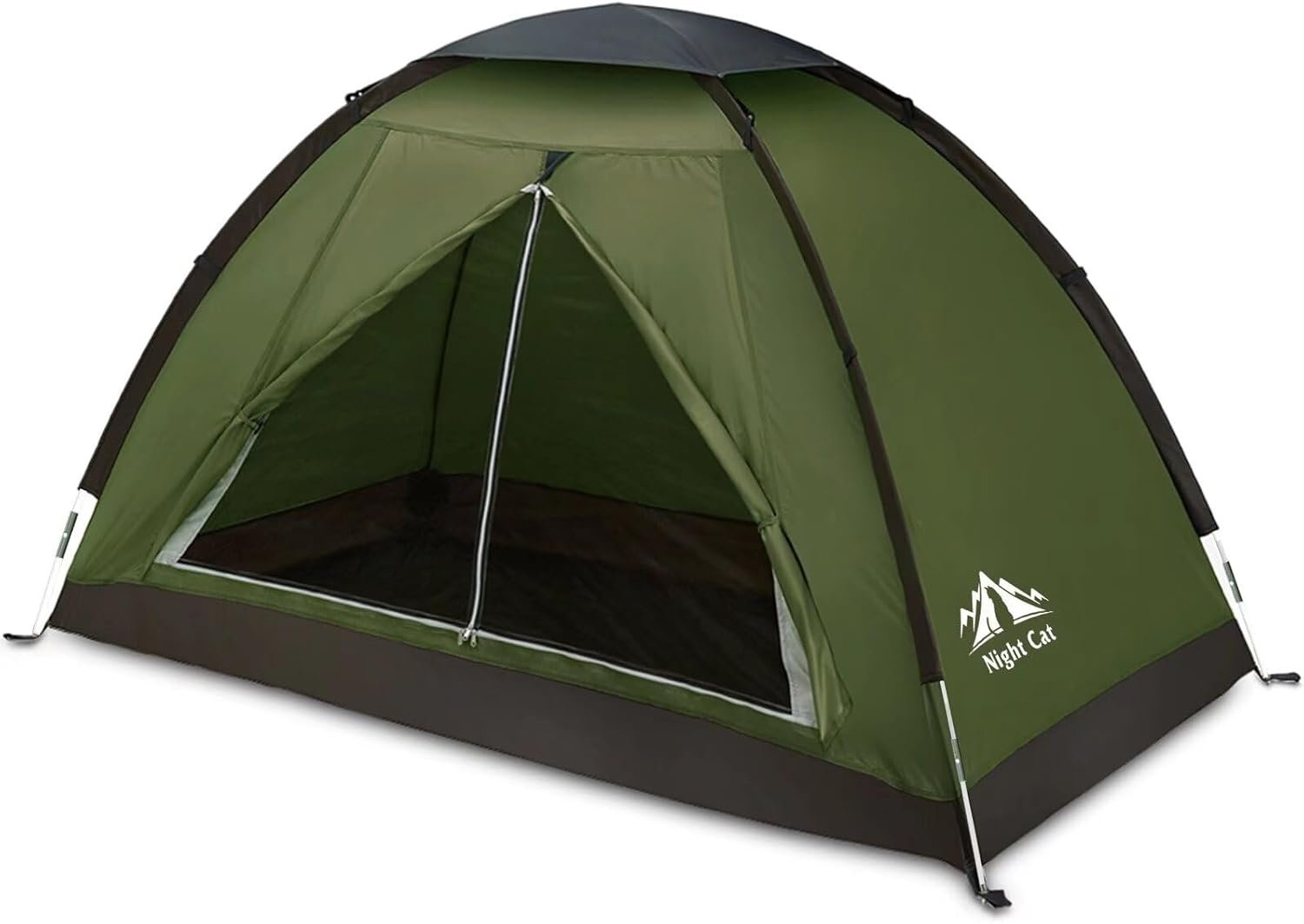
a) Dome Tents
The most common tent structure used by campers worldwide.
- Pros: Quick assembly, great wind resistance, excellent for 2–4 people.
- Cons: Less standing room compared to cabin tents.
- Recommended for: Weekend camping, solo explorers, or hiking couples.
b) Cabin Tents
Made for family or group camping with multiple rooms and straight walls for more livable space.
- Pros: Spacious interiors, vertical walls, and often include room dividers.
- Cons: Heavier and requires more setup time.
- Recommended for: Family camping or long-term site stays.
c) Pop-Up or Instant Tents
Loved for convenience — you simply unfold, and the tent stands up automatically.
- Pros: Set up in under 60 seconds; great for festivals or casual campers.
- Cons: Lower durability in heavy wind conditions.
- Recommended for: Beginners, beach campers, and spontaneous trips.
d) Tunnel Tents
Recognizable by their elongated shape, supported by multiple hoops.
- Pros: Spacious with stable design, great for gear storage.
- Cons: Needs good anchoring to stay steady in strong winds.
- Recommended for: Extended campsite stays.
e) Backpacking Tents
Focused on ultra-lightweight build and compact size for easy carrying.
- Pros: Versatile and portable.
- Cons: Smaller sleeping area; minimal features.
- Recommended for: Travel hikers, trekkers, and mountaineers.
f) Inflatable Tents
Feature air beams instead of poles, allowing easy inflation.
- Pros: Fast setup, no pole hassles, modern design.
- Cons: Slightly pricier than traditional tents.
- Recommended for: Glamping (glamorous camping), family stays, and premium trips.
4. Key Features to Look For When Buying an Outdoor Tent
When choosing the best outdoor tent, understanding these technical aspects will help ensure durability, comfort, and proper fit for your adventure style.
a) Material Quality
The fabric determines the protection level and weight.
- Polyester and Nylon: Lightweight, affordable, and water-resistant.
- Canvas (Cotton): Breathable and durable, but heavier.
- Ripstop Nylon: Designed for strength against tearing, ideal for harsh conditions.
b) Waterproof Rating
A tent’s waterproof protection is measured in millimeters (mm).
- 800–1500 mm: Light rain protection.
- 1500–3000 mm: Suitable for moderate to heavy rainfall.
- 3000+ mm: Reliable in monsoon or alpine conditions.
Pair this with sealed seams and PU coatings for maximum rainproofing.
c) Ventilation System
Prevents moisture buildup (condensation) and improves air quality inside. Mesh windows, roof vents, or dual-layer doors are ideal.
d) Weight and Pack Size
Backpackers prefer sub-3 kg models, while family tents can weigh up to 10–15 kg with larger frames.
e) Setup Mechanism
- Manual Pole Setup: Gives flexibility and durability.
- Pop-Up System: Saves time but is usually smaller.
- Air Pole Tech: Offers instant comfort setup with pumps.
f) Capacity & Layout
Manufacturers label tents as “two-person,” “four-person,” etc. However, for the best comfort, always size up — if camping with two, choose a 3-person tent for gear space.
g) Seasonal Rating
- 2-Season: Fair-weather camping.
- 3-Season: Handles spring to autumn rain and mild wind.
- 4-Season: Designed for winter and high-altitude camping.
5. Maintenance and Tent Care Tips
Proper tent maintenance can extend its life by years. Follow these best practices:
- Clean after each trip using warm water and mild detergent.
- Dry completely before packing to prevent mold.
- Avoid folding the same way every time — roll or change folds to prevent permanent fabric creases.
- Use ground tarps or footprints to protect the tent base.
- Repair small tears immediately with tent repair tape or seam sealer.
- Store loosely in a cool, dry environment instead of long-term compression bags.
6. Advanced Add-Ons and Accessories
Enhance your camping experience with these accessories:
- Footprint Mats: Adds a protective base layer.
- Tent Lights / Lanterns: Solar or battery-powered for nights.
- Sleeping Pads / Air Mattresses: For comfort and insulation.
- Canopies or Awnings: Extend shade and shelter outside.
- Portable Fans or Heaters: Maintain airflow or warmth inside.
These extras often make the difference between a rugged outdoor night and a comfortable home-like experience.
7. How to Choose the Best Tent for Your Needs
A systematic selection approach helps you narrow options based on trip type, weather, and comfort expectations.
Ask Yourself:
- How many people will sleep in the tent?
- What’s your typical camping environment — mountain, forest, desert, or beach?
- Do you need ultra-light gear or complete comfort?
- What season and temperature do you expect?
- How much time are you willing to spend on setup?
For example:
- Solo hiker → Compact & lightweight (Naturehike Cloud-Up).
- Family weekend camp → Cabin tent (Coleman Skydome).
- Premium comfort → Inflatable or air beam tent (Vango Odyssey Air).
Remember: functionality outweighs aesthetics in outdoor gear. The best tent fits your actual use case, not just trends.
8. Sustainability Trends in Tent Manufacturing (2025 Update)
In 2025, eco-conscious gear is gaining traction. Leading tent brands have adopted recycled materials, non-toxic coatings, and low-impact dyes to reduce environmental damage.
Examples include:
- The North Face Eco Trail Series (recycled polyester fabric).
- Big Agnes Tiger Wall UL2 Solution Dye Tent (minimal water in manufacturing).
- Vaude Green Shape Label (eco-certified production).
Supporting such brands aligns adventure with environmental responsibility.
9. Tips for Setting Up Your Tent Like a Pro
Setup efficiency comes with practice — but these tricks help:
- Always check terrain: Pick flat, shaded spots, avoiding low-lying wet areas.
- Face the door away from strong winds to prevent drafts.
- Stake corners diagonally for balanced tension.
- Adjust rainfly tightness to allow airflow but prevent leaks.
- Use reflective guylines for better night visibility.
Setting up mastery ensures comfort and safety, even in unpredictable conditions.
10. Common Camping Mistakes to Avoid
Even experienced campers can overlook details. Avoid:
- Skipping ground protection layers (causes leaks and wear).
- Overcrowding tents beyond stated capacity.
- Ignoring ventilation leads to interior condensation.
- Storing tents while damp — this promotes mildew.
- Setting up in windy open areas without anchors.
Preventing such errors not only enhances comfort but also increases your tent’s lifespan.
11. Outdoor Tent Buying Checklist (2025 Quick Reference)
| Feature | Importance | Ideal Rating/Range |
|---|---|---|
| Fabric Material | ★★★★★ | Nylon, Polyester |
| Waterproof Rating | ★★★★★ | 2000–3000 mm |
| Ventilation | ★★★★☆ | Mesh doors/windows |
| Capacity | ★★★★★ | +1 size rule |
| Setup Time | ★★★★☆ | <10 minutes |
| Weight | ★★★★☆ | <5 kg for solo tents |
| Price Range | ★★★★☆ | \$80–\$400 |
12. The Future of Camping Tents: Smart and AI-Integrated Gear
Technology is transforming outdoor gear in 2025:
- Self-adjusting ventilation systems regulate air based on interior humidity.
- Solar-charging tent roofs power small electronics.
- Integrated LED lighting systems improve night comfort.
- AI Weather Alerts (via app) predict and adapt to local weather changes.
Smart tents will redefine modern camping — making “off-grid” life far more connected and sustainable.
13. Conclusion: Find Your Outdoor Tent and Redefine Adventure
A high-quality outdoor tent provides the foundation for unforgettable adventures — ensuring protection, relaxation, and freedom. Whether your style is ultralight hiking, family glamping, or spontaneous road trips, the right tent becomes your home wherever you go.
As camping trends rise and eco-travel reshapes the industry, investing in durable, tech-equipped, or sustainable models ensures you’re future-ready.
So before your next journey — choose wisely, gear up, and sleep under the stars with confidence.