The Ultimate Guide to Seed Tape: Simplifying Your Garden Sowing Technique


Introduction to Seed Tape
Seed tape is an innovative gardening solution designed to streamline the sowing process, particularly for small seeds that can be challenging to plant using traditional methods. This remarkable product consists of strips of biodegradable tape, embedded with seeds at precise intervals, allowing gardeners to place them directly into soil with ease. The concept of seed tape addresses a variety of issues associated with the manual sowing of tiny seeds, making it an attractive option for both novice and experienced gardeners alike.
One of the main challenges gardeners face when planting small seeds is their size, which often leads to improper spacing or uneven distribution. Traditional methods, such as scattering seeds or using a seed drill, can result in overcrowding or gaps, negatively impacting plant growth. Additionally, small seeds are often difficult to handle and can be easily lost, making the sowing process frustrating. Seed tape effectively resolves these issues by providing a simple and efficient technique that guarantees accurate spacing, ensuring that each seed has the best chance of germination and growth.
Another advantage of using seed tape is the reduced labor involved in garden preparation. Since the seeds are pre-spaced and secured to the tape, gardeners can save time and effort during the planting process. Moreover, seed tape simplifies the management of different seed types, as various tapes can be used for different plants while maintaining organization in the garden layout. This not only aids in maintaining a structured growing area but can also lead to a more successful harvest overall. With its myriad benefits, seed tape stands as a useful tool that enhances the gardening experience by addressing common seed sowing challenges.
What is Seed Tape?
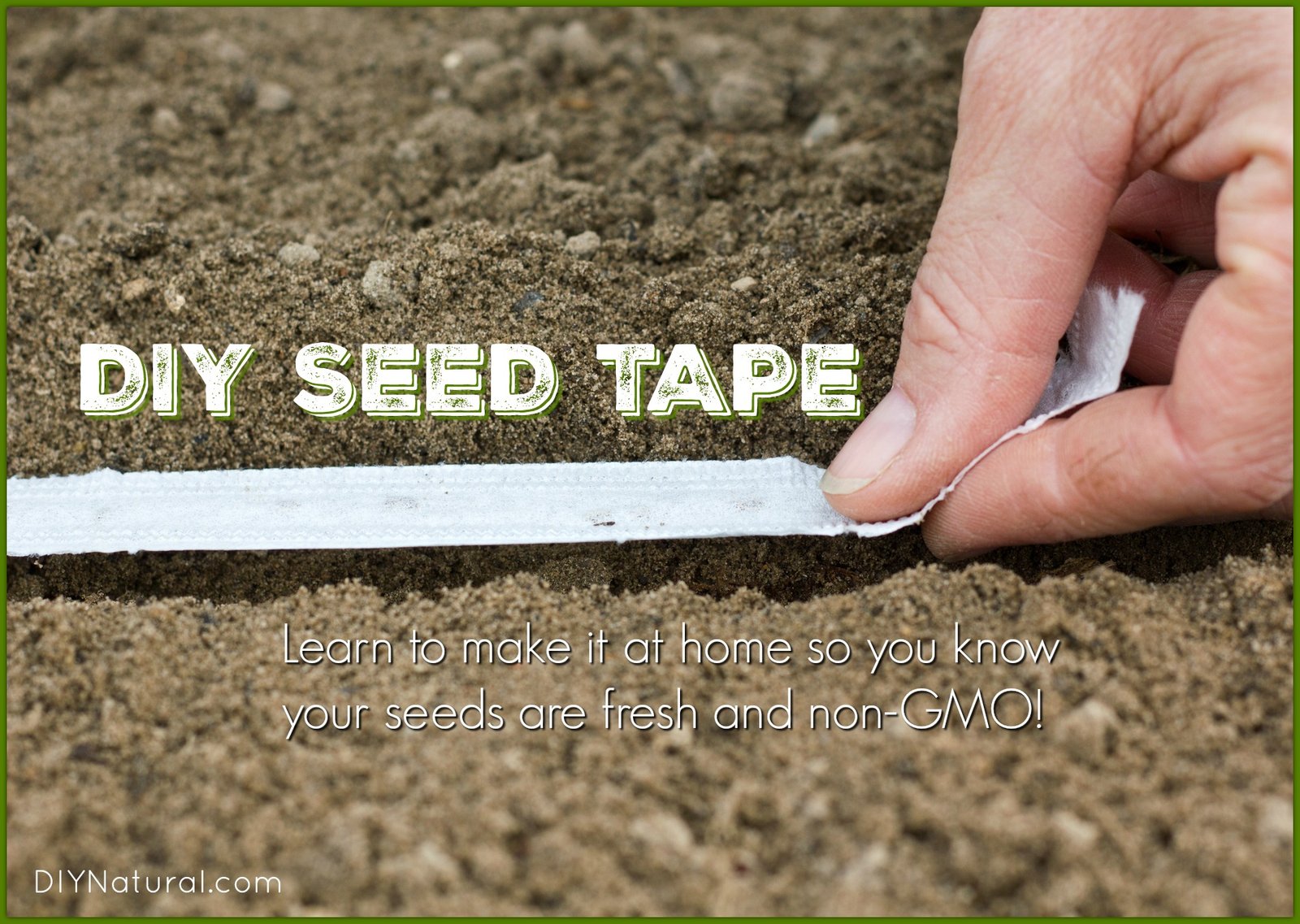
Seed tape is an innovative gardening tool designed to simplify the process of sowing seeds in an organized and efficient manner. At its core, seed tape consists of a biodegradable strip, often made from paper or other natural materials, that contains pre-spaced seeds embedded within it. This unique design eliminates the guesswork and labor associated with traditional sowing techniques, allowing gardeners to achieve a straight line and maintain optimal seed spacing, which is crucial for healthy plant growth.
The composition of seed tape typically includes various types of seeds, ranging from garden staples like lettuce, carrots, and radishes to more specialized selections such as herbs and flowers. These seeds are carefully spaced along the tape, ensuring that the distance between them adheres to the recommended planting guidelines for each type of plant. This not only promotes healthier plants by preventing overcrowding but also enhances the overall yield by maximizing the available garden space.
Seed tapes can be found commercially, where they are pre-made and readily available for purchase at gardening stores or online. These commercial versions often boast a wider selection of seeds, accompanied by detailed planting instructions. Alternatively, gardeners may opt to create homemade seed tape as a cost-effective and customizable solution. By using materials such as toilet paper, paper towels, or other biodegradable substrates, individuals can manually space out seeds using a simple glue mix or flour paste. This DIY approach allows for greater flexibility in seed selection and layout, catering to specific gardening needs and preferences.
Advantages of Using Seed Tape
Seed tape has emerged as a valuable tool for gardeners seeking to streamline their planting process while enhancing overall efficiency. One significant advantage of using seed tape is its ability to prevent overseeding. Traditional sowing methods often lead to densely packed seeds, resulting in overcrowded plants and ultimately requiring labor-intensive thinning. Seed tape, with its pre-spaced seeds, ensures that the optimal distance between each plant is maintained, thus promoting healthy growth and optimal yield.
Another notable benefit is that seed tape effectively eliminates the need for thinning seedlings post-germination. For novice gardeners, the idea of thinning can be daunting, as it entails removing some seedlings to allow others to flourish. With seed tape, this concern is alleviated, as the seeds are already spaced appropriately, minimizing the need for additional intervention and ensuring that each plant has ample room to grow.
Moreover, seed tape provides a layer of protection against birds, which are notorious for feasting on freshly sown seeds. The paper or biodegradable material used in seed tape acts as a barrier, securing the seeds underneath until they germinate. Many gardeners have reported fewer instances of seed loss to birds and other pests when using this innovative method, leading to better germination rates.
Additionally, seed tape reduces the risk of seeds washing away during heavy rainfall. Traditional planting methods can inadvertently leave seeds exposed, making them susceptible to being displaced by water. The tape holds the seeds securely in place, ensuring that they remain where they were intended to be planted, even in adverse weather conditions. Gardeners who have adopted seed tape often share positive testimonies, citing successful germination and thriving plants as key highlights of their gardening experiences.
Homemade Seed Tape: A Step-by-Step Guide
Creating homemade seed tape is an excellent way to simplify the gardening process, particularly for those who wish to optimize seed spacing and reduce waste. This guide will provide a comprehensive overview of the necessary materials, tools, and step-by-step instructions for making your own seed tape.
To begin with, you will need basic household materials. The primary component includes a roll of paper towels or toilet paper, which serves as the tape base. In addition to that, you require seeds of your choice, a pair of scissors to cut the tape, and a ruler or measuring tape for accurate spacing. For adhesive, a simple mixture of flour and water acts as an effective natural glue. Alternatively, maple syrup can also be utilized as an adhesive due to its stickiness.
Once your materials are gathered, follow these steps to create the seed tape:
1. **Prepare the Adhesive**: For the flour-water paste, mix one part flour with two parts water in a bowl until you achieve a thick paste. If you’re using maple syrup, ensure it is in a container that makes application easy.
2. **Cut the Base**: Using scissors, cut the paper towel or toilet paper into strips approximately two inches wide. The length of the strips can vary depending on how long you want your seed tape to be.
3. **Mark the Spacing**: On each strip, mark the desired spacing for your seeds. Ideal spacing varies by plant; you might typically use one to three inches apart, depending on the seed variety.
4. **Apply the Seeds**: Place a small dab of your adhesive at each marked spot, and carefully place one seed on top of the adhesive. Make sure not to overcrowd the seeds, as proper spacing is crucial for optimal growth.
5. **Finish the Tape**: Once all seeds are attached, allow the tape to dry completely before storing it for planting. You can roll it up gently for easy storage.
With this homemade seed tape, sowing seeds can become a more manageable and organized task in your gardening routine, promoting successful growth through careful planning and execution.
How to Plant Seed Tape
Planting seed tape is a straightforward process that can enhance your gardening experience by simplifying the sowing technique. The first step involves preparing your garden bed. Begin by selecting a suitable location that receives plenty of sunlight and has well-draining soil. Clear the area of any weeds or debris, and loosen the soil using a garden fork or tiller to ensure optimal seed germination.
Once the garden bed is adequately prepared, the next step is to lay the seed tape. Carefully unroll the tape and place it on the soil, ensuring that it is straight and level. Pay attention to the spacing indicated on the seed tape, as it is designed to maintain the appropriate distance between seeds, leading to healthier plants. If necessary, cut the tape to fit the dimensions of your garden bed.
After placing the seed tape, cover it lightly with soil. A thin layer of soil, typically about half an inch, is sufficient. This coverage helps protect the seeds and retains moisture, which is essential for germination. Ensure that the soil is loose enough to allow for proper air circulation while being firm enough to provide support to the seeds.
Following the covering phase, it’s crucial to water the area appropriately. A gentle watering with a fine spray is ideal, as it minimizes displacement of the seed tape or soil. Ensure that the soil is kept consistently moist but not soggy, as excessive water can lead to seed rot while insufficient moisture can hinder growth.
For successful germination, consider the climate and specific requirements of the seeds you are planting. Covering the garden bed with a light mulch can help maintain moisture levels. After planting, monitor the area regularly for pests and maintain watering as needed. Adopting these practices can lead to a thriving garden filled with healthy plants.
Best Seeds for Seed Tape
When it comes to utilizing seed tape for your gardening endeavors, selecting the right seeds is paramount to ensuring successful germination and growth. Small seeds are particularly suitable for this method, as their size allows for even spacing, which is crucial in maximizing garden space and enhancing plant health. Among the most recommended options are carrots, radishes, lettuce, and various flower seeds.
Carrots, for instance, are among the best candidates for seed tape because of their small and delicate seeds. This technique not only simplifies the sowing process but also aids in achieving optimal spacing, reducing the need for thinning later. Radishes, another hardy option, are well-suited due to their rapid growth. They thrive well when sown in rows with consistent spacing, making them an ideal choice for seed tape use.
Lettuce seeds also fit the profile for successful seed tape applications. Their minute size enables gardeners to enjoy a straightforward planting procedure, while the even distribution of seeds ensures they receive adequate nutrients and sunlight without excessive competition. Furthermore, various flower seeds, particularly those that require similar spacing, can be effectively used within seed tape. Varieties like zinnias and marigolds not only add color to gardens but also contribute to biodiversity.
For gardeners wishing to experiment with different seeds, it is essential to consider germination times and growing conditions. Some small seeds may require specific soil types or moisture levels, so matching the seed choice with the garden environment will yield the best results. By focusing on these ideal candidates, gardeners can significantly simplify their sowing techniques while enjoying the benefits of seed tape.
Seed Tape vs. Loose Seeds: A Comparison
When it comes to planting in the garden, choosing between seed tape and loose seeds is a significant decision for gardeners seeking efficiency and effectiveness. The traditional method of sowing loose seeds offers flexibility but often comes with various challenges. One of the primary drawbacks of using loose seeds is the labor-intensive process involved. Gardeners must spend considerable time preparing the soil, planting each seed individually, and ensuring adequate spacing between them. This process can become cumbersome, especially for larger gardens.
Moreover, achieving uniform spacing can be quite difficult when sowing loose seeds. Irregular spacing may result in overcrowding, leading to competition among plants for nutrients, light, and water. As a result, gardeners often face the necessity of seed thinning, which involves removing excess plants to allow the remaining ones to flourish. Seed thinning can be time-consuming and requires additional effort, adding to the complexity of managing a garden.
On the other hand, seed tape simplifies the sowing process significantly. This innovative gardening tool allows seeds to be pre-spaced at regular intervals along a strip of biodegradable paper or similar material, making planting straightforward and efficient. Gardeners can easily lay out the tape in prepared rows without the need for extensive hand planting. This feature eliminates the confusion of spacing, as the seeds are perfectly positioned for optimal growth right from the start.
Additionally, using seed tape reduces the likelihood of overcrowding, minimizing the need for invasive seed thinning. With its efficiency, ease of use, and ability to facilitate improved plant spacing, seed tape presents a compelling alternative for gardeners looking to streamline their sowing technique, ultimately leading to healthier and more productive gardens.
Tips for Successful Gardening with Seed Tape
Using seed tape can significantly simplify the gardening process, but certain considerations can enhance your success. First and foremost, evaluate your soil conditions. Ideally, seed tape should be used in well-drained, nutrient-rich soil that has been adequately prepared. Testing soil pH is advisable, as a range of 6.0 to 7.0 is optimal for most vegetables and flowers. If your soil is compacted or lacking in nutrients, consider enriching it with compost or organic matter prior to sowing your seed tape.
Watering techniques play a crucial role in the effectiveness of seed tape. After laying down the seed tape, ensure the soil is moist but not saturated. Consistent moisture is needed, especially during germination, to allow seedlings to break through the tape easily. Utilize a gentle watering method, such as a spray or soaker hose, to avoid displacing the tape or damaging emerging plants. Monitoring the soil moisture regularly will help maintain the ideal conditions for your seeds.
Timing is also vital in achieving a fruitful garden. Consult local gardening calendars to identify the best planting periods based on your location and climate. Plant seed tape at the recommended intervals for each type of seed, as this will optimize space and resources in your garden. Additionally, aligning your sowing with favorable weather allows for better germination and growth.
Once your seedlings emerge, proper care will ensure their ongoing health. Thin the seedlings as required, following specific guidelines for the plants you are growing. Provide adequate sunlight and protect young plants from harsh weather conditions. Regular weeding will also reduce competition for nutrients and water, promoting stronger growth for your seed tape crops.
Conclusion: Streamlining Your Gardening Experience with Seed Tape
In conclusion, seed tape represents a transformative approach to gardening that can greatly simplify the sowing process. By employing pre-spaced seeds, this innovative method not only enhances planting accuracy but also minimizes the amount of time and effort required for garden preparation. The key benefits of using seed tape include reduced seed waste, consistent planting depth, and ultimately, a more organized gardening experience.
The convenience of seed tape allows gardeners, particularly novices, to engage in planting activities without the stress of proper seed spacing and depth management. This user-friendly method is especially beneficial for those with limited time or physical ability to garden, as the pre-formed tapes eliminate the need for tedious hand sowing. Furthermore, the wide variety of seed tapes available enables gardeners to experiment with different plants while avoiding the common pitfalls of traditional seeding methods.
Moreover, using seed tape fosters a more efficient planting routine, allowing gardeners to maximize their time spent enjoying the fruits of their labor rather than laboring over planting techniques. By incorporating seed tape into your gardening practices, you can cultivate a more enjoyable, less labor-intensive experience that encourages repeat gardening activities and innovation in your planting strategy.
Overall, adopting seed tape in your gardening endeavors is an effective strategy to streamline the sowing process. We encourage readers to explore the benefits of this practice and consider integrating it into their gardening routines. Whether you are seeking to simplify your planting experience or expand your garden’s potential, seed tape offers a practical and rewarding solution that can enhance your gardening journey.