The Ultimate Guide to Smart Home Devices


Introduction to Smart Home Technology
Smart home technology refers to the integration of devices and systems within a residential environment that can be remotely controlled, monitored, and automated through the internet. In recent years, this innovative technology has significantly gained popularity, largely due to the tremendous advancements in the Internet of Things (IoT). The IoT facilitates the connection of various devices, allowing them to communicate with each other and operate seamlessly under a unified command. This evolution in home automation has transformed the way individuals interact with their living spaces, offering enhanced comfort and control.
The progression from traditional home technology to smart homes has been remarkably swift. In the past, home automation was a luxury reserved for a select few, often involving complex setups that required significant investment. Today, however, the landscape has changed dramatically, with a variety of smart devices readily available to consumers at varying price points. These technologies range from smart thermostats and lighting systems to advanced security cameras and smart locks, all designed to improve the user experience.
One of the primary advantages of smart home technology is the convenience it offers to homeowners. With the ability to control various devices via smartphones or tablets, individuals can manage their home environment from virtually anywhere. For instance, homeowners can adjust their heating or cooling systems, turn off lights, and even check security feeds while away from their property. Moreover, energy efficiency is a critical component of smart home devices. By optimizing usage through smart sensors and automated schedules, households can significantly reduce their energy consumption and lower utility costs.
Enhanced security is another crucial benefit that smart home technology provides. With features such as remote monitoring, instant alerts, and integration with security systems, homeowners can achieve greater peace of mind knowing they have control over their property’s safety. Thus, it is evident that the growing trend of smart home technology not only enhances the quality of life but also promotes a more efficient and secure living environment.
Popular Smart Home Devices and Their Functions
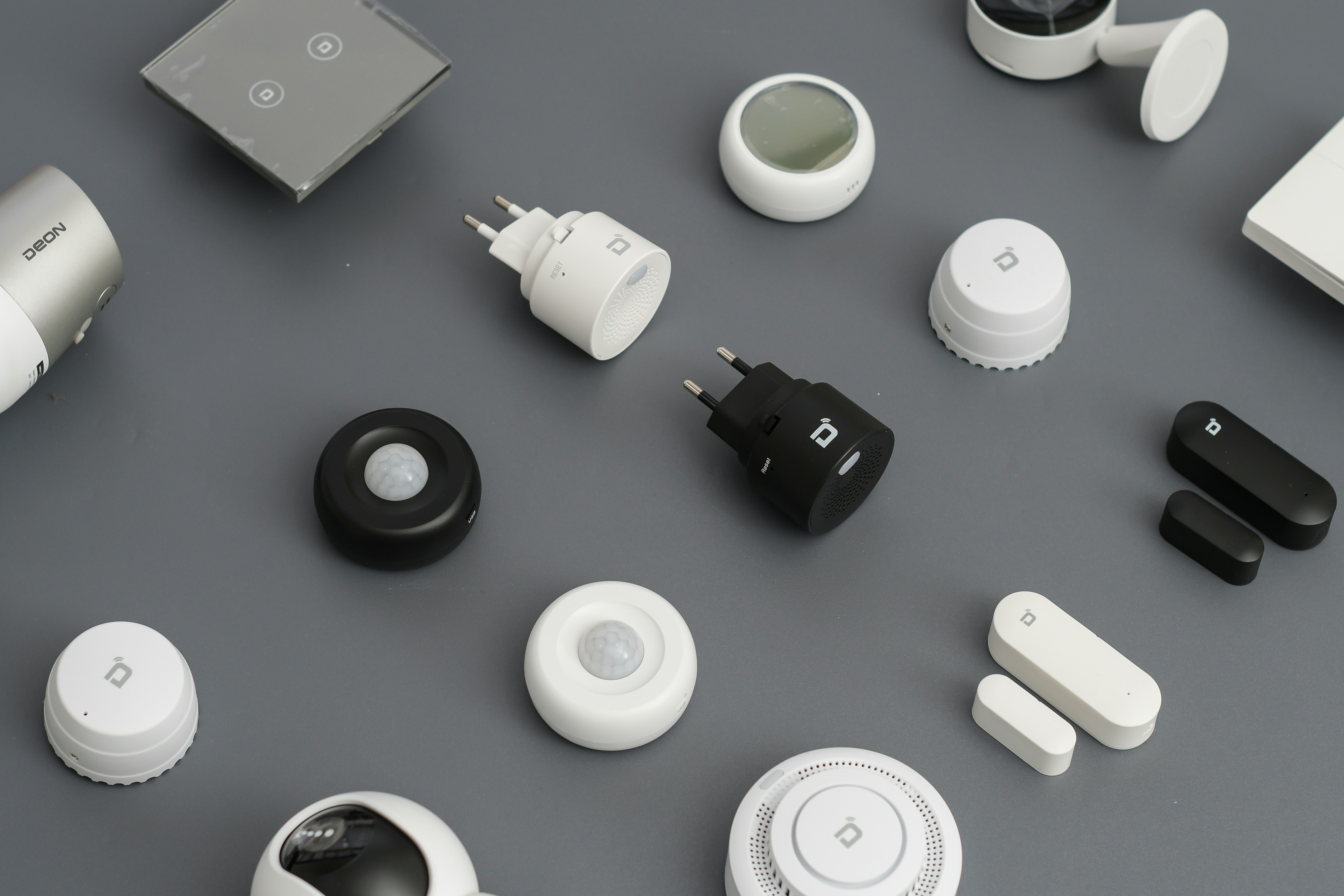
The landscape of smart home devices has evolved dramatically, bringing convenience and efficiency into our daily lives. Smart speakers are at the forefront of this evolution; they serve as voice-activated hubs that allow users to control various devices within their homes. Popular options like Amazon Echo and Google Nest enable voice commands for music playback, setting reminders, and managing compatible devices, transforming the way we interact with technology.
Security is paramount in smart homes, and smart security cameras provide peace of mind, allowing homeowners to monitor their living spaces remotely. Devices such as Ring or Arlo feature motion detection, night vision, and two-way audio, making them essential for enhancing home security. These cameras can often integrate seamlessly with smart doorbells and alarm systems, providing a comprehensive safety solution.
Another significant category includes smart thermostats, which add energy efficiency to smart home setups. These devices, like the Nest Learning Thermostat, learn user habits to optimize heating and cooling schedules. This results in reduced energy costs and a more comfortable living environment. Their compatibility with various home automation systems means that users can control them remotely via smartphone apps, aligning temperatures with personal preferences.
Smart lighting systems, such as Philips Hue, offer users the ability to customize the ambiance in their homes. These systems allow for remote control and scheduling of lighting, providing a variety of colors and intensities. By integrating with motion sensors and home automation networks, smart lighting can enhance security and energy efficiency as well.
Lastly, smart door locks like August and Schlage provide an added layer of security by enabling keyless entry. Users can lock or unlock their doors remotely, grant access to guests via mobile devices, and monitor entry and exit logs. This convenience and enhanced control over home access are valuable features for any smart home.
Setting Up Your Smart Home: Tips and Best Practices
Establishing a smart home requires thoughtful planning and execution, ensuring that the devices you choose align with your specific needs and preferences. To start, assess your requirements by identifying which areas of your home you wish to enhance with smart technology. Common categories include lighting, security, climate control, and entertainment. By evaluating your daily activities and habits, you can determine which smart home devices will offer the most benefit.
Once you have a clear understanding of your needs, the next step is choosing compatible devices. It’s essential to select products that are designed to work harmoniously with one another, often referred to as being “smart home compatible.” Research brands and read customer reviews to ensure your selected devices can communicate effectively. Consider utilizing a smart hub, which can centralize control for various devices and facilitate communication between those that might not otherwise connect directly.
Security is paramount in any smart home setup. To safeguard your devices and personal information, change default passwords to strong, unique credentials immediately after installation. Using two-factor authentication whenever possible adds an extra layer of protection. Regularly updating your device firmware is another crucial practice; manufacturers often release updates that address security vulnerabilities and improve functionality. Schedule a routine check to ensure that all devices are current with their software, maintaining both performance and security.
In addition to these basic practices, consider segmenting your smart home network using a guest Wi-Fi network for visitors. This minimizes the risk of unauthorized access to your primary devices. By adhering to these guidelines, you can create a smart home that not only meets your automation needs but also remains secure from cyber threats.
The Future of Smart Home Devices
As we look towards the future of smart home devices, several key trends are poised to redefine home automation and enhance user experiences. One of the most significant advancements lies in artificial intelligence (AI) and machine learning technologies. These innovations are not only increasing the capabilities of smart devices but also enabling them to learn and adapt to individual preferences and behaviors. For instance, AI can allow smart thermostats to adjust temperatures based on user patterns, while smart speakers improve their understanding of voice commands over time. This level of personalization transforms how we interact with technology in our homes.
Moreover, interoperability among devices from various manufacturers is becoming increasingly important. A truly smart home seamlessly integrates devices, regardless of the brand. This interconnectivity allows users to control multiple smart technologies via centralized platforms, enhancing convenience and functionality. The adoption of common communication protocols, like Matter, aims to bridge the gaps between platforms, fostering a cohesive smart home environment. However, achieving this level of integration takes considerable effort from manufacturers and may raise compatibility concerns for users.
While the advancements in smart home technology are promising, they are not without challenges. Privacy concerns loom large as more devices become interconnected and dependent on cloud services. Users fear unauthorized access and data misuse, which necessitates robust security measures from manufacturers and transparency in data handling practices. Additionally, the environmental impact of producing smart devices cannot be overlooked. As more consumers adopt smart home technologies, the need for sustainable production processes and responsible recycling of electronics becomes vital to mitigate ecological footprints.
In conclusion, the future of smart home devices is marked by innovation and the potential for enhanced user experience, tempered by challenges that must be addressed to ensure privacy, interoperability, and environmental sustainability.