Washing Machine Buying Guide: Front-Load vs Top-Load in 2026
As we step into 2026, the market for washing machines continues to evolve, with consumers increasingly seeking efficient, reliable, and cost-effective solutions for their laundry needs. The decision between front-load and top-load washing machines remains one of the most debated topics among homeowners. With various features, performance metrics, and price ranges to consider, understanding the differences between these two types of machines can significantly impact your purchasing decision. In this washing machine buying guide, we will delve into the key criteria to evaluate, current trends, essential features to look for, and common mistakes to avoid when choosing between front-load and top-load washing machines.
Key Buying Criteria for Washing Machines
When it comes to selecting the right washing machine, several critical factors should guide your choice:
- Capacity: Consider the size of your household and the volume of laundry you typically do. Front-load machines generally offer larger capacities, making them ideal for families.
- Energy Efficiency: Look for machines with high energy ratings. Front-load washers tend to use less water and energy compared to their top-load counterparts, saving you money in the long run.
- Wash Performance: Front-load washers often provide superior cleaning performance, especially for heavily soiled items, due to their tumbling action. However, many modern top-loaders have improved significantly in this area.
- Price: Budget is always a consideration. Top-load machines are typically less expensive upfront, while front-loaders may have higher initial costs but offer savings over time through efficiency.
Current Trends in Washing Machines
The washing machine market is witnessing several noteworthy trends as of 2026:
- Smart Technology: Many new models now come equipped with smart features, allowing users to control their machines via smartphone apps, receive notifications, and even diagnose problems remotely.
- Eco-Friendly Options: There’s a growing demand for eco-friendly appliances, with manufacturers focusing on sustainable materials and energy-efficient technologies.
- Customizable Wash Cycles: Consumers are looking for machines that offer customizable settings for different fabric types and soil levels, enhancing the overall washing experience.
What to Look For in a Washing Machine
When shopping for a washing machine, keep an eye out for these essential features:
- Spin Speed: Higher spin speeds can reduce drying time by extracting more water from clothes. Look for machines with spin speeds of at least 1,200 RPM for optimal performance.
- Noise Levels: If your laundry area is near living spaces, consider models designed for quiet operation, especially front-load machines, which tend to be quieter than top-loaders.
- Warranty and Support: A good warranty can save you money on repairs. Look for brands that offer comprehensive coverage and reliable customer service.
Common Mistakes to Avoid
To ensure you make the best choice, avoid these common pitfalls:
- Ignoring Size Constraints: Measure your laundry space before purchasing to ensure your new washer fits comfortably, especially for front-loaders that require additional space for door clearance.
- Overlooking Maintenance Needs: Front-load washers can develop mold if not maintained properly. Be aware of the care requirements for the model you choose.
- Focusing Solely on Price: While budget is important, don’t sacrifice quality and features for a lower price. Consider the long-term savings and benefits of investing in a reliable machine.
FAQs
What is the main difference between front-load and top-load washing machines?
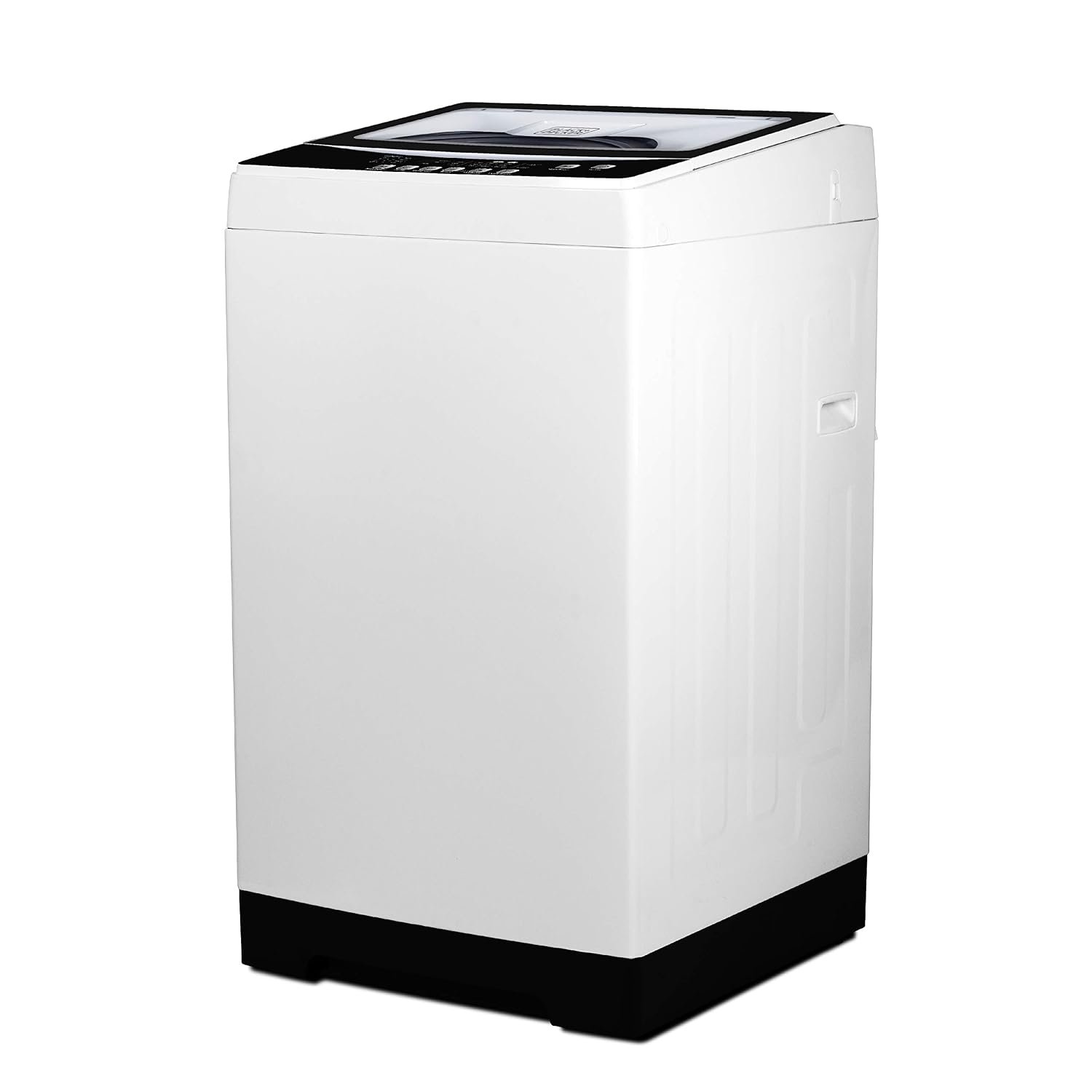
The primary difference lies in their design and operation. Front-load machines have a door on the front and use a horizontal drum, which allows for more efficient washing and spinning. Top-load machines have a lid on the top and a vertical drum, making them easier to load and unload but generally less energy-efficient.
Are front-load washers worth the higher price?
Yes, front-load washers often provide better cleaning performance, lower water and energy usage, and larger capacities, which can justify their higher price over time through savings on utility bills.
How can I maintain my washing machine?
Regular maintenance includes cleaning the drum, checking for leaks, and ensuring the door seal is free of debris. For front-load machines, it’s essential to leave the door ajar after use to prevent mold growth.
In conclusion, choosing between a front-load and a top-load washing machine in 2026 requires careful consideration of your household’s specific needs, budget, and preferences. If you prioritize energy efficiency and superior cleaning performance, a front-load washer may be the better option. However, if ease of use and lower upfront costs are more important, a top-load machine could be the right fit. Regardless of your choice, investing in a quality washing machine will enhance your laundry experience for years to come.