Best Raised Garden Beds for 2026: The Ultimate Buying Guide
As gardening continues to flourish in popularity, raised garden beds have emerged as the go-to solution for both novice and experienced gardeners alike. In 2026, these versatile planting structures have become the single highest-volume gardening search trend, racking up over 1 million annual searches. This surge is largely driven by the increasing interest in kitchen gardens and pollinator-friendly designs. If you’re looking to jump on the gardening bandwagon or enhance your existing setup, this ultimate buying guide will help you navigate the best raised garden beds available this year.
Buying Criteria for Raised Garden Beds
When selecting a raised garden bed, consider the following key criteria to ensure you make a wise investment:
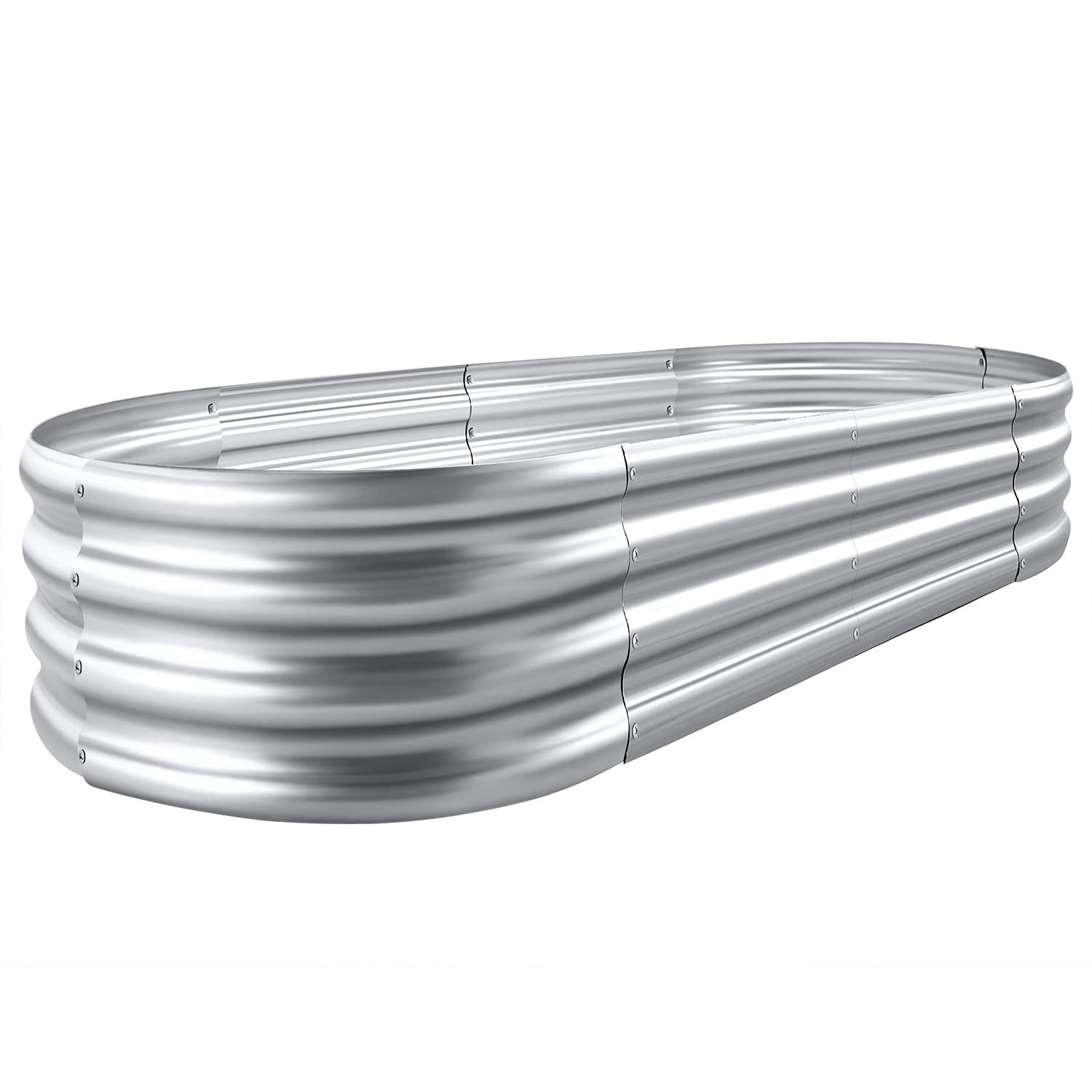
- Material: Raised garden beds come in various materials, including wood, metal, and plastic. Each has its pros and cons; for example, untreated cedar is resistant to rot but may require more maintenance, while metal beds are durable but can heat up quickly.
- Size: Determine the size based on your available space and the types of plants you wish to grow. Standard dimensions range from 4×4 feet to 4×8 feet, but custom sizes are also available.
- Height: The height of the bed affects accessibility and drainage. Taller beds are easier on the back but may require more soil, while shorter beds are more budget-friendly.
- Drainage: Ensure the design promotes adequate drainage to prevent waterlogging. Look for beds with built-in drainage holes or consider elevating the bed slightly.
Current Trends in Raised Garden Beds
The gardening landscape in 2026 is heavily influenced by sustainability and functionality. Here are some notable trends:
- Pollinator-Friendly Designs: Many gardeners are now focusing on creating environments that support local pollinators. Raised beds that incorporate native plants or companion planting strategies are gaining traction.
- Modular Designs: Modular raised garden beds that can be expanded or reconfigured are becoming increasingly popular. They offer flexibility for gardeners who want to adapt their space over time.
- Vertical Gardening: With limited space in urban areas, vertical raised garden beds are on the rise. These innovative designs allow for maximum planting area without taking up much ground space.
What to Look For in a Raised Garden Bed
When shopping for a raised garden bed, keep an eye out for these features:
- Ease of Assembly: Look for beds that come with clear instructions and all necessary hardware. Some models even offer tool-free assembly.
- Soil Depth: A minimum of 12 inches is recommended for most vegetables, while deeper beds can support root vegetables and larger plants.
- Warranty: A good warranty indicates the manufacturer’s confidence in their product. Look for beds that offer at least a one-year warranty.
Common Mistakes to Avoid
To ensure your raised garden bed thrives, avoid these common pitfalls:
- Ignoring Sunlight: Choose a location that receives at least 6-8 hours of sunlight daily. Placing your bed in a shaded area can hinder plant growth.
- Overlooking Soil Quality: Invest in high-quality soil that provides the necessary nutrients for your plants. Avoid using soil from your yard, as it may be compacted or contaminated.
- Neglecting Maintenance: Regularly check for pests, weeds, and soil moisture. Consistent care will lead to a more fruitful garden.
FAQ
What is the best material for a raised garden bed?
The best material depends on your specific needs. Untreated wood, like cedar, is a popular choice for its natural resistance to rot, while metal beds are durable and require less maintenance. Consider your climate and aesthetic preferences when making a choice.
How deep should a raised garden bed be?
A depth of at least 12 inches is recommended for most vegetables. However, if you’re planning to grow root vegetables like carrots or potatoes, consider a depth of 18 to 24 inches for optimal growth.
Can I use a raised garden bed for flowers?
Absolutely! Raised garden beds are versatile and can be used for a variety of plants, including flowers. Just ensure that the soil and conditions are suitable for the specific types of flowers you wish to grow.
In conclusion, investing in a raised garden bed can transform your gardening experience, making it easier and more productive. With the trends of 2026 leaning towards sustainability and functionality, you have a wealth of options to choose from. Consider your space, materials, and the plants you want to grow, and you’ll find the perfect raised garden bed to suit your needs. Happy gardening!