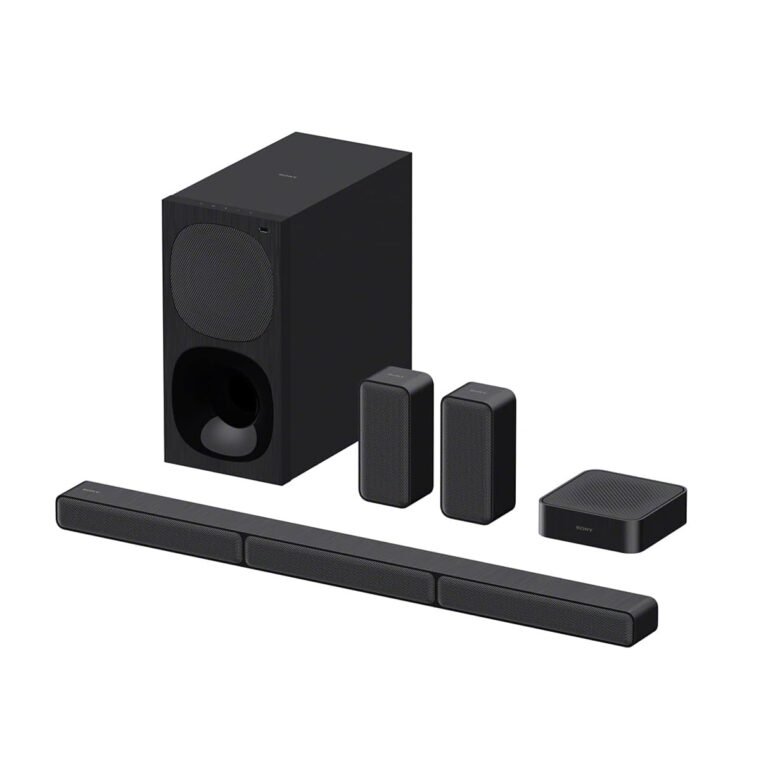

Dolby Atmos Soundbars Explained: Is Immersive Audio Worth It?
In the ever-evolving world of home entertainment, the demand for high-quality audio experiences is at an all-time high. As we step into 2026, Dolby Atmos soundbars have emerged as a popular choice for audiophiles and casual viewers alike, thanks to their ability to deliver immersive audio that transforms the way we watch movies and listen to music. But is the investment in a Dolby Atmos soundbar truly worth it? In this article, we will explore the key buying criteria, current trends in the market, what to look for in a soundbar, and common mistakes to avoid when upgrading your home audio system.
Understanding Dolby Atmos and Spatial Audio
Before diving into the specifics of purchasing a Dolby Atmos soundbar, it’s essential to understand what Dolby Atmos is and how it differs from traditional surround sound systems. Dolby Atmos is an advanced audio technology that creates a three-dimensional sound experience by adding height channels to the audio mix. This allows sounds to be perceived as coming from above, as well as from around the listener, resulting in a more immersive experience. With the rise of streaming services offering Dolby Atmos content, such as movies and shows, the demand for soundbars that support this technology has skyrocketed.
Current Trends in the Soundbar Market
As of 2026, the market for Dolby Atmos soundbars is thriving, driven by several key trends. First, consumers are increasingly seeking compact solutions that deliver high-quality audio without the need for a full surround sound system. Soundbars are becoming the go-to choice for those who want to enhance their TV viewing experience without the clutter of multiple speakers. Additionally, manufacturers are focusing on integrating smart features, such as voice control and compatibility with smart home systems, making it easier for users to control their audio experience. Furthermore, as more content becomes available in Dolby Atmos, the urgency to upgrade home audio systems continues to grow.
What to Look for When Buying a Dolby Atmos Soundbar
When considering a Dolby Atmos soundbar, there are several important factors to keep in mind:
- Audio Channels: Look for soundbars that offer at least 3.1.2 channels, which include three front speakers, one subwoofer, and two upward-firing speakers for height effects.
- Compatibility: Ensure that the soundbar is compatible with your TV and streaming devices. HDMI ARC or eARC support is crucial for easy connectivity and high-quality audio transmission.
- Room Size: Consider the size of your room when selecting a soundbar. Larger spaces may require more powerful models to deliver the immersive experience you desire.
- Additional Features: Look for features like Bluetooth connectivity, built-in voice assistants, and customizable sound modes that enhance usability and versatility.
Common Mistakes to Avoid
While shopping for a Dolby Atmos soundbar, it’s easy to make some common mistakes that can lead to disappointment:
- Ignoring Room Acoustics: The layout and materials of your room can significantly impact sound quality. Take into account how sound will bounce off walls and furniture.
- Overlooking Subwoofer Quality: A quality subwoofer is essential for delivering deep bass. Don’t settle for soundbars with weak or built-in subwoofers that may not provide the desired audio depth.
- Focusing Solely on Brand: While brand reputation can be a factor, it’s essential to compare specifications and reviews to find the best soundbar for your needs, regardless of the brand.
Frequently Asked Questions
What is the difference between Dolby Atmos and traditional surround sound?
Dolby Atmos adds height channels to traditional surround sound, allowing for a three-dimensional audio experience. This means sounds can come from above as well as from the sides, creating a more immersive listening experience.
Do I need a special TV to use a Dolby Atmos soundbar?
While you don’t necessarily need a special TV, having a TV that supports HDMI ARC or eARC can enhance the audio quality and simplify connections. Many modern TVs are compatible with Dolby Atmos.
Can I use a Dolby Atmos soundbar without a subwoofer?
Yes, you can use a Dolby Atmos soundbar without a separate subwoofer, as many soundbars come with built-in subwoofers. However, for the best bass response and overall audio experience, a dedicated subwoofer is recommended.
In conclusion, investing in a Dolby Atmos soundbar can significantly elevate your home entertainment experience, especially as more content becomes available in immersive audio formats. By considering the key buying criteria, staying informed about current trends, and avoiding common pitfalls, you can make an informed decision that enhances your viewing and listening pleasure. If you’re ready to transform your home audio setup, a Dolby Atmos soundbar is undoubtedly worth the investment. Explore the top-rated options available today to find the perfect fit for your needs.