Ultralight Backpacking Gear: What’s Worth the Extra Cost?
As outdoor enthusiasts increasingly seek to lighten their load, the demand for ultralight backpacking gear has surged in recent years. With advancements in materials and design, the 2026 market is seeing a notable trend towards ultralight fabrics and frameless pack designs, promising both comfort and efficiency on the trail. But with premium pricing often associated with these innovations, many wonder: is it worth the extra cost? In this article, we will explore the key factors to consider when investing in ultralight gear, current market trends, what to look for in quality products, and common pitfalls to avoid.
Buying Criteria for Ultralight Gear
When selecting ultralight backpacking gear, several criteria should guide your purchasing decisions:
- Weight vs. Durability: Ultralight materials often sacrifice some durability for weight savings. It’s essential to find a balance that suits your hiking style, whether you’re a weekend warrior or a long-distance trekker.
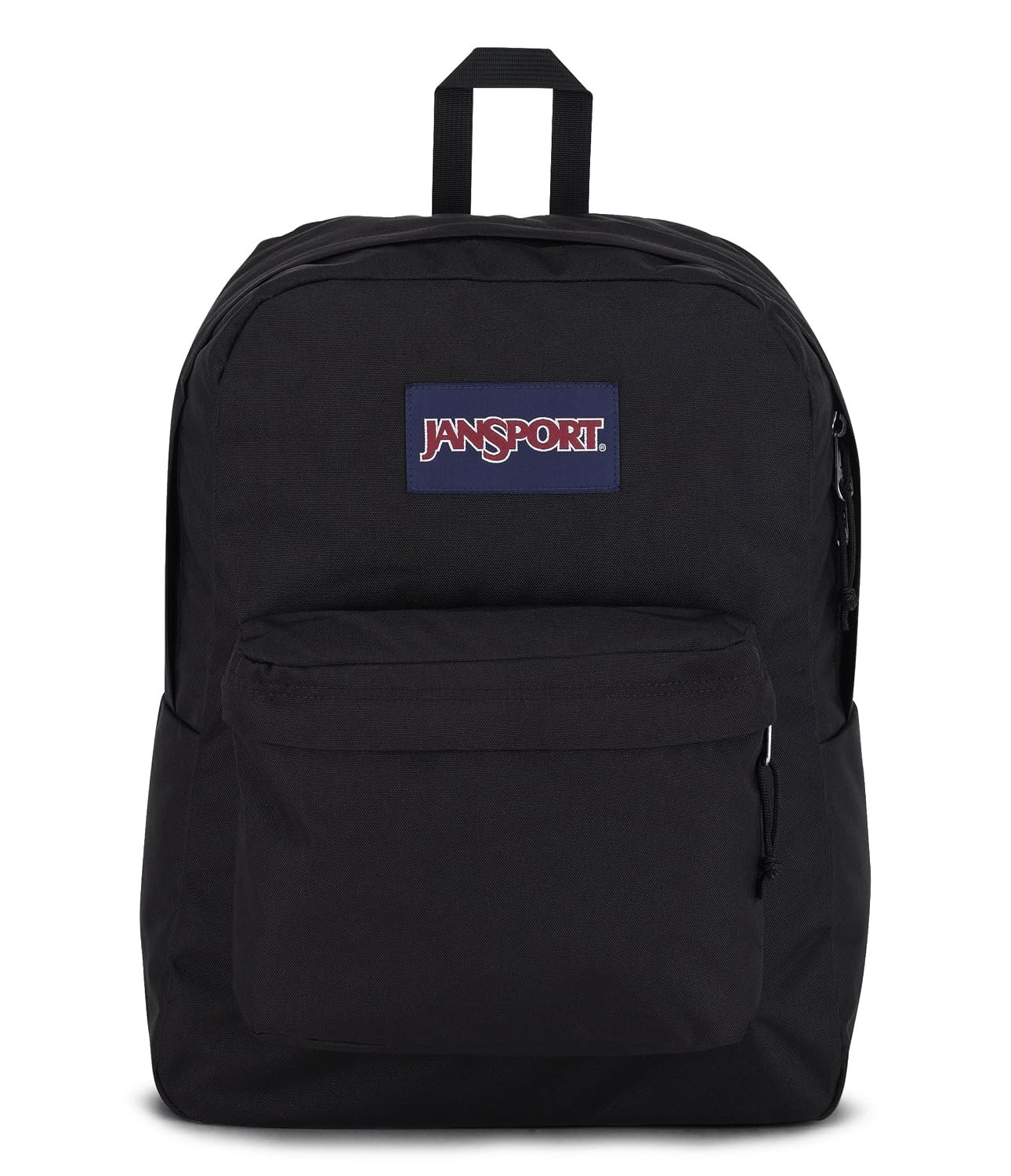
- Comfort and Fit: A well-fitting pack is crucial. Frameless designs can save weight but may not provide the same level of comfort as traditional packs. Ensure you try on different models and pay attention to adjustability.
- Packability: Look for gear that packs down small for easy transport. This feature is particularly valuable for multi-day trips where space is limited.
- Functionality: Consider how the gear will be used. For instance, a sleeping bag that compresses well but offers insufficient warmth may not be a good investment, regardless of its weight.
Current Trends in Ultralight Backpacking Gear
The 2026 backpacking landscape is marked by several exciting trends:
- Ultralight Fabrics: Advances in fabric technology have led to the development of materials that are both lightweight and incredibly strong. Brands are increasingly utilizing ripstop nylon and Dyneema to create gear that withstands the rigors of the trail.
- Frameless Designs: Many new packs are designed without traditional frames, significantly reducing weight. These designs often rely on the hiker’s body for support, making fit and load distribution critical considerations.
- Sustainable Options: As environmental awareness grows, many companies are focusing on sustainable manufacturing practices, producing gear that is not only lightweight but also eco-friendly.
- Modular Systems: Some brands are introducing modular gear that allows hikers to customize their setups based on specific needs, further enhancing versatility and weight management.
What to Look For in Ultralight Gear
When considering ultralight gear, keep these essential features in mind:
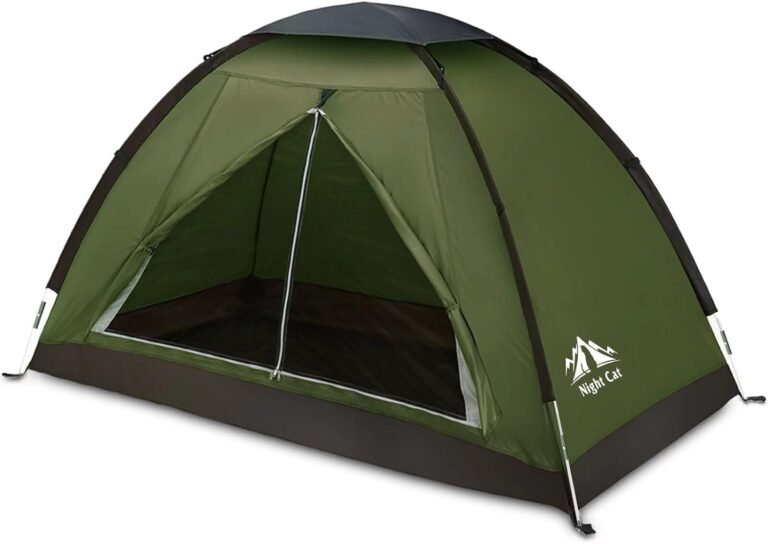
- Seam Sealing: Ensure that the gear is properly seam-sealed to prevent moisture from entering, especially in lightweight tents and tarps.
- Weight Ratings: Familiarize yourself with the weight ratings of various materials and products. This knowledge will help you make informed decisions about what is truly ultralight.
- User Reviews: Check for user reviews and feedback on comfort and performance. Real-world experiences can provide insights that specifications alone cannot.
- Warranty and Support: Consider brands that offer good warranties and customer support, as ultralight gear can sometimes be more prone to wear and tear.
Common Mistakes to Avoid
Even seasoned hikers can make mistakes when transitioning to ultralight gear. Here are some common pitfalls:
- Overemphasis on Weight: While reducing weight is essential, it shouldn’t come at the expense of comfort or safety. Always prioritize gear that meets your specific needs.
- Ignoring Fit: Ultralight packs can feel different than traditional ones. Ensure that any pack you choose fits well and supports your body properly.
- Neglecting Versatility: Some ultralight gear is designed for specific conditions. Choose items that can serve multiple purposes to maximize utility.
FAQ
1. Is ultralight gear suitable for all types of hiking?
Ultralight gear is best suited for long-distance hiking and backpacking where weight is a significant factor. However, for casual day hikes or rugged terrain, traditional gear may provide better support and durability.
2. How can I ensure I’m getting quality ultralight gear?
Look for reputable brands known for their ultralight offerings, check user reviews, and pay attention to the materials used. Additionally, consider testing gear in-store to assess fit and comfort.
3. What is the average price difference between ultralight and traditional gear?
Ultralight gear often comes at a premium due to advanced materials and design, with prices typically ranging from 20% to 50% higher than traditional options. However, investing in quality ultralight gear can enhance your hiking experience significantly.
In conclusion, while ultralight backpacking gear can be more expensive, the benefits of reduced weight, enhanced comfort, and improved efficiency on the trail often justify the investment. By carefully considering your needs, staying informed about current trends, and avoiding common pitfalls, you can make smart choices that elevate your outdoor adventures. Remember, the right gear is not just about saving weight, but also about ensuring a safe and enjoyable experience in the great outdoors. Happy hiking!