How Smart Home Devices Work Together: A Beginner’s Guide to Ecosystems
As the world becomes increasingly interconnected, smart home devices are no longer standalone gadgets; they are integral parts of a larger ecosystem designed to enhance our lives. In 2026, the trend of device interoperability and ecosystem unification has taken center stage, making it easier than ever for homeowners to create a cohesive smart environment. Whether you’re a tech enthusiast or simply looking to make your home more efficient, understanding how these devices work together is essential. In this beginner’s guide, we’ll explore the key aspects of smart home ecosystems, helping you navigate the exciting world of interconnected devices.
Buying Criteria: What to Consider When Choosing Smart Home Devices
When diving into the world of smart home devices, it’s crucial to consider several factors to ensure compatibility and functionality. Here are some key buying criteria:
- Interoperability: Look for devices that support common communication protocols like Zigbee, Z-Wave, and Wi-Fi. This will ensure they can communicate seamlessly with each other.
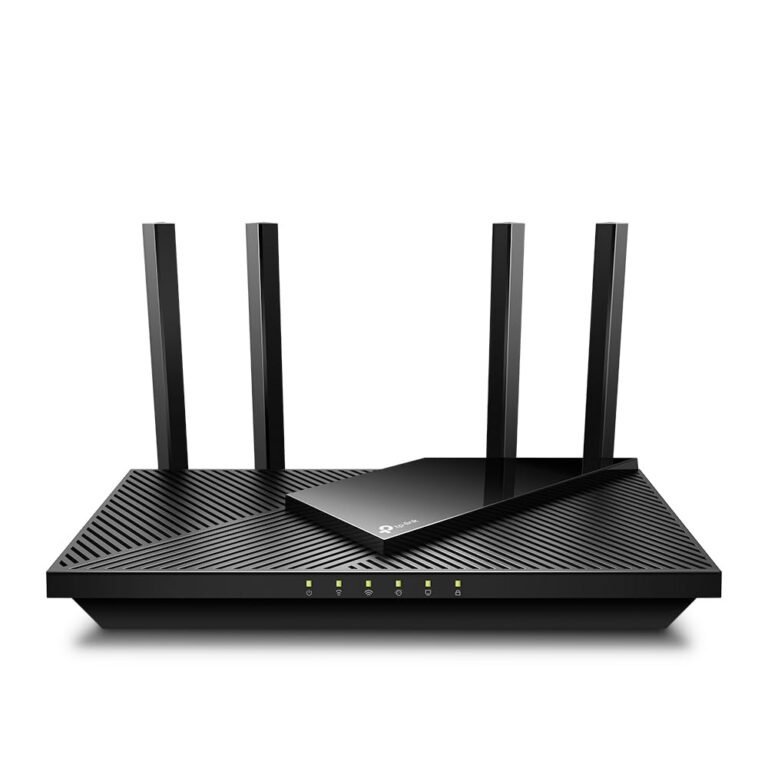
- Hub Compatibility: Some smart devices require a central hub to function. Make sure the devices you choose are compatible with your existing hub or consider investing in a versatile hub that supports multiple brands.
- User Interface: A user-friendly app or interface is essential for managing your smart home. Check reviews to see how intuitive the controls are.
- Security Features: With increased connectivity comes increased vulnerability. Prioritize devices that offer robust security features, such as encryption and regular firmware updates.
Current Trends in Smart Home Ecosystems
The smart home market is rapidly evolving, with several trends shaping the way we interact with technology. In 2026, here are a few noteworthy trends:
- Increased Device Interoperability: More manufacturers are prioritizing compatibility between devices, leading to a more unified experience across different brands.
- AI Integration: Artificial intelligence is becoming a staple in smart home devices, enabling features like predictive analytics and personalized automation.
- Energy Efficiency: Smart devices are increasingly designed to optimize energy usage, helping homeowners reduce their carbon footprint and save on utility bills.
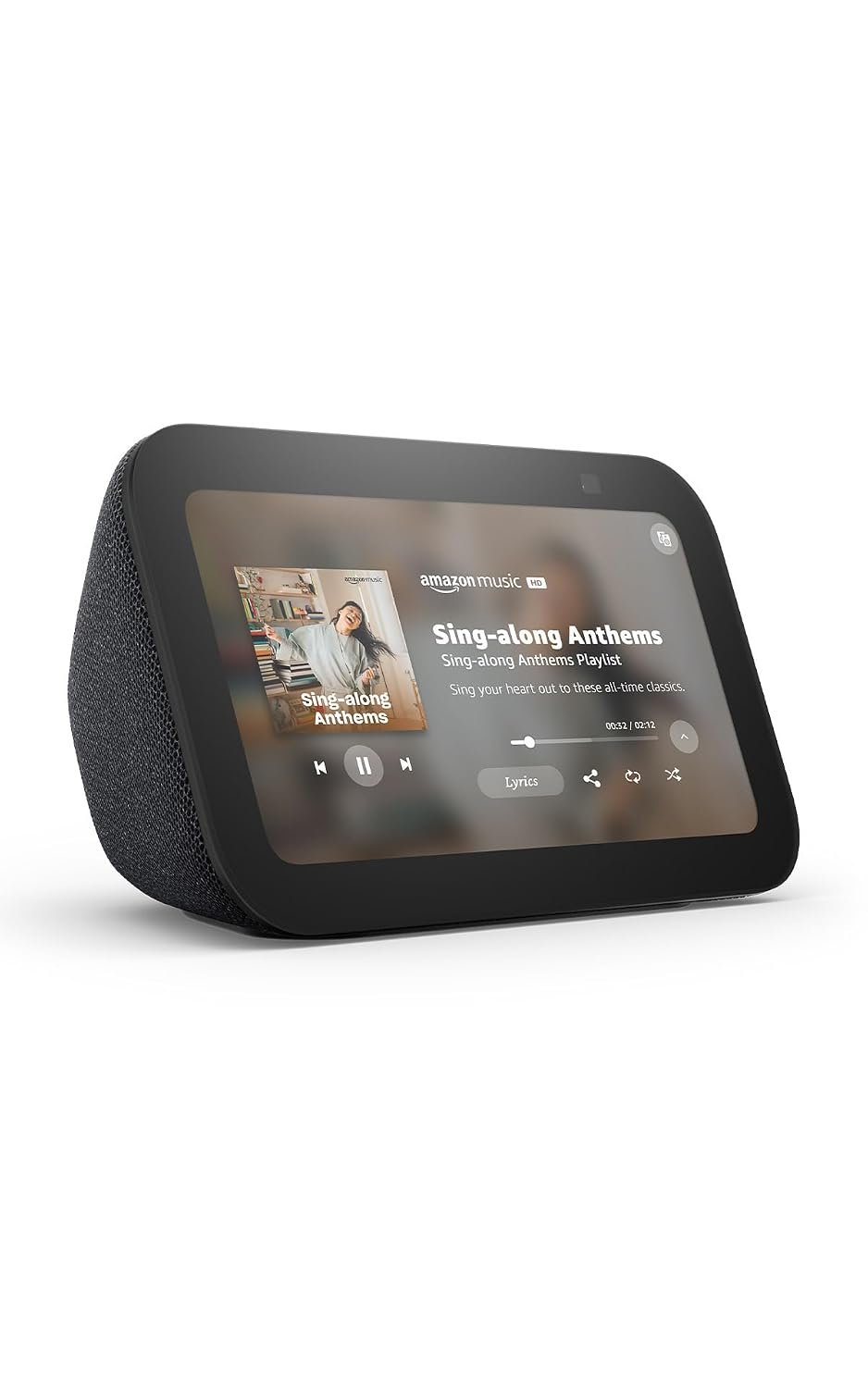
- Voice Control Dominance: Voice-activated assistants continue to gain popularity, making it easier to control multiple devices without needing to navigate apps or physical remotes.
What to Look For in a Smart Home Ecosystem
When building your smart home ecosystem, consider the following elements to ensure a smooth and efficient experience:
- Brand Ecosystem: Some brands offer a complete range of devices that work seamlessly together. Investing in one brand can simplify setup and management.
- Customization Options: Look for devices that allow for customization of settings and routines to fit your lifestyle.
- Expandability: Choose devices that allow for easy additions to your ecosystem. This way, you can start small and expand your smart home over time.
- Customer Support: Consider the level of support offered by the manufacturer. Good customer service can be invaluable when troubleshooting issues.
Common Mistakes to Avoid When Building a Smart Home
As you embark on your smart home journey, be aware of these common pitfalls that can hinder your experience:
- Overlooking Compatibility: Always check compatibility before purchasing. Mixing devices from different ecosystems can lead to frustration and limited functionality.
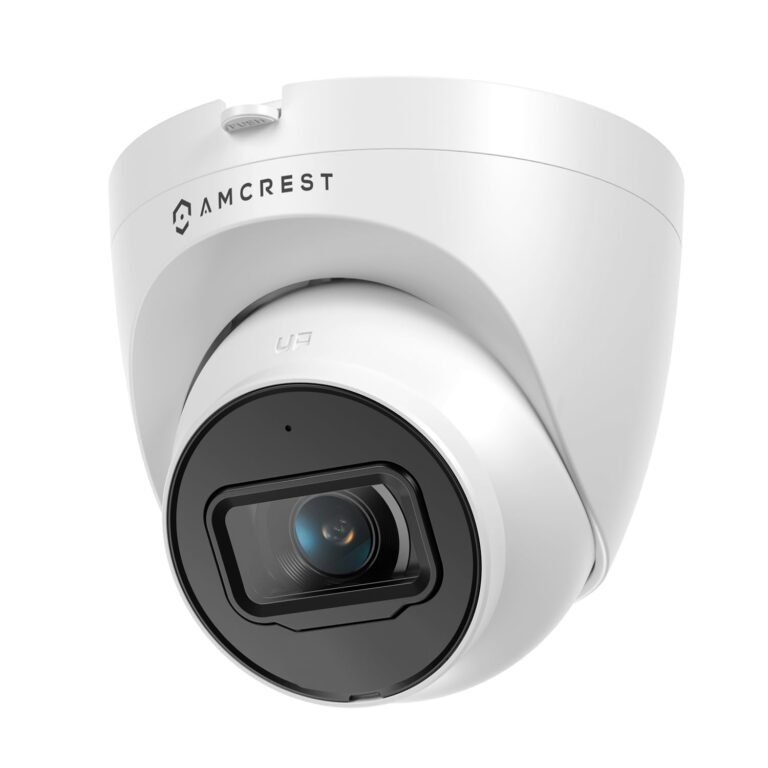
- Neglecting Security: Failing to prioritize security can leave your smart home vulnerable. Always change default passwords and enable two-factor authentication where possible.
- Ignoring Updates: Regularly update your devices to ensure you have the latest features and security patches. Many users forget this crucial step.
- Buying Too Much Too Soon: Start with a few essential devices that meet your immediate needs. Expanding too quickly can lead to confusion and overwhelm.
FAQ
What is a smart home ecosystem?
A smart home ecosystem refers to a network of interconnected devices that communicate with each other to automate tasks and enhance home management. This can include lighting, security systems, thermostats, and more, all working together seamlessly.
How do I ensure my smart home devices work together?
To ensure compatibility, choose devices that support common communication protocols and are compatible with your central hub. Additionally, consider opting for devices from the same brand or ecosystem for the best integration.
Can I add more devices to my smart home later?
Yes, most smart home ecosystems allow for easy expansion. As long as the new devices are compatible with your existing setup, you can add them to your network at any time.
In conclusion, building a smart home ecosystem can significantly enhance your living experience, making your home more efficient, secure, and convenient. By focusing on interoperability, current trends, and avoiding common mistakes, you can create a seamless environment tailored to your needs. For those just starting, consider investing in a few top-rated smart devices that are known for their compatibility and ease of use. This approach will set the foundation for a smart home that evolves with your lifestyle.