Blender vs Food Processor: Which Kitchen Appliance Do You Actually Need?
When it comes to equipping your kitchen, two appliances often come to the forefront of the discussion: blenders and food processors. Both are versatile tools that can simplify meal prep, but they serve different purposes. As culinary trends evolve, so do consumer preferences, leading to a surge in searches comparing these two kitchen staples. If you’re on the fence about which appliance to invest in, this guide will help clarify their differences, current market trends, and what to consider before making a purchase.
Understanding Your Cooking Habits
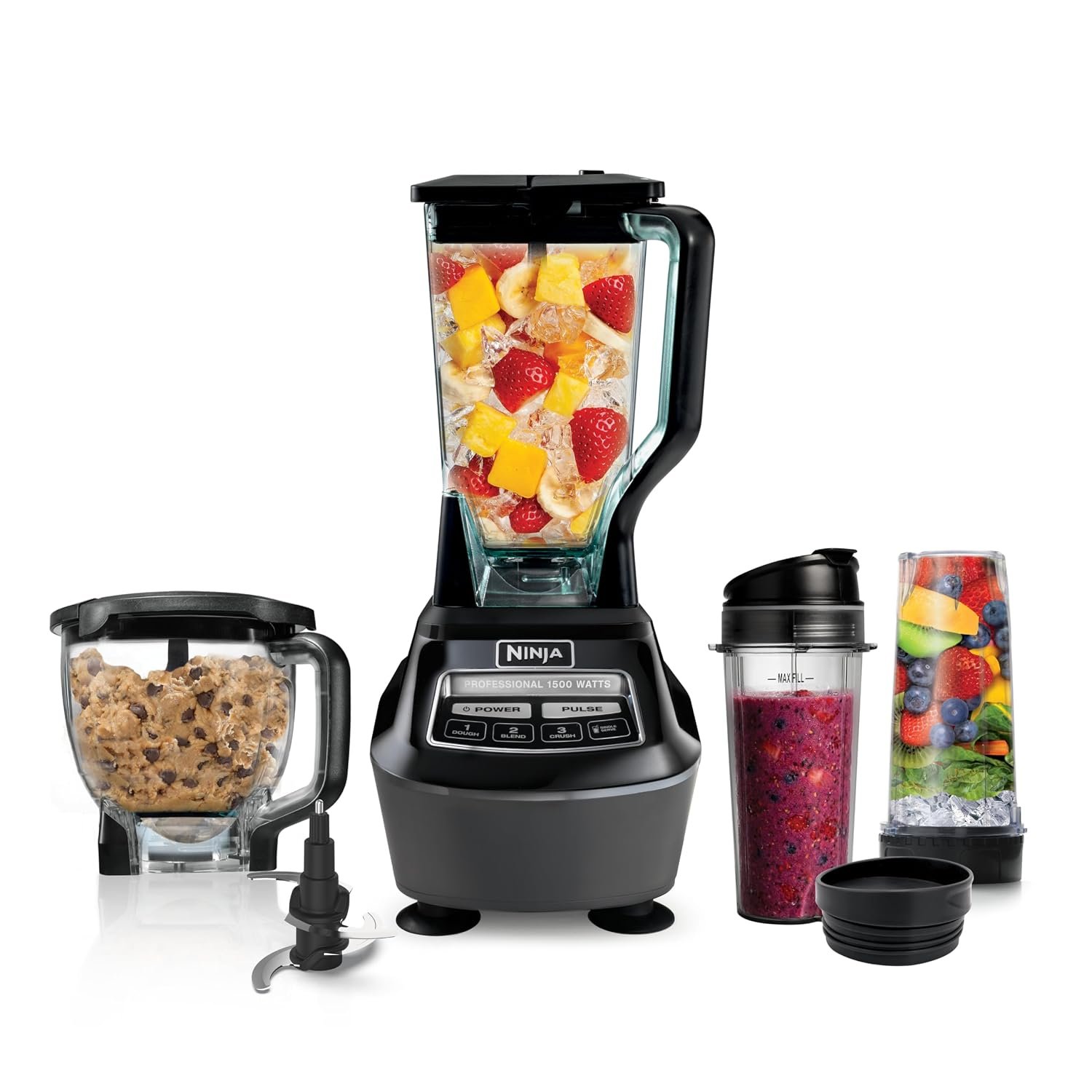
The first step in deciding between a blender and a food processor is to analyze your cooking habits. Blenders are ideal for creating smoothies, soups, and sauces, as their design focuses on liquid-based recipes. They excel at finely pureeing ingredients and achieving a smooth texture. On the other hand, food processors are designed for chopping, slicing, and grating solid foods. They can handle tasks like making dough, shredding cheese, or slicing vegetables with ease.
Consider the types of recipes you frequently prepare. If you often whip up smoothies or creamy soups, a blender is likely the better option. However, if your culinary repertoire includes a lot of chopping, slicing, or grating, a food processor will serve you well. Understanding your cooking style is crucial to making an informed decision.
Current Trends in Kitchen Appliances
In 2026, the kitchen appliance market is witnessing a notable shift towards multifunctionality. Consumers are increasingly seeking appliances that can perform multiple tasks, which has led to the rise of high-powered blenders that can also chop and mix. Additionally, food processors are being designed with features that allow for blending and pureeing, blurring the lines between the two appliances. This trend highlights the importance of versatility in kitchen gadgets, as home cooks look for ways to save space and money.
Another trend is the growing interest in health-conscious cooking. As more people turn to smoothies and healthy meal prep, the demand for high-quality blenders has surged. However, food processors remain popular for their ability to prepare whole foods quickly, appealing to those who enjoy cooking from scratch. Understanding these trends can help you make a choice that aligns with your lifestyle and preferences.
Key Features to Look For
When shopping for either a blender or a food processor, there are several key features to consider:
- Power: Look for appliances with sufficient wattage. A blender should ideally have at least 500 watts for smooth blending, while a food processor benefits from a motor with at least 600 watts for efficient chopping and slicing.
- Capacity: Consider how much food you typically prepare. Blenders usually come in various sizes, while food processors often have larger bowls that can handle bulk ingredients.
- Attachments: Food processors often come with various blades and discs for different tasks, while some blenders offer additional features like personal blending cups or tamper tools.
- Ease of Cleaning: Look for models with dishwasher-safe parts or those designed for easy disassembly to simplify cleanup.
Common Mistakes to Avoid
Many consumers make common mistakes when choosing between a blender and a food processor. One prevalent mistake is assuming that one appliance can completely replace the other. While some models offer multifunctional capabilities, they may not perform as well as dedicated appliances for specific tasks. Another mistake is not considering the size and storage of the appliance. Ensure you have enough counter space or cabinet room for the appliance you choose, as both blenders and food processors can be bulky.
Additionally, some buyers overlook the importance of reading reviews and comparing features. It’s essential to understand what other users appreciate or dislike about a product before making a purchase. Investing time in research can lead to a more satisfying kitchen experience.
FAQ
Can I use a blender instead of a food processor?
While some blenders can handle tasks typically done by a food processor, they may not perform as efficiently. For chopping and slicing solid foods, a food processor is usually the better choice.
What is the best appliance for making smoothies?
A high-quality blender is the best choice for making smoothies, as it is designed to blend fruits and vegetables into a smooth texture. Look for models with strong motors and sharp blades for optimal results.
Are there budget-friendly options available for both appliances?
Yes, there are many budget-friendly options available for both blenders and food processors. However, it’s crucial to read reviews and consider the durability and performance of lower-priced models to ensure a good investment.
In conclusion, the choice between a blender and a food processor ultimately depends on your cooking habits and preferences. If you frequently prepare smoothies, soups, and sauces, a blender is essential. However, if your cooking involves a lot of chopping, slicing, and food prep, a food processor is the way to go. Consider your kitchen space, the features you need, and current market trends when making your decision. For those who can only choose one, a versatile high-powered blender may be the best compromise, but investing in both can significantly enhance your culinary experience.