How to Choose the Right Generator Size for Home Backup Power
As power outages become increasingly common due to extreme weather events and aging infrastructure, the demand for home backup generators has surged. Choosing the right generator size is crucial for ensuring that your home remains powered during emergencies. With so many options available, understanding how to size a generator effectively can make a significant difference in your comfort and safety. In this guide, we’ll explore the essential factors to consider when selecting a generator, current market trends, and common pitfalls to avoid.
Understanding Your Power Needs
Before diving into the specifics of generator sizing, it’s essential to assess your power requirements. Start by identifying the appliances and systems you want to keep running during an outage. Common items include refrigerators, heating/cooling systems, lights, and medical equipment. Each appliance has a specific wattage requirement, which can be found on the device itself or in the user manual.
To calculate your total power needs, follow these steps:
- List Essential Appliances: Write down all the devices you want to power.
- Determine Starting and Running Watts: Appliances like refrigerators and air conditioners require more power to start than to run. Make sure to account for both starting and running watts.
- Add It Up: Sum the wattage of all essential appliances to find your total wattage requirement.
Current Trends in Generator Sizes
The generator market has seen significant growth, particularly in the wake of increased demand for home backup power. According to search trends in 2026, consumers are particularly interested in portable generators, which offer flexibility and ease of use. Standby generators are also gaining traction for their ability to automatically switch on during an outage, providing seamless power without manual intervention.
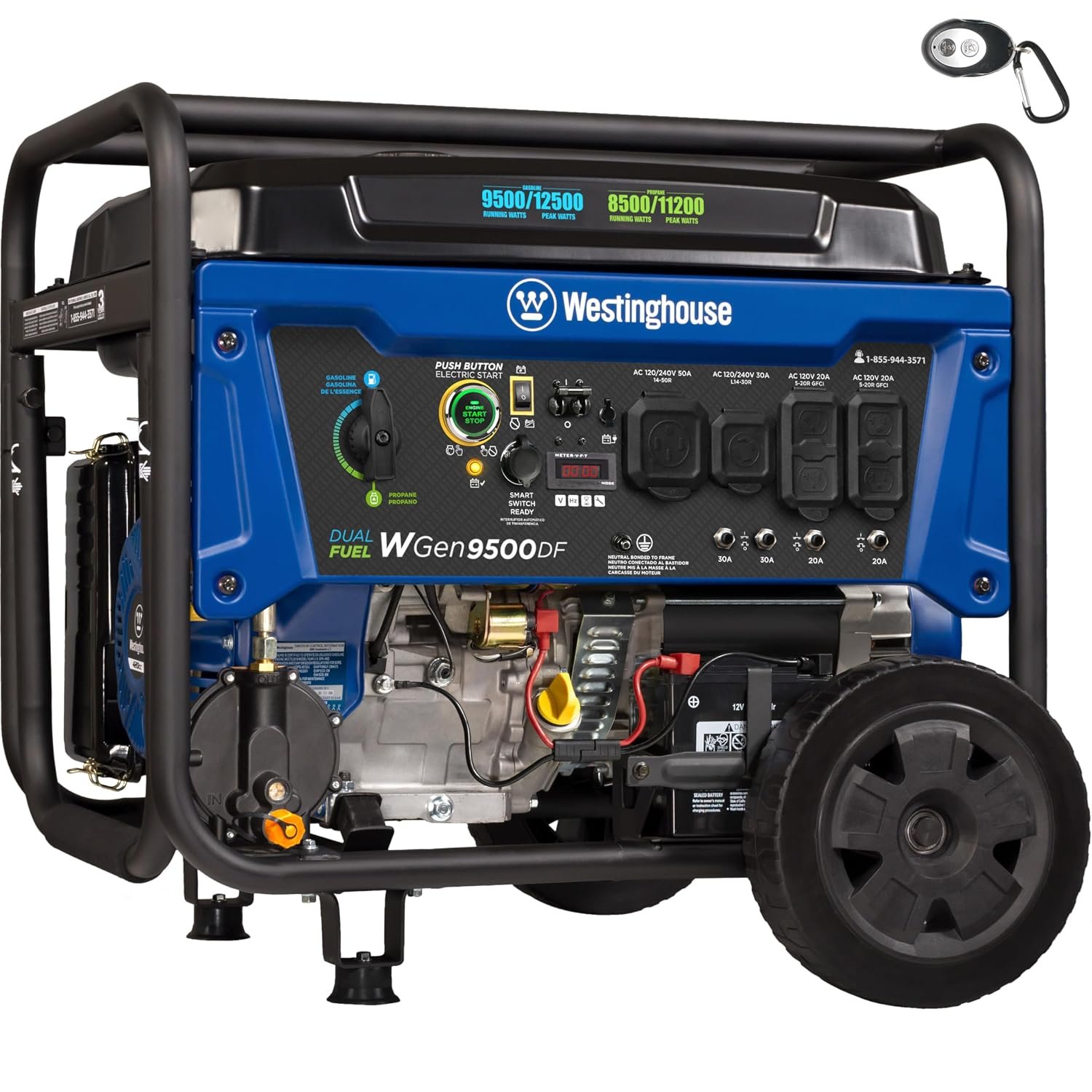
Moreover, the trend towards energy efficiency has led manufacturers to develop generators that not only meet power demands but also consume less fuel. In addition, many consumers are seeking dual-fuel generators that can run on both gasoline and propane, offering versatility and convenience.
What to Look for When Choosing a Generator
When selecting a generator, consider the following key factors:
- Power Output: Ensure the generator can handle your total wattage needs, including both running and starting watts.
- Fuel Type: Decide between gasoline, propane, or dual-fuel options based on availability, cost, and convenience.
- Runtime: Check how long the generator can run on a full tank of fuel. Longer runtimes are preferable for extended outages.
- Portability: If you plan to move the generator frequently, look for models with wheels and lightweight designs.
- Noise Level: Consider the decibel rating, especially if you live in a noise-sensitive area.
Common Mistakes to Avoid
Even seasoned buyers can make mistakes when choosing a generator. Here are some common pitfalls to avoid:
- Underestimating Power Needs: Failing to calculate the total wattage can result in purchasing a generator that cannot support essential appliances.
- Ignoring Fuel Availability: Selecting a generator that runs on a fuel type that is hard to find in your area can lead to frustration during outages.
- Overlooking Maintenance Requirements: Some generators require more maintenance than others. Ensure you understand the upkeep needed to keep your generator in good working condition.
FAQ
How do I determine the wattage of my appliances?
The wattage can typically be found on the appliance’s label, in the user manual, or by searching online for the specific model. Make sure to note both the running and starting wattage for accurate calculations.
Can I use a generator indoors?
No, generators should always be operated outdoors in a well-ventilated area. Running a generator indoors can lead to carbon monoxide poisoning, which is extremely dangerous.
What is the difference between a portable and a standby generator?
A portable generator is typically smaller, can be moved easily, and requires manual setup during outages. A standby generator is permanently installed and automatically activates during a power outage, providing seamless power without the need for manual intervention.
In conclusion, selecting the right generator size for home backup power is essential for ensuring you have the energy you need during outages. By understanding your power needs, keeping up with current trends, and avoiding common mistakes, you can make an informed decision. For those looking for reliable options, consider exploring top-rated generators that fit your requirements and budget. With the right generator, you can ensure peace of mind and comfort in times of uncertainty.