

Tech Layoffs, AI Anxiety, and the Real Stories Behind Job Losses in 2025–2026
Across the world, professionals are witnessing an unsettling trend: respected colleagues losing jobs, hiring freezes at major firms, and constant headlines linking this turbulence to artificial intelligence. Companies like Amazon and Meta have gone through visible restructuring, but this is not limited to a few tech giants. The pattern is global, multi-industry, and deeply structural.
This article connects what is actually happening, why AI is part of the conversation, and how global news organizations are documenting the human impact.
1) Layoffs Are Happening Across Industries, Not Just Tech


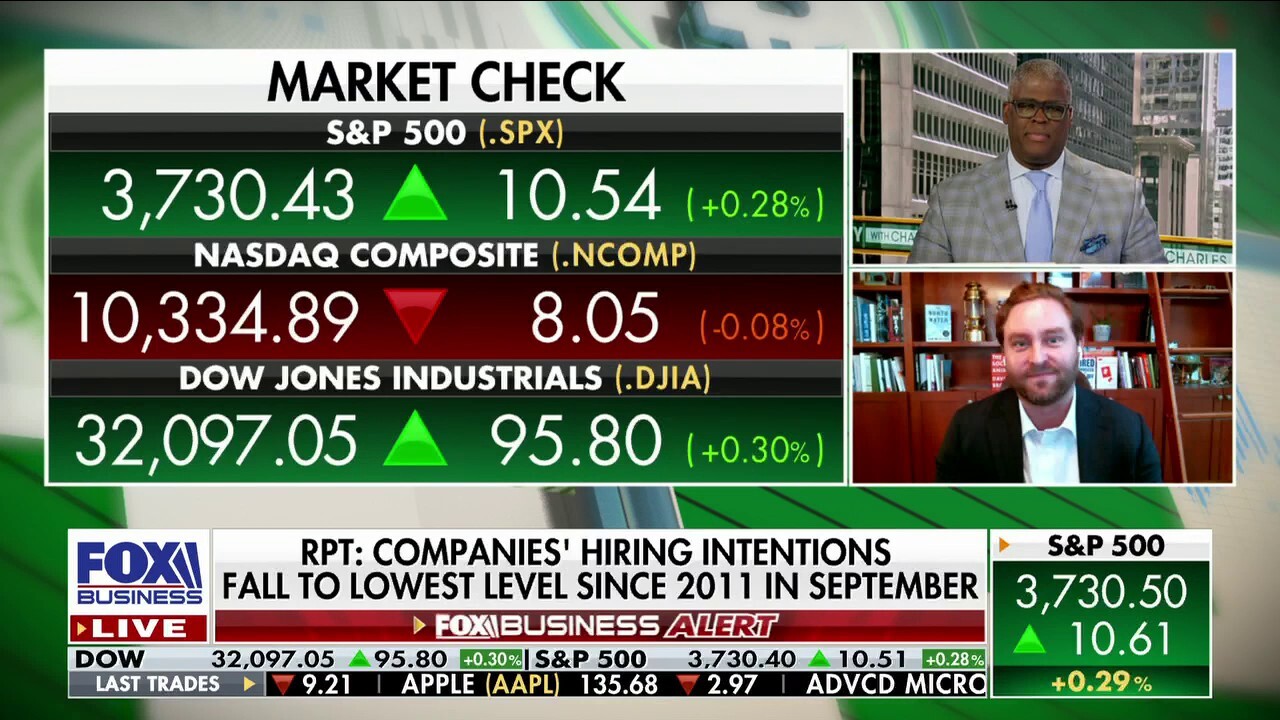
Major workforce reductions are being reported not only in technology, but also in finance, media, logistics, retail, and consulting. Newsrooms are consistently covering announcements from companies trimming “corporate roles,” “middle management,” and “non-core departments.”
This is not a single-sector correction. It reflects companies attempting to reduce operating costs, streamline decision chains, and restructure for leaner operations after years of aggressive hiring during the pandemic digital boom.
2) What Global Media Is Reporting About the Human Impact


Publications such as Reuters, The Washington Post, BBC News, and The New York Times are focusing less on corporate statements and more on worker experiences:
- Professionals with strong résumés struggling to secure interviews
- Increased competition for each open role
- People rethinking career paths after a decade in tech
- Emotional stress from prolonged job searches
The narrative is shifting from “companies are optimizing” to “workers are navigating uncertainty.”
3) Where AI Fits Into This — And Where It Doesn’t


AI is frequently mentioned in layoff announcements and earnings calls, but its role is often misunderstood.
What AI is doing:
- Automating repetitive reporting, documentation, and support tasks
- Reducing the need for large operations and coordination teams
- Allowing smaller teams to produce more output
What AI is not doing (yet):
- Replacing complex human judgment roles wholesale
- Eliminating the need for engineers, strategists, designers, or leaders
In many cases, AI is a force multiplier that allows companies to operate with fewer people in support, coordination, and routine execution roles.
4) Why Even “Safe” White-Collar Roles Feel Uncertain Now



For years, roles in project management, operations, coordination, and documentation were considered stable career paths. Now, many of these functions are being:
- Consolidated into smaller teams
- Assisted heavily by AI tools
- Outsourced or automated with software workflows
This creates a perception that no role is fully insulated, especially those centered around process rather than specialized skill.
5) The Psychological Effect: Fear of Being Replaced


Even for those still employed, there is growing anxiety:
- “Will my role exist in two years?”
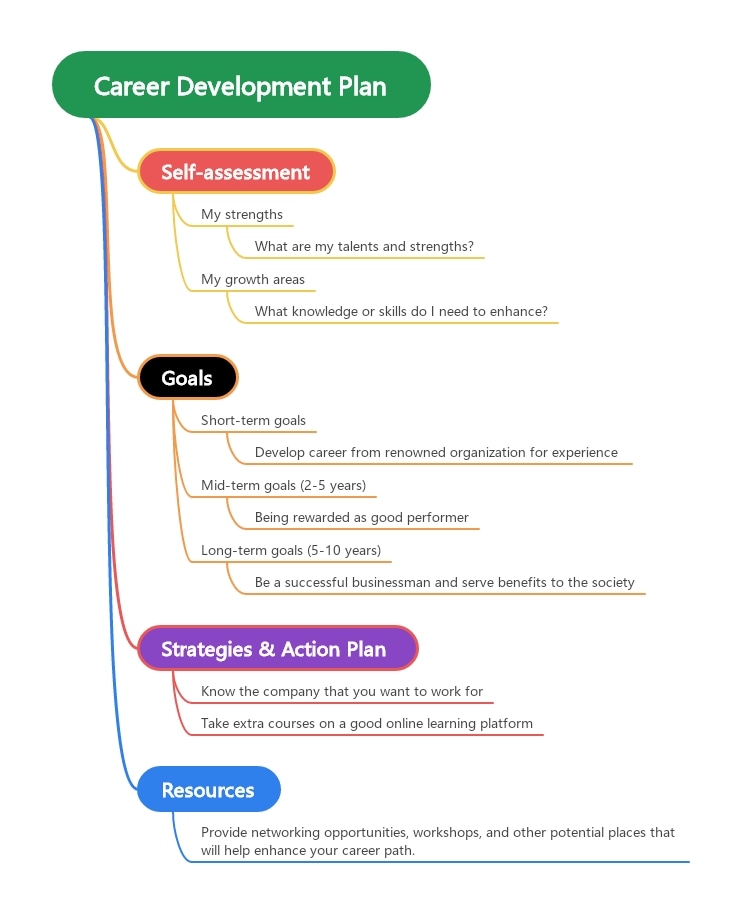
- “Should I reskill toward AI-related work?”
- “Is my experience still relevant?”
This fear is fueled by constant headlines, viral posts, and rapid advancements in generative AI tools that visibly perform tasks once done by humans.
6) This Is a Structural Shift, Not a Temporary Cycle
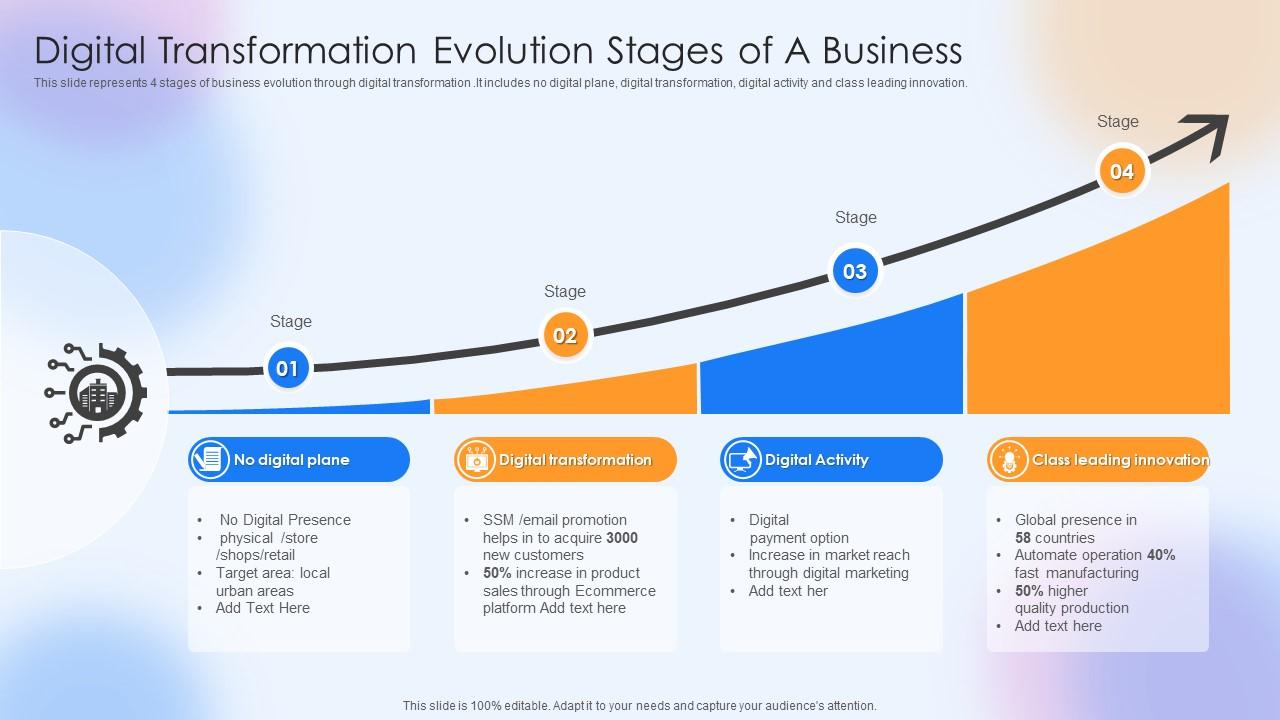

What makes this period different from past layoffs is that companies are not simply waiting to rehire. They are redesigning how work gets done:
- Fewer layers of management
- More automation in daily workflows
- Greater reliance on software over manpower
- Preference for multi-skilled professionals over narrow roles
This signals a long-term transformation in workplace structure.
Key Takeaway
The connection between layoffs and AI is real but nuanced.
- Layoffs are happening globally and across industries
- AI is enabling companies to run leaner operations
- Workers are experiencing genuine uncertainty and stress
- The job market is becoming more competitive and skill-focused
This is not panic. It is a documented shift reported consistently by major global news organizations and experienced firsthand by professionals worldwide.