
The Benefits and Uses of Salmon Fish Oil
Introduction to Salmon Fish Oil
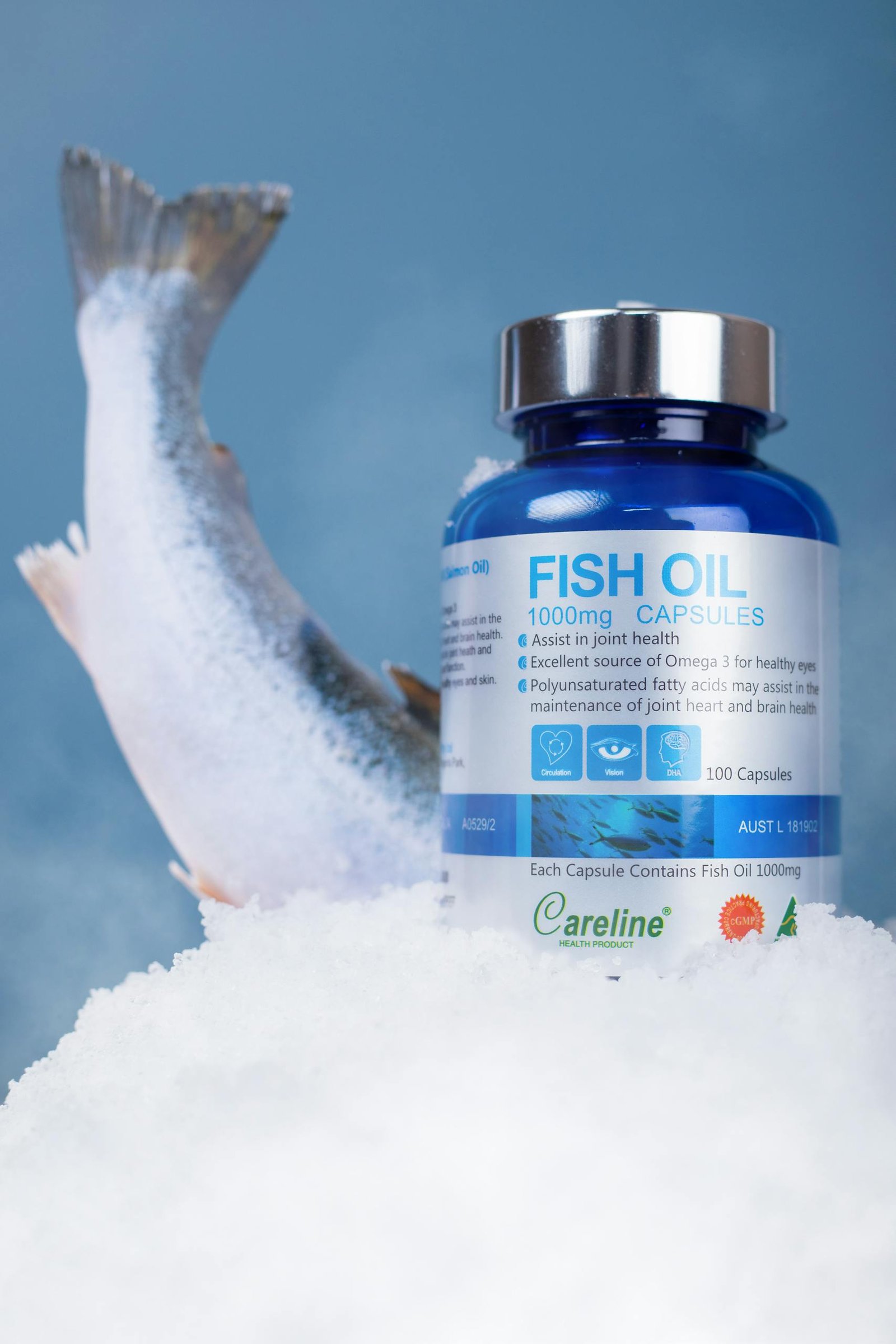
Salmon fish oil is derived from the fat of salmon, a species of fish known for its rich fatty acid content and health benefits. This oil is extracted primarily from the tissues of wild-caught salmon, which are known to inhabit the cold waters of the Pacific and Atlantic Oceans. The extraction process usually involves cold pressing or the use of solvents, ensuring that the essential nutrients are preserved for maximum efficacy. Unlike other fish oils, which can come from various fish species such as cod or mackerel, salmon fish oil is particularly valued for its high levels of omega-3 fatty acids.
Omega-3 fatty acids, specifically EPA (eicosapentaenoic acid) and DHA (docosahexaenoic acid), are crucial for maintaining optimal health. These beneficial fats have been linked to numerous advantages, including reducing inflammation, supporting cardiovascular health, and promoting brain function. The presence of astaxanthin, a powerful antioxidant found in wild salmon, further enhances the nutritional profile of this oil, offering additional health benefits that are not present in many other fish oils.
The unique composition of salmon fish oil sets it apart as a preferred choice among dietary supplements. Its extraction process preserves these potent nutrients, making it a high-quality option for individuals seeking to enhance their nutrition through omega-3 supplementation. As consumers become more health-conscious, salmon fish oil is increasingly recognized for its potential to support overall well-being. Importantly, its superior quality can also be attributed to the natural habitat of wild salmon that contributes to its enhanced nutrient density, ensuring that those who include it in their diet receive a robust source of essential fatty acids.
Nutritional Profile of Salmon Fish Oil
Salmon fish oil is increasingly recognized for its rich nutritional profile, making it a popular supplement for promoting health and well-being. One of the primary components of salmon fish oil is omega-3 fatty acids, specifically eicosapentaenoic acid (EPA) and docosahexaenoic acid (DHA). These essential fatty acids play a crucial role in various bodily functions, including the maintenance of heart health, reducing inflammation, and supporting cognitive function. Research has indicated that regular consumption of omega-3 fatty acids can aid in the prevention of heart disease by lowering triglyceride levels and decreasing blood pressure.
In addition to omega-3 fatty acids, salmon fish oil is a valuable source of vitamins A and D. Vitamin A is essential for maintaining healthy vision, immune function, and skin health. It acts as an antioxidant, protecting the body from harmful free radicals. Vitamin D, on the other hand, is vital for bone health, as it facilitates calcium absorption. It also plays a role in regulating mood and may help in reducing the risk of certain chronic diseases. The synergy between these vitamins in salmon fish oil enhances its efficacy as a dietary supplement.
Moreover, salmon fish oil contains other beneficial compounds, such as astaxanthin, which is a potent antioxidant found in the flesh of the salmon. This compound not only contributes to the oil’s vibrant color but also provides additional health benefits, such as reducing oxidative stress and improving skin health. The combination of omega-3 fatty acids, vitamins, and antioxidants present in salmon fish oil makes it a comprehensive nutritional source, promoting overall health and supporting various bodily functions.
Editor’s Pick – Now Let’s Pick some of the Products from Amazon.com USA


Health Benefits of Omega-3 Fatty Acids
Omega-3 fatty acids, prominently found in salmon fish oil, are essential components of a healthy diet. These polyunsaturated fats have been linked to various health benefits, particularly in three key areas: heart health, brain function, and inflammation reduction. Numerous studies have substantiated these claims, reinforcing the significance of omega-3 fatty acids in promoting overall well-being.
One of the most well-documented benefits of omega-3 fatty acids is their positive impact on heart health. Research indicates that regular intake of omega-3s can lower triglyceride levels, reduce blood pressure, and decrease the risk of heart disease. A meta-analysis conducted in 2020 found that individuals consuming high amounts of omega-3s from fish, such as salmon, experienced a 30% reduction in cardiovascular events compared to those with low intake. This demonstrates the heart-protective properties of omega-3 fatty acids present in salmon fish oil.
Furthermore, omega-3 fatty acids play a pivotal role in maintaining optimal brain function. They are essential for neuronal development and communication. Studies have shown that a diet rich in omega-3s can delay cognitive decline and may even lower the risk of Alzheimer’s disease. A landmark study published in 2019 indicated that participants with higher levels of omega-3s exhibited better memory function and cognitive performance, underscoring the importance of these fatty acids for mental acuity.
Lastly, omega-3 fatty acids possess anti-inflammatory properties, making them beneficial for individuals with chronic conditions. Research has shown that these fatty acids can help reduce inflammation markers in the body, leading to improved symptoms in conditions such as rheumatoid arthritis and inflammatory bowel disease. A clinical trial published in 2021 highlighted that patients supplementing with omega-3 fish oil experienced significant reductions in joint pain and stiffness.
In conclusion, the health benefits of omega-3 fatty acids from salmon fish oil are considerable, spanning improvements in heart health, cognitive function, and inflammation control. Incorporating these essential fatty acids into one’s diet can enhance overall health and well-being.
Salmon Fish Oil for Mental Health
Salmon fish oil, extracted from the tissues of fatty fish such as salmon, is rich in omega-3 fatty acids, particularly EPA (eicosapentaenoic acid) and DHA (docosahexaenoic acid). These essential fats have been increasingly recognized for their potential benefits in supporting mental health. Numerous studies suggest that omega-3 fatty acids can play a critical role in mitigating symptoms associated with mental health disorders, including depression, anxiety, and even cognitive decline.
Research indicates that individuals suffering from depression may exhibit lower levels of omega-3 fatty acids in their blood compared to those with stable mental health. A meta-analysis of various studies showed that supplementation with fish oil containing EPA and DHA can lead to significant reductions in depression scores. Moreover, this supplementation has been linked to improvements in overall mood and emotional well-being, reinforcing the notion that salmon fish oil can be a valuable adjunct to traditional treatments for depression.
Beyond depression, the anti-inflammatory properties of omega-3 fatty acids may also exert benefits in reducing anxiety levels. Several clinical trials have demonstrated that regular ingestion of salmon fish oil may help to lower anxiety symptoms, possibly due to its effects on neurotransmitter regulation and inflammation reduction in the brain. Additionally, some researchers have pointed to the potential for fish oil to delay cognitive decline. Studies involving older adults have shown that higher omega-3 levels are associated with improved cognitive function and a lower risk of developing Alzheimer’s disease.
For those considering the integration of salmon fish oil into their diets for mental health benefits, a typical recommendation is to aim for a daily intake of approximately 1-2 grams of combined EPA and DHA. This can be achieved through both supplementation and dietary sources, such as consuming fatty fish at least twice a week. Careful consideration of dosage and individual dietary needs is essential when incorporating fish oil for mental health support.
Supports Joint Health and Mobility
Salmon fish oil has garnered attention for its potential benefits in promoting joint health and enhancing mobility, particularly for individuals grappling with arthritis or other inflammatory conditions. The key component of salmon fish oil is its rich abundance of omega-3 fatty acids, which are known for their powerful anti-inflammatory properties. These fatty acids, primarily eicosapentaenoic acid (EPA) and docosahexaenoic acid (DHA), have been demonstrated to reduce inflammation in the body, thereby alleviating joint pain and stiffness. This attribute makes salmon fish oil a valuable supplement for people seeking relief from the symptoms associated with arthritis.
Many studies have shown that regular consumption of salmon fish oil can lead to a noticeable improvement in joint function and mobility. By minimizing inflammatory responses, the oil helps maintain the integrity of cartilage and supports overall joint health. For individuals experiencing chronic joint conditions, such as osteoarthritis or rheumatoid arthritis, integrating salmon fish oil into their diet can be particularly beneficial. The dosage can vary based on individual needs, but a common recommendation is to consume several grams of fish oil daily for optimal results. It is advisable to consult with a healthcare professional before starting any new supplement regimen, especially for those on existing medications.
In addition to mitigating inflammation, salmon fish oil may also contribute to a healthier immune response, further supporting joint health. The link between improved immune function and reduced joint pain is an area of ongoing research. For those looking to improve their overall quality of life through enhanced joint mobility, salmon fish oil presents a promising option backed by scientific evidence. Thus, considering its anti-inflammatory benefits and positive effects on joint function, incorporating salmon fish oil into one’s diet could serve as a valuable strategy for managing joint-related ailments.
Skin Health and Beauty Benefits
Salmon fish oil, rich in omega-3 fatty acids, has garnered significant attention in the world of skincare due to its diverse benefits for skin health. One of the primary advantages of incorporating salmon fish oil into a skincare regimen is its ability to enhance skin hydration. Omega-3 fatty acids help maintain the skin’s lipid barrier, which is essential for preventing moisture loss. This can result in a more hydrated and plump appearance, improving overall skin texture and reducing the appearance of fine lines.
Moreover, salmon fish oil is known to enhance skin elasticity. The fatty acids present in the oil promote collagen production, fostering a firm and youthful complexion. Collagen, a crucial protein, maintains skin structure and elasticity, countering the natural aging process. Thus, regular use of salmon fish oil can contribute to a more resilient skin structure, making it an attractive option for those seeking to improve their anti-aging skincare routine.
In addition to hydration and elasticity, salmon fish oil can also play a significant role in acne prevention and management. The anti-inflammatory properties of omega-3s can help calm irritated skin and reduce redness associated with acne. Furthermore, these fatty acids support an overall balanced lipid composition, which may assist in regulating sebum production. This regulation is particularly beneficial for individuals with oily or combination skin types prone to breakouts.
To incorporate salmon fish oil into skincare routines, various methods can be utilized. One option is to use topical products containing salmon fish oil as an active ingredient. Alternatively, individuals may consider dietary supplementation, either through capsules or liquid forms, which can deliver internal benefits that reflect externally. Regardless of the chosen method, consistency is key to observing noteworthy improvements in skin health and beauty.
How to Incorporate Salmon Fish Oil into Your Diet
Incorporating salmon fish oil into your daily diet can significantly enhance your overall health, owing to its rich content of omega-3 fatty acids. These essential fats are known for their myriad health benefits, including improved cardiovascular health and reduced inflammation. Here are several practical tips to seamlessly integrate salmon fish oil into your routine.
One of the most common and convenient ways to consume salmon fish oil is through capsules. These are widely available and offer a measured dose without the taste of the oil. If you prefer liquid forms, look for high-quality salmon fish oil that can be taken by the teaspoon. This option is particularly beneficial as it can be easily mixed with food and beverages.
When using salmon fish oil in your meals, consider incorporating it into salad dressings or drizzling it over cooked vegetables. For instance, a vinaigrette made with olive oil and salmon fish oil can enhance the flavor profile of salads while providing a healthy fat boost. Additionally, using salmon fish oil in marinades for fish or poultry can add richness to your dishes. It can also be stirred into soups or stews at the end of cooking, allowing the flavors to meld without losing the nutritional qualities.
Quality is paramount when selecting salmon fish oil. Look for products that are third-party tested for purity and freshness. Brands that provide clear sourcing information often demonstrate higher transparency regarding their product’s quality.Reading customer reviews and checking for certifications can also guide your choice. By following these tips, you can easily enjoy the health benefits of salmon fish oil, making it an integral part of a balanced diet.
Potential Side Effects and Considerations
While salmon fish oil is widely recognized for its numerous health benefits, it is crucial to consider its potential side effects and safety measures before incorporating it into one’s diet. One primary concern is the risk of overconsumption, which may lead to adverse effects. Excessive intake of salmon fish oil can result in gastrointestinal issues such as diarrhea, bloating, and indigestion. Furthermore, overuse might increase the risk of bleeding, particularly in individuals who are already taking anticoagulant medications or other blood thinners.
Individuals who are on prescribed medications should consult their healthcare provider before starting any salmon fish oil regimen. This is especially pertinent for those on medications for heart issues, high blood pressure, or diabetes, as fish oil can interact with these treatments and alter their efficacy. It is essential to monitor such interactions to ensure safety and optimal health outcomes.
Specific populations, including pregnant women and individuals with allergies, should exercise caution when considering salmon fish oil. Pregnant women are advised to limit their intake of fish oil to avoid excessive levels of omega-3 fatty acids, which could affect fetal development. Additionally, individuals with shellfish allergies should be cautious, as some fish oils may trigger allergic reactions. Adhering to recommended dosages and seeking guidance from healthcare professionals can help mitigate these risks.
It is advisable to choose high-quality salmon fish oil supplements that have undergone rigorous testing for contaminants such as mercury and other harmful substances. Always consider the source and purity of the product to ensure safety and maximize the health benefits of salmon fish oil. By taking these precautions, individuals can enjoy the positive effects of salmon fish oil while minimizing any potential risks.
Conclusion: Making Salmon Fish Oil Part of Your Wellness Routine
Incorporating salmon fish oil into your daily health routine presents numerous benefits that can significantly enhance your overall wellness. As discussed throughout this article, salmon fish oil is rich in omega-3 fatty acids, which are crucial for various bodily functions, including heart health, brain function, and inflammatory response. The preventives linked to omega-3 fatty acids, such as reduced risk of heart disease and improved cognitive performance, are well-supported by scientific research.
Moreover, the anti-inflammatory properties found in salmon fish oil not only support joint health but also contribute positively to skin conditions and overall immune response. By choosing a high-quality salmon fish oil supplement, individuals can ensure they receive the purest form of this beneficial oil, free from contaminants that are sometimes associated with lower quality fish oils.
As you consider integrating salmon fish oil into your wellness regimen, it is important to make informed choices regarding dosage and product quality. Consulting with a healthcare professional can help tailor the use of salmon fish oil to your specific health needs and goals. The mindful consumption of these supplements can maximize their positive effects while minimizing any potential side effects.
Ultimately, adopting salmon fish oil as a regular part of your dietary habits can be a simple yet impactful step toward improved health. By being aware of the benefits and making informed decisions, you can harness the advantages of this natural supplement, supporting both immediate wellness and long-term health outcomes. Consider making this addition to your wellness routine today, reaping the rewards of enhanced health and vitality.